 Wei Zhang
You’ve seen the photos. Misty mountains, ancient tiled roofs, and a lake that looks like a mirror. But here’s the catch: Dali’s real beauty hides behind a maze of ticket booths and selfie sticks. I’ve led travelers through these streets more times than I can count, and I’ve made every mistake in the book so you don’t have to.
If you’re coming for Dali tourist attractions like the Ancient City, Three Pagodas, or Erhai Lake, you need a plan that works in the real world, not on a Pinterest mood board. This guide is built from my own years of footwork — I know exactly which gates to enter, which WeChat mini-programs are worth the struggle, and which sunset spot makes every tourist freeze in awe.
And honestly, you can skip half the famous spots. But the ones that matter? You’ll remember them forever. Let me show you how.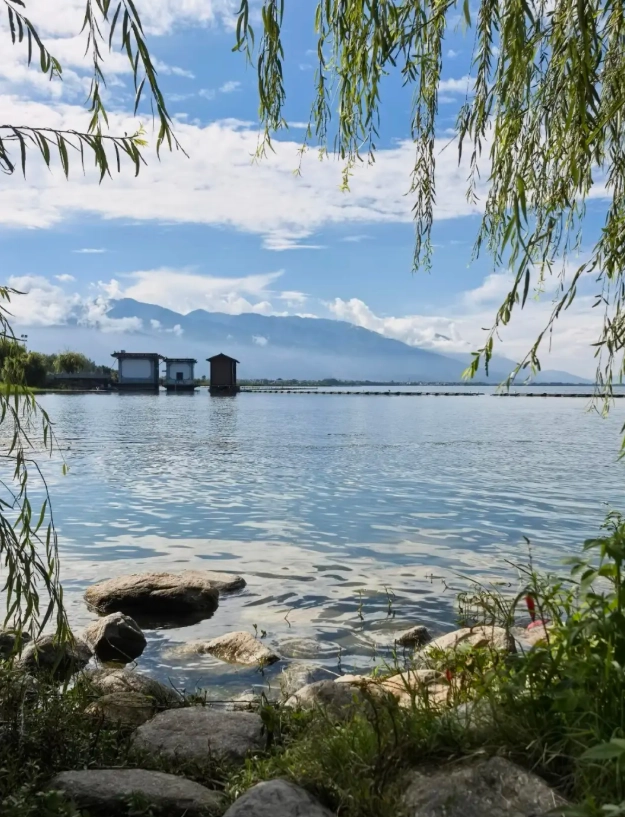
What’s Inside This Dali Guide
- Must-See Dali Tourist Attractions: The Shortlist
- How to Avoid Crowds at Dali Tourist Attractions
- The Perfect Dali Ancient City Walking Route
- Erhai Lake: Practical Tips for Foreign Travelers
- Three Pagodas: Tickets, Time, and Photo Spots
- A 24-Hour Dali Itinerary for Busy Travelers
- Where to Eat in Dali: Local Favorites I Actually Recommend
- Where to Stay in Dali
- Dali Tourist Attractions FAQ
Must-See Dali Tourist Attractions: The Shortlist
Not everything on the "Top 10 Dali" lists deserves your time. I’ve sifted through the hype and found the ones that genuinely deliver. These are the places I always take clients who want an authentic Dali experience without wasting a single afternoon.
| Attraction | Ticket Price | Opening Hours | Best Time to Visit | How Long to Spend |
|---|---|---|---|---|
| Three Pagodas of Chongsheng | 75 CNY (adult) / 40 CNY (student) | 8:00 AM – 6:00 PM | Before 10 AM or after 4 PM | 2-3 hours |
| Dali Ancient City | Free (some spots inside charge) | All day | 6:00 AM – 9:00 AM or after sunset | Half day |
| Erhai Lake | Free (bicycle rental extra) | Sunrise to sunset | Sunrise or late afternoon | Full day |
| Cangshan Mountain | Cable car 140-200 CNY | 8:30 AM – 4:30 PM | Morning, before clouds roll in | 3-4 hours |
| Xizhou Ancient Town | Free | All day | Afternoon | 2-3 hours |
| Shuanglang Village | Free | All day | Sunset | 2 hours |
Here’s the thing: Dali Ancient City is best experienced early in the morning, before the tour groups flood in. The vendors are still setting up, the sunlight hits the old brick walls, and you actually feel the Bai minority history. By 10 AM, it’s a sea of selfie sticks. I once brought a family at 7 AM and we had the whole central square to ourselves — they still tell me that was the highlight of their trip.
Three Pagodas is iconic, but the photographic magic happens at the Reflection Park across the street, not inside the main gate. You’ll see locals walking around with their phones trying to get the classic shot. I always tell my clients: save yen money on the entrance ticket and head straight to the park for the perfect view. Of course, if you want to walk among ancient temples, it’s worth the entry fee.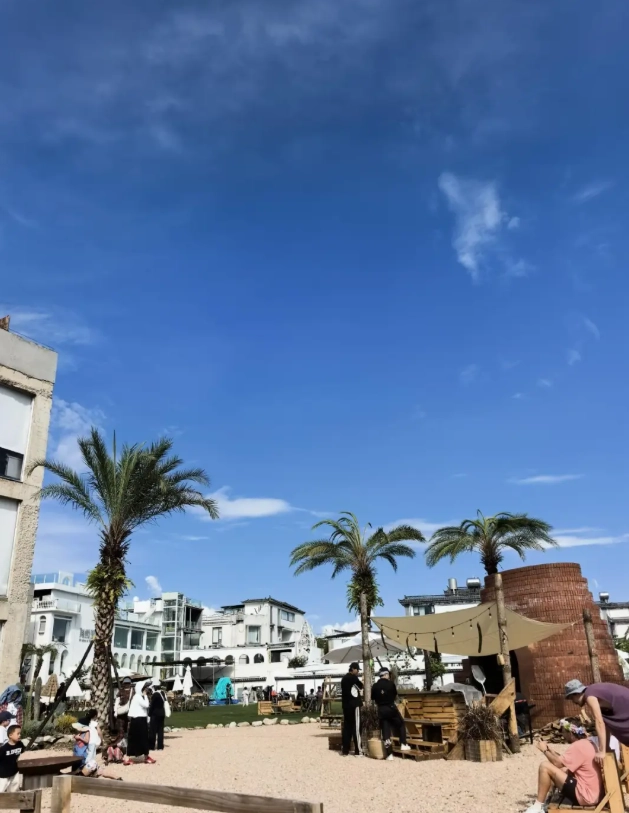
How to Avoid Crowds at Dali Tourist Attractions
Believe me, you don’t want to be squeezed between a dozen tour groups at the Three Pagodas. The secret to a good taste in Dali is timing and knowing the alternate gates. Here’s how to beat the flood:
- Start your day at 7 AM — Shanghai hotels won’t tell you this, but Dali’s charm peaks in the early morning light.
- Use the side gates — For Dali Ancient City, the south gate is the main entry with massive crowds. Instead, ask your driver to drop you at the west gate (Cangshan Gate). It’s less crowded and you’ll walk through quieter lanes directly into the old town.
- Avoid big festival dates — Chinese national holidays (Golden Week, May Day, and during local Bai festivals like Torch Festival) turn even the quiet towns into human traffic jams. If your schedule is flexible, skip those weeks entirely.
- Book tickets in advance for popular sites — The Three Pagodas and Cangshan cable cars often sell out on weekends. Use Trip.com or Klook to reserve ahead; don’t rely on the ticket window.
One more insider insight: the midday sun in Dali is harsh. I’ve seen tourists with sunburned noses and ruined photo lighting. The golden hours — 6-9 AM and 4-7 PM — give you softer light and emptier backgrounds. It’s worth adapting your schedule to nature’s schedule.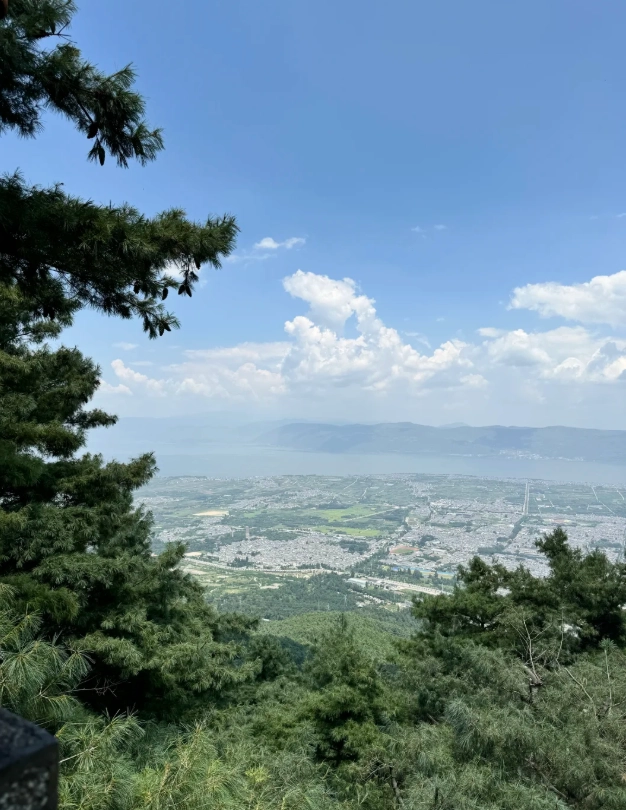
The Perfect Dali Ancient City Walking Route
If you follow the main streets, you’ll see the same souvenir shops and milk-tea stands as everyone else. Here’s how I walk my clients through a truly memorable loop:
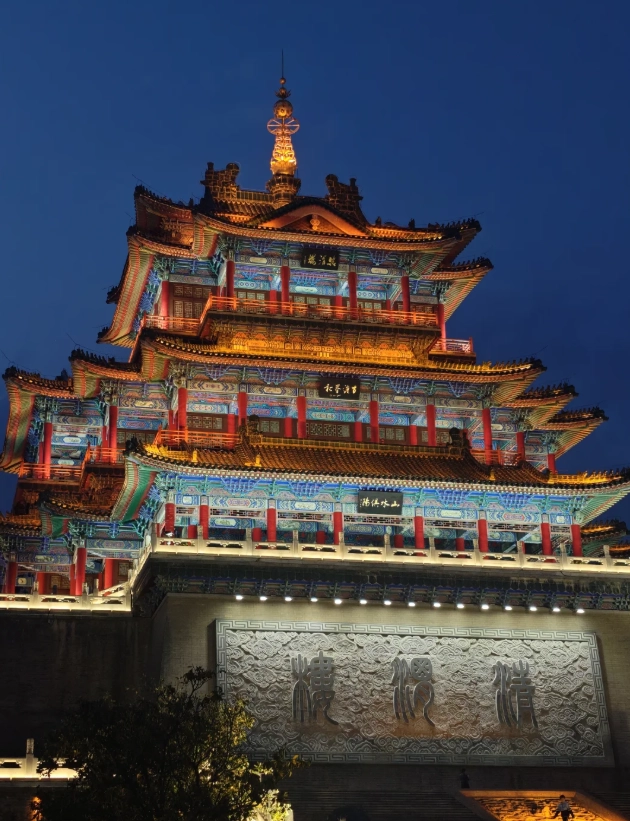
- Start at the South Gate (Wuhua Tower area) — climb the tower if you want a panoramic view, but go early (it opens at 8 AM).
- Head north on Fuxing Road — this is the main tourist spine. It’s gorgeous with white walls and grey tiles, but keep your eyes open for the side alleys. Turn any corner and you’ll discover quiet courtyards and local life.
- Turn east on Yulu Road — this leads to the old city’s eastern edge. You’ll pass the Red Dragon Well, a natural spring that still serves as a local meeting point.
- Loop back to the Catholic Church (Dali Catholic Church) — an unexpected white Chinese-style building that blends Bai and European architecture. It’s a hidden gem.
- Finish at the West Gate (Cangshan Gate) — as I said, this is the exit that spares you from the crowds. From here, catch a ride to your next destination.
This walk takes about 2 hours with plenty of stops. I usually suggest stopping for a coffee at Hidden Garden Cafe (it’s tucked off Fuxing Road) — great for people-watching and rested legs.
Pro Tip: Don’t buy anything along the main street. Prices are doubled. Walk a few blocks deeper into the alleys and you’ll find the same trinkets at half the price.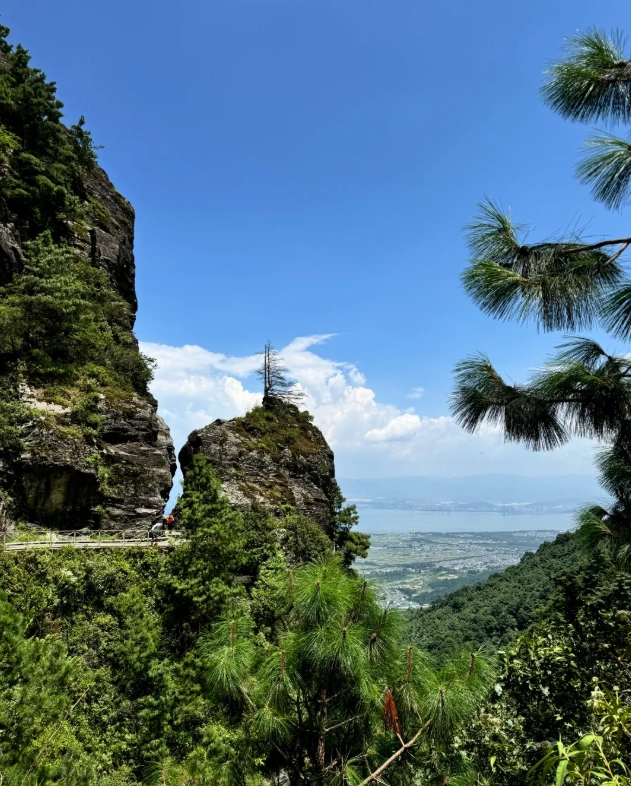
Erhai Lake: Practical Tips for Foreign Travelers
Erhai Lake isn’t an attraction you need a ticket for — it’s an experience you build around. The best way to enjoy it is by bicycle or car along the 120-kilometer shoreline, but you don’t need to circle the whole thing. The highlights are in the north and east.
For a half-day trip, I always recommend the Caicun to Xizhou stretch. Rent an electronic bike or regular bicycle in Caicun, then ride north on the dedicated cycling path. You’ll pass fields, traditional Bai houses, and you can stop anytime for photos. The ride is flat, safe, and easy even for beginners. It takes about 2-3 hours one way with stops.
If you’re not into cycling, hire a car and driver for the day (around 500-700 CNY from Dali Ancient City). They’ll show you the viewpoints, and you can hop out whenever you want. I do this with clients who want to see Shuanglang Village — which, honestly, is lovely but overcrowded. The real gem is Wase Town, a quiet fishing village that looks like Shuanglang 20 years ago.
Important: Google Maps doesn’t work properly in China. Use Apple Maps or Altimeter for navigation. Before you leave, download the route in a map app that works offline, like Maps.Me.
Payment update: Cash is becoming less common. Make sure you have Alipay or WeChat Pay linked to your foreign card. Even the tiny roadside fruit stalls expect digital payment. Set up a VPN before you arrive so you can access everything you need.
Three Pagodas: Tickets, Time, and Photo Spots
The Three Pagodas of Chongsheng Temple are Dali’s symbol, and for a reason. But I’ve found that most visitors don’t need to pay the full entrance fee to get the iconic shot. Here’s the breakdown:
| Option | Cost | What You See |
|---|---|---|
| Reflection Park (opposite) | 20 CNY | The classic postcard view with the pagodas reflected in the pond |
| Main temple area | 75 CNY | Walk among ancient temples, pagoda courtyards, and pagoda base with small history museum |
| Combined ticket | 80 CNY (rarely available) | Both park and temple access |
If you’re a history buff, pay the 75 CNY and spend a solid half-day. The temple complex is beautifully preserved, and the cypress trees give it a serene, spiritual atmosphere. You can also climb a small hill inside for a panoramic view of the city and Erhai Lake.
For photographers, come without entering the temple. Grab your shot at the Reflection Park at 8 AM when the water is still and the crowds haven’t arrived. By 9:30 AM, tour buses pull up and you’ll be fighting for a patch of railing.
Time commitment: 2 hours for the temple, 20 minutes for the park. Keep an eye on the weather — the light rain actually creates a mystical mist, but heavy rain makes it miserable.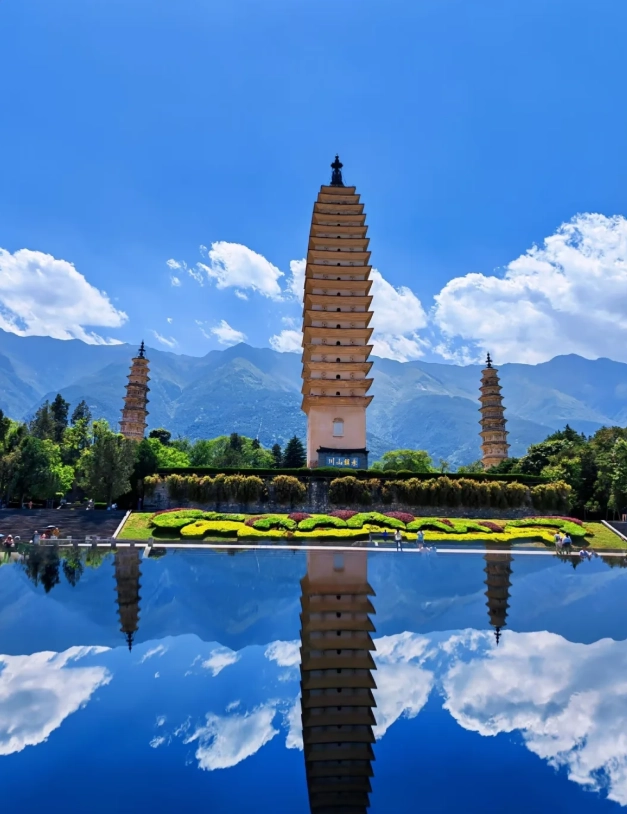
A 24-Hour Dali Itinerary for Busy Travelers
Suppose you only have one day in Dali — here’s how to pack it in without running yourself ragged.
- 6:30 AM — Three Pagodas (arrive early, take the Reflection Park shot, optionally visit temple)
- 9:00 AM — Dali Ancient City (coffee, wander through the quiet alleys, visit the Catholic Church, climb Wuhua Tower)
- 12:00 PM — Lunch at a local Bai restaurant (I’ll recommend a few below)
- 1:30 PM — Erhai Lake (hire an e-bike in Caicun, ride to Xizhou, tour old town, return)
- 5:00 PM — Xizhou round-up (try the local suanla powder or a bowl of clay-pot fish)
- 7:00 PM — Back to Dali Ancient City for nightlife (grab a drink on the bar street, catch the night view of Wuhua Tower lit up)
This itinerary covers the big three without sprinting. Between each spot, expect 15-25 minutes of travel time by taxi or e-bike. Traffic in Dali city is not too bad, but do leave buffer for the evening when the ancient city turns pedestrian-only in parts.
If the weather turns bad, swap the Erhai Lake ride for a visit to the Dali Branch of the Yunnan Provincial Museum — it’s free and indoors, with an excellent exhibit on Bai minority culture.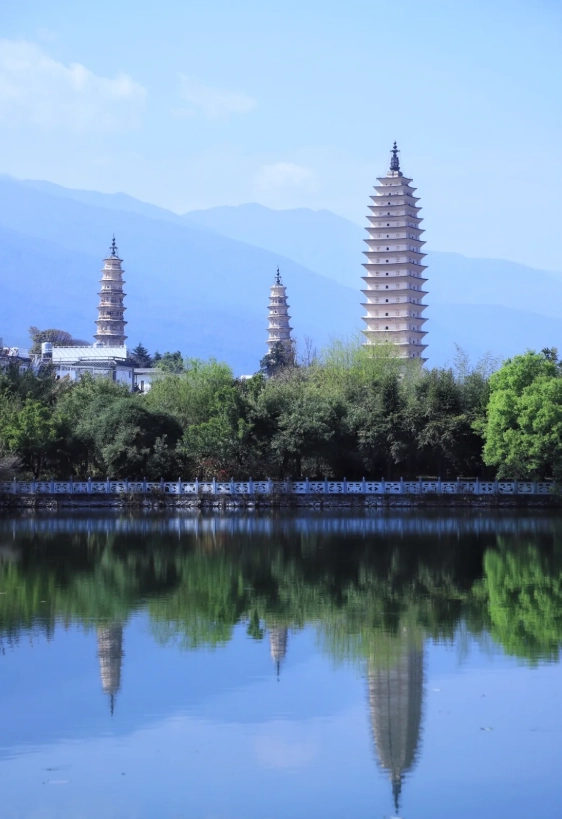
Where to Eat in Dali: Local Favorites I Actually Recommend
Forget the overpriced tourist buffets. These are the places I take my own friends when they visit:
- Immediately Tofu Restaurant (Dali Renjia) — Classic Bai dishes like three-course tea and sour-spicy fish. Address: 212 Fuxing Rd, no English menu, but the staff will point at pictures. Cost: about 50 yuan per person.
- Bayha Farmhouse — This is a local chain with several outlets; the one at Xizhou is the best. Try their clay-pot fish with tangy pickled vegetables. It’s a bit spicy — ask for “Bu la” (not spicy) if you’re sensitive.
- Vanille Cafe — Located in the Ancient City, run by a French expat, and serves the best pastries in Yunnan. Great for a break.
- On the street: Baofu cake (an old-skool Bai rice cake) — Find a vendor in the alleys near the South Gate. It’s comforting, slightly sweet, and perfect for a snack.
One thing to watch: restaurants in the tourist zone close around 9 PM. If you want late-night food, head to the area around the South Gate Shuttle Bus Station, where street stalls stay open till midnight. Always carry cash — some small vendors don’t accept cards or mobile payments yet.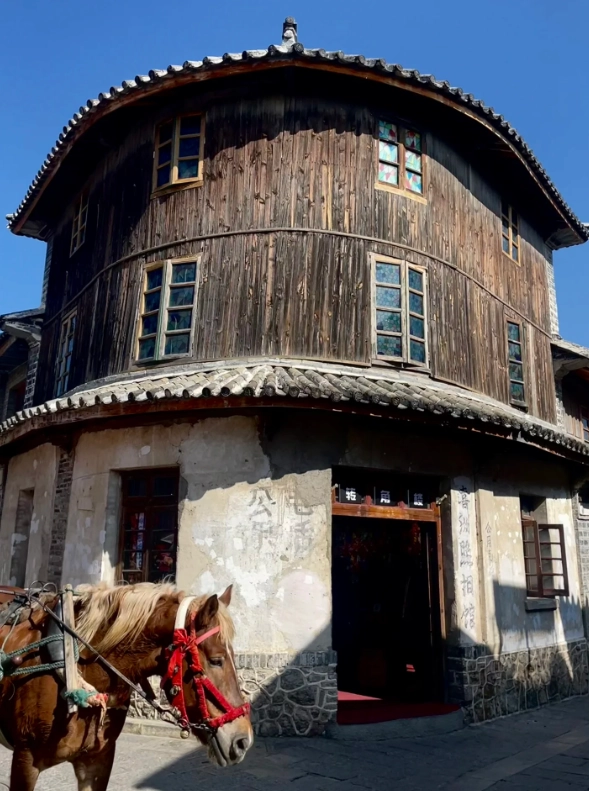
Where to Stay in Dali
Dali’s accommodation scene has exploded, but not all “courtyard hotels” are equal. I remember one client who booked a supposedly romantic courtyard room only to find the walls were paper-thin and the “heritage” bathroom had a broken foot spa.
Here are reliable options by style:
- Heritage guesthouse — Bakeheyu Yard (120-250 CNY) in Xizhou, a traditional Bai courtyard with beautifully carved wooden beams. Run by a local family, they serve a great homemade breakfast.
- Mid-range hotel — Dali One House (400-600 CNY) near the ancient city, with a rooftop terrace overlooking Cangshan Mountain.
- Boutique luxury — Fairytale Inn (800-1200 CNY) on the shore of Erhai, top-floor rooms with big windows and direct lake views. Book months in advance.
No matter where you sleep, remember to check: does the place have WiFi and elevators? Many heritage buildings lack elevators — a nightmare with heavy luggage.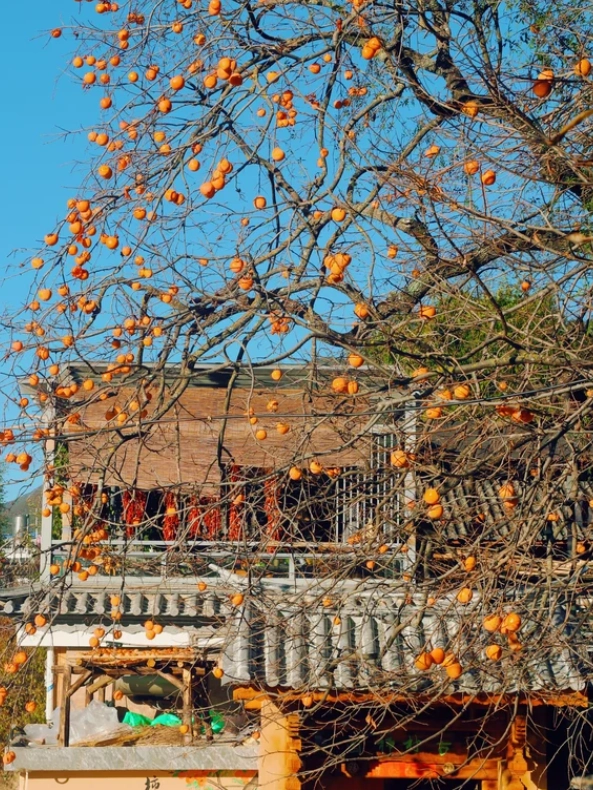
Dali Tourist Attractions FAQ
This content has been carefully researched and fact-checked by local experts to ensure accuracy and update.





No comments yet.