 Bo Wu
Bo Wu
Skip Ahead: What’s Inside
- Best Places to Visit in Beijing: The Shortlist
- How to Visit the Great Wall Without Getting Cheated?
- Forbidden City: Time Your Visit Like a Regular
- Hidden Hutong Gems Most Tourists Miss
- How to Plan a 3-Day Beijing Route That Actually Works
- Ticket Booking and Queues: What You Need to Know
- Where to Eat and Rest Near Top Attractions
- Quick Answers to Your Beijing Travel Questions
I’ve been guiding travelers in Beijing for over seven years. Every week, I see the same thing: people arrive with long checklists, follow the old blog advice, and end up exhausted and a little disappointed. The problem isn’t the city — it’s that most of the “best places to visit in Beijing” lists are made by people who haven’t actually stood in these lines. So I’m writing this from my field notes: a shortlist of what’s genuinely worth your time, plus the exact hacks to save you hours.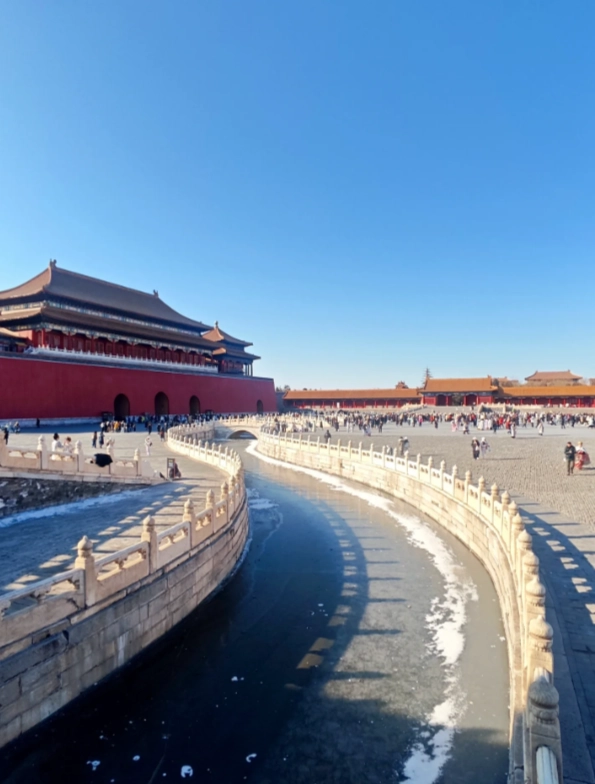
Best Places to Visit in Beijing: The Shortlist (What’s Actually Worth It)
If you’re in Beijing for even three days, these are the places I’d budget my energy for. I’ve ranked them by “wow factor divided by hassle factor.” That’s something no listicle tells you.
| Spot | Why it’s worth it | Best time to go | Ticket note |
|---|---|---|---|
| The Great Wall (Mutianyu) | Iconic views, better preserved, fewer crowds than Badaling | Early morning right at opening | Book online; bring passport |
| Forbidden City | Imperial grandeur, photo hotspots | Late afternoon near closing | Reserve days ahead |
| Summer Palace | Huge royal gardens, lake views | Weekday mornings | Combined ticket available |
| Temple of Heaven | Quiet locals, great for people watching | Morning park stroll | Park entrance is separate |
| Hutongs (e.g., Shichahai area) | Old Beijing life, hidden cafes | Late afternoon to evening | No ticket needed |
The Great Wall – Mutianyu Section
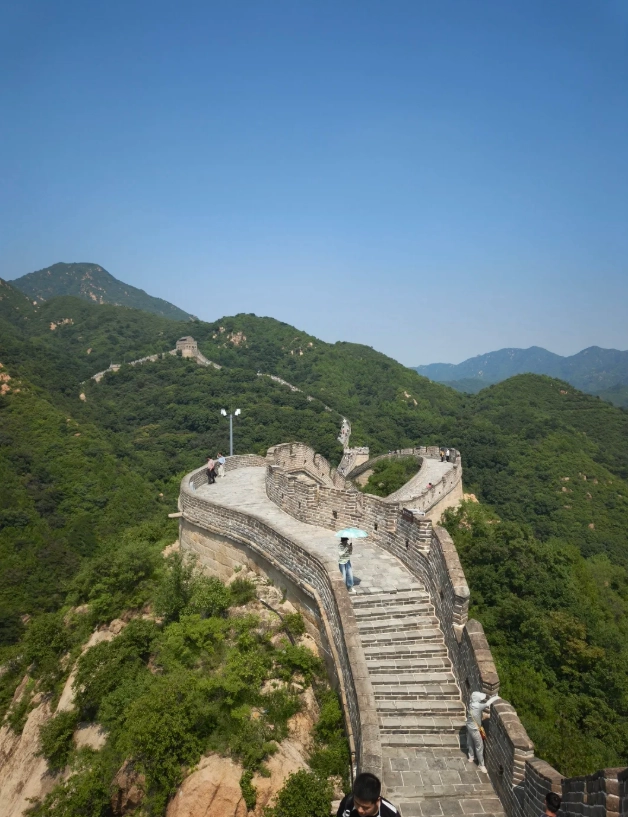
If you only see one section of the Wall, make it Mutianyu, not Badaling. Badaling is the one every postcard shows, but it’s also the one where you’ll spend more time dodging selfie sticks than admiring the architecture. Mutianyu is a 1.5-hour drive from central Beijing, but the trade-off is worth it.
Here’s the catch: many drivers will try to take you to Badaling because they earn a commission. I always tell my clients to firmly say “Mutianyu” and show the Chinese characters: 慕田峪. If you’re using a ride-hailing app like Didi, it’s easy to set the destination correctly. Don’t hop into a black-market taxi near your hotel – they’ll overcharge and often drop you at the wrong gate.
Once you arrive, take the cable car up. It’s a bit steep in price but saves you an hour of sweaty stair climbing. Then walk along the Wall to the right side – that’s where the famous “wild” towers are, and by late afternoon, you’ll have some sections completely to yourself. My pro tip: pack a snack and plenty of water. The food stands at the base are mediocre and overpriced.
Entrance fee is around 45 CNY, but check the latest on the official site or Trip.com. Remember your passport for online booking – they check it at the gate.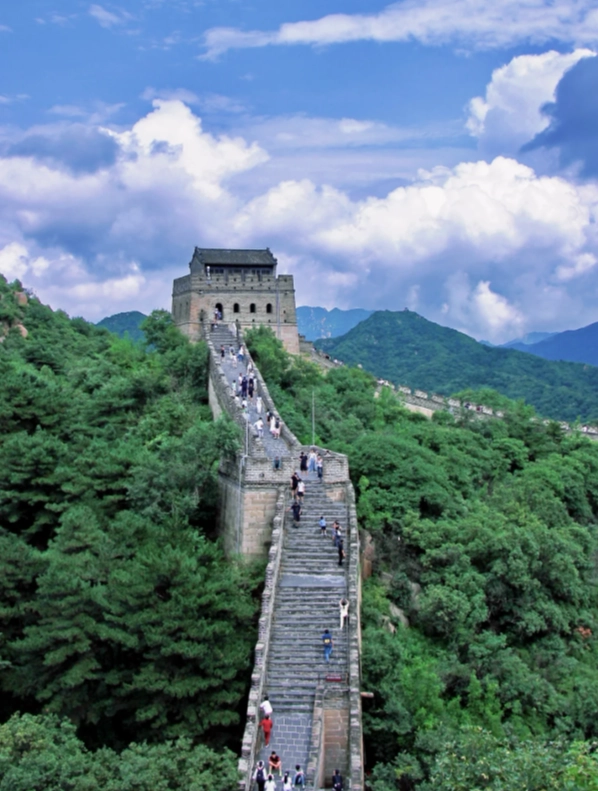
The Forbidden City – Go Late, Not Early
Most visitors rush to the Meridian Gate at 8:30 AM, creating a human wave that ruins the experience. I know this because I’ve guided enough morning groups to see the difference. Instead, book a ticket for the 1:00–2:00 PM slot. The crowds thin out after 3:30 PM, and the golden light on the yellow tiles around 4:00 PM is unspeakably beautiful.
You’ll need to reserve your entry up to 7 days in advance. The official WeChat mini-program is in Chinese and honestly a nightmare to navigate – even I sometimes get lost. For English speakers, I recommend booking through Trip.com or Klook. They handle the passport validation and send you a QR code that you scan at the entrance. Just make sure your passport details match exactly.
One more thing: the palace grounds are huge. Wear comfortable shoes, and use the side exits to avoid the long queue at the main gate. There are also small snack stalls, but they only take mobile payments – so have your Alipay or WeChat Pay set up with your international card before you go.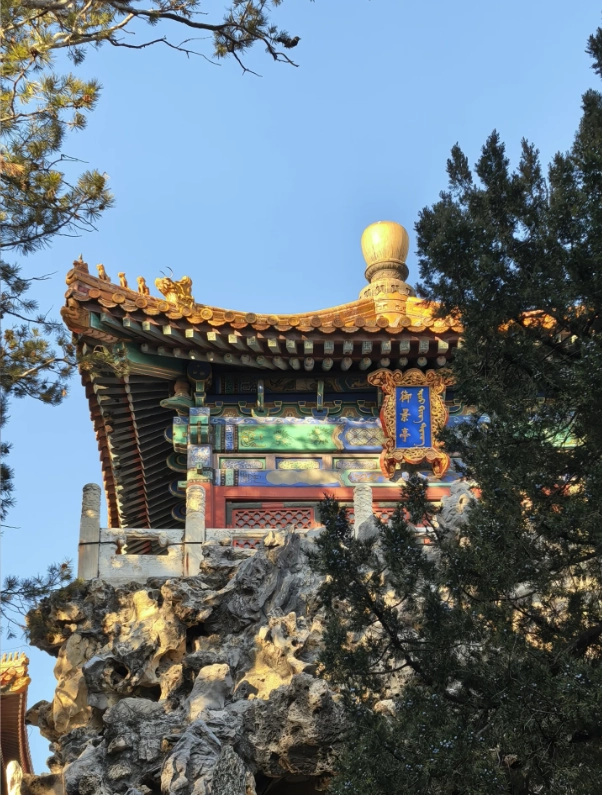
Summer Palace – Escape Earlier Than You Think
The Summer Palace is best visited on a weekday morning, not a weekend afternoon. The park gets flooded with local tour groups in the afternoon. When I take my clients, we always start at the East Palace Gate, walk toward the Long Corridor, then loop around Kunming Lake. It’s about 3 hours if you go at a relaxed pace.
The park has two separate ticket zones: the main park entrance and the combined ticket that includes the buildings. If you’re not interested in climbing the Tower of Buddhist Incense, just get the entrance ticket (around 30 CNY). You can pay cash at the window, but many self-service kiosks only accept Alipay or WeChat Pay. Bring a bit of cash as backup.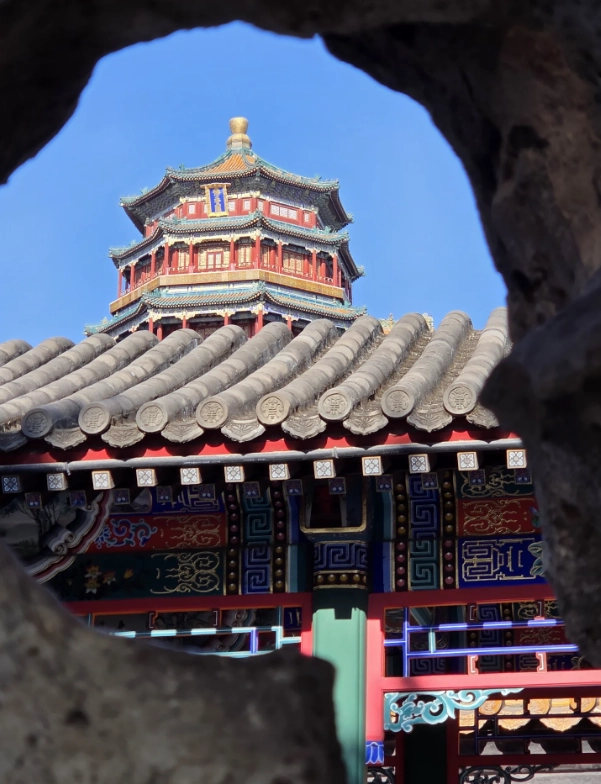
Temple of Heaven – Where Locals Actually Go
This is retirement-square dancing central in the morning. Yes, really. Come before 9 AM and you’ll see elderly Beijingers practicing tai chi, singing opera, and kicking shuttlecocks. It’s one of the best places to feel the city’s pulse for free.
You could buy the “joint ticket” to enter the main halls, but honestly, the outer park is where the magic happens. I’d rather spend 40 minutes wandering the park and then peek at the Hall of Prayer through the gates. The iconic circular mound is impressive, but for me, the real highlight is sitting on a bench and watching life unfold.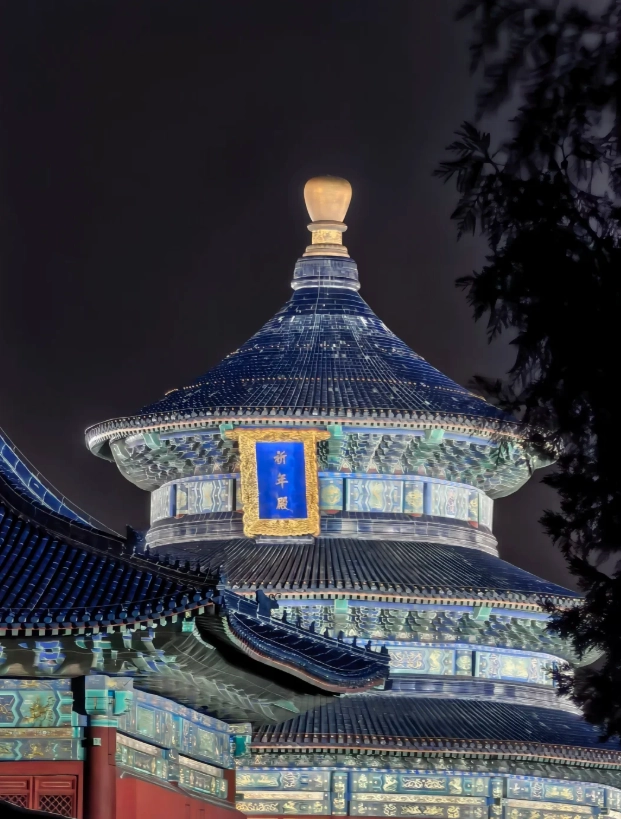
Hutongs – Don’t Leave Without Getting Lost
The historic hutong alleys are my favorite answer to “best places to visit in Beijing.” But not the overly touristic Nanluoguxiang – I mean the less-polished Shichahai area and beyond. Start at Beihai Park’s North Gate, then wander northwest into the alleys around Qianhai Lake. You’ll find tiny courtyard homes, old men playing chess, and maybe a hidden specialty coffee shop.
One warning: many “hutong tours” are actually just rickshaw rides that take you to overpriced souvenir shops. Skip those. Instead, use your phone’s map and set a simple goal – find a hutong with a view of the Drum Tower. Getting lost is the whole point, but make sure your phone has a map that works in China. Google Maps is not accurate here – use Apple Maps or download Amap Global before your trip.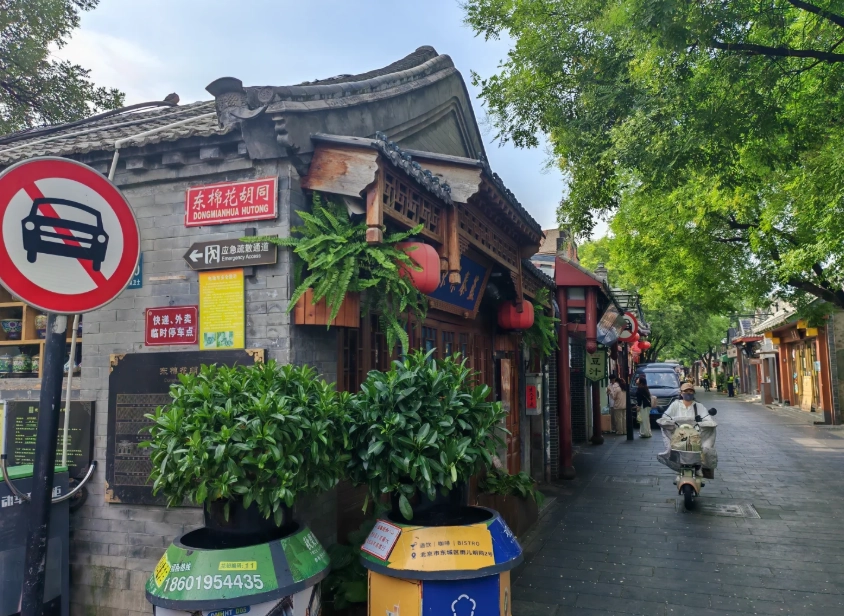
How to Visit the Great Wall Without Getting Cheated?
Scams around the Great Wall are more common than you’d think, especially at Badaling. Here’s how I keep my people safe:
- Book transport through a reputable app. Use Didi or book a private tour through your hotel or a trusted site like Trip.com. Avoid taxi drivers who approach you on the street – they’ll quote a low price, then demand extra for “waiting time.”
- Check your ticket includes the right section. Some touts sell tickets for Badaling but tell you it’s Mutianyu. Always verify the Chinese name.
- Get a receipt for everything. The cable car ticket, entrance ticket, even your snack – if it sounds too expensive, it probably is.
The official Mutianyu ticket price is around 45 CNY, but the cable car is separate at 100 CNY round trip (approx). These can float slightly depending on the season. I always recommend buying a combination ticket if you plan to use the cable car – it saves a bit and avoids a second queue.
Forbidden City: Time Your Visit Like a Regular
The Forbidden City is the most crowded place in Beijing on weekends. If you can, visit on a Tuesday, Wednesday, or Thursday. The palace is closed on Mondays (except national holidays), so never plan a Monday visit.
Your best move: book the afternoon time slot (12:00–14:00). By the time you get through the entrance, many’s morning visitors are leaving. You’ll have the galleries open until 17:00 (16:00 in winter), which is plenty of time. I’ve done this dozens of times and it feels like a completely different palace.
Also, pack a light sandwich – the food inside is bland and overpriced. But if you get hungry, there’s a McDonald’s-style snack bar near the rest area. It accepts mobile payments only.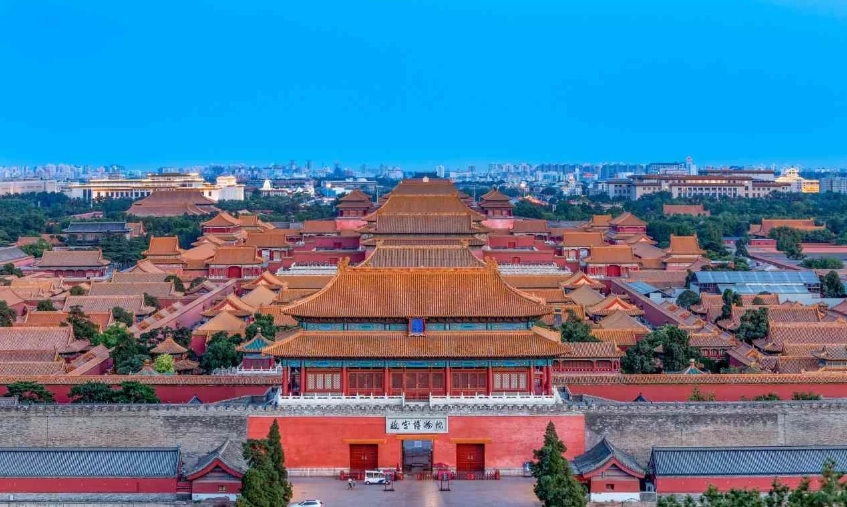
Hidden Hutong Gems Most Tourists Miss
There’s a hutong near the Drum Tower that’s my secret vibe spot. Leave the main tourist drag at 30 meters to the left, and you’ll find a café called “Coffee at the Old Courtyard” (not a real name, but look for any courtyard with bikes parked outside). I can’t promise the exact café will still be there, but the sense of discovery is guaranteed.
To see authentic hutong life, head to the area around Shichahai’s Silver Ingot Bridge. Climb the free observation deck at the Drum Tower (20 CNY) for a bird’s-eye view of the grey rooftops. Do this at sunset – the light is gorgeous, and the stair climbing warms you up on cold days.
How to Plan a 3-Day Beijing Route That Actually Works
Most 3-day Beijing itineraries are jam-packed and physically unrealistic. Here’s the route I use for clients who want to see the highlights without dying of foot pain.
Day 1 – The Imperial East
- Morning: Temple of Heaven (park only) – 2 hours. Arrive at 8am before the crowds.
- Late morning: Take a Didi to the Forbidden City’s east gate (about 30 minutes). Book your 12:00 slot.
- Afternoon: Explore the Forbidden City for 3 hours. Exit north, then climb Jingshan Park’s hill for the classic overview.
- Evening: Wander through the hutongs near Shichahai. Eat dinner at a local restaurant around the lake (try fried dumplings).
Day 2 – The Great Wall + Summer Palace
- Morning: Leave at 7am for Mutianyu. Arrive by 8:30, take the cable car up, walk for 2 hours.
- Lunch: Back down and grab a bite at the base.
- Afternoon: Drive to the Summer Palace (approx 1 hour). Spend 3 hours walking the eastern loop.
- Evening: Return to city for a Peking duck dinner at a place like Quanjude or Siji Minfu (book ahead).
Day 3 – Culture and Shopping
- Morning: Visit the 798 Art District (free entrance) – explore galleries for 2-3 hours.
- Lunch: Try a noodle shop nearby (use your map to find one with a good rating).
- Afternoon: Head to the Silk Market or Wangfujing for souvenir shopping. Remember to bargain.
- Evening: Catch a kung fu show at the Red Theatre if you have energy.
This plan uses your time efficiently. If it rains, swap Day 3’s 798 for a visit to the Capital Museum (indoor, free with reservation).
Ticket Booking and Queues: What You Need to Know Before Visiting Beijing Sites
Almost every major Beijing attraction now requires timed-entry reservations. This was implemented after the pandemic, and it’s here to stay. You must bring your physical passport to verify your identity – a photo won’t work.
The most foreigner-friendly booking platforms are Trip.com and Klook. They usually add a small service fee, but they save you from wrestling with WeChat mini-programs in Chinese. If you don’t want to pay the fee, you can try the official “palace tickets” WeChat mini-program, but it’s utterly confusing. I always tell my guests: if a scammy-looking website asks for your card details, don’t trust it – use the big, well-known names.
Payment inside the attractions is almost 100% cashless. Alipay and WeChat Pay work with most international cards these days, but you need to set them up before your trip. Cash is accepted in some park ticket booths, but you’ll struggle in restaurants and shops. So link your card now. For those without a Chinese phone number, use a foreign-phone-friendly version of Alipay; it should work with a passport verification.
Where to Eat and Rest Near Top Attractions
One of the biggest mistakes travelers make is not planning meals around the sights. You’ll waste two hours hunting for food in areas that only have overpriced tourist traps. Here’s what I do:
| Area | Recommended Digs | Signature Dish |
|---|---|---|
| Near Forbidden City | Wangjing restaurant just east of the moat | Zha Jiang Mian (noodles with soybean paste) |
| Near Summer Palace | Haidian district small eateries | Peking duck (but splurge in city) |
| Near Mutianyu | Village home-style restaurants near the base | Farm stir-fried eggs with tomatoes |
| Near Shichahai | Hutong courtyard restaurants | Stir-fried eggplant |
Restaurants at tourist sites often have picture menus, making it easy to point. But don’t assume they have English menus – ask by saying “English menu?” or “Ingwen caidan?” Most will only accept mobile payments. If you’re worried about spice, remember that Sichuan food is spicy, but Beijing cuisine tends to be savory and milder.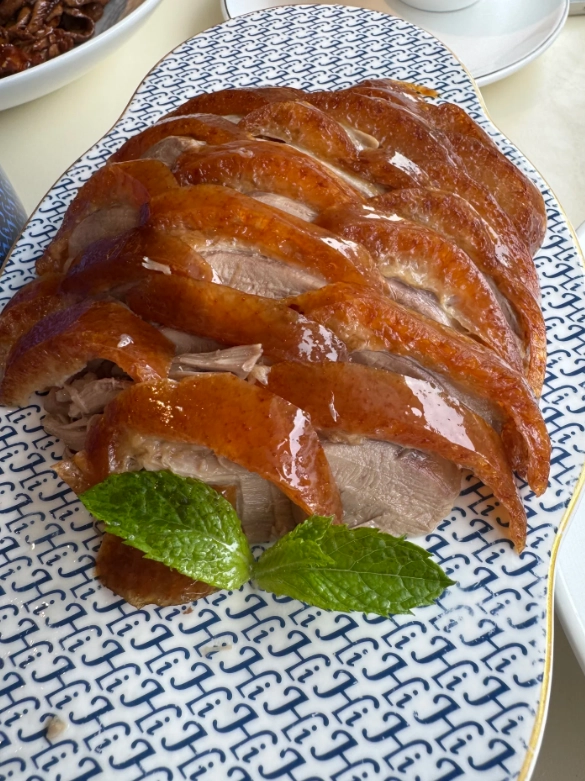
Quick Answers to Your Burning Beijing Travel Questions
Verified and fact-checked by the editorial team.






No comments yet.