 Yan Zhou
Let's cut to the chase — Suzhou is gorgeous, and you're going to fall hard for it. You're looking for the must see in Suzhou list, but most blogs just throw garden names at you. Here's the catch: the city's top sights are spread out, and the booking apps are still a headache for foreigners. I once stood at the Humble Administrator's Garden ticket gate for twenty minutes, fumbling with a Chinese-only WeChat mini-program, while my group hid in the shade.
So I'm giving you the real must-see-in-Suzhou route — the ten places I actually take guests, plus the exact moves to skip the chaos. Start with the gardens, then let the canals pull you in. By the end, you'll know exactly where to go, when to go, and how to pay for it.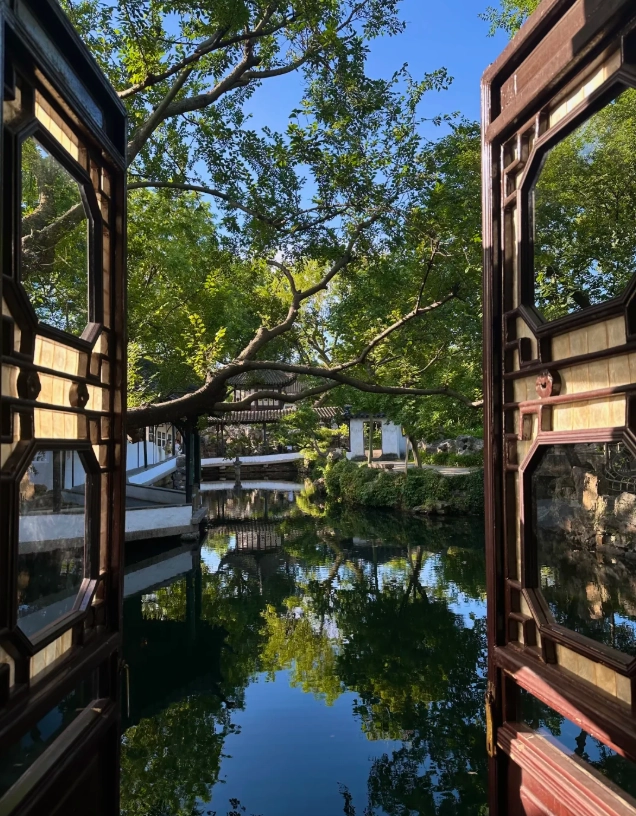
Must See in Suzhou: The Big Three Gardens
The classical gardens are the reason most people come here. These three are the ones I take every first-time client to. If you're short on time, do the first one and the last one.
Humble Administrator's Garden (Zhuozheng Yuan)
This is the largest and most famous garden in Suzhou — and at peak hours it feels like it. The whole place is a maze of pools, rockeries and pavilions. It's beautiful, but you'll see it at its best if you arrive right when the gates open at 7:30am. I've brought groups for years, and the difference is night and day.
Here's the info you actually need: Address: 178 Dongbei Street, Gusu District. Opening hours: 7:30–17:30 daily, with last entrance around 17:00. Adult tickets cost around 80 RMB, with discounts for kids under 1.4m, students, and seniors over 60. You must reserve in advance with your passport — the official WeChat mini-program and Trip.com both work. Show the QR code at the south gate.
Booking through Trip.com is far easier for foreigners. The main gate can get messy, but online tickets keep you out of the ticket-purchase line. From the street, it's a 10-minute walk from Beisita Metro Station (Line 4, Exit 1). I always tell my clients to go the moment it opens — the light hits the lotus flowers in the central pond right after dawn.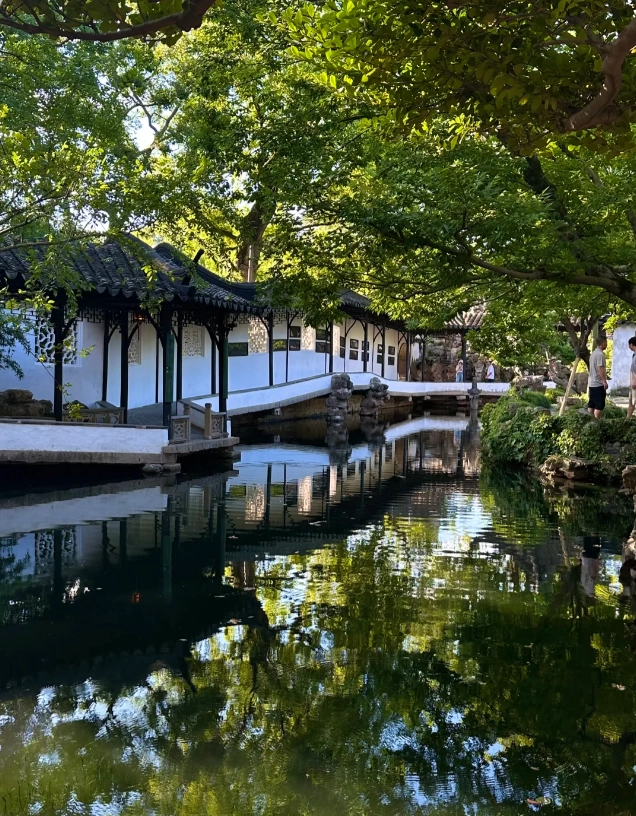
Pro Tip: The sweet spot is the first 30 minutes after the gates open or the last 60 minutes before close. The light hits the white walls perfectly, and the tour groups are gone.
Lingering Garden (Liu Yuan)
This is my personal favorite — smaller and calmer than the Humble Administrator's Garden. The rockeries and the 'famous cloud' boulder are worth the trip. Address: 338 Liuyuan Road. Tickets are around 55 RMB. Opening hours: 7:30–17:00.
It sits a little west of the old city, so take a taxi from the main tourist zone; it's a 15-minute ride. Fewer tour groups arrive after 3pm, and the light bounces nicely off the white walls. If you want to see the garden as a calm composition, this is the one.
Master of the Nets Garden (Wangshi Yuan)
Tiny but perfect, and the only garden that runs a night tour. Address: 11 Guojia Touxiang, Shiquan Street. Daytime tickets are around 40 RMB, and the evening performance night tour is around 100 RMB when it's running. The night tour usually runs from March to November — check the current calendar on Trip.com.
The night show is a string of performances inside the garden gates: opera, dance and classical music. It feels like stepping into a Qing-dynasty party. During the day, it's another escape from traffic. I'd pick this over Tiger Hill if you're a photographer.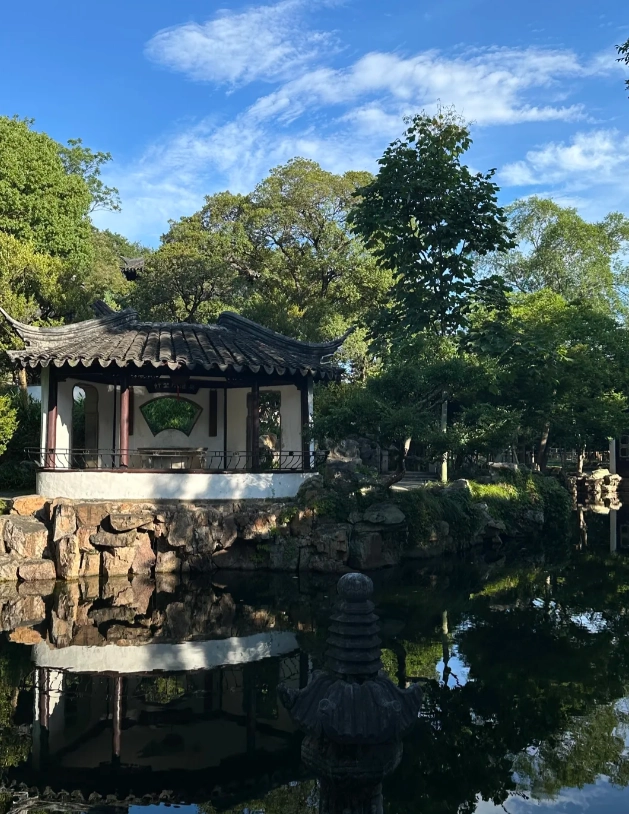
Must See in Suzhou: Canals, Museums & Temples
Beyond the gardens, Suzhou lives near water. These spots may not have the same fame, but they're where you'll feel the old city's pulse.
Suzhou Museum
This shouldn't be missed — it's an I.M. Pei masterpiece. Address: 204 Dongbei Street, right next to the Humble Administrator's Garden. Admission is free, but only a limited number of visitors get in each day. You must reserve with your passport. Suzhou Museum is closed on Mondays, and daytime slots run from 9:00am to 5:00pm, with last entry around 4:00pm.
Book it on Trip.com or the official WeChat a couple of days ahead, or you'll be turned away. The building itself is a modern take on the classical garden — the white walls, the grey edges, the ponds. Skip the rush through the galleries and sit in the courtyard for a few minutes.
Pingjiang Road
The most pleasant walking street I know in China. Address: Pingjiang Road, Gusu District. Free and open all day. The canal runs alongside the cobblestones, and the old shop houses have been turned into teahouses, cafes and little galleries.
Go at 8am to see it calm, or at 10pm to see the lanterns. Most tourists come in the afternoon, so avoid that slot if you hate sticky crowds. It's perfect after the Suzhou Museum — the two are practically neighbours.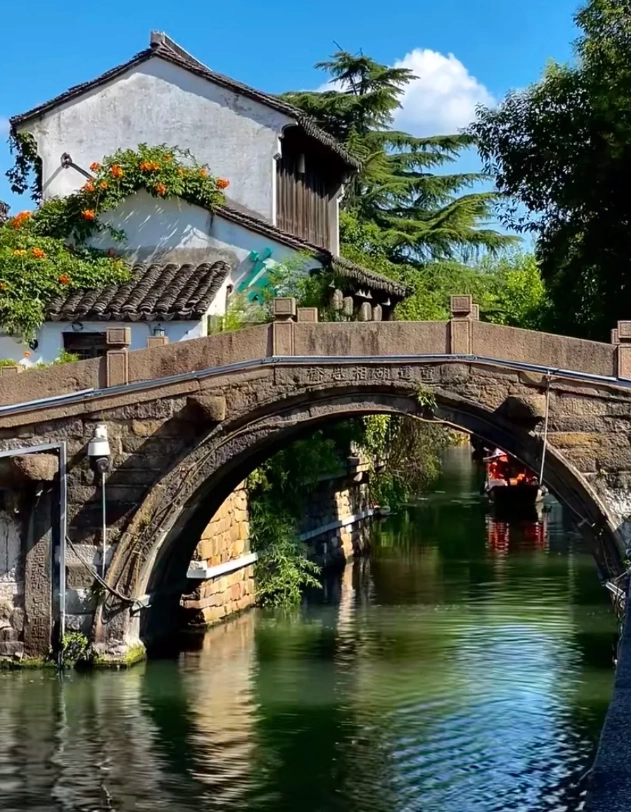
Tiger Hill (Huqiu)
You can't leave without seeing the leaning pagoda of Tiger Hill. Address: 8 Huqiu Road. Tickets around 80 RMB. Opening hours: 7:30–17:30. The hill is essentially a large park, so leave at least two hours. It's a bit outside the old city, so take a taxi from the old town — about 15–20 minutes.
The pagoda has been tilting for a thousand years, and they've stopped repairs to steady it. It makes for a strange, brilliant photo. Climb the hill a little and you'll find sword pool and a whole lot of quiet.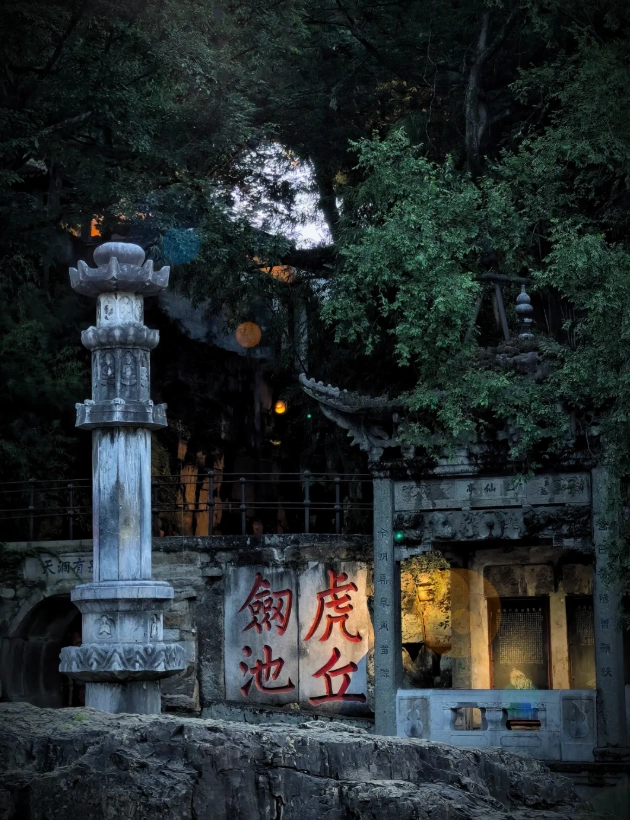
Shantang Street
This is Pingjiang's louder, busier sister. Address: 59-1 Shantang Street. Free, open all day. More souvenir shops, more crowds. Walk to the western end of the street to lose the people and find some quiet canal bridges.
If you only have time for one canal street, pick Pingjiang Road. Shantang is better in the late evening, when the red lanterns reflect on the water. The old opera pavilion sometimes runs shows.
Hanshan Temple
Made famous by a Tang poem, and it still rings the bell every midnight. Address: 24 Hanshan Temple Alley. Tickets around 20 RMB. Opening hours: 7:30–16:30. A visit takes 45 minutes, and the bell tower is the highlight.
If you're staying through New Year, the midnight bell ceremony is the kind of thing people book months in advance. Otherwise, pop in for a quiet walk and a look at the old stone inscriptions.
Canglang Pavilion (Canglangting)
The oldest existing garden in Suzhou, often overlooked. Address: 3 Canglangting Road. Tickets around 20 RMB. It's a lovely 40-minute escape from the tour groups. The dragon wall and ponds feel less fussy and more human. I sometimes bring couples who want a quiet spot to take photos.
It's not as 'painted' as the bigger gardens, and that's exactly why I like it.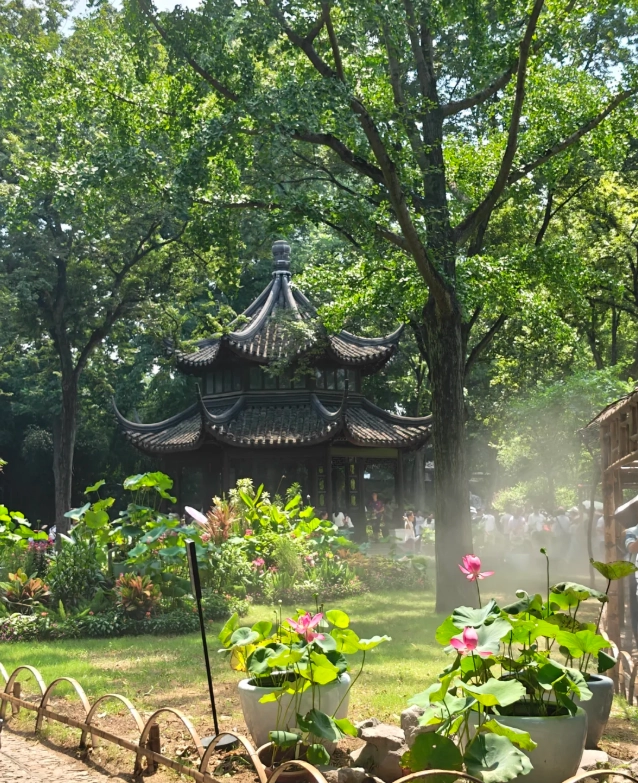
Jinji Lake
For a total contrast, head to the lake in Suzhou Industrial Park. Address: Jinji Lake, east of the old city. Free. Take a taxi from the old city (about 30 minutes) or Metro Line 1 to Times Square station and walk to the shoreline.
You'll get a clean modern skyline, a huge Ferris wheel and, in the evening, a music fountain show. It's a nice break if you're tired of old bricks and want to see the city that's building the future.
How to Spend 24 Hours in Suzhou (Must-See Route)
If you only have one day, don't panic. Here's a route I've perfected with clients. It works because it goes with the natural flow of the city and avoids the tour-bus timetables.
| Time | Stop | Insider Notes |
|---|---|---|
| 8:00–10:00 | Humble Administrator's Garden | Arrive before tour groups. Book your ticket the day before. |
| 10:15–11:30 | Suzhou Museum | 5 minutes away. Free but reserve in advance. Closed Monday. |
| 11:30–13:00 | Lunch in Pingjiang Road | Try Suzhou noodles, sweet style. |
| 13:00–15:00 | Lingering Garden | 15 minutes by taxi. Quieter afternoon. |
| 15:00–17:00 | Tiger Hill | 20 minutes taxi. Wear comfortable shoes. |
| 17:30–19:00 | Dinner near Shantang Street | Sample eel noodles and soup dumplings. |
| 19:00–21:00 | Shantang Street | Night lights and canal reflections. |
If it's a Monday, swap the museum for Canglang Pavilion. If it's raining, use the afternoon to visit the Suzhou Museum but book the morning slot. The old town is compact, so the whole route is manageable with taxis and a two-year-old pair of shoes.
Practical Know-How for Visiting Suzhou
Payments: Alipay or WeChat Only
Foreign visitors generally rely on Alipay or WeChat Pay. Many small old-town stalls don't take cash, and even the big gardens may not have a card terminal at every window. Link your international card to Alipay before you arrive. Carry a small amount of cash as backup, but don't expect a 100 yuan note to be accepted without a fuss.
Navigation: Google Maps Won't Help
Google Maps is not accurate in China. You'll want Apple Maps, or better, AMap Global. The old town has plenty of taxis, but drivers know street names, not English translations. Always show the Chinese address. Save it as a text note on your phone.
Insider Advice: Don't trust the first taxi driver that waves at you outside the train station. Use DiDi and let the app show the fare. The trip from the station to the old town costs around 15 to 25 RMB.
Tickets and Passport
Most attractions require booking with your passport. The easiest route is Trip.com or Klook — both have English interfaces and accept international cards. If you want to use WeChat mini-programs, get a hotel staff member to help you set it up once; it's a pain but works. Keep your passport in hand, because many gates check the name on the ticket.
VPN and Translation
Have a VPN installed on your phone before you touch down. Some apps that you need in China (WhatsApp, Instagram, Facebook) will not load without one. For menus and signs, Apple Translate and Baidu Translate both work offline. I usually pre-download the Mandarin pack.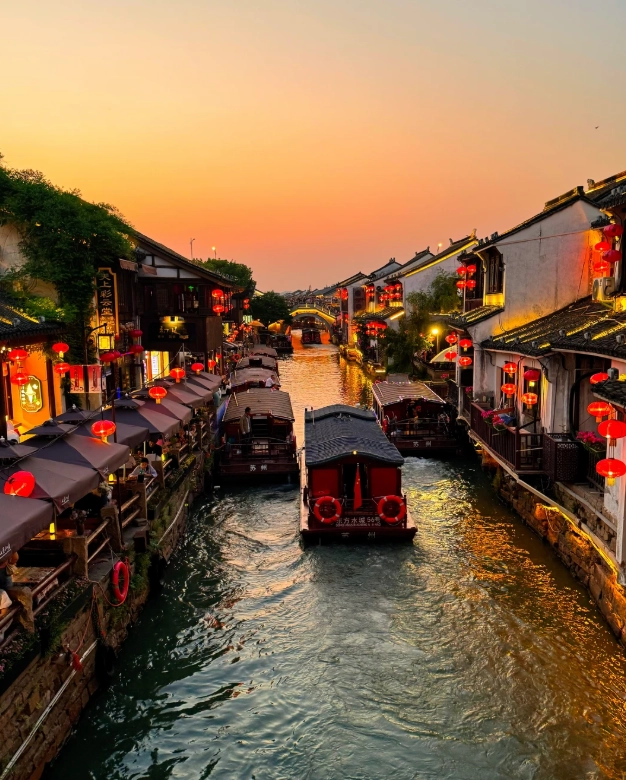
FAQ: Must See in Suzhou — Your Biggest Questions
Suzhou rewards travelers who slow down. The must see in Suzhou list is just the beginning. Sit in a garden after 4pm, order a pot of biluochun tea, and watch the light change. That's the piece most tour groups miss.





No comments yet.