 Chen Liu
Quick Navigation — Skip to What You Need
I've lost count of how many tourists have asked me: "Zhangjiajie vs Guilin, which is better?" The short answer? It depends entirely on what you want. But I'll give you the long answer too — with concrete details that'll save you hours of research.
Here's the catch: most online guides treat them as interchangeable, but they're radically different. Zhangjiajie is a vertical fantasy of sandstone pillars; Guilin is a horizontal dream of meandering rivers and karst hills. I've taken hundreds of clients to both, and the biggest mistake is picking based on Instagram photos alone.
Let me break it down — starting with the big picture.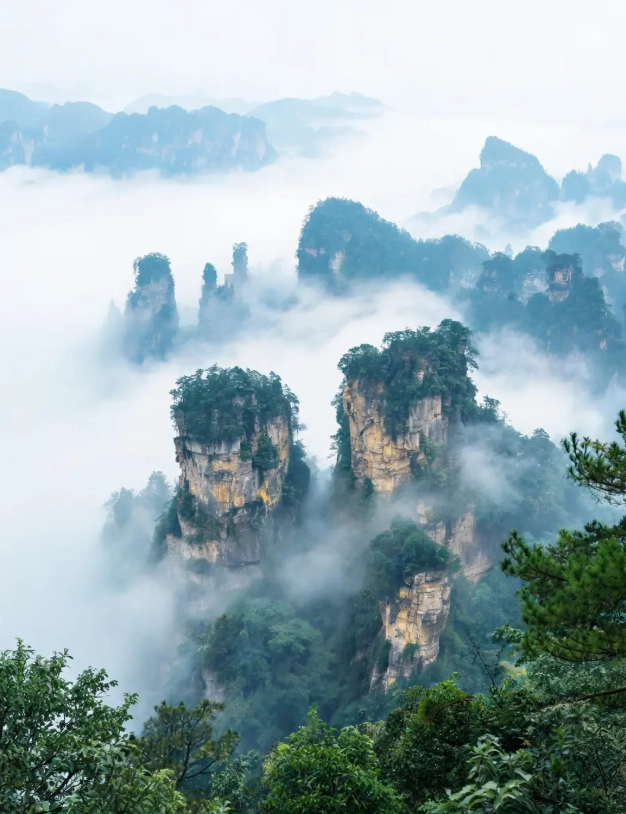
Overview: Two Completely Different Worlds
Zhangjiajie (Hunan Province) is dominated by towering quartz-sandstone pillars, many over 200 meters tall. It's what inspired the floating mountains in Avatar. Think narrow paths clinging to cliffs, glass-bottomed bridges, and misty peaks. The vibe is adventurous and dramatic.
Guilin (Guangxi Province) is all about the Li River and its surrounding karst peaks (those iconic cone-shaped hills). The scenery is spread out — you cruise the river, cycle through rice paddies, and explore caves. The vibe is relaxed and dreamy.
Here's a quick comparison table to give you the essentials: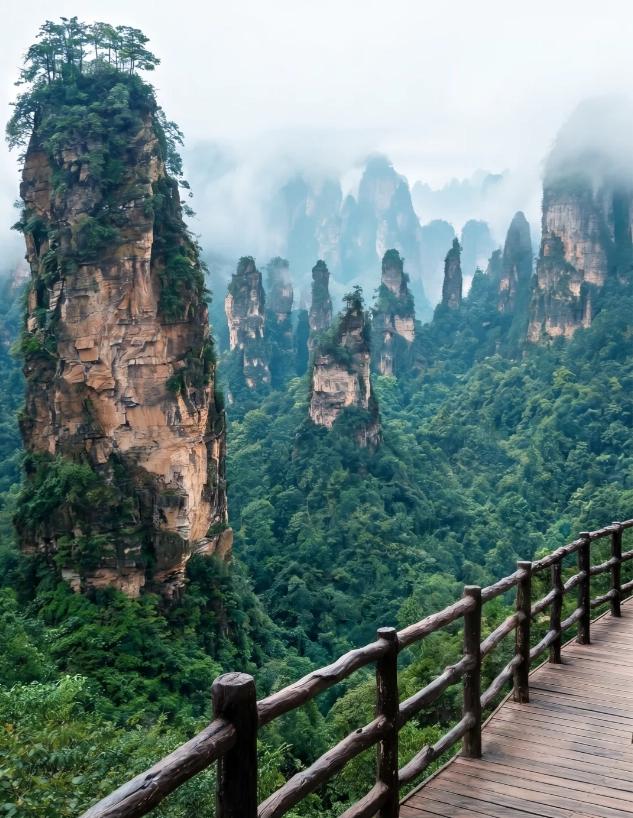
| Factor | Zhangjiajie | Guilin (including Yangshuo) |
|---|---|---|
| Signature Landscape | Sandstone pillars (vertical) | Karst hills + Li River (horizontal) |
| Best Season | April–June, September–October | March–May, September–November |
| Typical Trip Length | 3–4 days | 4–5 days |
| Main Activities | Hiking, cable cars, glass bridge, mountain views | River cruise, cycling, caving, bamboo rafting |
| Difficulty for Foreigners | Moderate (lots of stairs) | Easy (flat cycling paths) |
| Price Level (per day) | ~$60–$100 (incl. entrance fees) | ~$40–$80 (incl. transport) |
Which Has Better Scenery?
Beauty is subjective, but I'll give you the honest verdict: if you want jaw-dropping, otherworldly views that make you feel tiny, Zhangjiajie wins. If you want serene, postcard-perfect landscapes that you can soak in without rushing, Guilin wins.
Zhangjiajie: Avatar Mountains and Vertical Cliffs
The crown jewel is Zhangjiajie National Forest Park (张家界国家森林公园). Entrance is around 225 RMB (adult) and you must book in advance with your passport — use Trip.com or Klook for an English-friendly process. Don't expect to buy at the gate; reservations are strict.
The park is huge — you need at least 2 days. Key spots: Yuanjiajie (the famous "Avatar Hallelujah Mountain"), Tianzi Mountain (panoramic views), and the Bailong Elevator (a glass elevator built into a cliff — yes, it's terrifying). Pro tip: arrive at the southern gate before 7:30 AM to skip the 2-hour queue that forms by 9 AM. I always tell my clients to stay inside the park at the one hotel (yes, there's a basic hotel near Tianzi Mountain) to catch sunrise.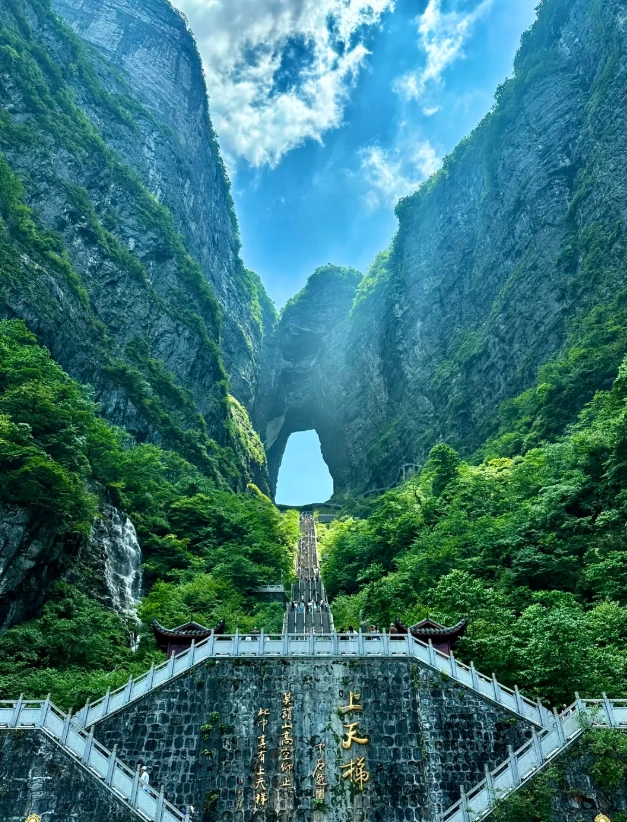
Another must: Zhangjiajie Grand Canyon's glass bridge — it's 430 meters long and suspended 300 meters up. Cost is about 130 RMB extra. Bring a wide-angle lens; the selfie game is real.
Payment and navigation: The park accepts Alipay and WeChat Pay, but cash works for small vendors. Google Maps is useless inside the park — download Apple Maps or use AMap (高德地图) which has English mode. I always screenshot the routes because signal drops in the valleys.
Guilin: Karst Peaks and Li River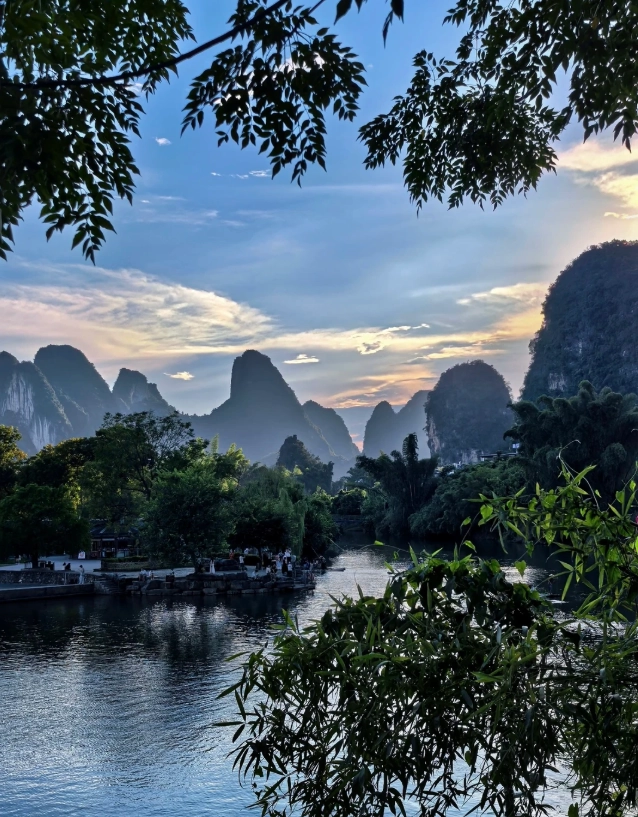
Guilin's iconic experience is the Li River cruise from Guilin to Yangshuo. The 4-hour journey passes through the famous peaks you've seen on Chinese banknotes. Book through Trip.com (around 350–450 RMB) — don't trust random touts at the pier. The boat departs at 9 AM, and you'll arrive in Yangshuo around 2 PM.
In Yangshuo, rent an electric scooter (about 50 RMB per day) and ride through the countryside to Moon Hill. Pay in cash or WeChat — the scooter rental usually wants a deposit. Also consider the Yulong River bamboo rafting (a quieter version of the Li River, manually poled). That costs about 150 RMB per raft.
Insider's warning: The Li River cruise is beautiful, but the afternoon sunlight casts harsh shadows — I always recommend the 9 AM departure for softer light. Also, bring snacks; the boat food is overpriced and mediocre.
Payment and navigation: Similar to Zhangjiajie — Alipay/WeChat rule. Apple Maps works well in Guilin city and Yangshuo. For bike routes, I use 百度地图 (Baidu Maps) in Chinese with a translation app like Baidu Translate — it's more accurate for rural paths.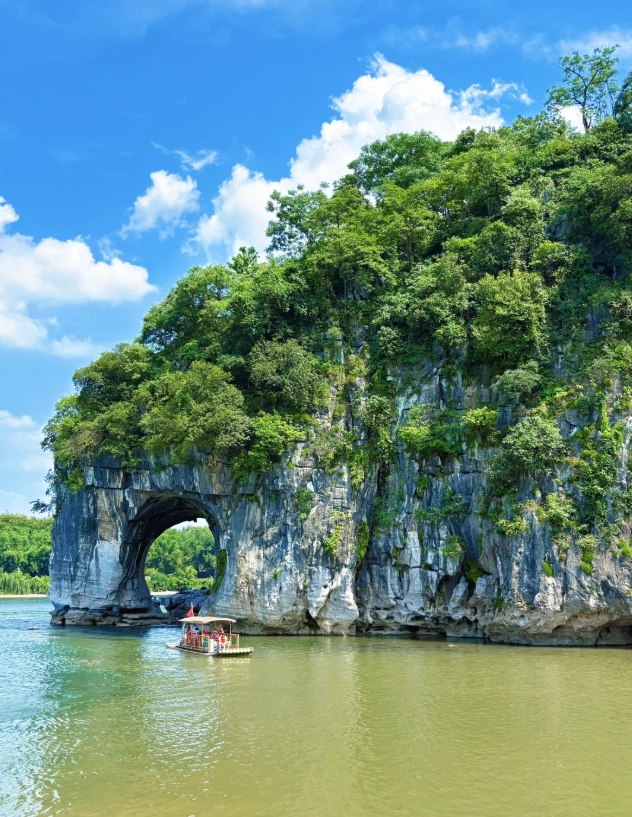
Practical Considerations: Time, Money, and Ease
Time: Zhangjiajie needs at least 3 full days (2 in the forest park, 1 for Tianmen Mountain). Guilin needs 4–5 days (1 day Li River cruise, 2 days Yangshuo, 1 day Elephant Trunk Hill and Reed Flute Cave). If you have only 3 days total, I'd pick Zhangjiajie — it's more compact and you'll feel you've seen the signature scenery.
Money: Zhangjiajie is slightly more expensive due to high entrance fees and cable cars. Budget around $70–$100 per day. Guilin is cheaper — you can get by on $40–$60 if you eat local and cycle.
Ease for Foreigners: Guilin is more tourist-friendly. Many locals in Yangshuo speak basic English, signs are often bilingual, and it's easier to find international food. Zhangjiajie is more challenging — fewer English speakers, more complicated reservation systems, and physically demanding treks.
Pro Tip: If you're nervous about navigating China's digital ecosystem, ask your hotel reception to help you book tickets via their WeChat mini-program. They're used to it — just show them your passport and a smile.
Getting there: Both have airports and high-speed rail connections. From Shanghai, fly to Zhangjiajie (2h) or take the train via Changsha (5h total). To Guilin, direct flights from most major cities; high-speed rail from Guangzhou is only 2.5 hours. I recommend booking train tickets on 12306.cn (Chinese only, but Trip.com now sells China rail too).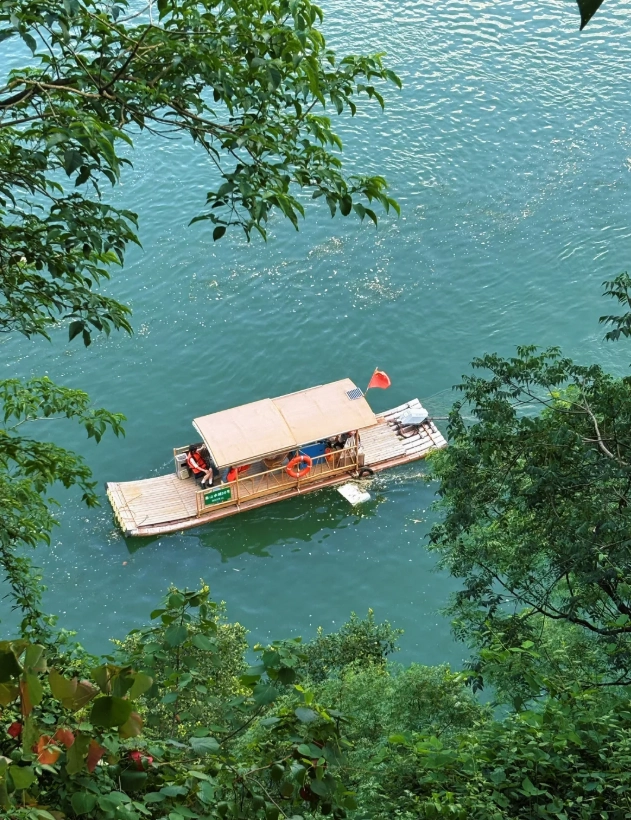
Which Is Better for Different Travelers?
Hikers and adventurers: Zhangjiajie all the way. The Bailong Elevator, the Heavenly Ladder, and the Glass Bridge will get your adrenaline pumping. But expect lots of stairs — I've had clients with knee problems who struggled.
Photographers: Both are incredible, but for sunrise/mist shots, Zhangjiajie is hard to beat. The fog rolling between pillars is pure magic. For flat-lay landscape compositions, Guilin offers endless reflections in rice paddies.
Families with kids: Guilin is easier — flat terrain, bike rentals, and the kids love bamboo rafting. In Zhangjiajie, the steep drops and long queues can be stressful with small children.
Solo backpackers: Both are doable, but I slightly favor Guilin for its hostel scene and ease of meeting other travelers. Zhangjiajie's park is so vast you'll feel isolated at times.
How to Choose: A Simple Decision Tree
- If you have 3 days or less → Zhangjiajie. You can hit the highlights in 2 days and add Tianmen Mountain on day 3.
- If you want a relaxing trip → Guilin. Rent a bike, cruise the river, sip tea by the karsts.
- If you're on a tight budget → Guilin. Cheaper daily costs and more free activities.
- If you've seen too many travel videos of Chinese mountains → Zhangjiajie is still unique; nothing else looks like it.
- If you dislike crowds → Visit Zhangjiajie on weekdays in low season (March or November). Guilin is always busy, but you can find quiet corners in Yangshuo countryside.
Insider Tips to Avoid Crowds & Save Money
At Zhangjiajie: The southern gate is nightmare during 10 AM–2 PM. Instead, enter through the west gate (Zimen), which is used by locals. You'll need a taxi (about 30 RMB from the bus station) but you'll skip 80% of the crowds. Also, bring your own food — the park restaurants charge triple.
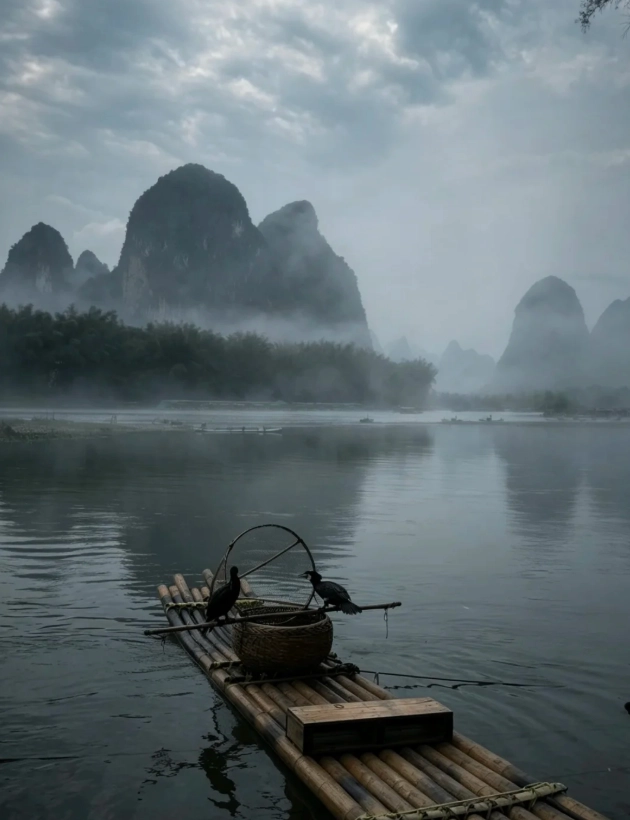
At Guilin: The Li River cruise is a set itinerary, but you can also take a bamboo raft on the Yulong River for a more personal experience. Book it through your hotel or a local travel agent — avoid the guys at the dock shouting prices.
General cash rule: Carry at least 500 RMB in small bills for taxis, street food, and entrance to remote spots. Not everyone accepts card or scan.
VPN is essential: Google Maps, Instagram, and WhatsApp are blocked in China. Install a reliable VPN (like Astrill or ExpressVPN) before you arrive. Also download Baidu Translate for offline use — you'll need it for menus and signs.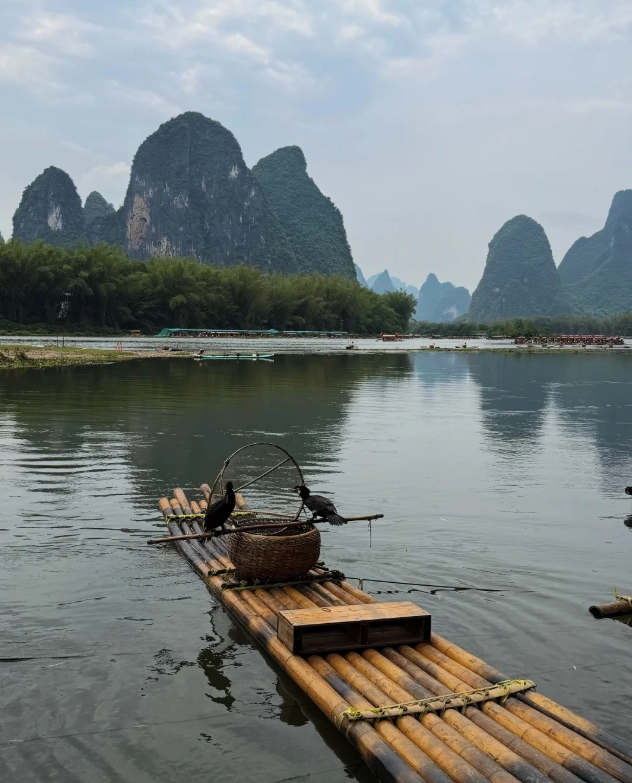





No comments yet.