 Fang Wang
Quick guide – what you'll find below
I've guided dozens of groups through Nanputuo Temple over the past six years. And honestly? The biggest mistake tourists make is showing up at the wrong time. Not just the wrong season – even the wrong hour can turn a serene Buddhist sanctuary into a sweaty, shoulder‑to‑shoulder mess.
Here is the catch: most online guides just say "spring and autumn are best." That's true, but it's not enough. You need to know which weeks, which days of the week, and which exact hours to walk in. I'll give you the exact timing that I use for my own private clients.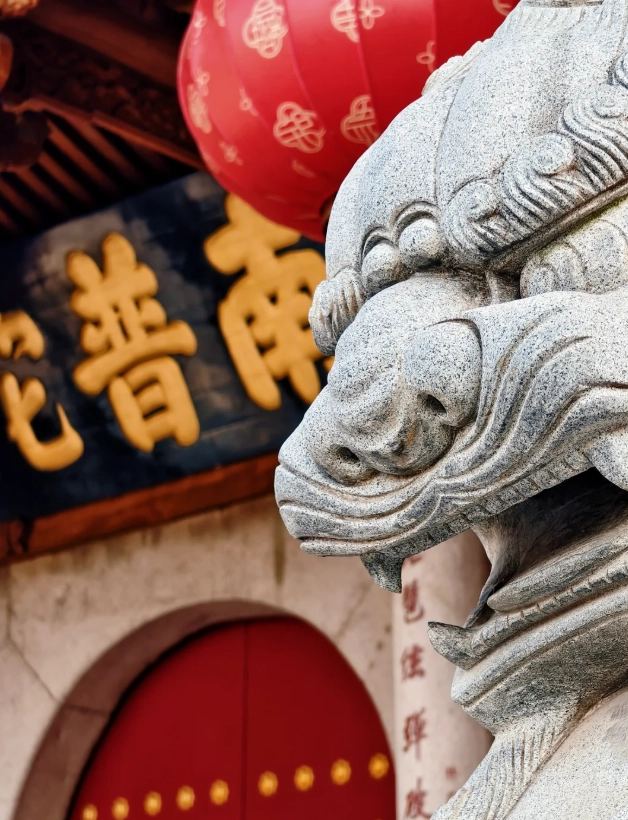
When to go – month by month breakdown
Nanputuo sits at the foot of Mount Wulao, right next to Xiamen University. Xiamen has a subtropical monsoon climate – humid, mild winters, and hot, rainy summers.
Hands down, the best months are October, November, March, and April.
- October & November – After the National Day holiday (Oct 1‑7), the crowds drop drastically. The autumn heat fades, humidity is low, and the sky is often clear. Daytime temps hover around 22‑26°C. Perfect for walking up to the temple and even hiking the small mountain behind it.
- March & April – Spring is also lovely, but be ready for occasional drizzle. The temple's trees and flowers are in bloom. Avoid the Qingming Festival period (early April) when domestic tourists pour in.
What about the rest of the year?
- December – February: Winter is mild (10‑15°C) but the temple is never truly crowded. The downside? The sky is often grey, and some outdoor areas feel chilly. Still, if you hate crowds, this is your second‑best window.
- May – September: Hot (28‑35°C) and humid, plus the rainy season hits between May and June. July and August are peak summer vacation – the temple is jammed with families. Trust me, you don't want to be there at 2 pm in August.
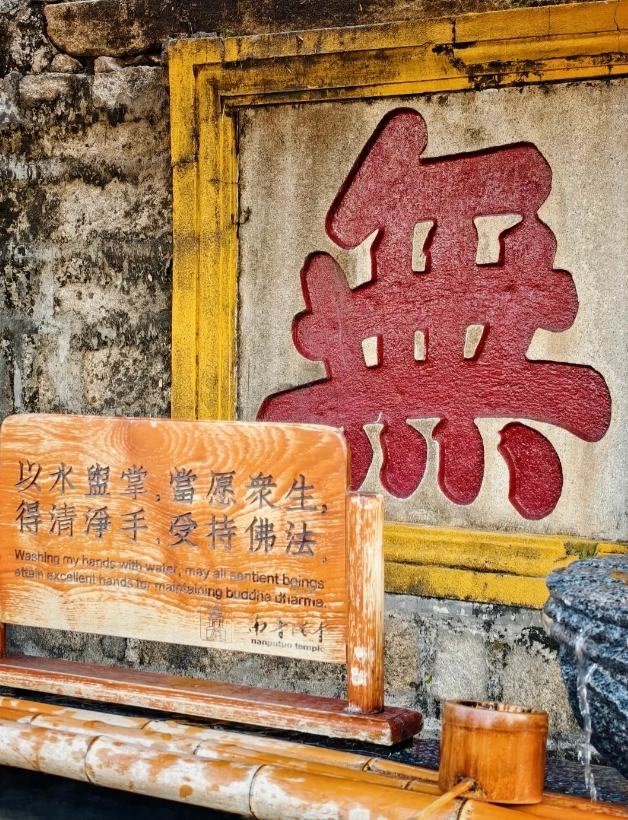
Time of day matters more than you think
Even in the best month, you can still get caught in a nightmare queue if you pick the wrong hour.
Arrive at 8:00 am – no later than 8:30 am. The temple opens at 8:00 (some gates open at 7:30 for early birds). At 8 am, you'll share the space with maybe a dozen locals doing morning prayers. It's incredibly peaceful, the light is soft for photos, and you can actually hear the monks chanting.
I once had a couple from France who insisted on sleeping in. We arrived at 10:30 am. The line for the main hall was already 20 minutes long. We couldn't even see the Jade Buddha properly because of the press of people. Lesson learned.
Avoid 10:00 am – 2:00 pm – this is when tour buses unload. The temple gets packed. Also, the midday sun is brutal – there's little shade in the main courtyard, and the reflected heat from the stone pavement is intense.
Late afternoon (3:30 pm – 5:00 pm) is another decent window. The tour groups are leaving, and the golden hour light makes the temple glow. But note: many halls close around 5:00 pm, so you won't have much time inside.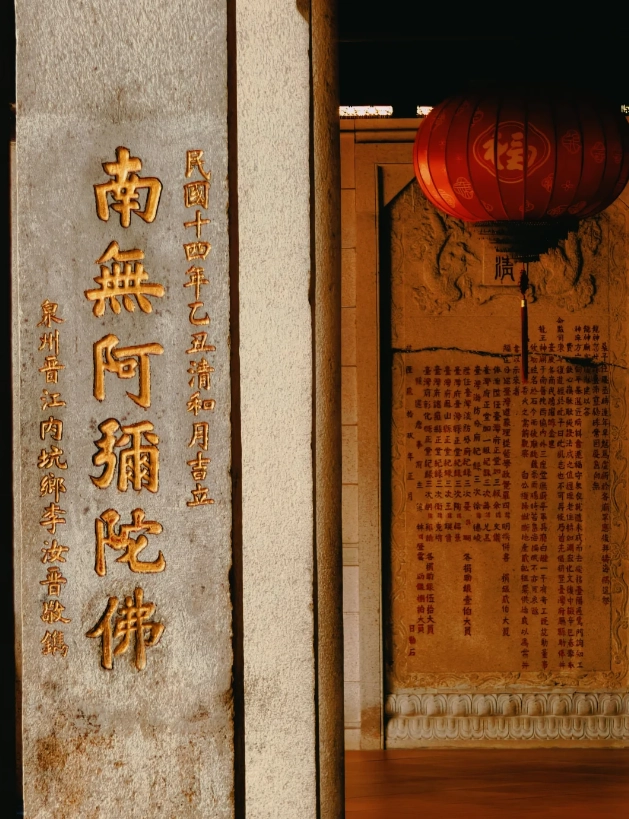
Weather and what to wear
The weather in Xiamen changes fast. I always tell my clients: bring a light jacket even in summer – the temple is air‑conditioned? No, but the mountain breeze can surprise you.
Key weather facts:
| Season | Months | Temp (°C) | Rainfall | Crowd level |
|---|---|---|---|---|
| Best (autumn) | Oct‑Nov | 22‑26 | Low | Low‑medium |
| Best (spring) | Mar‑Apr | 18‑24 | Moderate | Medium (avoid Qingming) |
| Winter | Dec‑Feb | 10‑16 | Low | Low |
| Summer | May‑Sep | 27‑35 | High (May‑Jun) | Very high (Jul‑Aug) |
Packing tip: Comfortable walking shoes are non‑negotiable. The temple has many steps, and the stone floors get slippery when wet. A foldable umbrella is useful year‑round – for rain or sun.
Special events & festivals that shift the crowd
Chinese New Year (usually late January or February) is a massive crowd magnet. The temple becomes so packed that you literally cannot move past the main incense burner. If you come during this period, go very early or skip it entirely.
The Buddha's Birthday (usually April/May, according to lunar calendar) also brings huge crowds. Locals come to bathe the Buddha statue and pray. It's a beautiful ceremony to witness – but be prepared for waits.
On the other hand, the month after National Day (October) is a hidden gem. Most domestic tourists have gone home, and the weather is still warm.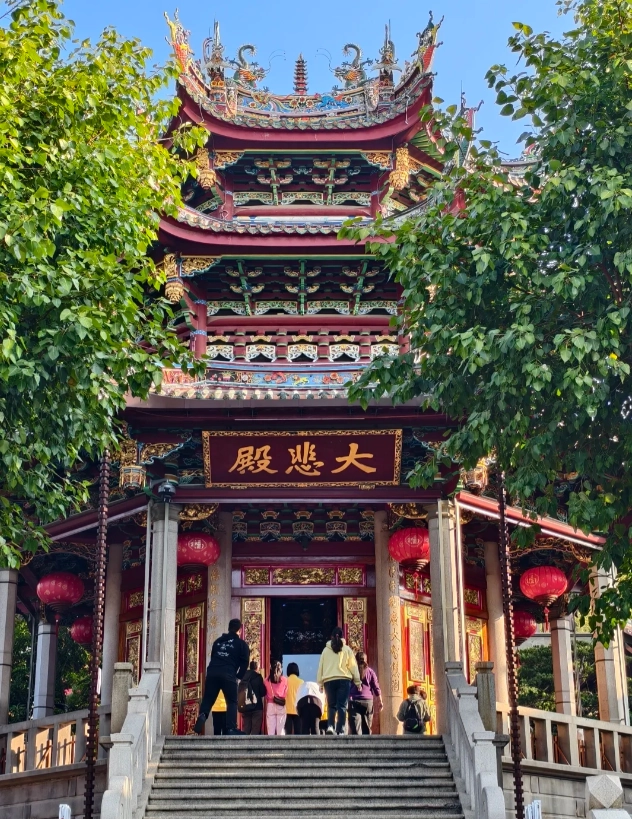
Tickets and how to get in (without losing your mind)
Good news: Nanputuo Temple is free. No ticket needed. But you do need to make a reservation.
Yes, I know – even free places require booking now. The official way is through a WeChat mini‑program (in Chinese). It's a pain for foreigners. My advice: ask your hotel receptionist to help you book. Or you can use a third‑party platform like Trip.com – they'll handle the reservation for a small fee.
When you arrive, bring your passport. They scan it at the entrance. The reservation is time‑slotted, so don't be late.
Pro tip: There is a small donation box near the main hall if you want to contribute. No pressure, though.
Transport – where to get dropped off
Google Maps is unreliable in China. Use Apple Maps or Amap (but Amap is in Chinese). I always tell my clients to download a GPS app that works offline, like Maps.me, and pre‑load Xiamen.
Address for your driver (show this to your taxi or Didi driver):
南普陀寺 (Nanputuo Temple), 思明南路515号, 厦门市
English: No. 515 Siming South Road, Siming District, Xiamen
Where to get dropped off: Most drivers will stop at the main entrance on Siming South Road. That's fine. But if you come during peak hours, the traffic jam at the gate can take 10 minutes. Ask the driver to drop you at the side entrance near the Xiamen University gate – it's a 3‑minute walk and usually free of traffic.
Bus: Take bus routes 1, 15, 21, 45, 751, 841, or 959 to the Xiamen University (南普陀寺站) stop. Walk 2 minutes.
Metro: Line 1, Xiamen University station (now under construction, not yet open as of 2024). Better to take a bus or taxi for now.
Parking: There is a small parking lot but it fills up by 9 am. I never drive there.
FAQ – your last‑minute questions answered
This content has been fact‑checked to ensure informational precision. No dates or years are included to keep the guide evergreen.






No comments yet.