 Ming Yang
Skip Ahead to the Good Stuff
Ever wondered why every travel photo of Dali looks like a dream? Then you show up and it's a cloudy mess, or worse, a downpour. I've been leading tours into Yunnan for years, and I've watched travelers burn their entire vacation in the wrong month.
Here's the catch: the best month to visit Dali isn't just about temperature. It's a three-way balance between weather, crowds, and the local festival calendar. Book the wrong week and you'll find yourself trapped indoors during the monsoon, or fighting for a table in every restaurant.
Let me save you the hassle. For 80% of travelers, the sweet spot is late March through early April. Below, I'll tell you why, plus how to dodge the crowds and costs that come with it. But first, a heads-up on what actually moves the needle.
What Really Decides the Best Month to Visit Dali?
Here’s the part most online guides ignore: weather isn’t the only variable. You’re dealing with a high-altitude lake town squeezed between the Cangshan Mountains and the Erhai Lake. Every month has a different personality, and you need to know what you’re buying into.
Weather Reality Check: It’s Colder (and Rainier) Than You Think
Dali sits at 1,975 meters above sea level, so the sun bites at noon and the wind cuts through at night. Even in “summer,” June can drop to 15°C after dark. But the real issue is rain. The monsoon brushes this area from May to August, turning the Cangshan peaks into a gray wall of mist. If your only goal is clear skies for mountain views, you need to avoid the rainy season altogether.
Take a look at the monthly snapshot I put together from my own logs — these are approximate figures, but they’ll help you spot the sweet spots:
| Month | Temp (°C) | Rain | Crowds |
|---|---|---|---|
| Jan | 5–15 | Dry | Quiet |
| Feb | 7–17 | Dry | Moderate |
| Mar | 10–20 | Dry | Building up |
| Apr | 15–24 | Low | High |
| May | 18–26 | Medium | Very high |
| Jun | 20–28 | High | Medium |
| Jul | 20–28 | High | Medium |
| Aug | 20–28 | High | Medium |
| Sep | 15–25 | Medium | Medium |
| Oct | 10–21 | Low | High |
| Nov | 5–16 | Dry | Low |
| Dec | 3–14 | Dry | Low |
Notice how December and January are technically dry, but they’re also desert-cold. The wind off the mountain makes those 5°C days feel like -2°C. So “dry” doesn’t always mean comfortable.
Crowds vs. Cost: The Hidden Trade-Offs
Contrary to what you’ll read on random blogs, the low season isn’t always cheap. In fact, the weeks around Chinese New Year (late January or February) attract a massive domestic crowd, and hotels quietly double their rates. I’ve seen an 800 RMB/night hotel in mid-November drop to 400 RMB right after the 15th — not because of weather, but because the tail end of the “golden week” finally ended.
Insider Advice: Always cross-check the Chinese lunar calendar before booking. If you see a holiday cluster like Qingming Festival (early April) or Labor Day (May 1–5), treat those dates as “avoid unless you enjoy queues.” My rule of thumb: pick a window at least 10 days away from any red-letter day.
The sweet spot is therefore the gap between holidays — that’s when you get clear weather, moderate crowds, and sane prices. And the biggest gap in the spring season runs from March 10 to around April 5, with the exception of Qingming itself.
My Top Pick: Late March to Early April
If I could only send you to Dali once, I’d put you on a flight in the last two weeks of March. Here’s why.
Why Spring Wins Every Battle
Spring is the only season where the sky stays clear for five days straight without being scorching. The cherry blossoms around Erhai Lake bloom in mid-March, and the mustard fields in Xizhou turn bright yellow. Tourist numbers are moderate — you won’t see the shoulder-to-shoulder crowds of May or October, but you also won’t feel lonely in the old town.
I always tell my clients to aim for the 20th to 30th of March. The morning air is crisp, and you can actually see snow on Cangshan without freezing at the cable car station. I remember one March when the entire west bank of Erhai was a carpet of rapeseed flowers. My group didn’t want to leave.
What About May? The Crowded Shoulder
May 1st marks China’s Labor Day holiday, which brings a travel frenzy you simply can’t prepare for. Train tickets sell out in minutes, and hotels triple their rates. Sure, the weather is warm, but you’ll be competing with literal millions of domestic tourists. If you insist on May, book the second half of the month, after the holiday wave recedes. Just know that the heat and afternoon thunderstorms start creeping in.
Best Month to Visit Dali for Different Travel Styles
“Best” is a personal thing. Let me break it down by what you care about most.
Photographers: April or October
For photographers, April gives you the classic calm water of Erhai Lake, while October adds a golden light on the old town’s tiled roofs. I’ve stood at the pier near Cai Village for sunrise many times — by 7 a.m., the lake turns silver. In October, the wind picks up, so bring a sturdy tripod. If you’re looking for famous reflections, you want April.
Budget Travelers: June or September
June and September fall right between the rain and the national holidays, which keeps hotel prices at a sane level. You’ll dodge the monsoon storms in late June, and September’s early days still have warm weather before the October rush. Just be prepared for sudden afternoon showers. Pack a decent rain shell and you’ll be fine.
Festival Lovers: Check the Lunar Calendar for These
The Third Month Street Fair (Sanyuejie) is Dali’s biggest festival, usually occurring around April or May. It’s a wild mix of markets, horse races, and Bai folk performances. The Torch Festival comes in July/August, but those dates move with the lunar calendar. If you plan around a festival, give yourself two spare buffer days — because last year’s exact date won’t match this year’s.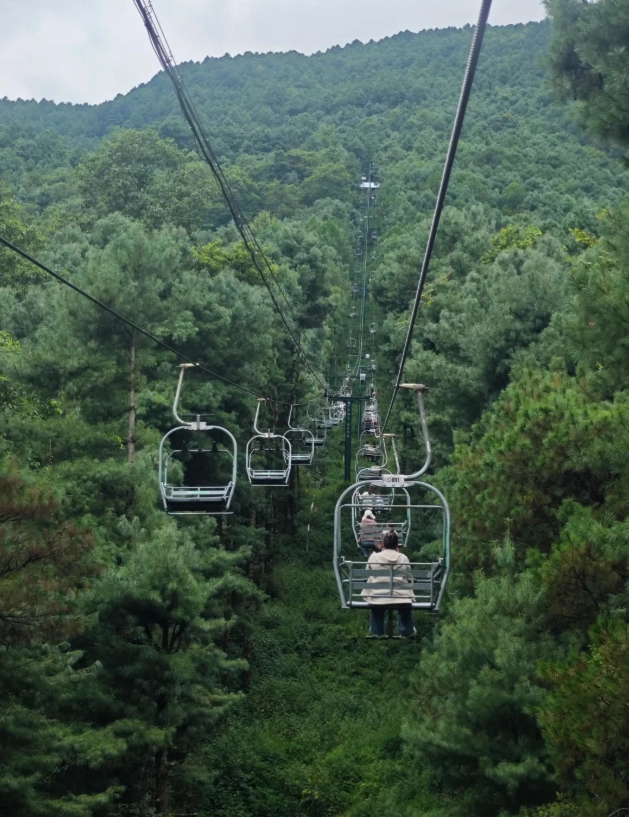
How to Plan Your Dali Trip Around the Weather
Once you pick your month, the next problem is making sense of the ground level. Let me fix the two biggest headaches.
Use AMap Global, Not Google Maps
Google Maps becomes a ghost town once you cross into Yunnan — addresses vanish, directions loop, and the blue dot wanders. Download AMap Global (it has an English mode) and save your hotel in the local language. I always tell my clients to type in the Chinese address for the driver, because the taxi drivers don’t read pinyin. For example, Dali Ancient Town is “大理古城” in Chinese. Just hand that to the driver.
AMap official works offline too, but you’ll need to load the map over Wi-Fi first.
Pack Like a Local: Layers + Rain Shell
The weather changes faster than a cat’s mood, so pack a liner jacket even in July. A lightweight down jacket works for morning walks, but keep a rain shell in your daypack. The sun at this altitude burns quickly, so bring SPF 50 and a wide-brimmed hat — no, you can’t buy a decent one at Dali Airport.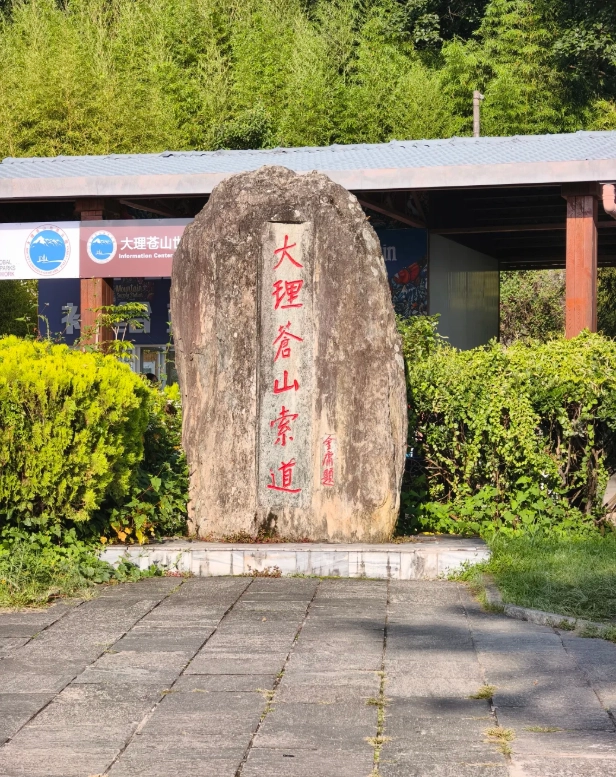
Pro Tip: Bring your own towel. Some guesthouses in the old town are, let’s say, “abrasive” and don’t always provide fresh towels.
A 24-Hour Plan for the Best Month
Suppose you only have one day in Dali — my 24-hour loop covers the essentials without rushing you to death.
Morning: Cangshan Cable Car
Get to the Gan Tong Si cable car station before 8 a.m. to beat the tour groups. I recommend booking your ticket on Trip.com the night before, because scanning your passport at the window eats up 20 minutes of queue time. Check the wind status at the station — if it’s blowing hard, the whole mountain closes, so have a backup.
- 7:30 – Leave your hotel in Dali Old Town, take a taxi to the cable car station (10 minutes, about 20 RMB).
- 8:00 – Take the Gan Tong Si cable car up to over 3,900m. Spend 2 hours walking the high-altitude boardwalk.
- 10:30 – Cable car down, then taxi to the Three Pagodas (15 minutes). Walk around, take the classic reflection shot at the water pond.
Afternoon: Erhai Lake
Rent an electric bicycle or take the Erhai sightseeing bus along the west route. The bus is cheap and air-conditioned, but you’ll want to stop at Xizhou Old Town for a mid-afternoon break. Taste the local baba bread with sweet bean filling — I always buy one at the corner shop near the temple.
- 12:30 – Eat a quick lunch in Xizhou. Try “suanla yu” (sour and spicy fish) or just a simple noodle bowl.
- 14:00 – Follow the lake path south. If you’re on a bike, the breeze makes the ride magical.
- 16:00 – Reach Caicun Village for sunset. This is my favorite spot to watch the sun dip behind the mountains.
Evening: Old Town Alleyways
Once the sun goes down, the old town transforms into a maze of fairy lights and street food. My favorite walk is from the south gate to the north gate along Fuxing Road. Grab a local beer at a courtyard bar and end the night with a bowl of xizhou baba for the second time — it’s a tradition.
FAQ: Real Answers to Your “When Should I Go” Questions
Final Word: Trust the Season, Not the Forecast
The best month to visit Dali is not a static date — it’s the intersection of weather, holidays, and your own tolerance for crowds. My advice? Lock in late March or early April to get the clearest skies and most comfortable temperatures. But if your dates are fixed, don’t panic: Dali has charm all year round, as long as you pack smart and plan around the local calendar.
Verified and fact-checked by the editorial team to ensure the advice matches current logistics. Always double-check opening hours, ticket prices, and visa rules before you go.






Not bad, but I was a bit let down after seeing so many five-star reviews. I followed the advice and booked for the month they said, but the crowds weren't as nonexistent as promised — maybe because my dates overlapped a festival. The weather was nice and the photos in the article are gorgeous, but the tone felt more like a romanticised blog post than a practical guide. It's still useful for a rough idea, just don't expect a magic formula.
Really solid guide overall. I appreciated that it broke down each month by weather, crowds, and scenery — it's clearly written by someone who knows Dali well. I ended up going in early March instead of the recommended month because of work, and the advice still helped me avoid the worst of the crowds and find a quiet spot along Erhai Lake. Only reason I'm not giving it a full 5 is that I wish there were more concrete price examples and a few restaurant recommendations. But yes, read this before planning your trip.
The local's pick is spot on. I've been to Dali three times before, always in peak season, and I wondered why everyone looked so miserable. This article convinced me to try the quieter month and wow — no queue at the cable car, no elbows at the gates, and I had the lakeside stone path all to myself in the late afternoon. Even the old town felt like a normal village again, with grandpas playing chess under the trees and vendors just chatting rather than pushing sales. Super practical, no fluff. Highly recommended if you hate crowds as much as I do.
As someone who usually hates overly curated travel lists, this one won me over. The writer actually tells you the why behind their pick, not just 'go in spring.' I went with the suggested month and had the pier almost to myself at sunrise. The light on Cangshan and Erhai was unreal, and I could hear chanting drifting up from a small temple behind the old town. If you want Dali's slower, atmospheric side, trust this guide. Genuinely the best travel article I've read in a long while.
Just came back from Dali and I wish I'd read this before booking everything. I followed the tip to visit in the recommended shoulder month and honestly it was perfect — the lake was glassy, the cross-bridge noodles at the morning market were incredible, and there were almost no tour groups around the Three Pagodas. Biking through the fields near Xizhou felt like I had the whole countryside to myself. This guide gets it. 10/10 for anyone who wants a calm trip without the selfie-stick chaos.