 Wei Zhang
Here's a quick map to help you navigate this guide:
Hot take: Most Lijiang travel guides are wrong. They'll tell you 'any month works' while skipping the real deal—January is freezing, July is a monsoon, and May Day turns the Old Town into a sardine can. I've been guiding trips here for eight years, and I can tell you exactly when to book your flight. The best month to visit Lijiang is September—but hold on, there's a catch. Let me walk you through the year month by month, so you can decide for yourself. Stick around, and I'll also share insider hacks on booking, transport, and food that most guidebooks never mention.
What Makes Timing So Important When Visiting Lijiang?
Lijiang sits at 2,400 meters above sea level, which gives it a subtropical plateau climate. But don't let 'subtropical' fool you—the seasons here punch above their weight. Your entire experience hinges on two factors: rain and crowds. Both swing wildly from month to month.
Here's what most foreign travelers miss: Lijiang's Old Town is essentially an open-air museum. A rainy day turns its cobblestone lanes into slippery, ankle-twisting hazards. A sunny day makes the same lanes glow like honey. And the main tourist spots—Jade Dragon Snow Mountain, Tiger Leaping Gorge—can be clouded out completely in bad weather.
Then there's the crowd factor. Chinese national holidays are a monsoon of their own. The Great Wall gets overcrowded; Lijiang's Old Town becomes a human river. I once spent 40 minutes stuck in a shoulder-to-shoulder shuffle on Sifang Street during May Day. Not fun.
So your 'best month' needs to balance pleasant weather, manageable crowds, and reasonable prices. Let's break down the entire year to find your sweet spot.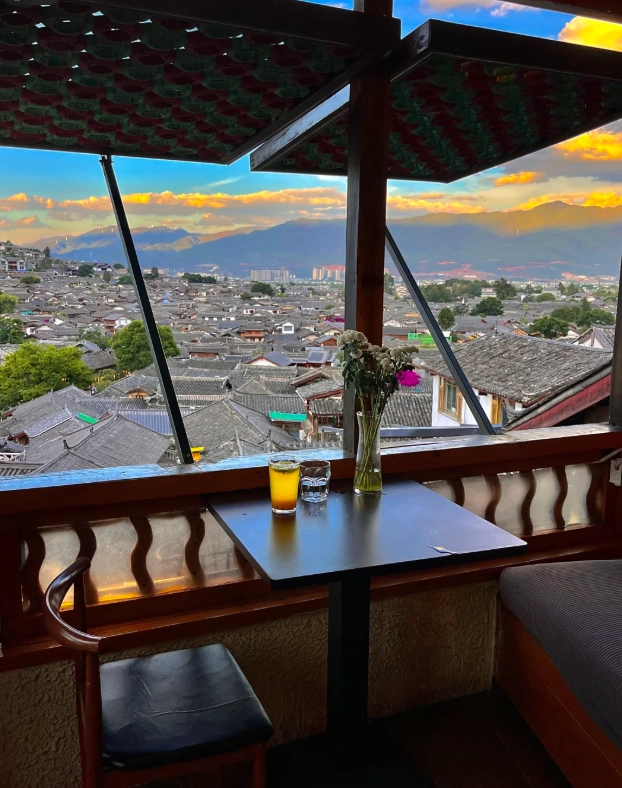
Lijiang Weather by Month: A Detailed Breakdown
I've pulled historical averages from local meteorological data. These are meant as a guide—always check the forecast before you book.
| Month | Avg High (°C) | Avg Low (°C) | Rainfall | Crowd | Notable |
|---|---|---|---|---|---|
| Jan | 13 | 1 | Low | Low | Quietest month |
| Feb | 14 | 3 | Low | High | Chinese New Year rush |
| Mar | 17 | 6 | Low | Medium | Cherry blossoms |
| Apr | 20 | 9 | Low | Medium | Spring hiking |
| May | 23 | 12 | Medium | High | May Day holiday |
| Jun | 24 | 15 | High | Medium | Monsoon begins |
| Jul | 24 | 16 | High | High | Torch Festival |
| Aug | 24 | 15 | High | High | Peak rain |
| Sep | 22 | 13 | Medium | Medium | Clear skies, golden fields |
| Oct | 19 | 9 | Low | High | National Day rush |
| Nov | 16 | 5 | Low | Low | Golden leaves |
| Dec | 13 | 2 | Low | Low | Cold and sunny |
Month-by-Month Quick Reviews
- January: Freezing nights, but sunny days. You'll have the Old Town almost to yourself—perfect for photography, but pack thermal underwear.
- February: Chinese New Year brings fireworks and chaos. Hotel prices double, and the ancient city gets slammed. Proceed with caution.
- March: Spring blossoms pop. The air is crisp, and the crowds are still moderate. My underrated pick for a quiet escape.
- April: Ideal for high-altitude hikes—clear skies and moderate temps. Just avoid the Qingming holiday spike.
- May: The rainy season creeps in. May Day (1-5) turns the town into a festival of selfies. Book everything well in advance.
- June: Afternoon showers are the norm. Focus on morning sightseeing, then shelter in a teahouse.
- July: Torch Festival ignites the night if you're lucky. Expect wet shoes and tourist jams in the Old Town.
- August: The wettest month, hands down. Trails at Tiger Leaping Gorge can be muddy and even dangerous. Still, the festivals are vibrant.
- September: Rain starts to taper off. The sky clears, and the rice terraces near Baoshan turn golden. This is my top pick—details later.
- October: Early October is a nightmare due to National Day. Late October is glorious—cool, crisp, and less crowded.
- November: A hidden gem. Golden ginkgo trees line the streets, and the weather is still mild. Tourist numbers drop off a cliff.
- December: Cold but sunny. The Old Town glows with holiday lights, but bring every layer you own.
So, What Is the Best Month to Visit Lijiang?
If you twist my arm, I'd say September is the absolute best month to visit Lijiang. Hands down.
Why? The rain has thinned out, but the landscapes are still lush and green. Daytime highs hover around 22°C—perfect for exploring the Old Town without sweating buckets. Nighttime temps dip to a comfortable 13°C, so you'll need a light jacket, but no heavy puffers. The sun is generous, and the air is crisp. Plus, the harvest season paints the countryside gold.
There's one catch: the Mid-Autumn Festival sometimes falls in September, which can bring a small spike in domestic travelers. But it's nothing compared to May Day or October National Day. I've guided dozens of trips in September, and every single one has enjoyed clear skies and manageable queues.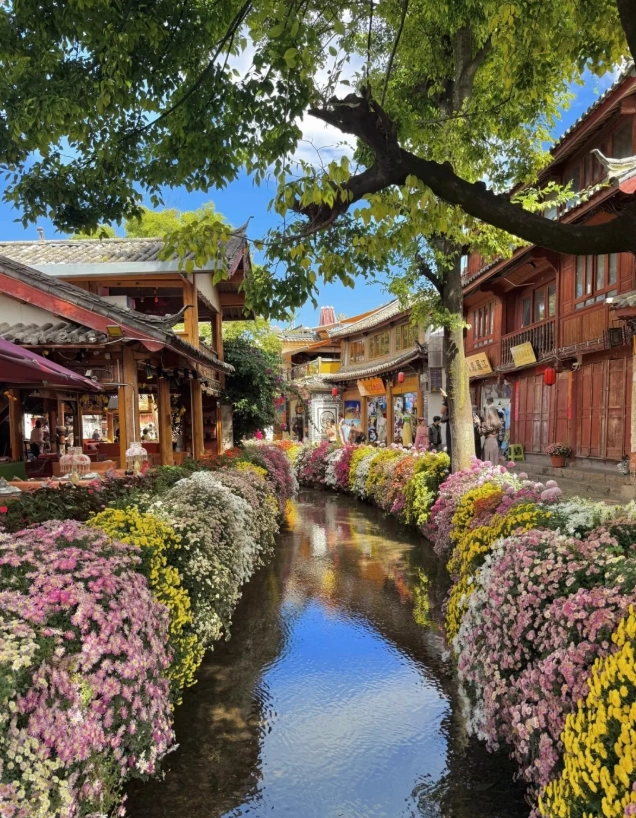
Insider Advice: Target the last two weeks of September. The summer rain is officially over, and the Golden Week tourist tsunami hasn't hit yet. Book your accommodation at least a month ahead—this is a busy window for domestic travelers too.
How to Plan Your Lijiang Trip in the Best Month
Now that you've picked September, here's how to nail every detail.
What to Pack for Lijiang in September
Layering is your best friend, and a rain shell is non-negotiable. Even though September is drier, a passing shower is still possible. Pack:
- Light long-sleeve clothes for day
- Light down jacket or fleece for evening
- Waterproof shoes or boots for the cobblestone
- High-SPF sunscreen and sunglasses — UV at altitude is no joke
- Lip balm and moisturizer (the air gets dry)
Getting to Lijiang and Getting Around
Fly into Lijiang Sanyi Airport (LJG) if you're short on time. Direct services connect to major cities like Shanghai, Beijing, and Chengdu. From the airport, the shuttle bus costs about ¥20 (RMB) to the city center. A taxi or Didi ride is roughly ¥80 and takes 40 minutes. Always use the official taxi line or Didi — ignore touts who offer 'private tours.'
For navigation, forget Google Maps—it's inaccurate here. Download AMap Global ('高德地图') or Baidu Maps, and set your language to English if possible. Better yet, have your hotel write down key destinations in Chinese characters to show your driver.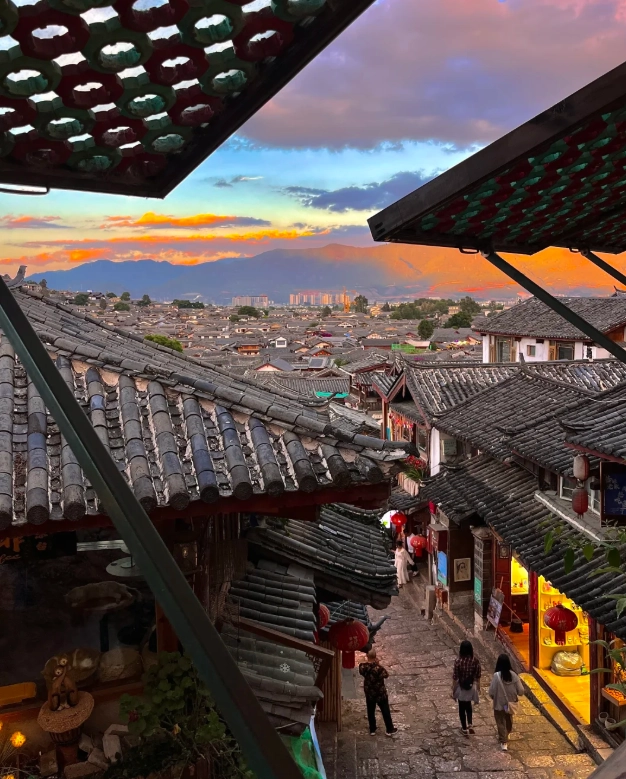
Where to Stay in Lijiang
Stay inside the Old Town for the full experience, but pick the southern part to escape noise. The area around Wenhua Lane is quiet, charming, and still a short walk to Sifang Street Square. Budget-conscious travelers love Lijiang Old Town International Youth Hostel (dorm beds from ¥45). For a mid-range option, Sanheyuan Courtyard Hotel offers classic Naxi architecture with private rooms. Luxury seekers should check out Amandayan, perched on a hill with killer views. All of these can arrange airport pickups and are familiar with foreign guests.
Must-Eat Food and Restaurant Picks
Lijiang baba (fried flatbread) and a bowl of local rice noodles are non-negotiable. For a sit-down meal, I always take my guests to Big Momma's Kitchen on Wuyi Street. The wild mushroom hotpot is a seasonal must—ask for the 'mild' version if you're sensitive to spice. Expect around ¥60 per person. They have an English menu and accept Alipay or WeChat Pay, but don't expect them to take international credit cards directly—your Alipay linked to a foreign card will work.
Booking Tickets and Avoiding Crowds
Major attractions like Jade Dragon Snow Mountain require pre-booked tickets with your passport number. Use Trip.com or Klook—they're optimized for foreign visitors and will send you e-tickets. The Old Town itself is free, but you'll need to register your passport at the entrance. To see the Old Town without the masses, arrive before 8:00 AM and head to the eastern lanes. For Jade Dragon Snow Mountain, book the 8:30 AM cable car slot—it gets slower and cloudier later in the day.
Lijiang Travel FAQ: Everything Else to Know
Here are the questions I get asked every single time by travelers just like you.
The rainy season (June–August) brings daily afternoon showers that can turn the cobblestones into a slip-and-slide. It's not a downpour all day, but you'll need an umbrella and waterproof shoes. I always joke that you should plan outdoor sights in the morning and shop in tea houses when the rain hits.
International cards are rarely accepted at local restaurants and stalls. Instead, link your card to Alipay or WeChat Pay before you arrive—it works seamlessly almost everywhere in China. In a pinch, ATMs in Lijiang dispense RMB against several international networks, but they can be picky. Test yours early.
At 2,400 meters, affect most people mildly—some headaches and faster heartbeats. Give yourself a day of light walking, drink plenty of water, and skip alcohol. Oxygen cans are sold at pharmacies; I recommend buying one as a confidence booster only. If symptoms worsen, descend to a lower elevation.
Generally, yes. Lijiang is used to tourists, and petty crime is lower than in most big cities. Still, avoid wandering alone after midnight in the bar district. Stick to well-lit paths in the Old Town and use licensed transport. I've never had a serious incident here, but smart travel rules apply.
High-speed rail from Kunming South Station is the winner—about 3.5 hours, with frequent departures. Book your ticket via Trip.com in English for an easy pickup. You can also fly, but it's less interesting and often delayed by weather. Trust the train.
This article is based on my eight years of guiding experience and has been fact-checked by the editorial team to ensure informational precision. Prices and conditions may change—always confirm with official sources before your trip.







We're not usually tour-blogger people, but this article made us book late March and it was a brilliant call. We had a solid 5 days of dry weather, and the fields around Lijiang were glowing with plum blossoms. Even the 'crowded' parts weren't bad if you walk a little beyond the main square. We did a day trip to Baisha and practically had the village to ourselves. Highly recommend this window — perfect balance.
Been to Lijiang three times and this was the first time I followed the 'avoid rainy season' advice. October is the move! Every morning was crisp and golden, and the Naxi old town was veiled in sunshine, not rain. I sat in a courtyard café near the Mu Palace with a cup of yak-butter tea and just watched the light hit the bucket trees. No humidity, no slippery cobblestones. If you're a photographer, this is heaven.
I took the tip to come in May to dodge the summer crowds and rain, but apparently everyone else had the same idea. The area around the Waterwheel was packed with tour groups carrying loudspeakers, and we got caught in two heavy afternoon downpours. The rain did clear and the market in the old town was fun, but I left feeling a bit underwhelmed. If you come, go to Shuhe instead and get out early.
Went in mid-November because of the advice to avoid rain and crowds. The thing we loved was the crisp air and snow-capped mountains — no rain at all. But honestly the old town felt a little too quiet and some restaurants near Sifang Square were closed for renovation. Still a great trip, just not the perfect magic I imagined. Maybe October would've been livelier. Good guide overall.
This guide nailed it. We visited in late April and the weather was nearly perfect — not sticky at all, and only one small shower. The old town was busy around noon but completely peaceful after 7pm. Taking the back streets near Wenzhi Lane felt like we had Lijiang to ourselves. Seeing the moon over the roofs and hearing the little stream at night was magical. Already recommending to friends.