 Wei Zhang
You're about to land in a place where Google Maps lies, your credit card won't work, and the most beautiful sight is hidden behind a ticket gate – if you can find it. Dali is magical, but it doesn't welcome unprepared travelers.
Before I started guiding trips to Dali, I wasted days on overpriced taxis and missed the best sunrise spot. That's why I'm writing this Dali travel guide – to save you from the same frustration. Most foreign visitors don't realize that getting around requires a different app, and most attractions demand your passport for booking. Ignore this, and you'll spend your vacation stuck at ticket queues.
Here's the no-nonsense bottom line: book your tickets through Trip.com or Klook, use Didi instead of taxis, and always carry a copy of your passport. If you follow just these three rules, you'll avoid 80% of the headaches. Now, let's dive into the details.
Quick Navigation – What You'll Find in This Dali Travel Guide
- Why Dali? My Honest Take
- How Do You Get to Dali? Flights, Trains, and Buses
- Top Things to Do in Dali (And How to Beat the Crowds)
- How Many Days Do You Really Need in Dali?
- Where Should You Stay in Dali? Old Town vs. Erhai Side
- Dali Food Guide: Taste the Bai Cuisine
- Dali Travel Tips: Avoid These Costly Mistakes
- Dali Travel FAQ: Your Questions Answered
Why Dali? My Honest Take
Dali is not just another ancient town – it's a lifestyle. Nestled between the Cangshan Mountains and Erhai Lake, this former capital of the Bai Kingdom has a laid-back vibe that lures travelers in for a few days and keeps them for weeks. I've been to Dali over a dozen times, and each visit I discover something new – a hidden courtyard, a family-run noodle shop, a quiet pier at sunset.
But here's the catch: with overtourism creeping in, you need to know where to go beyond the crowds. The old town is charming, but the real beauty lies in the surrounding countryside, especially around Caicun and Xizhou – villages that still preserve the traditional Bai architecture.
One thing that surprised me most is the climate. Dali experiences mild temperatures year-round, but the UV can be intense. I've seen many fair-skinned tourists get sunburned in just an hour by the lake. Always carry sunscreen and a hat, even on cloudy days.
How Do You Get to Dali? Flights, Trains, and Buses
The fastest way to reach Dali is by flying into Dali Airport (DLU). There are direct flights from major Chinese cities like Kunming, Chengdu, and Guangzhou. From the airport, it's a 50-minute taxi ride (around 120 RMB) to the old town. If you're already in Yunnan, taking a train is a better idea – the new high-speed rail from Kunming takes just under 2 hours and costs about 145 RMB.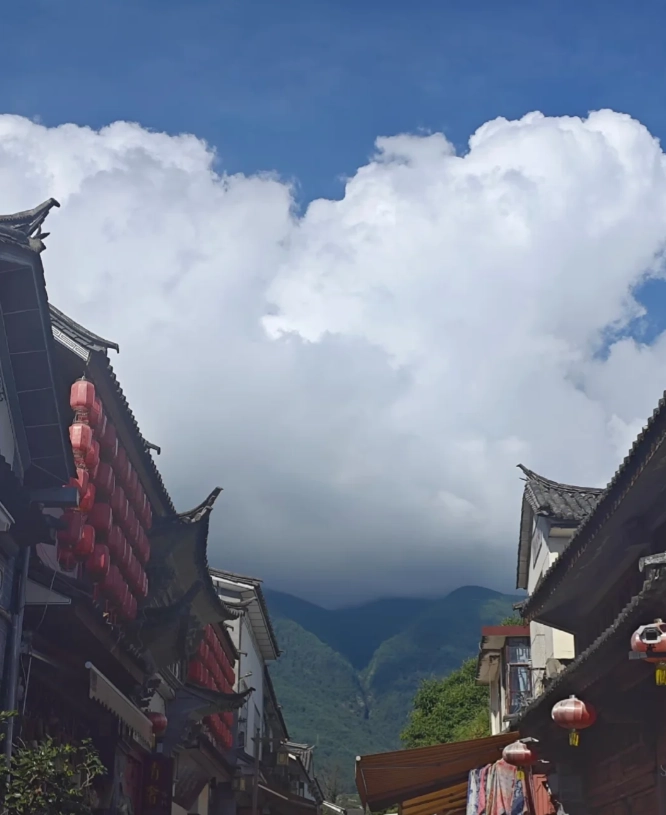
Here's a quick comparison to help you choose:
| Mode | From Kunming | Duration | Price (approx.) | Best For |
|---|---|---|---|---|
| Plane | Kunming Airport | 1 hour (flight only, but add 3+ hours for airport transfers) | 400-800 RMB | Those short on time |
| High-speed rail | Kunming Station | 1h50m | 145 RMB | Most travelers, direct and reliable |
| Long-distance bus | Kunming West Bus Station | 4-5 hours | 100-130 RMB | Budget travelers, but bumpy and slow |
Once you're in Dali, the main prefecture is Dali City, but most tourists stay in Dali Ancient Town, about 20 kilometers north. The airport is actually closer to the old town than the city center, so don't be confused.
From Dali Railway Station to Old Town
Dali Railway Station is about 20 kilometers south of the ancient town. You have three options: take the sightseeing bus (10 RMB, every 30 minutes), grab a Didi (maybe 60 RMB), or negotiate a taxi (make sure to agree on a price before getting in – some drivers will try to charge double). I always recommend the sightseeing bus if you're not in a hurry, as it drops you off right at the city wall.
Airport Transfer Tips
Dali Airport is small, and the arrivals hall can get chaotic. There are official airport shuttles that run to the old town for 25 RMB, but they leave only when full. If you land late at night, book a private transfer on Trip.com – it's around 150 RMB and saves you from haggling after a long flight.
Top Things to Do in Dali (And How to Beat the Crowds)
Dali Ancient Town
The ancient town is free to enter and open 24/7, but that also means it's rarely empty. To experience it without the tour groups, arrive before 9:00 AM. I always take my clients to the West Gate, not the traditional South Gate. The western lane leads you to Renmin Road, which is quieter and packed with local cafés and studios. The South Gate is a photographer's dream at sunset, but get there an hour before dark to secure a spot on the city walls.
Erhai Lake
Erhai Lake – literally 'Ear-shaped Sea' – is the highlight of any Dali trip. You can cycle part of the 120-kilometer circumference, but for a day trip, focus on the western lake road. I recommend renting a bike in Caicun (around 30-50 RMB for a day) and riding to Xizhou. The ride takes about 2-3 hours with stops, and you'll pass through ancient villages and rice paddies. Don't bother with the paid viewing platform at Nanzhao Style Island; the free roadside viewpoints are just as good.
If you're not into cycling, take a sightseeing bus that circles the lake. It's 120 RMB for a day pass and allows you to hop on and off at major spots. The bus stop at Xizhou is a 5-minute walk from the main market, where you can sample grilled cheese sticks (yum!).
Cangshan Mountain
Cangshan's real magic is the Gantong Cableway, not the more famous Ximatan cableway. Most tourists go to Ximatan because it's shorter, but the lines are brutal. I always tell my clients to take the Gantong Cableway and hike up to Qingxi Stream. It's a 2-hour hike through pine forests and waterfalls, and you'll have the trail almost to yourself. Tickets are around 280 RMB for the round-trip cable car plus park entry.
Three Pagodas of Chongsheng Temple
The pagodas are Dali's iconic picture-perfect landmark. If you're standing in the old town, you can see them in the distance. The entrance fee is 75 RMB, but you can get a perfectly good photo from the lake at the temple's north edge without paying. If you do go inside, allow an hour to wander through the temple complex and the reflection pond – the best light is in the late afternoon.
How Many Days Do You Really Need in Dali?
Three days is the magic number for a comfortable Dali itinerary. Here's how I'd split it:
- Day 1: Arrive and explore Dali Ancient Town, including the Three Pagodas (75 RMB entrance, or just take a photo from the nearby park for free).
- Day 2: Rent a car or scooter and loop Erhai Lake, stopping at Xizhou and Shuanglang.
- Day 3: Hike Cangshan in the morning, then relax by the lake or visit a Bai crafting village.
If you only have 24 hours, prioritize Erhai Lake and the ancient town – skip Cangshan unless you start early. And if you're the type who hates rushing, add an extra day to do absolutely nothing at a lakeside café.
What Can You See in 24 Hours?
If you're on a layover or quick stop, focus on the old town and a short lake visit. Start at Dali Ancient Town at 7:00 AM, walk the city walls, and grab a quick Baba breakfast. Then take a Didi to Caicun pier (15 minutes, about 20 RMB) and walk along the boardwalk for 30 minutes. Return to the old town for lunch, visit the Three Pagodas photo spot, and you'll be done by 3:00 PM. It's tight, but you won't feel totally lost.
Where Should You Stay in Dali? Old Town vs. Erhai Side
For first-timers, I strongly recommend staying inside or right outside Dali Ancient Town. You'll be walking distance to restaurants, bars, and tours. But if you want peace and quiet, book a hotel with a lake view on the west shore – villages like Caicun and Xizhou have gorgeous boutique hotels.
Here's a comparison table to help you decide:
| Area | Distance to Old Town | Price Range (per night) | Best For |
|---|---|---|---|
| Old Town | 0 km (inside) | 200-600 RMB | Cultural explorers, nightlife |
| Caicun Village | 2 km west | 300-800 RMB | Cyclists, lake views |
| Xizhou | 10 km north | 180-500 RMB | Budget-friendly, authentic |
Note: Most old-town hostels only have shared bathrooms. If you need privacy and Western amenities, go for a boutique hotel with an English-speaking front desk. I've had good experiences with the Dali One hotel near the north gate – clean, quiet, and the owner speaks basic English. Prices start around 450 RMB a night.
Dali Food Guide: Taste the Bai Cuisine
Bai food is fresh, sour, and full of flowers. Don't leave without trying 'Baba' – a stuffed flatbread (try the savory version with ham and egg, around 15 RMB). Also, look for 'Erhai fish' local-style, cooked with tomatoes and herbs. One of my favorite spots is called 'Green Tree' (Lüshu) near the South Gate, but I'm not sure of the English name. It's known for its pickled fish and willow-leaf pastries.
Pro Tip: The largest food market is on Chongren Road, open from 6:00 AM to 11:00 AM. Go early to see the locals' daily life – and pick up some Yunnan cheese for less than 20 RMB.
Where to Eat
For breakfast, look for a shop that makes only 'Baba' – you'll see the massive stone griddle. There's one on Fuxing Road, just 50 meters south of the city tower, that serves the flakiest version I've found. It's run by a couple who've been there for over 20 years. For lunch, try Dali Coffee on Renmin Road – they serve a mean chicken rice and their own roasted beans. Don't be afraid to use Google Translate on menus; many places have picture menus anyway.
Dali Travel Tips: Avoid These Costly Mistakes
- Don't rely on cash. Many shops and even some street vendors only accept Alipay or WeChat Pay. Carry some cash for backup, but stick to your mobile wallet.
- Get a VPN before you arrive. Google Maps, Instagram, and Facebook are blocked. I use Apple Maps for car navigation, and it works okay, but downloading an offline map is safer.
- Book tickets in advance. Cangshan and Erhai cruises require your passport number. English-friendly platforms like Trip.com and Klook are your best friends.
- Avoid the black cars at the airport. They quote 200 RMB to the old town, but a Didi ride costs around 120 RMB. If you don't have the app, head to the designated taxi queue – it's still cheaper.
- Respect the 'No Photo' signs in local temples. Flash photography can damage ancient murals, and the monks are pretty strict.
- Carry your passport everywhere. You need it for hostel check-ins and even for buying some train tickets. A photocopy won't always work.
- Learn a few Chinese phrases. Not everyone speaks English, but you'll get a warmer welcome if you try. 'Hello' (nǐ hǎo) and 'thank you' (xiè xiè) go a long way.
Insider Advice: If you're here during the Chinese holidays, like National Day in October, expect the old town to be shoulder-to-shoulder. Instead of staying in the center, book a place in Caicun and use the 10-minute bike ride to escape the masses.
Dali Travel FAQ: Your Questions Answered
Verified and fact-checked by the editorial team.







I usually skim travel guides and still end up lost, but this one was different. It didn't just tell me where to go – it explained why. I found a tiny noodle stall behind the Catholic church in Dali Old Town that I never would have noticed on my own. The Shuanglang section helped me skip the packed observation deck and walk to a quiet pier instead. I came back to my hotel every day full and happy. If you're going to Dali, read this first.
As a solo traveler who doesn't love guided tours, this was exactly what I needed. It gave me the confidence to take the bus up to Cangshan, find the quieter stone paths, and still get back before sunset. The offline map link and the bus schedule QR were small touches that made a big difference. There were also useful cultural notes about tipping and taking off your shoes at a Bai home. Zero fluff, no annoying ads. Best few bucks I spent in Yunnan.
This guide turned my three days in Dali into exactly the trip I wanted. The advice to skip Xizhou at 11am was spot on – we had the old courtyard almost to ourselves at 8am. I also loved the suggestion to watch the Bai women make rushi at the morning market in Caicun. Everything felt current, practical, and written by someone who actually knows the area. I've already forwarded it to two friends going next month.
Really handy overall, and I love that it split Dali into Old Town, Shuanglang, and the Cangshan area. The two-day plan was perfect, and the tip about booking cable car tickets online saved us an hour of waiting. I dropped a star because the accommodation recommendation near Renmin Road was too vague – we ended up in a loud guesthouse that didn't match what we hoped for. Still, I'd recommend it for first-timers who want a clear starting point.
I appreciated the sections on food and packing, and the two-day itinerary is logical. That said, some information felt outdated. It told me to rent a bike and ride around Erhai Lake, but when I got to the Caicun rental shop the owner laughed and said the eastern shore was closed for construction. The public bus details were also off – the number 4 route wasn't running anymore. It saved me on a few entrance fees, but do your own current-day research before relying on it.