 Wei Zhang
What's Inside
You've been searching for flights to Anshun. Stop. Let me tell you something that'll change your planning. Anshun has its own airport—Anshun Huangguoshu Airport. But here's the kicker: most international flights don't land there. So what do you do? Fly into Guiyang and hop on a high-speed train. I've done this route dozens of times with my tour groups. I can tell you exactly how to make it painless. In this guide, I'll break down both options with real numbers. Plus insider tips that'll save you from common tourist traps.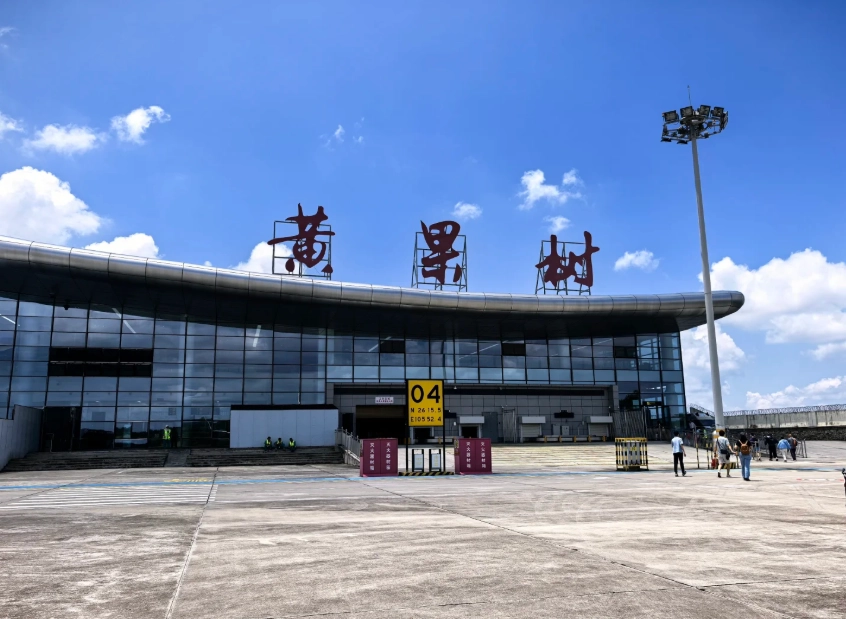
How to Fly Direct to Anshun Huangguoshu Airport?
Let's start with the direct option because it's the one most travelers overlook. Anshun Huangguoshu Airport (AVG) is a small regional airport that handles domestic flights. If you're already in China, this is often the quickest way to reach the area. But you need to know the limitations.
Airlines and Routes
Anshun Huangguoshu Airport (AVG) is served by a few major Chinese airlines, including Air China, China Southern, and Sichuan Airlines. They connect Anshun with Beijing, Shanghai, Guangzhou, and a handful of other cities. However, these flights aren't daily. On some routes, there are only two or three flights per week. So you'll need to check schedules carefully. I always tell my clients to use flight aggregators like Trip.com or Ctrip to see the latest options. Just type in your departure city, and it'll show if there's a direct connection to AVG.
One thing to keep in mind: these flights are often priced competitively with flights to Guiyang, but they save you a lot of time. For example, if you're flying from Shanghai to Anshun, it's a 2.5-hour flight. Then you're just 30 minutes from Huangguoshu Waterfall. That's a win.
Getting From the Airport to the City
Once you land, you'll find taxis and a few public buses waiting outside the small terminal. A taxi to Anshun's city center costs roughly 20-30 yuan and takes about 20 minutes. If you're heading directly to Huangguoshu Waterfall, expect to pay 50-60 yuan and spend around 40 minutes. There's also a shuttle bus that runs to the city, but it's infrequent. I usually advise taking a taxi unless you're on a tight budget. For a smoother experience, pre-book a private transfer on Trip.com or Klook—they'll have your name on a sign when you arrive.
Pro Tip: There's a small tourist information desk outside the arrivals area. The staff speak limited English, but they're helpful if you show them the Chinese name of your hotel. The airport doesn't have unlimited ATMs, so grab cash in the city if you need it.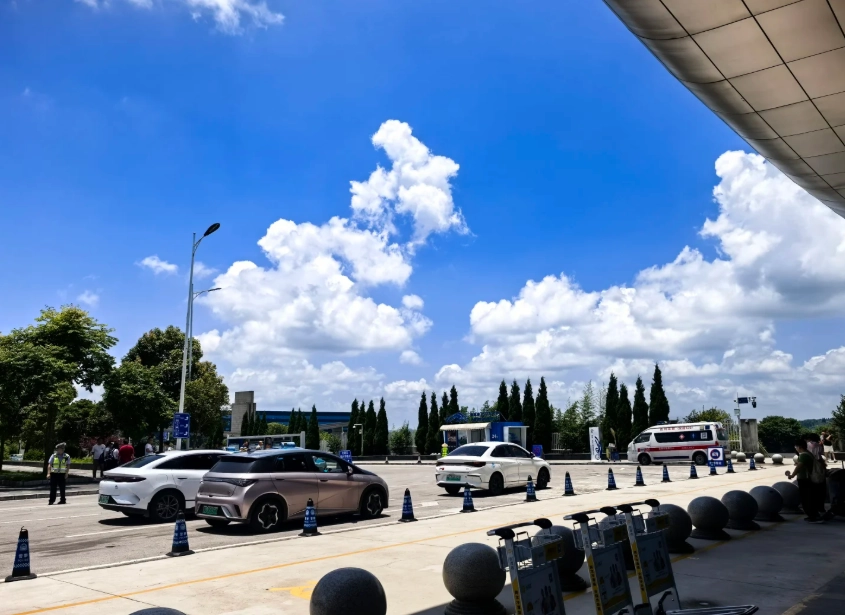
What's the Best Way to Get From Guiyang to Anshun?
For most international travelers, flying into Guiyang Longdongbao International Airport (KWE) is unavoidable. Guiyang is a major hub with connections from Hong Kong, Bangkok, Singapore, and even some European cities via connecting flights. But from Guiyang, you still need to get to Anshun. Here's how to do it smartly.
High-Speed Train From Guiyang to Anshun
The high-speed train is your best bet—it's fast, comfortable, and runs frequently. The journey from Guiyang North or Guiyang East to Anshun West takes about 30-40 minutes on the G or C trains. A second-class seat costs roughly 50 yuan. Trains depart multiple times per hour from around 7 a.m. to 9 p.m. It's a no-brainer.
To book a train ticket, use Trip.com or the official 12306 app. Both have English interfaces. You'll need your passport number. If you're not confident using the app, ask your hotel concierge to book for you—they've seen everything. At Guiyang North Station, follow the signs for the high-speed rail. The station is well-signposted in English.
Insider Advice: Buy your ticket online even if you're flying in on the same day. The machines at the station can be finicky with foreign passports. I've seen travelers struggle. Better to have a digital ticket on your phone.
Bus and Transfer Options
If the train times don't align, long-distance buses from Guiyang's Dongshan Bus Station to Anshun run every hour. The ride takes around 2 hours and costs 60-70 yuan. It's less comfortable, but it's budget-friendly. You'll arrive at Anshun South Bus Station, from which you can take a taxi to the city center or directly to the waterfall area.
Another option is to hire a private car. This costs around 300-400 yuan and takes about 1.5 hours. It's great if you're traveling in a group or have a lot of luggage. I'd only recommend this on weekdays—late-afternoon traffic in Guiyang can be brutal.
Here's a comparison table to help you decide:
| Transport | Travel Time | Cost (per person) | Convenience | Best For |
|---|---|---|---|---|
| High-Speed Train | 30-40 mins | 50 yuan | ★★★★★ | Solo travelers & small groups |
| Long-Distance Bus | 2 hours | 60-70 yuan | ★★☆☆☆ | Budget travelers |
| Private Transfer | 1.5 hours | 300-400 yuan | ★★★★☆ | Families & business trips |
As you can see, the train wins on every front. So, aim for that.
Top Anshun Attractions Near the Airport
Once you're in Anshun, you're in the heart of some of Guizhou's most spectacular scenery. Don't just pass through—spend at least a day exploring these three must-sees.
Huangguoshu Waterfall: The Main Event
Huangguoshu Waterfall is the largest waterfall in Asia and the main reason most people visit Anshun. Standing at 77.8 meters high and 81 meters wide, it's a force of nature. The park opens at 7:30 a.m. and closes at 6 p.m. in summer. Admission is around 160 yuan, plus an extra 50 yuan for the sightseeing bus that takes you between viewpoints. The bus is worth it—the walking distances are significant.
You'll need to reserve your ticket at least a day in advance using your passport. Book via Trip.com or the official WeChat mini-program. I've seen tourists without reservations turned away on busy weekends. Don't be that person.
My favorite time to visit is early morning—before 9 a.m. The light is soft, and the spray is manageable. By noon, it's a wild frenzy of selfie sticks. Also, bring a raincoat or an extra shirt. You WILL get soaked near the waterfall. The park has waterproof gear for sale, but it's overpriced.
Pro Tip: The observation deck closest to the waterfall is slippery. Wear shoes with good grip. You've been warned.
Dragon Palace (Longgong)
Dragon Palace is a huge karst cave complex just 20 kilometers from Huangguoshu. It's a boating adventure through natural limestone chambers. The entrance fee is 130 yuan, including a boat ride. The cave is open from 8:30 a.m. to 5 p.m. Plan to spend 2-3 hours here. You'll board a small boat and glide through halls filled with stalactites and underground rivers. It's a unique experience you won't find elsewhere.
Foreign tourists often skip this because they don't know about it. But I always add it to my itineraries—it's a fantastic complement to the waterfall.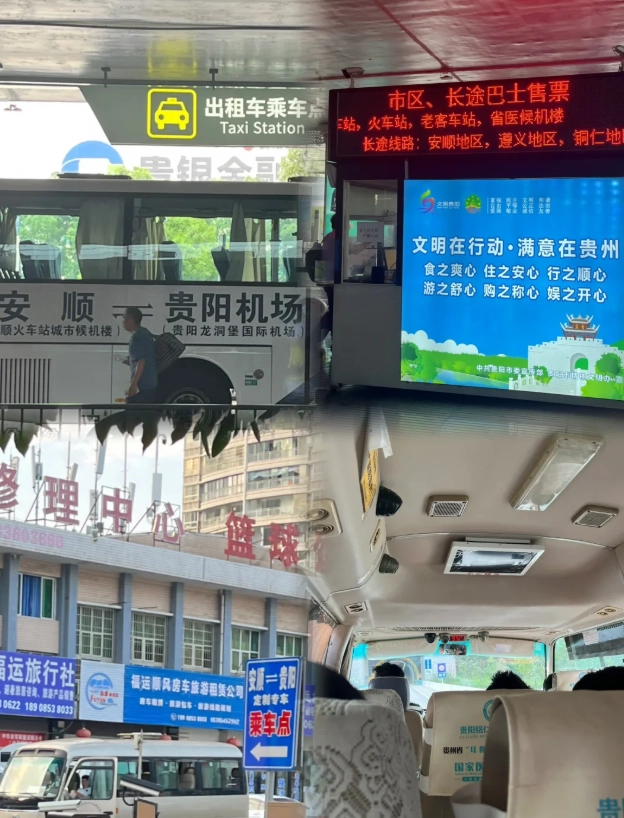
Tunpu Village (Anshun)
Anshun is also home to the ancient military villages of the Tunpu people, descendants of Ming Dynasty soldiers. Tunpu Village is located about 30 minutes from the city center. It's like stepping back 600 years in time. The village has no entrance fee, but a local guide (around 50 yuan) will enrich your visit with tales of war and architecture. The stone houses and narrow alleys are a photographer's dream. Go in the afternoon, when the light is golden and the crowds are thin.
Now, for those of you who need practical help as a foreigner in China, read on. This is the stuff that makes or breaks trips.
Foreign Traveler Survival Kit for Anshun
Let's talk about the nitty-gritty that guidebooks don't mention. I've been living in China for years, and I've seen many tourists struggle with these basics.
Payment: Cash, Cards, and Mobile Wallets
In Anshun, many small vendors and even some ticket booths do NOT accept international credit cards. The only reliable ways to pay are cash, Alipay, or WeChat Pay. If you've linked your international card to Alipay or WeChat Pay, you're golden—most places accept these QR codes. But carry some cash as a backup. ATMs are available at major banks, but they can be picky about foreign cards. The Bank of China is your best bet. At the airport, there's a cash dispenser that usually works.
At tourist attractions, the official ticket counters DO accept Alipay/WeChat, but not credit cards. So have your payment apps ready.
Navigation: Forget Google Maps
Google Maps is unreliable in China because of infrastructure. Instead, use Apple Maps (which works okay) or download Amap (Gaode Maps) and switch it to English. Amap has a 'Global' mode that works fine for navigation. I always tell my clients to download the English version before they land. You'll need to search for places by their Chinese name or use the English names provided by hotels. Taxi drivers use Chinese mapping apps, so if you show them your destination in Chinese characters, you'll be fine.
Booking: Reserve in Advance
Almost every major attraction in China now requires advance reservations using your passport number. For Huangguoshu, you can book through Trip.com or Klook. These platforms have English interfaces and customer support. If you prefer a more local experience, the official WeChat mini-program works, but it's all in Chinese—a real headache. I recommend sticking with Trip.com for simplicity.
For train tickets, use Trip.com or 12306.cn. Both require passport details. I've seen too many travelers assume they can buy at the station, only to find the ticket machine rejects their passport. Plan ahead.
Language and VPN
You'll need a VPN to access Google, Facebook, WhatsApp, and many other Western apps. China's internet firewall blocks these. Download a reputable VPN app before you arrive. In terms of language, English is rarely spoken in Anshun. You'll rely on translation apps. Apple Translate works offline if you download the Chinese language pack. Baidu Translate also has a decent offline mode. I always carry a small phrasebook as a backup—batteries die, apps get glitchy.
One more thing: download your hotel's address in Chinese to show taxi drivers. It saves a lot of confusion.
Anshun Itinerary: 24 Hours to 3 Days
Now let's put it all together. Depending on how much time you have, here are two practical itineraries that I've tested with groups.
24-Hour Blitz
If you only have one day, start early and focus on Huangguoshu. Here's exactly how to maximize your time.
- 7:00 a.m. – Leave Anshun city by taxi or private transfer. Head straight to the waterfall park. The park entrance opens at 7:30.
- 7:30 a.m. – 11:00 a.m. – Explore the waterfall from every angle, including the cave halfway up the cliff.
- 11:00 a.m. – Take the sightseeing bus back to the main gate. Grab a quick lunch at a local noodle shop outside the park.
- 12:00 p.m. – Hire a taxi to Dragon Palace (about 20 minutes). Spend 2.5 hours inside.
- 3:00 p.m. – Visit Tunpu Village, which is on the way back. Walk the ancient alleys for an hour.
- 5:00 p.m. – Return to Anshun city. Have dinner on the lively Zhonghua Road, where you'll find plenty of local Guizhou cuisine.
This itinerary is tight but doable if you're fit. If the weather is bad, skip Tunpu Village and spend more time at Dragon Palace—it's mostly underground.
3-Day Relaxed Plan
For a deeper experience, spread the attractions over three days.
Day 1: Arrive in Anshun. Take the afternoon to acclimatize with a stroll around the city. Visit the Anshun Confucious Temple and sip tea at a local spot.
Day 2: Full day at Huangguoshu Waterfall. Bring a packed lunch and stay until sunset. The crowds thin after 4 p.m., and the late light on the falls is spectacular.
Day 3: Morning at Dragon Palace, afternoon at Tunpu Village. This is a more relaxed pace, and you won't feel rushed. Finish your day with a hotpot dinner, a Guizhou specialty.
If you have extra days, consider a side trip to the nearby Miao villages in Kaili or the Longli Ancient Town.
FAQs About Flights to Anshun
Verified and fact-checked by the editorial team.






No comments yet.