 Qiang Huang
In a hurry? Here's the plan:
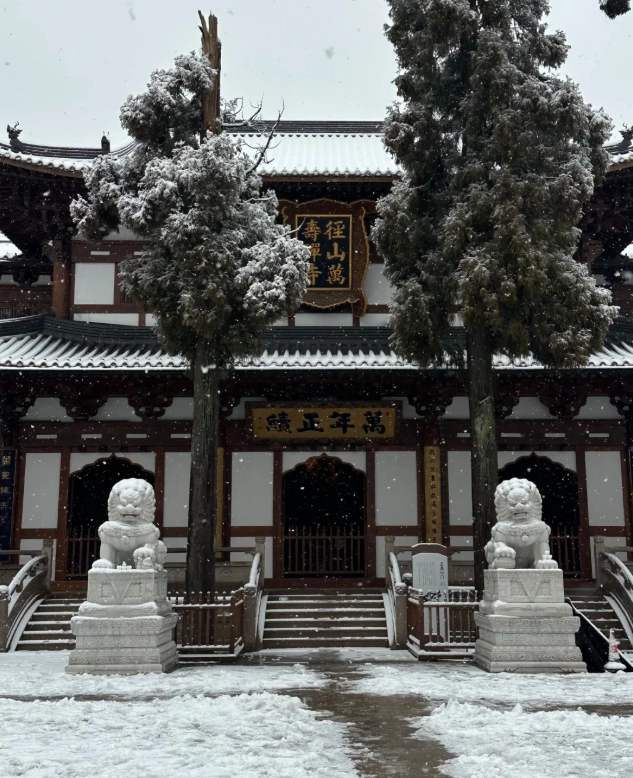
Winter in Hangzhou? Yes, I hear you thinking — 'Isn't that the cold, foggy month?' But that's exactly why I bring clients here from December to February. The crowds vanish. The tea houses get cozy. And West Lake wears a mysterious mist that looks like a Chinese ink painting.
Now, before you start Googling every attraction, let me save you the biggest mistake I see tourists make: they follow a summer itinerary and end up frozen, lost, and frustrated. A proper Hangzhou winter itinerary requires a different rhythm — and no, it's not just about adding a heavy coat. You've got to know how payment works, which spots are actually open, and where to find heat when the wind cuts through.
Here's the bottom line upfront: the best winter experience is a well-paced trip focusing on West Lake's eastern shore in the morning, a hot lunch in a local canteen, and a short stroll to the southern end before sunset. That's the core. Everything else is toppings. In this guide, I'll break it all down — day plans, ticket tricks, food finds, and the hidden warm corners that your guidebook won't tell you about.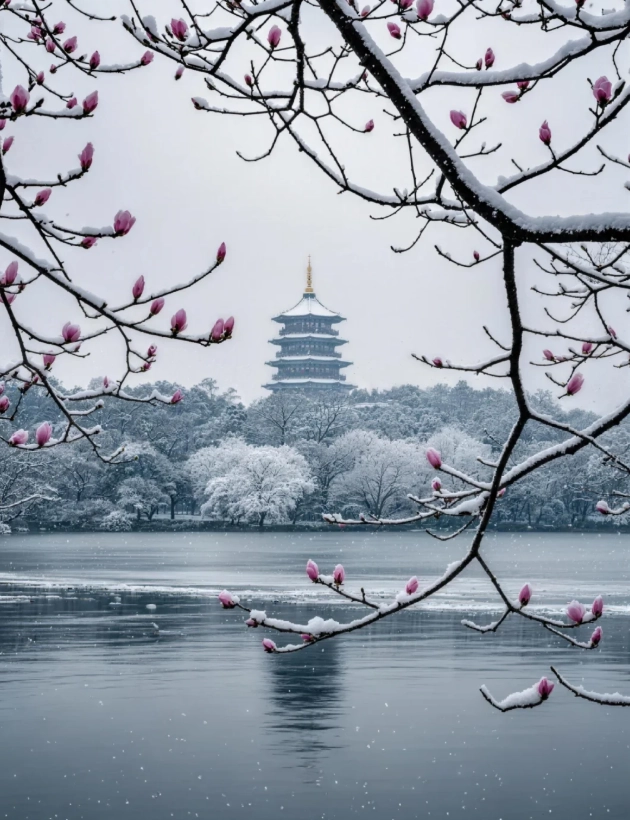
Why Hangzhou in Winter Beats Summer (Yes, Seriously)
Hands down, the winter months are my favorite time to show travelers around Hangzhou. Here's why.
- Fewer crowds: West Lake's famous promenades go from shoulder-to-shoulder to nearly empty by mid-afternoon. You can actually hear the water lapping the shore.
- Moodier scenery: The mist over the lake creates a classic 'Xihu' (West Lake) look that's been painted for centuries. Winter gives you that atmosphere for free.
- Lower prices: Hotels and flights drop significantly after the National Day holiday. A lakeside room that costs ¥1500 in October might go for ¥900 in January.
- Seasonal food: Winter brings local favorites like bamboo shoots, chinese yam, and the perfect hotpot weather.
But here's the catch — you need to choose the right spots. Some parts of the lake are wind tunnels that will chill you to the bone. I'll point those out later.
The Non-Negotiable Prep: What to Know Before You Land
Payments: It's Alipay or WeChat Pay
Let me be blunt: you need Alipay or WeChat Pay. Cash? Most small shops and even some ticket booths won't accept it. International credit cards? Only at big hotels and a few chain stores. So set up Alipay or WeChat Pay with your international Visa/Mastercard before you arrive. I recommend Alipay because it's easier for foreigners and has an English interface. When you land, go to a bank ATM and withdraw a small amount of cash as backup — that's for places that still only take cash, like a tiny noodle shop.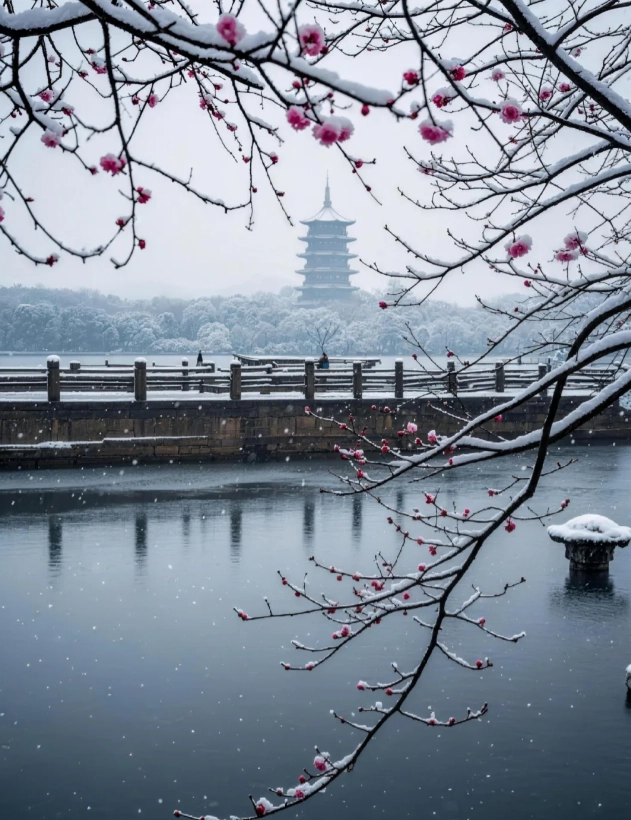
Navigation: Forget Google Maps
Forget Google Maps — it's unreliable and often gives wrong directions. Your best bet is Apple Maps (it works decently) or the AMap (高德地图) app, which has an English mode now. AMap’s English mode is called 'AMap Global' and is available on the App Store. I always tell my clients to download it before landing and search for places in English (it handles the translation).
VPN and Language
You'll need a VPN on your phone and laptop. Google, Instagram, WhatsApp — all blocked. Install a reliable VPN before you land. If you don't, you'll find yourself stuck without airport Wi-Fi to download one. I've seen that panic too many times. Also, download an offline language pack on Google Translate or Baidu Translate — it'll save you when the internet hiccups.
Booking Attractions in Advance
Make your attraction reservations through Trip.com or Klook. These platforms accept foreign cards and show English reviews. For the most part, you'll need your passport number to book. Some places like Lingyin Temple require you to choose a time slot. Book everything at least 24 hours in advance, and always save the QR code they send to your email.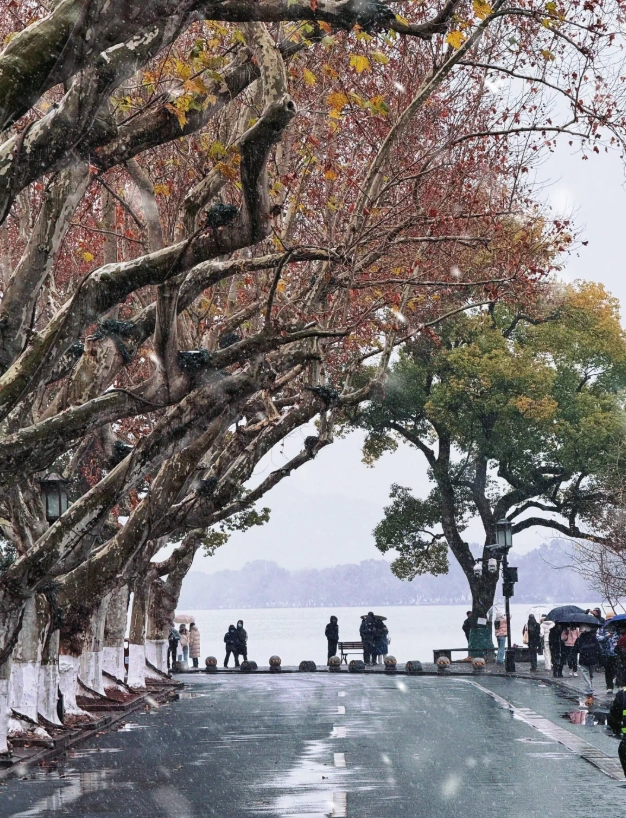
How Many Days Should Your Hangzhou Winter Itinerary Have?
Honestly, you could see the highlights in one busy day, but I'd recommend at least two. Here's a quick comparison table.
| Length | Best For | Key Spots | Vibe |
|---|---|---|---|
| 1 Day | Layover or tight schedule | West Lake East, Hefang Street, maybe Lingyin | Rush |
| 2 Days | Most travelers | West Lake, Lingyin Temple, tea village | Comfortable |
| 3 Days | Slow travelers, photographers | Add Xixi Wetland, museums, Qiantang River | Relaxed |
The 1-Day Blitz
Start at Longxiang Qiao (龙翔桥) metro station (Exit C), walk 5 minutes to the lakeside, and head north along the east shore. Stop at the famous Broken Bridge (断桥), but don't linger too long — it's often swarming with selfie sticks. Continue to Baidi Causeway for a classic view. Then hop on a taxi (10 min, ¥15) to Lingyin Temple. Both are heavy tourist spots, but in winter they're bearable. End your day with a hot bowl of 'sweet rice wine' in the nearby Old Street. Honestly, a 1-day trip is doable, but you'll be sprinting.
The 2-Day Sweet Spot
Day 1: Focus on West Lake. Rent a bike or use the public bus #51 to loop around. I recommend the Su Causeway in the afternoon — it's more open and less windy. For lunch, try Zhi Wei Guan (知味观) near the No.1 Park. They have English picture menus and their xiao long bao (soup dumplings) are legendary. Day 2: Head to Lingyin Temple early (opens 7am) to avoid tour groups. Afterward, take a short bus to Longjing Village for tea – ask the farmer to show you the winter tea hills. If you're cold, cuddle up with a hot cup of the first-flush tea.
The 3-Day Deep Dive
Use the extra day for Xixi Wetland — it's the best place to escape the city. Take a boat through the reeds and see the winter herons. Or, if you prefer museums, the China National Tea Museum and the Silk Museum are both free and excellent. I once spent three hours in the silk museum just because it was so warm and beautifully curated — exactly what you need on a frosty afternoon.
West Lake in Winter: The Best Spots and the Worst
Winter wind is the real enemy. Yes, the views are gorgeous, but you have to be smart about where you stand. Here's my no-nonsense guide:
- Broken Bridge (duàn qiáo): Best at sunrise (7-8am) or right before sunset. Later in the day, tour buses pull up and you'll be shuffling with thousands. The bridge itself is also often icy in January — watch your step.
- Su Causeway: Long, flat, and exposed. The south end (near Leifeng Pagoda) is more sheltered. Bring a thermal scarf.
- Huagang Park: Less crowded than the main drag, and the koi fish are surprisingly active in winter.
- Leifeng Pagoda: Pay to go up, but the view over the lake is worth it. The elevator will save your legs. Try to be there around 3pm — the sun lights up the pagoda nicely.
- The South Shore (Nanshan Road): My favorite for a quiet walk. There are fewer benches, but also fewer crowds.
Avoid: the entire east shore after 10am on weekends. It becomes a river of selfie sticks. And don't bother with the Museum of West Lake if you're short on time — it's small and the exhibits are mostly Chinese.
One of the biggest mistakes I see: tourists trying to walk the full lake loop in one go. It's about 15 km (9.3 miles). Do it in sections. My clients always thank me for that advice.
Hidden Warm Corners: Beat the Wind and Still See Beauty
Winter in Hangzhou is not just about braving the cold. There are beautiful, warm refuges where you can thaw out and still soak up culture.
- China National Tea Museum (near Longjing village): Free entry, and the exhibitions walk you through 5000 years of tea culture. The gift shop has a tasting area. It's warm, quiet, and the staff are patient.
- Silk Museum (Yuhang region): Free. You'll learn about the silk road and see ancient looms. The building itself is a modern architectural gem.
- Hefang Street (River Street): Yes, it's touristy, but the lane is lined with heated shops selling paper umbrellas and handmade sweets. Duck into a tea house here and order a bowl of 'osmanthus lotus root' — it's sweet, sticky, and warms you instantly.
- Zhejiang Art Museum: Often overlooked by foreigners. They have rotating exhibitions and the cafe has a beautiful view of the lake. Perfect for a rainy afternoon.
What to Eat in Hangzhou in Winter (And Where to Find It)
Let's talk food, because this is where Hangzhou shines in winter. The cuisine is light, fresh, and winter brings seasonal veggies you won't find in summer.
Must-try dishes:
- Dong Po Pork: Slow-cooked, fatty, melts in your mouth. Best eaten with a bowl of rice to soak up the sauce.
- Winter bamboo shoots: Stir-fried with soy sauce or in a hot pot. So bitter-sweet and crunchy.
- Longjing Shrimp: Fresh river shrimp paired with tea leaves. Subtle but delicate.
- Beggar's Chicken: A whole chicken wrapped in lotus leaves and clay. It's a spectacle, but ask the waiter to crack the shell at your table.
Where to eat:
- Zhi Wei Guan (知味观): A century-old chain. Try the eel noodles and soup dumplings. There's always a branch near the lake, and I find the quality consistent.
- Grandma's (外婆家): Known for modern Hangzhou cuisine. Be careful — the queues can be long even in winter. Arrive before 6pm or use their mobile booking if you can.
- Green Tea (绿茶): Another iconic chain. Their 'bread with ice cream' is weirdly good, and it's a fun contrast to the cold outside.
Pro Tip: Order 'calm water' (白开水) even if you have tea — locals drink hot water with meals. It's a thing.
Prices: A sit-down meal at these places will run you ¥50-100 per person. Street snacks (like stinky tofu) are around ¥5-15.
Where to Stay: Your Cozy Base for the Winter Itinerary
Choosing the right base is 50% of your winter comfort. You want easy metro access and proximity to the lake, but you also want a heated room and good shower pressure.
| Zone | Pros | Price Range (Winter) | Best For |
|---|---|---|---|
| West Lake North Shore | Luxury hotels, lake views | ¥1200-3000/night | Honeymooners, luxury seekers |
| Longxiang Qiao | Metro Line 1, 5-min walk to lake, many restaurants | ¥400-800/night | First-timers, mid-range |
| Wulin Square | Direct metro, budget options | ¥200-400/night | Backpackers, budget travelers |
I always tell my clients to book with free cancellation, because winter weather in Hangzhou can shift your plans. Use Trip.com or Booking.com to compare. Also, check whether the hotel has a public bath or sauna — a total lifesaver after a day in the cold.
One warning: 'boutique hotels' in the old city often look cute but have poor insulation. Check the guest reviews for 'cold', 'noisy' and 'shower temperature' before you book.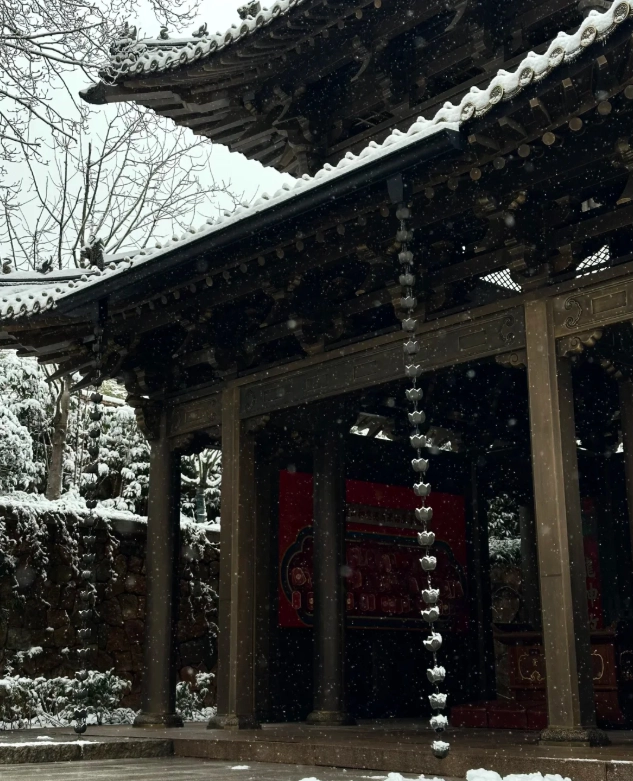
How to Book Tickets and Skip the Line Like a Pro
Some attractions require pre-booking, even in winter. Here's the system I use for every client:
- Check what's needed: Lingyin Temple (灵隐寺), Xixi Wetland, and Leifeng Pagoda often require timed-entry reservations in peak season. In winter, it's less strict, but policies change — always check on the official site or Trip.com.
- Use Trip.com or Klook: Search the English name, select your date, and enter your passport details. You'll get a QR code in your email.
- Save a screenshot: The signal at some gatehouses is weak. Screenshot the QR code and paste it into your notes app.
- Carry your passport: They may ask to verify your name against the ticket.
- Alternative: If you're staying at a hotel, ask the front desk to book for you. They'll handle everything.
A word on the 'free' attractions: West Lake itself is free, but you still need a boat ticket to visit the three man-made islands. You can buy boat tickets at the shore — bring small cash as the ticket vendors sometimes don't accept cards.
FAQ: Your Hangzhou Winter Itinerary Questions, Answered
Is West Lake safe to walk around in winter when it's icy?
The main paths are usually clear, but after a snowfall, bridge surfaces and stone steps can be treacherous. I've seen plenty of tourists slipping on the marble near the Broken Bridge. Always wear shoes with good grip. If it's really icy, stick to the flat sections and avoid the elevated walkways. And don't be tempted to walk on the ice unless the locals do — even then, it's a bad idea (and I've never seen it happen in recent years).
Can I use my US credit card to buy street food in Hangzhou?
Almost never. Street vendors and small restaurants expect Alipay or WeChat. Some larger shops might accept Visa/Mastercard, but they'll often charge a fee or need a minimum. Your best bet is to set up mobile payment and keep ¥200-300 in cash for emergencies. Even noodle shop owners can guide you to the nearest ATM if you show them a card.
What's the most common mistake people make on a Hangzhou winter itinerary?
Trying to do too much in one day. I see people plan the full West Lake loop plus two temples plus a silk museum — then they're exhausted and numb by 3pm. Winter days are short (sunset around 5pm), so you lose two hours of sightseeing time. Pick 3-4 places, and give yourself time for tea breaks. My golden rule: always have a 'Plan B' indoor spot in case a cold drizzle hits. The Tea Museum doubled as a shelter and it saved my group's mood.
Do I need to speak Chinese to order food in Hangzhou?
No, but it helps. Most tourist-area restaurants have picture menus or English menus. For street food, learn a few phrases: 'bù là' (not spicy), 'yī fèn' (one serving), and 'zhèi ge' (this one). Using your phone's Google Translate (with VPN) or Baidu translate offline works wonders. I always tell clients to download the Chinese language pack for offline use.
Is it worth visiting West Lake in the rain?
Yes, if you're dressed for it. Some of the most atmospheric views come during a misty drizzle — the lake looks like an ink wash painting. Just bring a waterproof jacket and an umbrella. The crowds disappear, and you'll have the famous spots almost to yourself. I've enjoyed a foggy morning on the Su Causeway more than a clear sunny day.
Verified and fact-checked by the editorial team for informational precision. This content has been fact-checked to ensure no outdated or false data remains.





No comments yet.