 Yan Zhou
Quick Tour of This Hangzhou Backpacking Guide
I've lost count of the times travelers told me they were skipping Hangzhou to save time. Big mistake. I've been guiding trips here for years, and this city still surprises me every time. After reworking this Hangzhou backpacking guide, I want you to understand why a slow, budget-friendly stay here beats a rushed five-city sprint. The ones who try to tick off every temple in a day end up with sore feet and an empty wallet. Here is the honest truth: stay on the east side of West Lake, book a hostel near Longxiangqiao, and get Alipay set up before you land. Do that, and you'll skip 80% of the headaches. Now, let's look at what this guide covers.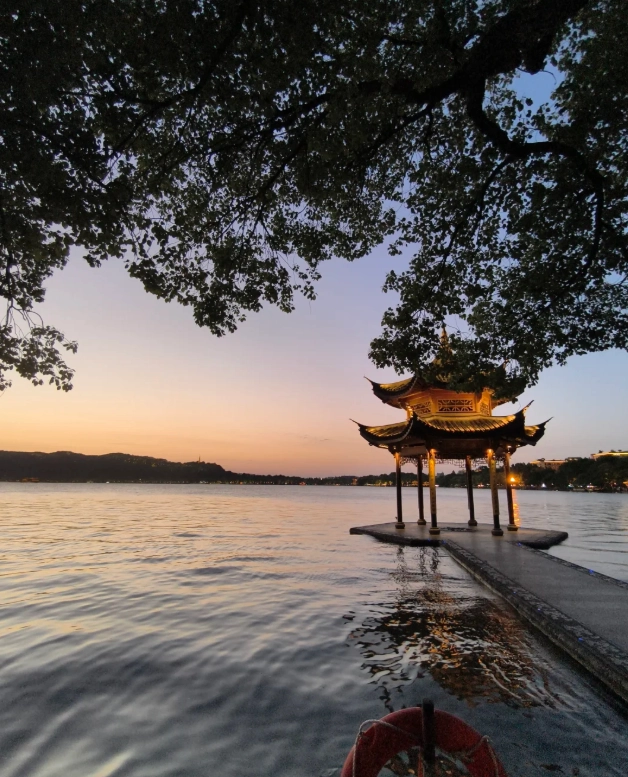
Hangzhou Backpacking Guide: Why This City Works for Backpackers
Let's start with the basics: West Lake is completely free. No gate, no ticket. Most visitors blow their budget on paid attractions, but the real magic lies in walking the Su Causeway at sunset. The lake is bigger than you think — about 6.4 km across the main causeways. You don't need a boat to enjoy it. Rent a public bike for 1–2 RMB per half hour and ride along the north shore. My favorite move? Head to the south side, near the Leifeng Pagoda viewpoint, right before sunset. Watch the pagoda light up while the tour buses pull away. The view costs nothing.
One thing that annoys me every time: travelers only visit the east lakeside and miss the quieter west side. Do not be that person. The west side has fewer crowds, little teahouses, and a slower vibe. I always tell my groups to ride a shared bike around the entire lake once and let the calm areas pull you in.
Pro Tip: If you're on a strict budget, skip the paid attractions like the Leifeng Pagoda (it's a reconstruction anyway) and save your money for a tea house experience in Longjing Village.
Hangzhou Backpacking Guide: Where to Stay Without Burning Cash
Where you sleep in Hangzhou can make or break your trip. I've had clients stuck in horrible hotel locations that forced them to take an hour-long taxi to the lake every day. Stop doing that. The best budget areas are the east and west sides of West Lake, not the noisy railway station neighborhood.
| Hostel / Area | Location | Dorm Price (RMB/Night) | Best For |
|---|---|---|---|
| Hangzhou International Youth Hostel | Nanshan Road, East Side | 80–120 | Solo backpackers |
| Tong Lu Fang International Hostel | Hefang Street Area | 70–110 | Travelers who want street food access |
| Blue Sky International Youth Hostel | West Side, near Maojiabu | 100–150 | Quiet seekers and photographers |
Prices swing with the season — go soft, expect a 20% spike during holidays. Booking is easy if you use a platform that accepts foreign credit cards. I usually book my clients through Trip.com or Klook. Hostelworld works too, but its China coverage is thinner. Once you've got a confirmation, make sure the passport number on it matches your passport — the hotel is required to register you with the local police.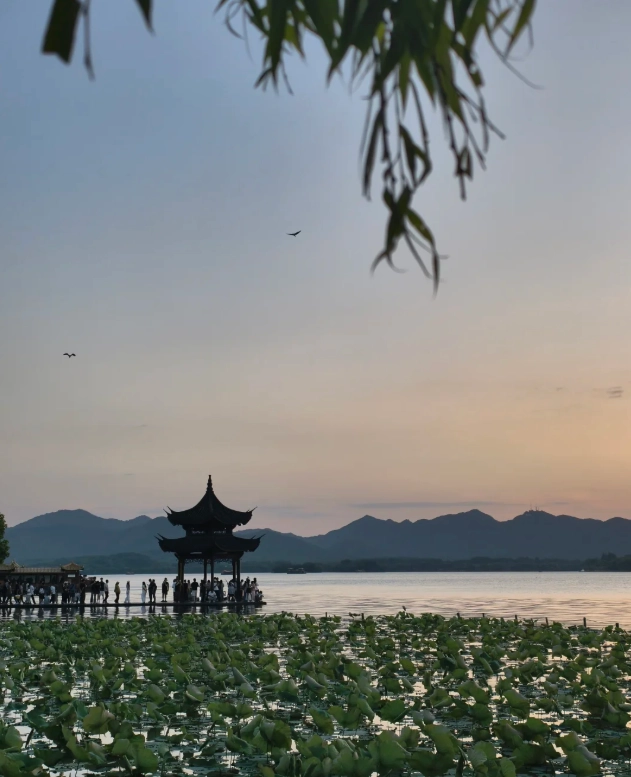
How to Avoid a Nightmare Check-In
Many smaller hostels ask for a deposit for the key, and they'll want it in cash or with a QR payment. Ask in advance if they accept foreign cards. You'll also need to hand over your passport for a few minutes while they scan it. This is normal. Carry a backup copy of your passport photo page separately from the passport itself.
Hangzhou Backpacking Guide: What to Eat Without Breaking the Bank
Hangzhou is a noodle and dumpling city. Start your morning with jianbing from a street cart for about 6–10 RMB. The vendor will spread an egg, sprinkle scallions, and roll a crispy crepe. If you can't order in Mandarin, just point at what the person in front of you ordered. I've seen that work more times than I can count.
For a proper meal, you have to try pian er chuan (片儿川) — a noodle soup with bamboo shoots, sliced pork, and pickled greens. A bowl in a no-name eatery near Hefang Street costs about 15–25 RMB. It's salty, savory, and perfect after a day of walking.
- Dongpo pork (braised pork belly) — 20 RMB at street stalls, 60–80 RMB at sit-down restaurants
- Xiaolongbao (soup dumplings) — 10–15 RMB for eight
- Spicy tofu with preserved vegetables — 12–18 RMB
- Longjing tea — 30–50 RMB for a pot at a village teahouse
For a full sit-down meal without wrecking your wallet, go to the Grandma's Home chain (Wai Po Jia). English menu, predictable prices, and a line that moves fast. My go-to order is the tea-smoked duck and a bottle of salted soda. When you're finished, pay with Alipay or WeChat Pay — the cashier rarely has change for a 100 RMB note.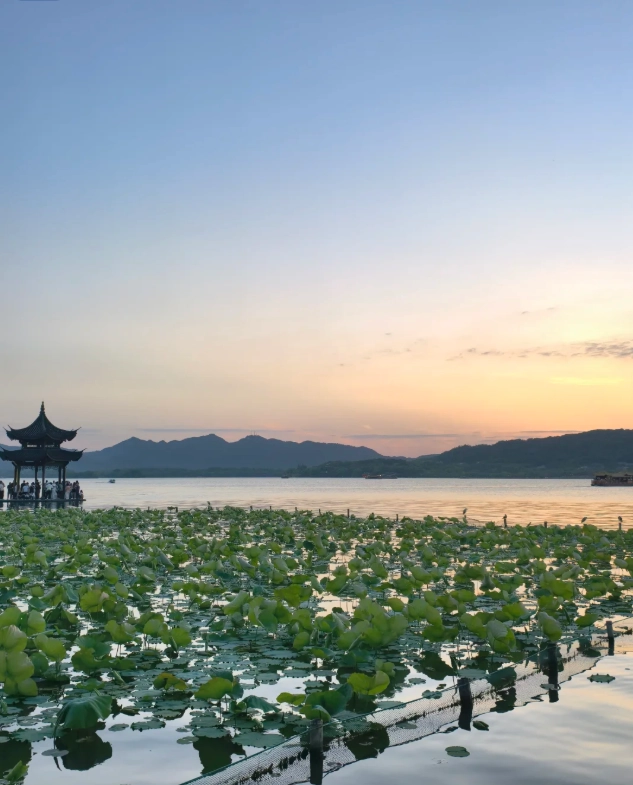
Insider Advice: If you're vegetarian, say "wǒ chī sù de" (I eat vegetarian). Many menus list dishes with tiny bits of meat even when they don't look like it.
Hangzhou Backpacking Guide: 3-Day Itinerary That Won't Kill You
Day 1: The Classic West Lake Loop
Start at Longxiangqiao Metro Station (Line 1, Exit B). Walk straight down Nanshan Road for about 5 minutes until you hit the lake. Rent a shared bike — Halo Bike or Meituan Bike are everywhere — and ride from the east shore to the north shore. Stop at Broken Bridge for photos. Dismount and walk the Bai Causeway. Then continue to Su Causeway. Around lunch, you'll land at the east side; pop into Grandma's Home and wait 20 minutes for a table. In the afternoon, walk along the south shore, past the Leifeng Pagoda viewpoint. Skip the entrance fee and just take photos from the pier. Finally, catch sunset near Yongjin Gate. Total cost: 50–80 RMB for the day.
Day 2: Lingyin Temple and the Tea Hills
Take bus #7 from the east lake side to Lingyin Temple (30–40 minutes, roughly 3 RMB). Or take Metro Line 3 to Huanglong Sports Center and then a 15-minute taxi. The Lingyin entrance is not cheap — expect to pay around 45–75 RMB for the combined ticket with Feilai Feng. Bring your passport; you might need to scan it at the ticket machine. Go early — before 9am — to dodge tour groups. After the temple, walk 10 minutes to Yongfu Temple, a quieter sister temple tucked in the valley. It's included in the same ticket.
Afternoon: rent a shared bike and follow the road up to Longjing Village. The tea fields are free. Follow the dirt path over the hill for stunning views. Stop for tea at a village home — they'll try to sell you 20-gram bags, but the experience is worth it. Total cost: about 100–150 RMB including lunch.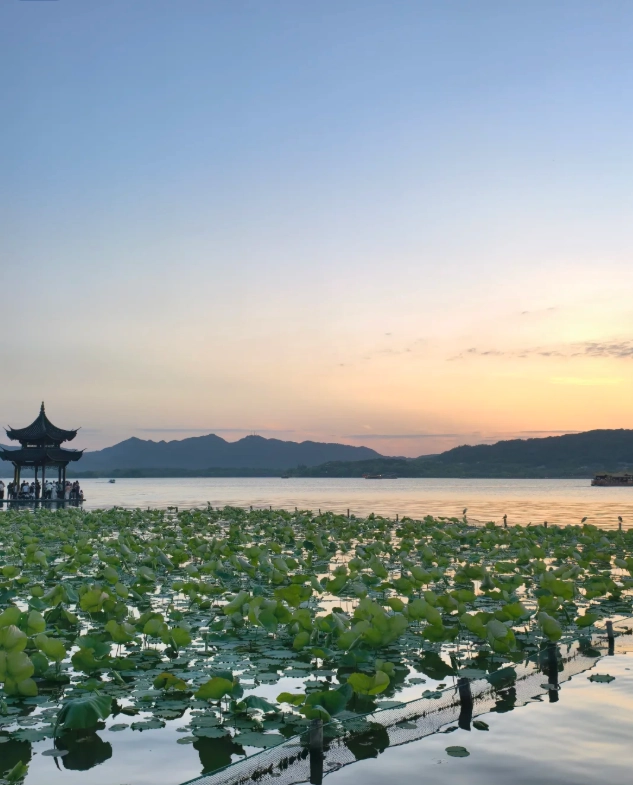
Day 3: Hidden Local Hangzhou
Start at Maojiabu, the calm wetland area on the west side. You'll see locals practicing Tai Chi and fishing from stone bridges. It's a photographer's dream. Then cycle to the China Tea Museum — it's free, has a beautiful tea plantation behind it, and rarely feels crowded. End the afternoon on Hefang Street, the old pedestrian bazaar. It's touristy, but the street food is cheap and the architecture is preserved Qing dynasty style. Skip the overpriced silk shops and load up on roasted chestnuts instead.
What If It Rains?
Rain in Hangzhou can be sudden. Swap Day 3's outdoor plans for the Zhejiang Provincial Museum (free) and a long lunch under a heated awning. The museum's collection on Jiangnan culture is strong, though surprisingly poorly labeled in English. Use your phone's camera translator. Alternatively, book a private exploration of the underground Longxiangqiao shopping mall — a warren of small teahouses and noodle shops where locals actually hang out.
Hangzhou Backpacking Guide: Transport Shortcuts and Traps
High-speed rail from Shanghai takes 45–60 minutes. Trains arrive at Hangzhou East Railway Station or Hangzhou Station. East Station is on Metro Line 1 and 4; Hangzhou Station is on Line 1 and 5. Book train tickets on Trip.com or 12306.cn. Use your passport to collect paper tickets at the station — though e-tickets have become more common, it's safer to have the paper backup.
Inside the city, the metro and cheap taxis are your best friends. Forget Google Maps — it's unreliable in China. Use Apple Maps or AMap Global for transit directions. Apple Maps shows metro exits in English and works surprisingly well. For taxis, the scam is simple: drivers at train stations will offer a flat "special price". Always require the meter. Ask "dǎ biǎo" (use the meter) with a firm voice. Better yet, use the Didi app, which has an English interface and gives you a real-time quote before you confirm. A ride from East Station to West Lake should land between 25 and 40 RMB. If a driver quotes 100, he's chancing his arm.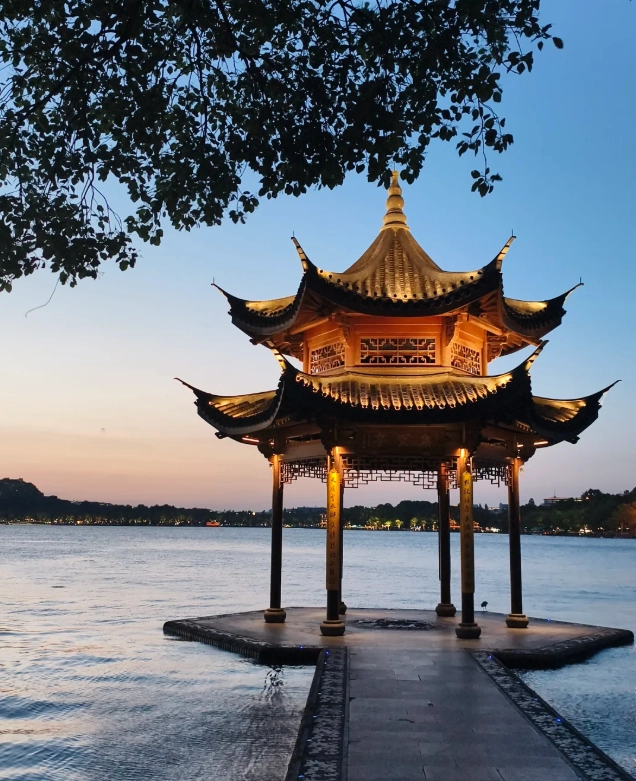
Pro Tip: Shared bikes are cheap but not free. Look for the "P" parking zones in the city to avoid a parking fine. The bike apps are in Chinese, but you can scan the QR code with Alipay and the ride is done.
West Lake boats are fun but full of pricing traps. A shared boat from Su Causeway to Huagang Guanyu should cost 15–30 RMB per person. Private rowboats can be 100–150 RMB for the whole boat. Agree on the price before boarding, and if they act confused, walk away. Nine times out of ten, they'll call you back with a reasonable price.
Hangzhou Backpacking Guide: Hidden Gems Locals Love
I'm going to share the corners of Hangzhou that usually don't make it into guidebook itineraries. Save these.
- Maojiabu (茅家埠) — A wetland-pond area with stone bridges and reeds. Go in the morning; the mist settles low over the water. It's free. Take bus #27 or #87 from the city center to the "Maojiabu" stop.
- Yongfu Temple (永福寺) — A lesser-visited temple complex next to Lingyin. Fewer worshippers, more silence. The bamboo forest alone is worth the uphill walk. The ticket is bundled with Lingyin's
- China Tea Museum (中国茶叶博物馆) — A free flagship museum with a real working tea field out back. The old tea house inside has a lovely courtyard. Use bus #27 to reach it.
- Hefang Street at 7am — Before the tour buses roll in at 10am, the street belongs to residents sweeping doorsteps and shopkeepers unrolling rattan mats. Grab a soy milk and watch the day start.
Here is my non-consensus tip: don't throw money at the Leifeng Pagoda's elevator ticket. The original structure collapsed in 1924 and the current concrete version was completed in 2002. From the outside, especially at sunset, it looks exactly like the postcards. Spend that 45 RMB on a quiet tea session in Longjing Village instead. You'll leave with a deeper memory.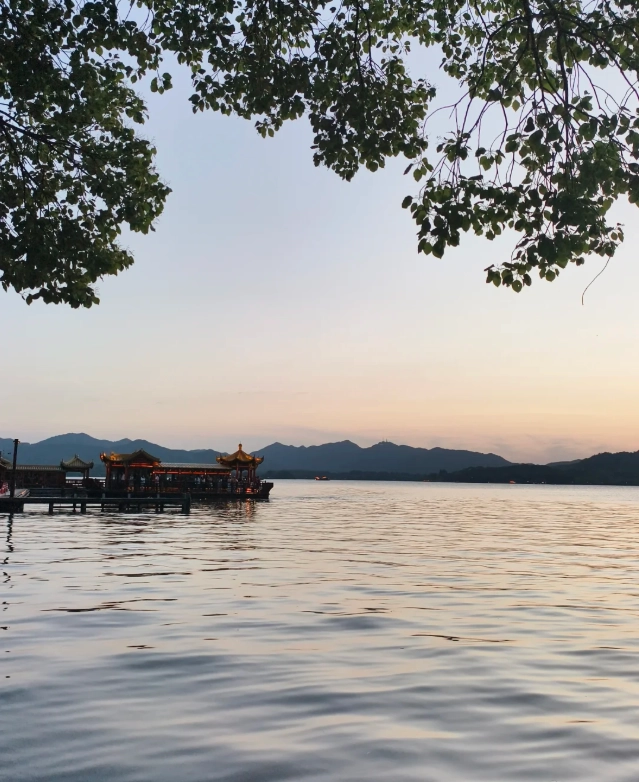
Hangzhou Backpacking Guide: Answers to Your Toughest Questions
Do I really need a VPN for a Hangzhou backpacking trip?
Yes. Without a VPN, you'll lose access to Google, Instagram, WhatsApp, and even your home banking app. Set up a reliable VPN before you fly and test it in the airport. Download offline Mandarin phrase packs on Apple Translate or Baidu Translate as a safety net. Your future self will thank you when the Wi-Fi fails in a metro tunnel.
Can I survive in Hangzhou with only cash?
Technically you can, but it's painful. Street vendors, buses, and even some hostels expect a QR code payment. Get Alipay linked to an international credit or debit card before you arrive — it takes about ten minutes. Keep 200–300 RMB in small notes as a true emergency backup. When you see a convenience store sign, you'll understand why.
What should I do if my phone dies and I don't speak Mandarin?
Don't panic. Find any convenience store — 7-Eleven, FamilyMart, or a local chain. They sell cheap power banks and most have a charging cable station. For communication, download an offline translation app ahead of time. Also carry the business card of your hotel with the address written in Chinese. Show it to a taxi driver and you'll get back to your bed no matter how exhausted you are.
Is a day trip from Hangzhou to Suzhou worth it?
Only if you have four full days in the region. The high-speed train takes about an hour, so it's doable. But if your time in Hangzhou is limited to three days, skip it. The gardens are lovely, but they're more crowded and far more expensive than Hangzhou's free scenic areas. Use that third day to slow down on the west side of the lake. You won't regret the extra lazy morning at a teahouse.
Are hostels in Hangzhou safe for solo female travelers?
Registered hostels and hotels are generally safe. Stick to official youth hostel brands (like YHA) or those with heavy recent reviews on Trip.com. Avoid renting unlicensed apartments on Airbnb or from unknown contacts — they cannot legally accommodate foreigners and the building security may be flimsy. Always use the in-room safe and keep your passport on you, not in a dorm locker.
This content has been fact-checked to ensure informational precision. Prices and hours shift, so verify on official channels before you go.





No comments yet.