 Yan Zhou
Quick Guide: Your Hangzhou Airport Layover Cheat Sheet
You've got a 6-hour layover at Hangzhou airport. Is it enough to see the city? I've lost count of how many travelers I've rescued from boredom in Terminal 3. The answer is tricky: yes, but only if you're smart about it. Most foreign tourists panic over three things: getting cash, using maps, and booking tickets. In reality, cash is useless for a short stopover, Google Maps doesn't work in China, and booking sights like Lingyin Temple requires a passport. That's why this Hangzhou airport layover guide cuts through the noise.
Here's my professional advice: If your layover is 6 hours or more, leave the airport and head straight to West Lake. If it's shorter, stay put and sleep in the airport lounge. I'll show you the exact walking route, the easiest payment methods, and a no-fail backup plan for when plans fall apart.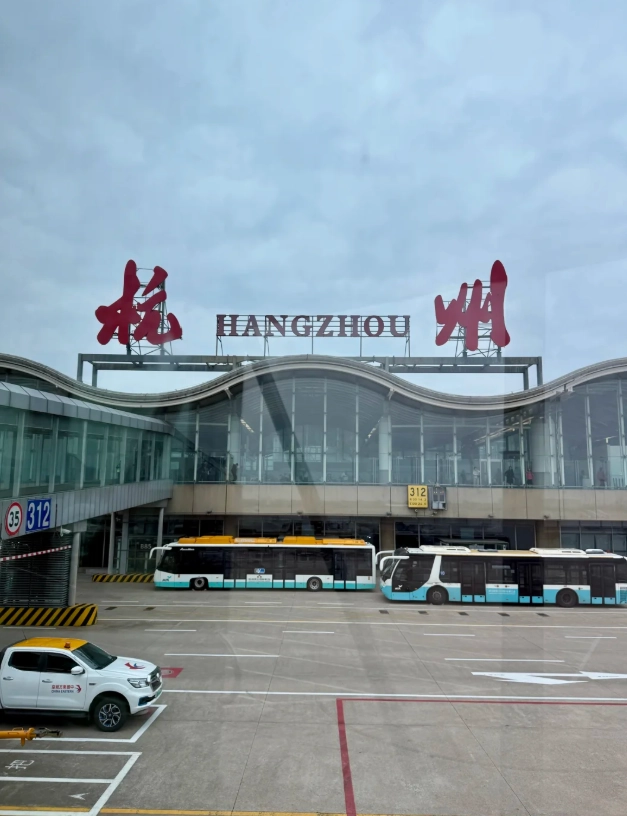
Is It Worth Leaving the Airport During a Hangzhou Airport Layover?
In a word: absolutely, if you have 6+ hours. But "worth it" depends on your visa status, your energy level, and how much you love stress. I've seen travelers with 8 hours melt down in traffic jams and then miss their connection. So let's set some ground rules.
The 5-Hour Threshold
If your layover is under 5 hours from landing to takeoff, do not leave the airport. You need to clear immigration, get luggage if you're entering, and re-check in—that alone eats 90 minutes. With 4 hours, you'd have maybe 2 hours of sightseeing, and that's just not enough for the round trip. Instead, hit the airport's Premium Lounge, get a massage chair, and nap.
What You Can Actually Do in 6 to 8 Hours
A 6-8 hour layover gives you a solid 3.5 to 5 hours in the city. That's enough to walk along West Lake's Su Causeway, snap the classic Leifeng Pagoda shot, and slurp a bowl of local noodles near the lake. You won't see Lingyin Temple or Longjing tea fields—those need a full day. But you'll get a vivid first impression of Hangzhou.
What to Skip Even With 10+ Hours
Skip the Song Dynasty Theme Park and the modern Silicon Valley areas—they're pure time sinks. If you have 10 hours, you could add a stop at Hefang Street near the city center, but don't fall into the tourist-trap shops. Instead, I always send my groups to the quiet side of West Lake (the southwest corner) where locals picnic. It's a 15-minute ride from the airport but feels like another world.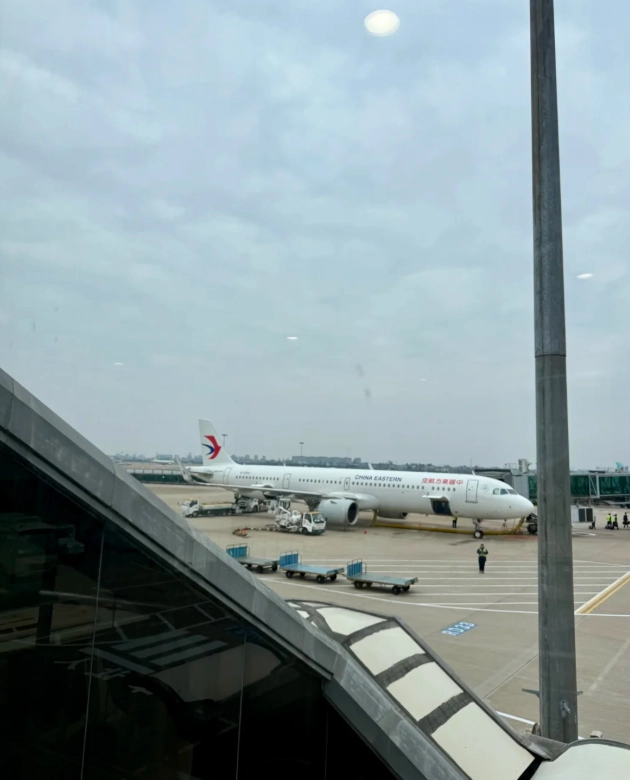
How to Get from Hangzhou Airport to the City Center
Your two best choices are the subway and a ride-hailing app like Didi or Cao Cao. Taxis at the airport are a rip-off; they often refuse the meter and charge double. The subway is cheap, safe, and surprisingly modern. Here's a quick comparison:
| Transport | Route | Duration | Cost | Pros | Cons |
|---|---|---|---|---|---|
| Metro Line 1 | Airport Station → Longxiangqiao Station (West Lake exit) | 45-50 min | ¥7 (about $1) | No traffic, easy to navigate, English signs | Need to buy a ticket or scan QR code; may be crowded at rush hour |
| Ride-hailing (Didi) | Direct to your chosen city hotel | 30-40 min (without traffic) | ¥100-150 (about $14-21) | Door-to-door, comfortable | Requires Chinese app or a foreign-friendly alternative; traffic can be brutal |
| Airport Express Bus | Several lines to city areas | 30-50 min | ¥20-30 | Cheap, no app needed | Less frequent; find stops outside arrival hall |
The fine print: The subway station is in Terminal 3, just follow the "Metro" signs. Buy a single-ride ticket at the machine—you'll need cash or a phone payment. You can also use Alipay's QR code for the subway directly. For Didi, download the app before you land, because international roaming might be spotty. If you're stuck without a Chinese card, ask your hotel to book a car or jump in a metered taxi—just insist they use the meter.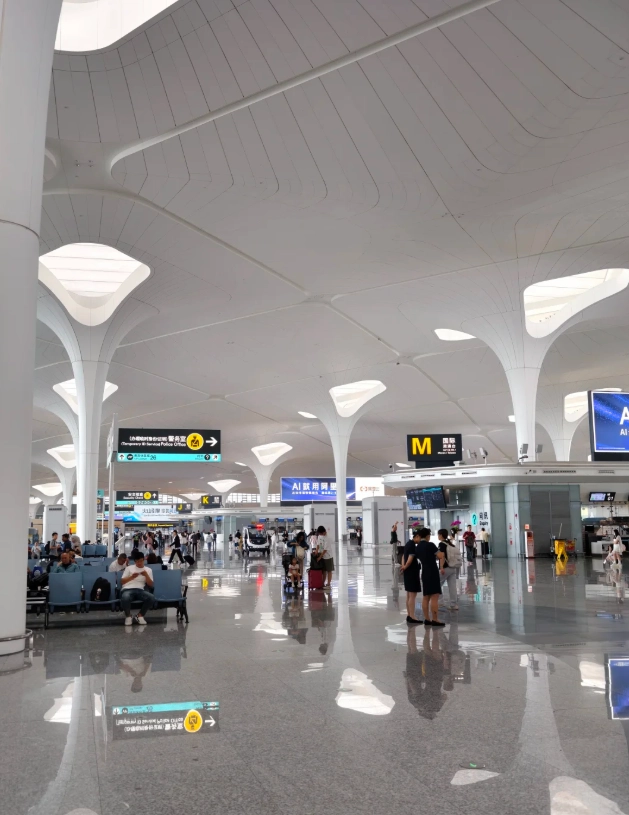
Insider Advice: Don't fall for the touts offering a "fixed price" taxi ride. The official meter is always cheaper.
How to Pay and Use Apps Without a Chinese Bank Card
Almost every store in Hangzhou accepts Alipay and WeChat Pay; physical cash is becoming rare, and international credit cards often don't work. For a quick layover, you have three options:
- Set up Alipay with your international card before you fly. Alipay now supports Visa and Mastercard for small transactions. Download the app, add your card, and verify with your passport. You can pay at most restaurants, subways, and even small noodle shops.
- Carry ¥200-300 in cash. Some street markets and older cabbies still prefer cash. Withdraw from an ATM at the airport using your debit card—the exchange rate is decent.
- Use a foreign-friendly travel card like Revolut or Wise. But note: many small merchants won't accept them directly, so you'll still rely on Alipay or cash.
Using Maps and Translation Apps
Google Maps is unreliable in China—I've seen it direct people into canals. Before you land, download Apple Maps (it uses AMap data) or the AMap (Gaode) app itself. Set the language to English in settings. For addresses, always carry a screenshot in Chinese characters, so you can show a taxi driver.
For translation, use Apple Translate (free, offline) or Baidu Translate (better for Chinese). You'll also need a VPN to access anything Google-related once you're on Chinese internet. Set that up before departure.
Visa-Free Transit: What You Need to Know
Chinese cities like Hangzhou offer 24/72/144-hour visa-free transit if you're en route to a third country. The 144-hour policy applies in Jiangsu, Zhejiang, and Shanghai. But it's not automatic—you must have a confirmed onward flight within the allowed window, and you must stay within the designated area. For Hangzhou, that means the entire Zhejiang province is okay.
Your checklist:
- Passport with 6+ months validity
- Confirmed ticket out of China within the time limit
- No visa stamp in your passport that hasn't been used (that's not a thing, but check your entry stamp)
- Fill out the temporary entry form at the visa office in the airport—head to the "24-hour transit" counter
My insider tip: If your layover is less than 24 hours, you likely don't need the full transit visa process—just use the 24-hour direct transit policy, which is simpler. But always confirm with your airline crew before landing.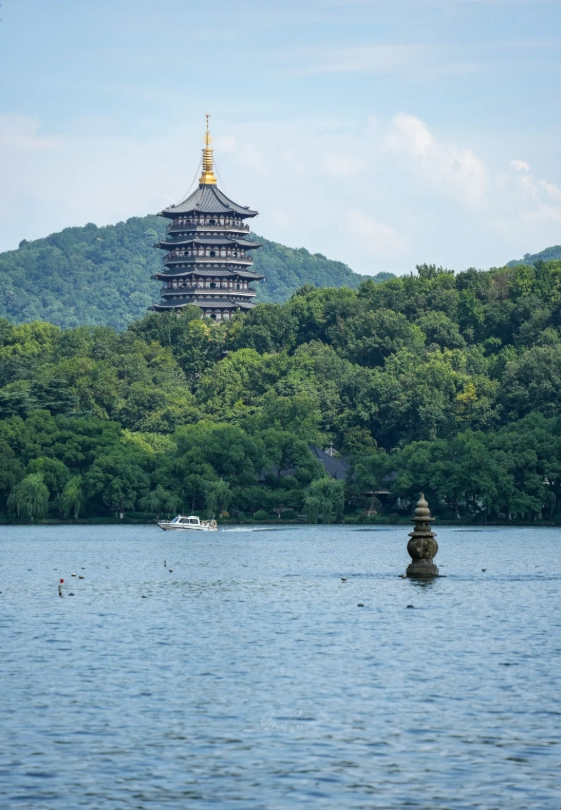
3 Sample Itineraries for 4, 8, and 12-Hour Hangzhou Airport Layovers
These plans are based on my own clock tests, factoring in immigration, transport, and buffer time. Let's assume you land at HGH and your next flight is in the given number of hours from touchdown.
4-Hour Layover: Stay Put
For a 4-hour layover, I recommend you stay in the airport. Use the Premium Lounge (domestic or international), catch up on sleep, and eat a decent meal. You'll be rested for your connection. If you absolutely must see something, take the free shuttle to the nearby "Xiaoshan South Road" area? No—that's not worth it. Trust me, just wait.
8-Hour Layover: West Lake Express
This is the perfect window for a 4-hour city blast. Here's the minute-by-minute plan:
- Land at HGH, clear immigration (30-40 min)
- Take Metro Line 1 from airport to Longxiangqiao (45 min, no traffic)
- Walk out of Exit C to West Lake. Stroll right along the lake toward Leifeng Pagoda (30 min walk)
- Rent a shared bike for ¥2 an hour and ride along the Su Causeway (30-45 min)
- Stop for lunch at "Kuiyue Restaurant" near the lake—get the Dongpo pork. (45 min)
- Head back to the subway at Longxiangqiao, allow 40 min to reach the airport.
- Arrive at airport 1.5 hours before departure for security and gates.
Total time: about 7 hours leaving you 1 hour buffer at the airport. This works if your onward flight is international.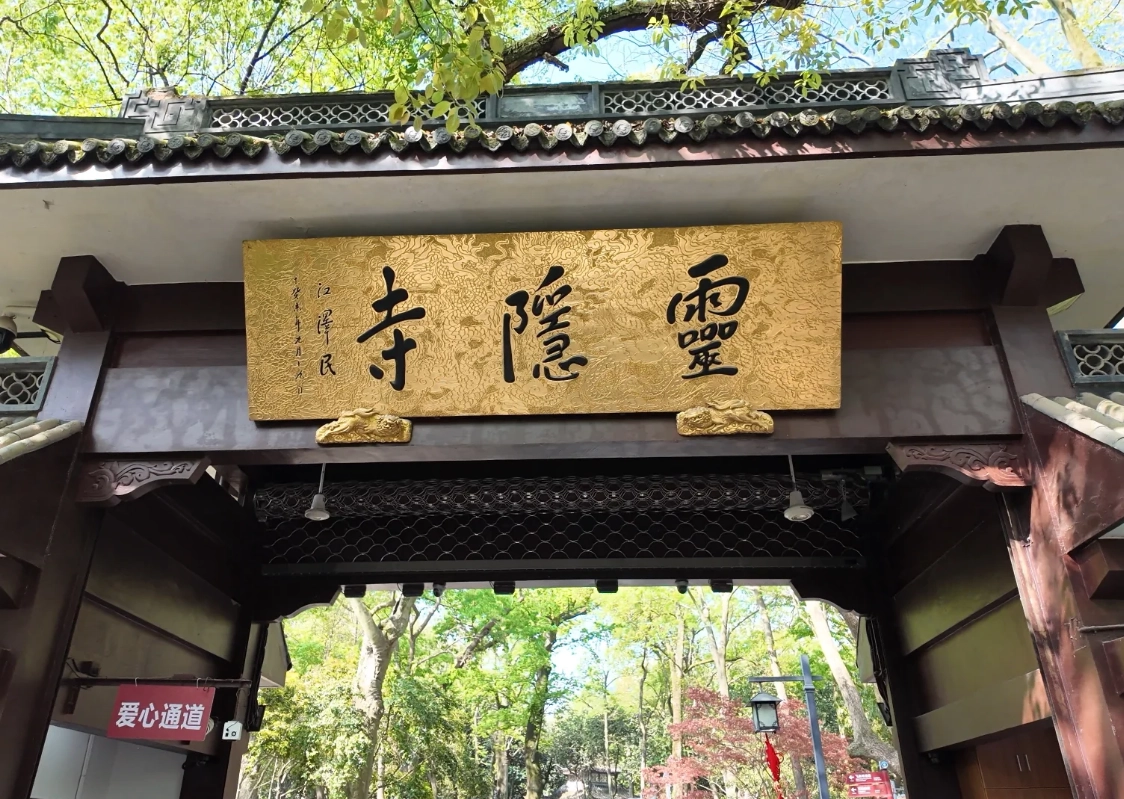
12-Hour Layover: Add Hefang Street and a Tea Moment
With 12 hours, you can explore the historic Hefang Street and sip a cup of Longjing tea. Follow the 8-hour plan, but after West Lake, take a 10-minute taxi to Hefang Street (or metro to Ding'an Road). Wander the old shops, taste "Su Dongpo" pastries, and even watch a silk-making demo. If you're short on time, there's a handy "Tea House" on the south end of West Lake—ask for 龙井茶 (Longjing tea).
A quick word of caution: Do not attempt to visit Lingyin Temple on a 12-hour layover—the queue to buy tickets often exceeds 90 minutes. Instead, I always send my groups to the lesser-known "Yunqi Bamboo Path" if they want greenery without the crowds. It's a 15-minute detour from the lake and totally peaceful.
Where to Eat Near the Airport and in the City
Airport food in Hangzhou is surprisingly decent, but why settle for that when you're in a food city? If you have time in the city, here's where to go:
| Place | Location | Must-Try | Price Range | Notes |
|---|---|---|---|---|
| Kuiyue Restaurant | Near West Lake (Jiefang Road) | Dongpo Pork, Longjing Shrimp | ¥80-150 per person | Famous local chain; English menu available |
| Zhijiang Hotel Rest. | Downtown | Stinky Tofu | ¥50-100 | A bit touristy |
| Hefang Street street snacks | Hefang Street | Chou tofu, candied fruit | ¥10-30 | Crowded, but authentic stalls |
| Airport Terminal 3 food court | Near Gate 48 | Dumplings, noodles | ¥30-80 | Open 24 hours for some spots |
My personal pick every time: Order the Dongpo pork at Kuiyue. It's a steaming, melt-in-your-mouth chunk of braised pork belly, and I always tell clients it's the ultimate hangover cure. If you're vegetarian, ask for the "jia chang dou fu" (home-style tofu) at any local restaurant—they'll understand.
One note on payment: most sit-down places expect Alipay or WeChat. Carry cash as backup for street carts.
FAQ: Hangzhou Airport Layover Questions
How long does it take to get through customs at Hangzhou Airport?
For foreign passport holders without a visa (but eligible for transit), it usually takes 20-40 minutes. If you land in a crowd, find the separate "transit" line—it's often shorter. Have your onward ticket and passport ready.
Can I leave the airport with a 24-hour layover in Hangzhou?
Yes, if you hold a 24-hour transit visa waiver. You'll be let in for up to 24 hours, but you must have a confirmed onward ticket with a third country. Always check with your airline before departure to ensure you're eligible. Some nationalities are excluded.
What should I do if I don't have a Chinese sim card?
Buy an eSIM for China in advance—Airalo and Nomad work well. Free Wi-Fi is available at the airport, but you'll need a phone number for verification on some apps; ask a local or use your hotel's number.
Is it safe to travel from the airport to the city alone?
Absolutely. Hangzhou is one of the safest cities in China, and the metro is clean and well-lit even at night. Just keep copies of your passport and avoid unmarked taxis—use the official queue.
How do I book a ride with Didi if I don't speak Chinese?
Open the Didi app, which has an English interface in China. Set your pick-up as the airport, and your drop-off as a Chinese address you've pre-saved. The app shows the price upfront, and you can text in Chinese or English. Alternatively, use the "Message" feature to ask the driver to wait.
This content has been fact-checked by the editorial team to ensure informational precision. But always confirm current visa regulations and transport schedules as they change regularly.






No comments yet.