 Yan Zhou
What’s Inside This Guide
Ten days in Hangzhou. Sounds generous, right? But most travelers waste them. I’ve seen it again and again — people stuck in queue lines, paying triple for taxis, or eating at touristy places that taste like cardboard. I’ve been guiding trips here for years, and I can tell you: the Zhejiang 240 hour visa is a golden ticket, but only if you know how to use it. So here’s the blunt truth: you don’t need a packed schedule. You need a smart one. This guide cuts through the noise and gives you the exact plan I use with my own clients.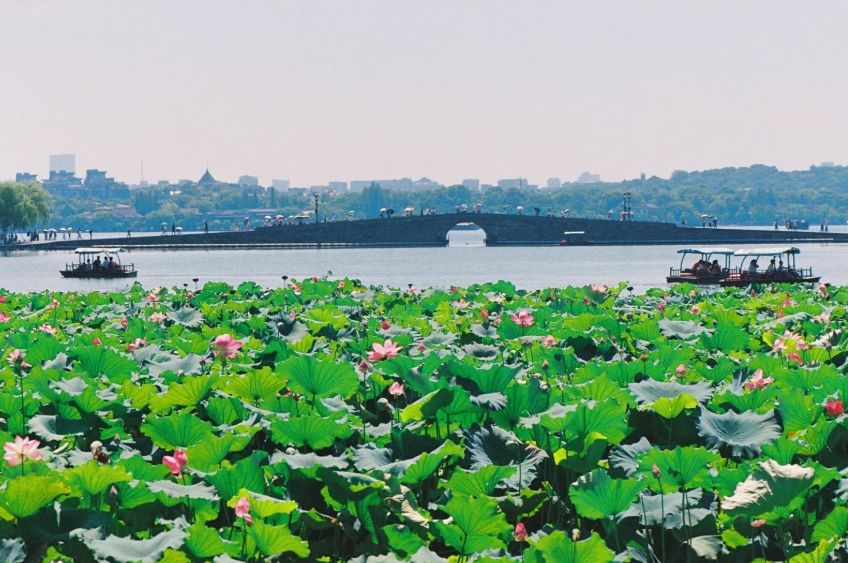
What Is the Zhejiang 240-Hour Visa and Who Qualifies?
The Zhejiang 240-hour visa is a transit visa that lets you stay in Zhejiang Province for up to 10 days without a regular tourist visa. It’s part of China’s visa-free transit policy, which has been expanded in recent years. To use it, you must be a citizen of one of the approved countries, and you need to show a connecting flight ticket to a third country or region within 240 hours. You enter through designated ports — Hangzhou Xiaoshan International Airport is the most common gateway. The entire provincial scope of Zhejiang is open to you, which is fantastic because it includes Hangzhou, Wuzhen, Moganshan, and more.
Here’s the catch: this visa is not for everyone. If you plan to stay longer or visit other provinces, you need a regular visa. Also, you must have a passport valid for at least 6 months with at least one blank page. Before your trip, double-check the latest regulations on the official Chinese immigration website, because policies can change.
How to Enter Hangzhou Using the 240-Hour Visa
Entering with the 240-hour visa is straightforward, but you need to avoid a few rookie mistakes. First, when you book your flights, make sure your arrival and departure are from different international destinations — but that’s not always required. Actually, the policy typically requires you to arrive from and depart to two different countries, so you’ll need a printed itinerary to show the immigration officer. At the airport, follow the signs for “Transit Visa-Free” and fill out the arrival card. Have your passport and booking confirmations ready. The process usually takes 20–30 minutes, but on busy days it can stretch to an hour. I always advise my clients to keep a physical pen in their carry-on — the airport ones often run out.
Once you clear immigration, you’ll be in China for 240 hours. The clock starts ticking from the moment you enter. So if you land at 3 PM, your 10 days end at 3 PM ten days later. Do not miss your departure flight, because overstaying brings heavy fines and future visa problems.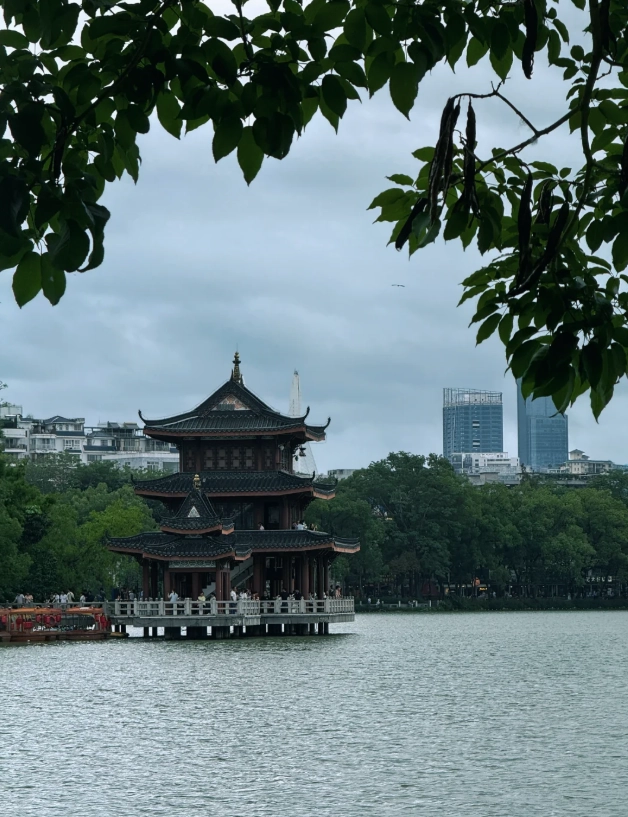
My 10-Day Zhejiang Itinerary: Hangzhou and Beyond
This is the itinerary I use for my clients — it balances the famous sights with local corners that don’t require pushing through shoulder-to-shoulder crowds. I’ve broken it into four parts so you can adjust based on your energy levels.
Day 1–2: West Lake Essentials
Start at West Lake, but don’t do the full loop on your first day. I always tell people to begin with the Broken Bridge (Baoding) area — it’s the most iconic view, and it’s near the city center. Arrive before 8 AM to catch the mist over the lake; by 9 AM, tour groups flood in. Walk from Broken Bridge to Bai Causeway, then rent a bike or take a boat. The best boat spot is near the Sun Yat-sen Memorial Wharf; a shared boat costs around 55 RMB per person. In the afternoon, explore the Zhejiang Provincial Museum on Gushan Island — it’s free, but you need your passport to book a ticket. Pro Tip: The museum’s exhibition on Liangzhu culture is world-class and usually empty.
For day two, I suggest the quieter southern side of West Lake. Head to Leifeng Pagoda (entrance 40 RMB) but skip the interior if you’re not into modern elevators — the view from the base is just as good. Walk to the Chinese Tea Museum in Longjing Village; it’s free, and you’ll see working tea terraces. Bring your passport for the free entry pass.
Day 3–4: Temples and Tea Forests
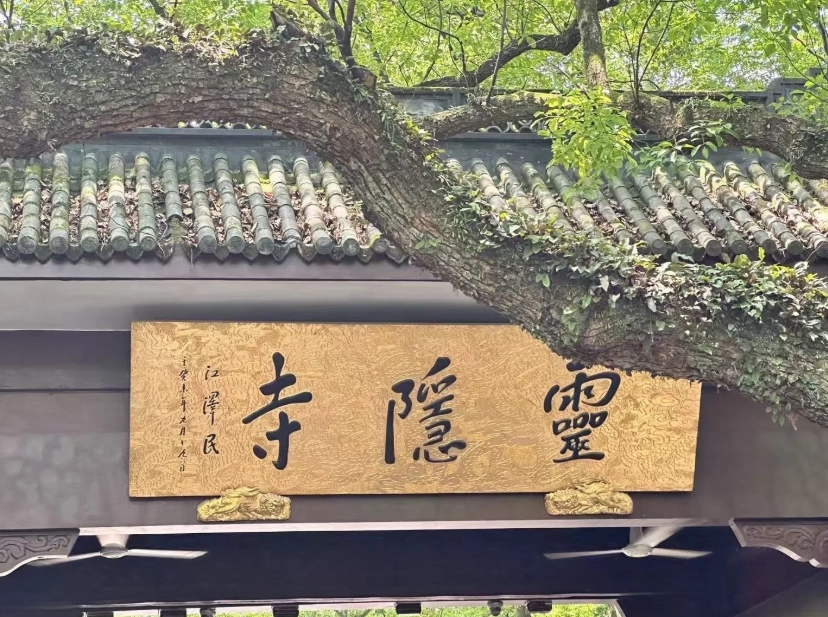
On day three, visit Lingyin Temple — but forget the “tourist advice” you’ve read online. The temple itself is magnificent, but the surrounding Feilai Peak carvings are the real treasure. Admission to the peak is 45 RMB, and to the temple is 30 RMB. Come at 8 AM to have the stone grottoes almost to yourself. By 10 AM, the crowds arrive. Ask a guard to point out the “Laughing Buddha” carving; it’s easy to miss. In the afternoon, walk to the nearby Taohua Peak for a view the tour groups never get.
Day four is for Meijiawu Tea Village — skip Longjing Village itself, it’s become a bit of a tourist trap. In Meijiawu, you can sit in a local tea house and watch the tea-picking process. My favorite is “Tea House of Uncle Chen” — just look for the faded sign across from the old well. He charges around 50 RMB for unlimited tea and a mountain snack. Tell him I sent you, he’ll throw in a free bamboo steamer of dumplings.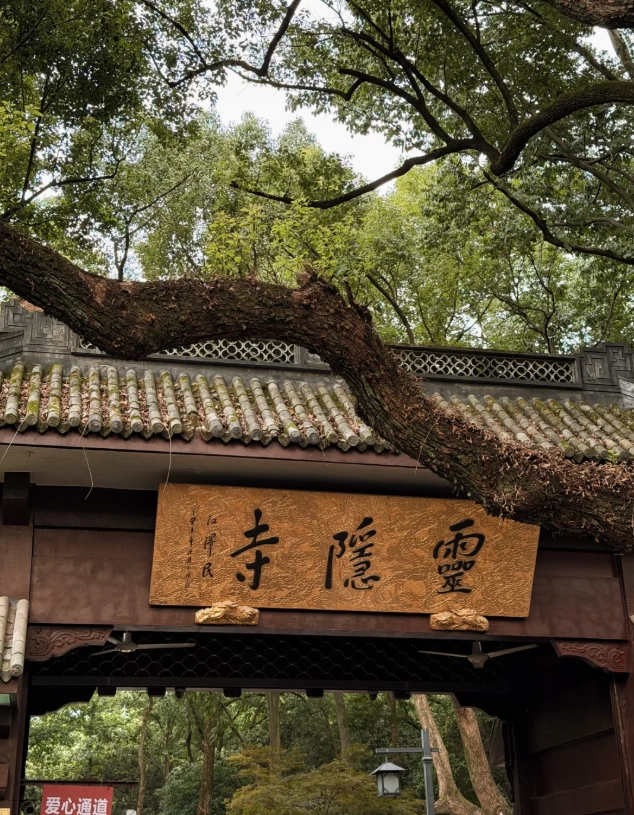
Day 5–7: Day Trips to Wuzhen and Beyond
Use your visa’s province-wide freedom to explore. One day in Wuzhen (about 1.5 hours by bus from Hangzhou) is enough. The East and West Scenic Areas are both nice, but the West Scenic Area (Xizha) is more photogenic at night. If you’re on a budget, stay overnight in a local inn to watch the sunset over the canals — it’s magical.
Another great day trip is Moganshan, a mountain retreat about an hour north of Hangzhou. The bamboo forests are unreal. The hardest part is transport — no train station, so book a private car or hike the old trail from Ganshan Town. I recommend downloading the Amap app beforehand, because road signs are scarce. For a taste of ancient sea, visit the China Maritime Museum near Shaoxing, but only if history interests you.
Day 8–10: Slow Living and Backstreets
The last three days should be slow. My clients always thank me for this. Explore the Xinyi Alley district, a cluster of old residences-turned-boutiques. It’s free, but you need a passport entry ticket. Spend an afternoon at the Ruoheng River — take a small boat through the marshlands, it’s less known than West Lake but equally charming. If you’re into fashion, check out the Little Clock Tower area for indie shops. End your trip at the Hangzhou Olympic Sports Center if the weather is clear — the view over the Qiantang River from the footbridge is stunning.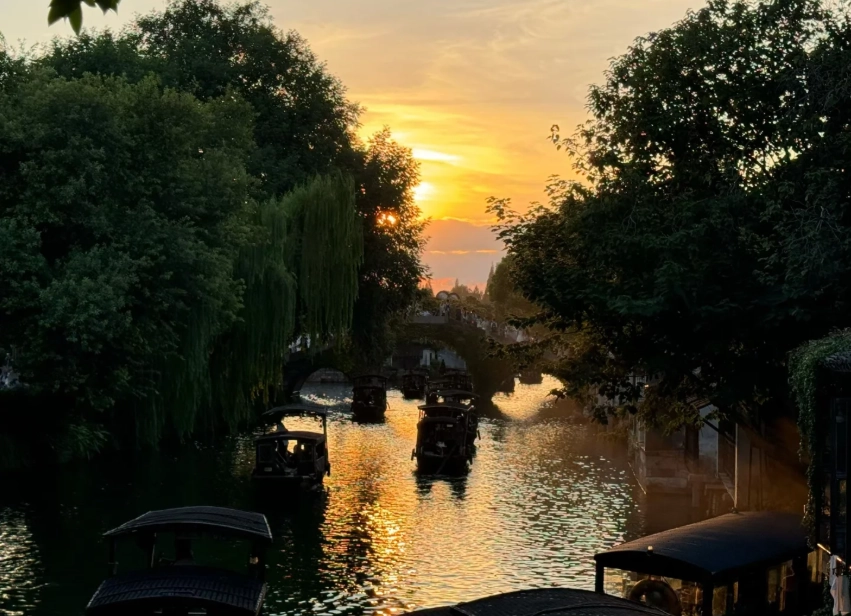
Practical Tips for Using the Zhejiang 240-Hour Visa
Here’s where I save you from the usual headaches. Let’s talk about the things that often trip up first-time visitors.
Paying Without a Chinese Bank Card
Alipay and WeChat Pay are accepted almost everywhere, but you need to set them up properly before you arrive. Download Alipay and link your international credit card — it works for most foreign cards now. WeChat Pay is trickier, but you can use Alipay even at street vendors. Carrying cash is fine for small purchases, but don’t expect any place to accept foreign credit cards directly. I’ve seen too many travelers stuck because they assumed their Visa card would work in hotels. It doesn’t — so always have Alipay ready.
Navigating Without Google Maps
Google Maps is not reliable in China because it doesn’t sync with local data. Use Apple Maps if you have an iPhone — it surprisingly works well in Hangzhou. Even better, download Amap (高德地图) and switch it to English. Amap gives you real-time bus info and even shows which subway exit leads to a specific attraction. Pro tip: before you head out, write down your destination’s Chinese characters and show them to the taxi driver, or paste them into the driver’s app.
Booking Tickets in Advance
Most attractions in Hangzhou require advance reservation with your passport number. The official WeChat mini-programs are in Chinese, which can be a nightmare. My advice: use Trip.com or Klook for tickets to popular spots like Lingyin Temple, West Lake boat rides, and even the high-speed rail to Wuzhen. They accept international cards and send e-tickets instantly. For the provincial museum, book directly on their English site or ask your hotel concierge for help.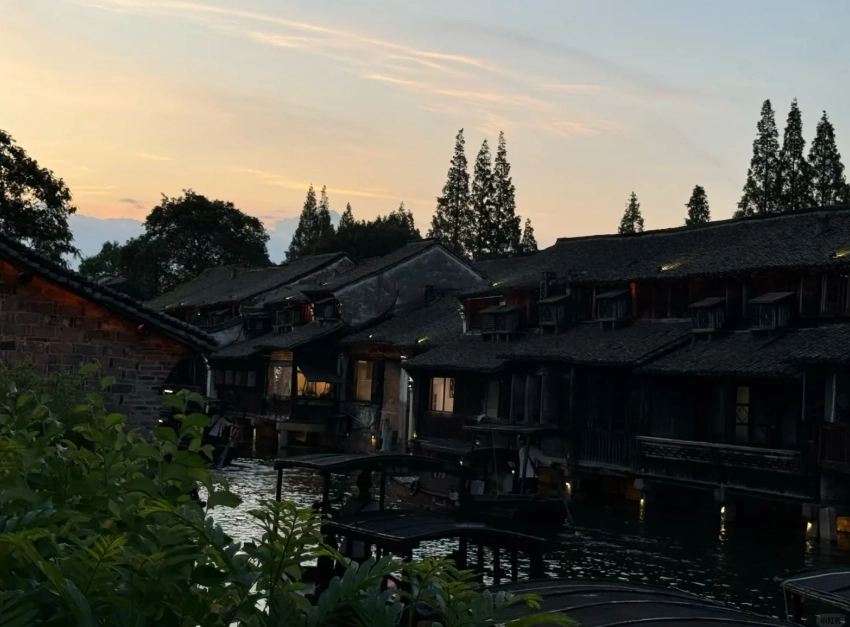
Where to Eat: Local Favorites
Hangzhou cuisine, the “Hangbang” style, is lighter and sweeter than northern Chinese food. Here are three places I personally take my clients.
- Grandma’s House (外婆家): This is the most famous chain, but locals know the original near Wulin Square. Try their Dongpo Pork — it’s fatty, sweet, and melts in your mouth. Expect lines starting at 5 PM, so go early or book through Dianping (via app).
- Lanzhou Noodle at the Ex-Box: Not traditional, but the hand-pulled noodles are legit. It’s tucked in a side alley near the West Lake Museum. You won’t find it on English menus in tourist guides.
- Tea House at Meijiawu: Not just tea — they serve seasonal dishes like wild rice stem and bamboo shoots. The green tea fish soup is a local secret. Yes, it sounds decent, it tastes unreal.
Where to Stay: Budget to Luxury
Your hotel location matters more than the hotel itself. Pick a place near a metro station to save time. Here’s a quick comparison based on my own stays.
| Hotel | Area | Price (RMB/night) | Best For |
|---|---|---|---|
| Home Inn (Wulin Square) | Downtown, near metro | 250–350 | Solo explorers, budget travelers |
| Four Points (West Lake) | South side, 5-min walk to lake | 800–1200 | Couples, families |
| Amanfayun | Lingyin Temple area | 4000+ | Luxury seekers, honeymooners |
| Moganshan Country House | Moganshan village | 600–900 | Nature lovers, digital detox |
All of these have stable Wi-Fi and English-speaking staff at the front desk. If you book a local guesthouse, ask if they have elevator — many old buildings don’t.
Common Mistakes to Avoid on the Zhejiang 240-Hour Visa
Let’s be honest, there are some things that even experienced travelers mess up. Here are the top mistakes I see:
- Not printing your flight itinerary: Immigration officers sometimes ask for proof of your onward ticket. Always carry a printout, not just a screenshot.
- Overpacking your days: You have 10 days, not 10 minutes. Trying to see every temple will burn you out. Slow down.
- Ignoring the seat-reservation system on high-speed rail: For day trips, book your seats days in advance on Trip.com. Show up 30 minutes early; the line to enter is longer than you think.
- Exchanging money at the airport: The rate is awful. Use Alipay or WeChat for everything, or withdraw RMB from an ATM with your foreign card — the exchange rate is far better.
FAQs: Your Zhejiang 240-Hour Visa Questions, Answered
Verified and fact-checked by the editorial team. This content has been fact-checked to ensure informational precision.






No comments yet.