 Ting Chen
Jump to the Good Stuff
- Why Flights to Dali Are Cheaper Than You Think
- How to Book Flights to Dali Like a Pro
- Getting from Dali Airport to the Old Town: Step-by-Step
- Top Things to Do in Dali After You Land
- Where to Stay in Dali: Best Areas for First-Timers
- What to Eat in Dali: Local Dishes You Must Try
- Frequently Asked Questions About Flights to Dali
You’ll love Dali. But flying into it blind? That’s where the trouble starts. I’ve been bringing travelers here for years, and I still see the same mistakes — overpaying for taxis, booking the wrong airport transfer, and missing the best side of Yunnan because they followed outdated advice.
So let’s talk about flights to Dali — specifically, how to snag a good deal and how to nail your arrival without wasting time. Booking flights to Dali isn’t complicated, but it has a few quirks that catch foreigners off guard, like the fact that many international credit cards don’t work on Chinese booking sites.
Here’s the short version: the airport bus into town costs 25 yuan, the best time to fly in is early morning to beat the crowds, and you should always book your airport pickup through your hotel or a trusted app like Trip.com if you’re arriving after 8 PM.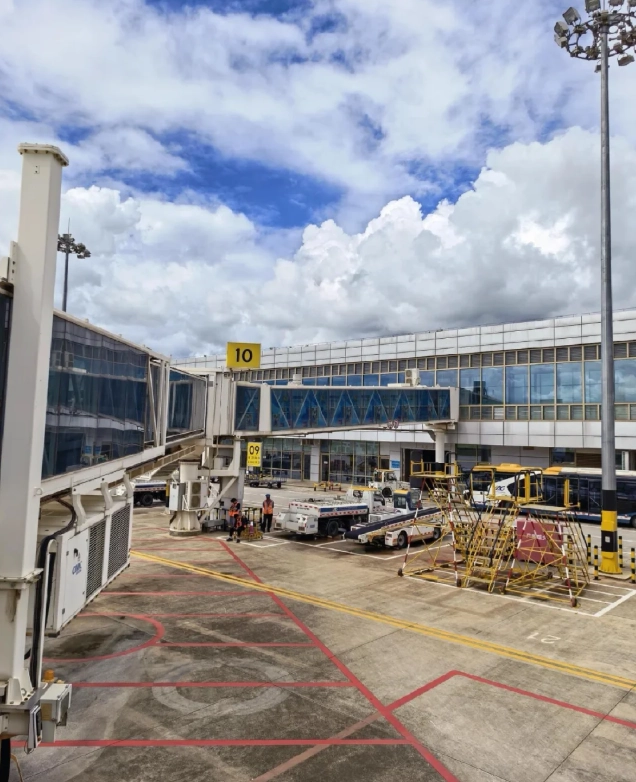
Why Flights to Dali Are Cheaper Than You Think
Most travelers assume Dali is expensive to reach because it’s a tourist hotspot — but that’s simply not true. Dali Airport (DLU) is a regional hub, and because it’s connected to major Chinese cities like Kunming, Shanghai, and Beijing, airlines often run competitive fares to fill seats. The catch? You need to know how to look.
I always tell my clients to fly into Kunming first if they can’t find a direct flight to Dali. From Kunming, the high-speed train to Dali takes about 2 hours and costs 145 yuan in second class. But if you have limited time, direct flights from Shanghai or Guangzhou can be cheaper than a connecting itinerary if you book during off-peak days.
Another secret: Chinese domestic airlines like China Eastern, China Southern, and Lucky Air frequently have deals on their WeChat mini-programs. But since foreigners often struggle with WeChat Pay, I suggest using Trip.com or Ctrip (which is the same company) to book. They show the same fares and allow international card payments. In fact, Trip.com has a feature that lets you compare prices by month — use it to spot the cheapest weeks.
Here’s a tip: avoid flying on Fridays and Sundays. That’s when locals are traveling, and prices spike. Tuesdays and Wednesdays are your best bets.
How to Book Flights to Dali Like a Pro
Booking flights to Dali isn’t just about the cheapest fare — it’s about avoiding hidden fees and getting the right airport transfer included. Many budget tickets don’t include checked luggage, and if you show up with a suitcase, you’ll pay a hefty fee at the counter.
Before you book, check the baggage allowance carefully. If you’re flying with a discount airline like Lucky Air, you might need to pay extra for hold luggage. I always book a ticket that includes at least 20kg of checked baggage to be safe.
Now, how to actually book:
- Use Trip.com or Skyscanner, but set the currency to CNY — sometimes that avoids a markup.
- Sign up for a Trip.com account and use their price alerts for your route.
- Check the Dali Airport website (if it has English) or the official Chinese carrier sites for any special promotions.
- Once booked, download the Trip.com app to manage your booking — you’ll need it for flight status updates.
Another pro tip: if you’re flying domestically from a city like Chengdu or Kunming, the train is often faster than the flight when you factor in airport security and transfers. For example, Kunming to Dali by train is 2 hours from city center to city center, while the flight is 40 minutes but you need to be at the airport 2 hours early, plus the ride from the airport to your hotel. The train wins for most travelers.
But if you’re coming from farther away, like Beijing or Shanghai, direct flights to Dali save you a whole day.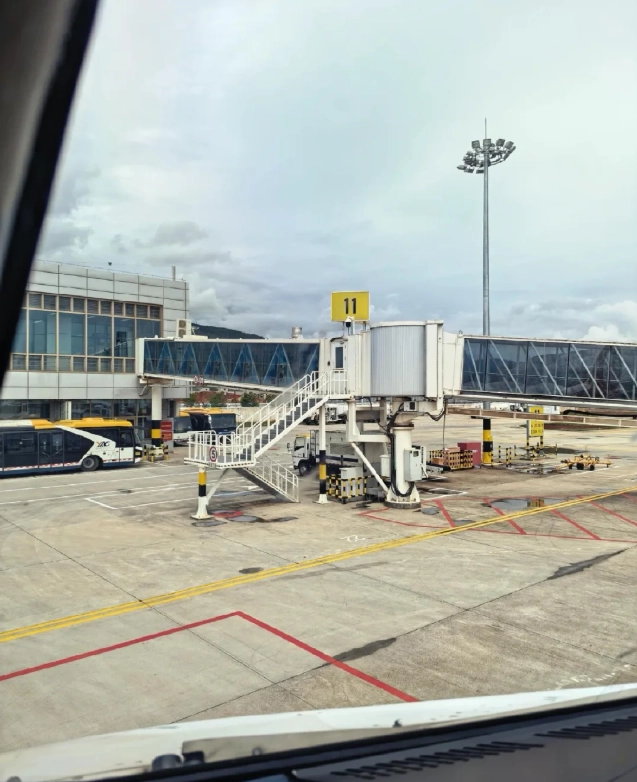
Getting from Dali Airport to the Old Town: Step-by-Step
Dali Airport is small and manageable — you’ll be out of the arrival gate within 20 minutes if you don’t stop at the currency exchange. That’s the good news. The bad news is that the taxi drivers outside might try to charge you triple the normal rate. Here’s how to avoid being ripped off.
Option 1: Airport Shuttle Bus
Look for the official airport bus sign (in Chinese: 机场大巴). It runs to the Dali Ancient City (大理古城) every 30–60 minutes, depending on the season. The cost is 25 yuan, and it drops you off at the south gate of the old town. From there, you can walk or take a short taxi to your hotel.
I always take the bus myself — it’s the same route, half the price, and you don’t have to argue with anyone.
Pro Tip: If you arrive in the afternoon, don’t take a taxi from the airport. Take the shuttle bus to the old town, then use Didi to reach your hotel. You’ll save about 50 yuan.
When you’re on the road, don’t rely on Google Maps — it’s inaccurate in China. Use Apple Maps or download AMap Global for English-friendly directions.
Option 2: Didi / Ride-hailing
If you have Didi set up (you can install the app and use an international card), a taxi from the airport to the old town should cost about 60–80 yuan. The local taxis are usually fine, but make sure the driver turns on the meter. If they refuse, just say 'bye' and find another one.
Note: Didi’s English interface is available, and you can set your pickup to the airport. I recommend ordering a Didi to the airport exit — it’s actually easier than finding a taxi because the taxi wait can be long.
Option 3: Private Transfer
Many hotels in Dali offer airport pickup for around 100–150 yuan. It’s more expensive, but if you’re arriving after dark or have heavy luggage, it’s worth the peace of mind. You can book this through your hotel directly or on Trip.com.
Important: don’t get into unlicensed cars waiting outside the terminal. They’ll target you with all sorts of stories about the bus being full. The bus isn’t full. Just walk past them.
Top Things to Do in Dali After You Land
Dali isn’t just the old town — it’s a whole region with lakes, mountains, and Bai ethnic culture. Here are my favorite spots, based on hundreds of trips.
Dali Old Town
The heart of Dali, with cobblestone streets, traditional Bai houses, and a laid-back vibe. Wander around the Renmin Road (人民路) for street food and cafés. The old town is free to enter. I usually spend at least two hours strolling, but you can easily spend a full day.
Best time to go: early morning (before 9 AM) or late afternoon to avoid tour groups.
Erhai Lake
This is the stunning freshwater lake that hugs Dali’s east side. You can cycle along the Erhai Lake Ecological Corridor — a 100+ km path for bikes and pedestrians. Rent a bicycle near the lake for 20–30 yuan per hour. For the best view, head to Caicun (才村) or Xiaguan (下关). I recommend going at golden hour — around 5 PM in the summer and 4 PM in the winter.
Note: some sections of the corridor require an entrance fee (about 10 yuan) but most are free.
Three Pagodas of Chongsheng Temple
These are the iconic three pagodas at the foot of Cangshan Mountain. Entrance is 75 yuan (adult) and free for kids under 1.2m. Bring your passport — you’ll need to scan it at the ticket office. It’s about 15 minutes by taxi from the old town north gate. I usually recommend sunrise here because it’s less crowded and the light hits the pagodas perfectly.
Cangshan Mountain
Take the cable car up for panoramic views of Erhai Lake and the old town. The Gantong Cable Car (感通索道) costs 100 yuan one-way. The mountain is best in the morning. Make sure you carry a light jacket even in summer — it can be chilly at the top.
Xizhou Town
This is a quieter, more authentic Bai town about 18 km north of Dali. You can get there by bus or taxi. It’s famous for the Xizhou Baba (a type of flatbread). Many visitors skip it, so you’ll have more elbow room. It’s also a great place to try Bai-style architecture.
I always bring travelers to Xizhou on a Sunday morning when the local market is buzzing.
Where to Stay in Dali: Best Areas for First-Timers
If it’s your first time in Dali, stay inside the old town or just a minute’s walk from the gates. That way, you’re close to restaurants, shops, and the main bus stops. Here are my top picks for different budgets.
| Area | Distance to Old Town | Price Range (per night) | Best For |
|---|---|---|---|
| Inside the Ancient City | 0 – walking | 200–600 yuan | Couples, photographers |
| Near the South Gate | 5 min walk | 150–400 yuan | Budget travelers |
| Erhai Lake side | 15 min drive | 300–1200 yuan | Views, relaxation |
Here’s my practical advice: if you want luxury, choose a hotel on the lake side but verify that it has electric bikes or easy taxi access. If you’re on a budget, look for guesthouses near the south gate of the old town — they’re often cheaper and surprisingly quiet.
A quick note on payments: most hotels in Dali accept Alipay and WeChat Pay. Don’t expect to pay by foreign credit card unless you’re at a high-end chain. Always carry some cash as a backup because some small guesthouses might not have POS machines that accept international cards.
What to Eat in Dali: Local Dishes You Must Try
Dali food is a blend of Bai and Yunnan flavors — fresh, spicy, and often sour. Here are the dishes you shouldn’t miss.
Picked Chicken (凉鸡)
This is a cold chicken dish with a spicy vinegar dressing. You’ll find it at any local restaurant. The heat can be intense, so ask for 'shaola' (少辣) if you’re not used to spice.
Dali Milk Fan (乳扇)
A cheese-like disk made from cow’s milk, often fried or grilled and served with sugar or rose jam. It’s unique to Dali. Try it at the morning market on the street.
Baotou (饵块)
These are thick rice cakes grilled and topped with chili sauce. They’re a local breakfast staple. I always grab one from a street vendor near the north gate.
Where to eat? I personally love the night food street along Renmin Road. Look for the stalls with the longest queues — that’s a sign of locals. If you’re looking for a sit-down restaurant, try 'Duan’s Kitchen' (段氏厨房) on Fuxing Road; it has an English menu and is quite popular with foreigners.
Don’t forget to try the local puer tea. Many teahouses offer free tastings — if you can hold back from buying immediately.
Frequently Asked Questions About Flights to Dali
Verified and fact-checked by the editorial team.






No comments yet.