 Wei Zhang
What's inside
I'll be honest—when I first took a group to Shangri-La in January, I was nervous. The altitude (3,450m), the cold, the possibility of road closures. But by day two, every single person thanked me for pushing them. Snow-covered prayer flags, empty monastery halls, and hot yak butter tea by a fire. This is not the Shangri-La you see in summer photos. This is better.
For foreigners, winter adds a layer of complication: shorter daylight, fewer buses, and the need for solid preparation. But the payoff is immense. You get the serenity that makes this place feel truly like the mythical Shangri-La. Below is exactly how to pull it off—based on my 8 winters leading tours here.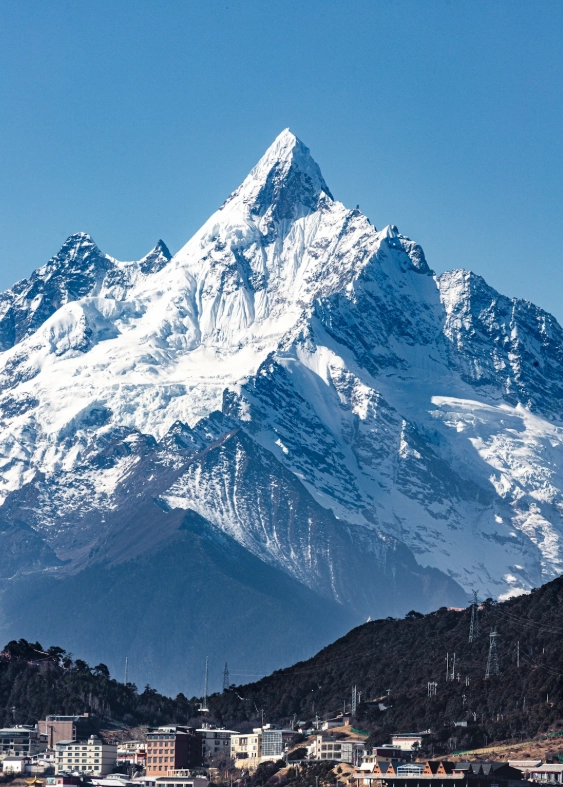
Why visit Shangri-La in winter?
Most tourists come between May and October. In winter (November–March), visitor numbers drop by 70%. That means no queuing for photos at Songzanlin Monastery, personal attention from monks, and cheaper hotel rates (often 40% less). Snow transforms the landscape into a black-and-white Tibetan painting. The air is crisp, visibility is high, and on clear days you can see the Meili Snow Mountain range from the old town.
Caveat: some attractions close. The nearby Balagezong Grand Canyon shuts its high-altitude glass bridge in heavy snow. But the core—monastery, old town, Pudacuo National Park—remains open.
How to plan your Shangri-La winter itinerary
Day 1: Arrival and acclimatization
Fly into Diqing Shangri-La Airport (DIG)—direct flights from Kunming, Chengdu, and occasionally Shanghai. Avoid arriving after 4pm; the sun sets around 6pm and you want time to adjust.
Getting to the old town: Take a taxi (fixed price 30 RMB, ~15 minutes). Show the driver: “独克宗古城” (Dukezong Ancient Town). I recommend staying inside the old town—hotels like Jinmaoji Boutique Hotel have heated beds and English-speaking staff. Prices in winter: 200–400 RMB/night.
Critical tip for Day 1: Do NOT shower. The hot water can trigger altitude sickness. Instead, walk slowly around the old town, visit the Tibetan Medicine Museum (free, good for warming up), and drink plenty of water. Dinner at Compass Restaurant (大众点评 4.8 stars) for yak burger and Tibetan hot pot—they accept Alipay/WeChat but also cash. No international credit cards.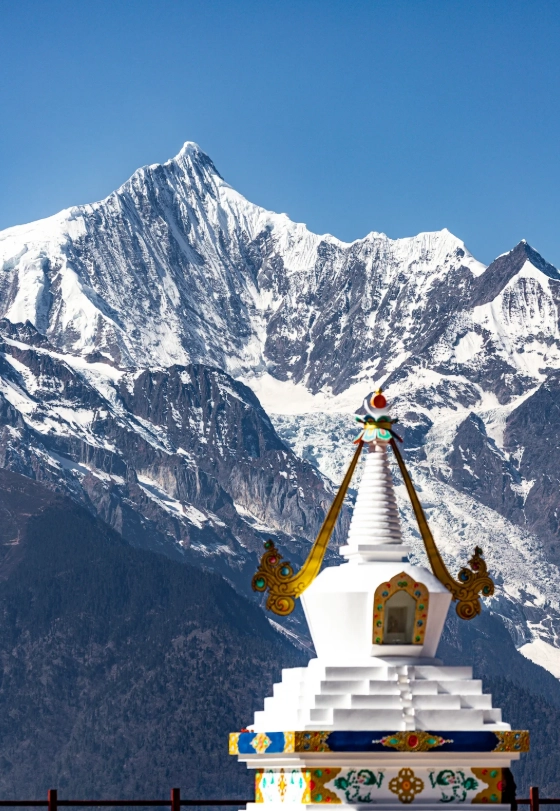
Day 2: Songzanlin Monastery & Old Town
Songzanlin Monastery (Ganden Sumtseling)—the “Little Potala Palace.” Tickets: 90 RMB (winter price, no discount for students). You must book in advance. Foreigners can book via Trip.com using a passport number. No need for WeChat mini-programs. Opening hours: 8:00–16:30 (last entry 16:00).
Transport: Take bus #3 from the old town (2 RMB, coins only) or taxi (20 RMB). Get off at “松赞林寺” stop. Arrive by 9am—crowds start around 10:30. Inside, follow the clockwise kora path. I always tell my groups: “Don't wear sunglasses or hats inside the main prayer hall—it's disrespectful.”
Afternoon plan: Return to Dukezong Old Town. Climb the Giant Prayer Wheel (free, 200 steps—take breaks!). The golden wheel against snow is my favorite photo spot. For lunch, Maojiang Noodle House (address: 独克宗古城北门街15号) serves a mean beef noodle soup—40 RMB, cash only.
Evening: Join a Tibetan dance circle in the square after 7pm. Locals pull you in—don't be shy. It's the best free cultural experience.
Day 3: Pudacuo National Park or alternative
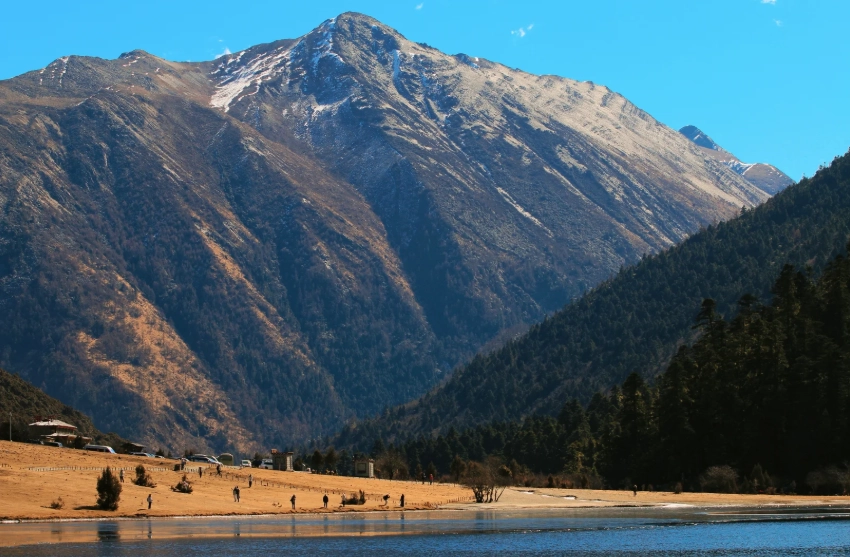
Pudacuo National Park is open in winter (entrance fee 100 RMB + 70 RMB bus). The lakes might be frozen, but the snowy forests are stunning. Take the first bus from the visitor center at 8:30. Important: The park's two sections (Shudu Lake and Bitahai) are connected by internal shuttle. Bitahai's lakeside trail can be icy—wear crampons (you can buy them for 20 RMB at the park entrance shop).
If it's snowing heavily: Skip Pudacuo and go to Napahai Lake instead. It's a wetland just 10 minutes from town by taxi (30 RMB). In winter, it's a frozen plain where you can walk safely—fewer tourists, more yaks. I once saw a group of Tibetans ice-skating with wooden planks. Magical.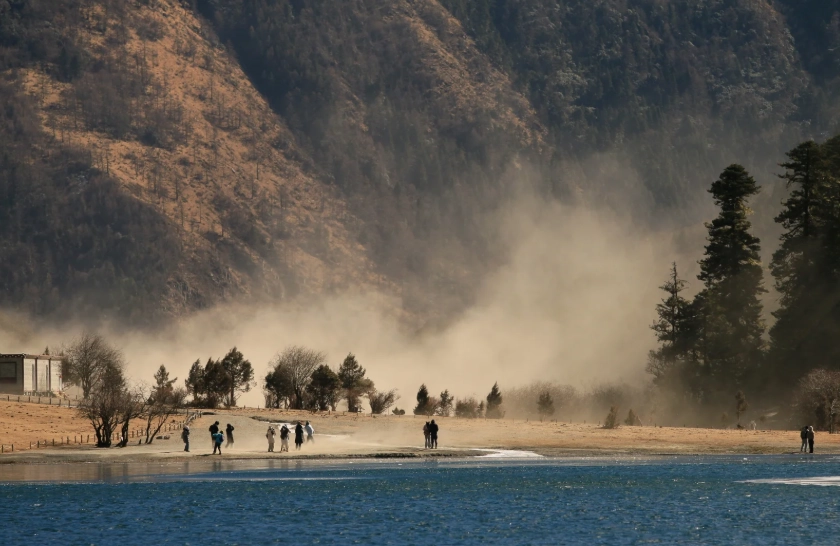
Day 4: Fly to Lhasa or head back?
Many travelers combine Shangri-La with a trip to Lhasa. Flights from DIG to Lhasa are available on Sichuan Airlines (around 500–800 RMB, 2 hours). But check weather—cancellations happen. Alternatively, take a bus to Lijiang (4 hours, 80 RMB) for warmer Yunnan winters.
Insider tips for foreign travelers
- VPN is essential. Google Maps won't work—use Apple Maps (it uses Gaode data). Download offline maps before you arrive. For navigation, I recommend AMap Global but it's Chinese-only. Better to ask your hotel to write addresses in Chinese for taxi drivers.
- Payment: Alipay and WeChat Pay are king. Link your international card to Alipay (set up before trip). Always carry 500–1000 RMB cash for small eateries and entry to some temples. International credit cards are almost useless except in high-end hotels.
- Altitude sickness: The local pharmacy sells Diamox (acetazolamide) over the counter—ask for “乙酰唑胺”. Start taking half a tablet twice a day from Day 1. Also, avoid alcohol for the first 48 hours. I've had too many clients ignore this and end up with a headache.
- Dressing: Layering is key. Base layer (merino wool), mid-layer (fleece), outer (windproof down jacket). Shoes must be waterproof—the snow melts into slush on the streets. Gloves and a hat are non-negotiable; wind chill makes -5°C feel like -15°C.
FAQ about Shangri-La winter travel
Verified and fact-checked by the editorial team. Prices and schedules may change; always confirm locally.





Traveling solo in January, this guide felt like a recommendation from a friend who’d just come back. The highlight for me was the sunset spot behind Songzanlin — I sat on a low wall for an hour, watching monks disappear through a side door for evening prayers while snow dusted the mountains above. The itinerary’s pacing gave me space to just be there, not rush. Winter Shangri-La was everything I wanted, and this article helped me find it.
I’ve used a lot of China travel guides, and this one actually understands winter logistics. It tells you exactly which teahouses are open, when the last bus leaves, and how to adjust the lake loop if Napa Lake is too icy. I followed the backup plan for open-water reflections at the wetland bridge and got two hours of silence and cranes. Every detail I checked in person was accurate. This is the itinerary I’ll pass to every friend heading west in winter.
This article is the reason I went to Shangri-La in winter at all. I was worried about the cold, but the itinerary nailed the best parts. The early morning walk along the Old Town’s empty stone alleys after a light snowfall felt like stepping into a Chinese ink painting. Then sunset at Songzanlin’s rear gate, all quiet except for wind chimes and a monk sweeping the courtyard — I almost cried. Zero crowds, pure atmosphere. Can’t recommend it enough.
Very solid itinerary overall, with one caveat: it seems written for travelers who have their own car or deep pockets for private drivers. I had to change a few things and use local taxis. That said, the advice to visit Songzanlin before 8:30 absolutely worked — I had the east stairway almost to myself, and the frost on the golden roofs was stunning. The Shika Snow Mountain snowshoeing section was useful, though trail markers were a bit confusing after fresh snow. Worth it.
I’m a bit torn on this one. The writing is lovely and the photos are gorgeous, but I followed the 3-day plan in late January and the “secret” viewpoints weren’t as empty as promised. Maybe because I hit the weekend before Chinese New Year? Songzanlin was still busy, and the little courtyard restaurant recommended near Napa Lake was closed for the season. The itinerary itself is thoughtful, but I’d suggest calling ahead and checking local holiday dates before you commit.
I was skeptical about winter travel to high altitude, but this plan made it easy and rewarding. From the Golden Temple in the mist to the endless white meadow at Napa Lake, every stop felt like a private showing of Shangri-La. Dressing in layers and having good boots is key — the itinerary already says that and it's true. The only crowd was a herd of sheep crossing the road. 10/10.
This itinerary got me through a tough winter, honestly. The views at Pudacuo National Park were beyond words — frozen lake, snowy forest, and absolute silence. Our guide adapted well when the trail was icy, and the local hotpot and butter tea recommendation was a lifesaver. It felt intimate and unhurried, not a single selfie stick. I'd do it again in a heartbeat.
Absolute dream! Just back from Shangri-La and the winter itinerary described here was spot on. Sunrise at Songzanlin with frost on the rooftops and prayer flags cracking in the wind was magical. We walked across the old town when it snowed in the evening — silent, orange lanterns, steam from hotpot shops. Zero queues everywhere. Best decision to come in January.
Had a really good time overall. The scenery along the road to Napa Lake was stunning with fresh snow and yaks, and we had most of the viewpoints to ourselves. The only reason not 5 stars is our homestay heating was barely enough and the shower was not pleasant. Otherwise, the serene winter atmosphere was exactly what I needed.
Hmm, maybe I had too high expectations. The snowy scenery is gorgeous, no doubt, but the itinerary felt a bit oversold. We ended up at Songzanlin Monastery and the main hall was packed with tour groups despite the 'no crowds' promise. Winter charm is real but the cold made it hard to linger, and some restaurants were closed. Lovely if you go solo, but not as peaceful as I'd hoped.