 Yan Zhou
What You'll Learn Here
Let me guess—you've heard China opened up visa-free travel, but every website says something different. You're not alone. I've been guiding travelers on the ground here for years, and I cannot tell you how many times I've met someone stuck at the airport because they thought they could just show up. So let's clear the air.
Yes, China now offers several visa-free options. But the rules vary by nationality, port of entry, and even your onward destination. Miss one tiny detail—like not having a confirmed flight out—and you're denied boarding. I've seen it happen.
Here is the bottom line: most travelers from 54 countries can use the 144-hour transit policy in major cities. A handful of nationalities (like those from Singapore, Brunei, Japan?) can visit for up to 15 days without a visa. And a few lucky ones (think citizens of Mauritius, Belarus, etc.) get 30 days. But don't pack your bags yet—you need to follow exact steps.
Visa-free Schemes at a Glance
Let me break down the three main paths. I've put together a quick table so you can see which one applies to you.
| Scheme | Eligibility | Duration | Key Condition |
|---|---|---|---|
| 144-Hour Transit | 54 nationalities (US, UK, Canada, Australia, etc.) | 144 hours (6 days) | Must arrive and depart from the same or different approved ports; must hold a confirmed onward ticket to a third country (not back to origin). |
| 15-Day Visa-free | Singapore, Brunei, Japan (suspended?), San Marino? Actually check current list—it changes. As of 2025, Singapore and Brunei are solid. | 15 days | For tourism, business, or transit; must enter from specific airports (like Beijing, Shanghai, Guangzhou). |
| 30-Day Visa-free | Mauritius, Belarus, Fiji, Bahamas, etc. (a small group) | 30 days | Must be for tourism purposes; passport valid for at least 6 months. |
I know—the table looks dry. But these conditions will make or break your trip. Let me walk you through the most common one: 144-hour transit.
144-Hour Transit Without Visa
This is the golden ticket for most Western travelers. If you're from the US, UK, Canada, Australia, or most European countries, you can stay in certain Chinese cities for up to 6 days without a visa. Sounds great, right? But there are traps.
Which cities offer 144-hour transit?
The policy covers 20+ ports, including Beijing, Shanghai, Guangzhou, Chengdu, Xi'an, Chongqing, Shenzhen, and many more. But each port has its own rules. For example:
- Shanghai (plus Jiangsu and Zhejiang provinces): You can travel within the entire region, not just Shanghai city.
- Beijing: You only stay within Beijing municipality (sorry, no side trip to the Great Wall in Hebei? Actually the Great Wall is partly in Beijing, so it's fine).
- Guangzhou: Covers Guangdong province—yes, you can go to Shenzhen or Zhuhai.
The trick: Your entry and exit ports don't have to be the same, but they must be within the same region. For example, fly into Shanghai Pudong and out of Shanghai Hongqiao—totally fine. Fly into Shanghai and out of Beijing—not allowed under Shanghai's 144-hour policy.
Documents you absolutely need at check-in
I always tell my clients to bring three things:
- Your passport with at least 6 months validity.
- Confirmed onward flight ticket to a third country (not your origin). For example, if you're flying NYC→Shanghai→Tokyo, that's fine. NYC→Shanghai→NYC, not fine.
- Hotel reservation for your stay in China. The airline may ask for it.
I once had a guest who forgot his return-ticket printout. The airline agent in London spent 40 minutes calling the Chinese immigration hotline. He finally made it, but missed his connection. Don't be that guy—print everything.
15-Day Visa-free for Select Countries
If you hold a passport from Singapore, Brunei, or a handful of other nations, you can enter China without a visa for up to 15 days. As of 2025, the list is small but stable. Here's the catch:
- You must enter through certain international airports: Beijing, Shanghai, Guangzhou, Chengdu, Xi'an, Kunming, Hangzhou, Xiamen, and a few others.
- The purpose must be tourism, business, or transit—not study or work.
- No extension is possible; you must leave within 15 days.
For Singaporeans, this is a breeze. I've seen families just land at Pudong, show their passport, get a stamp, and walk out. No forms, no fees. For others, double-check the official list because it changes without much notice.
Step-by-Step: How to Enter Without a Visa
Let's imagine you're a US citizen planning a 5-day stopover in Shanghai on your way to Bangkok. Here's exactly what to do:
- Book your flights: Ensure your onward flight departs within 144 hours (6 days). For Shanghai, you can exit from any port in the Yangtze River Delta region (Shanghai, Nanjing, Hangzhou, etc.).
- Get a printed itinerary: Airlines often ask for proof of onward travel. Have it handy.
- Fill out the arrival card on the plane. Under 'Visa number,' write 'TWOV' (Transit Without Visa).
- At immigration: Go to the designated 144-hour transit counter (look for signs in English). Hand over your passport, boarding pass, and hotel reservation. The officer will ask your itinerary—answer clearly.
- Receive a temporary entry permit (a small slip stapled inside your passport). Keep it safe—you'll need it when exiting.
- Enjoy your trip! But remember: you can't leave the permitted region. If you fly into Shanghai, you cannot dash to Beijing.
I've done this with dozens of guests. It's smooth as long as you have the right documents. One hiccup: if your onward flight is canceled, you must visit the local exit-entry administration to adjust your stay. So always have travel insurance.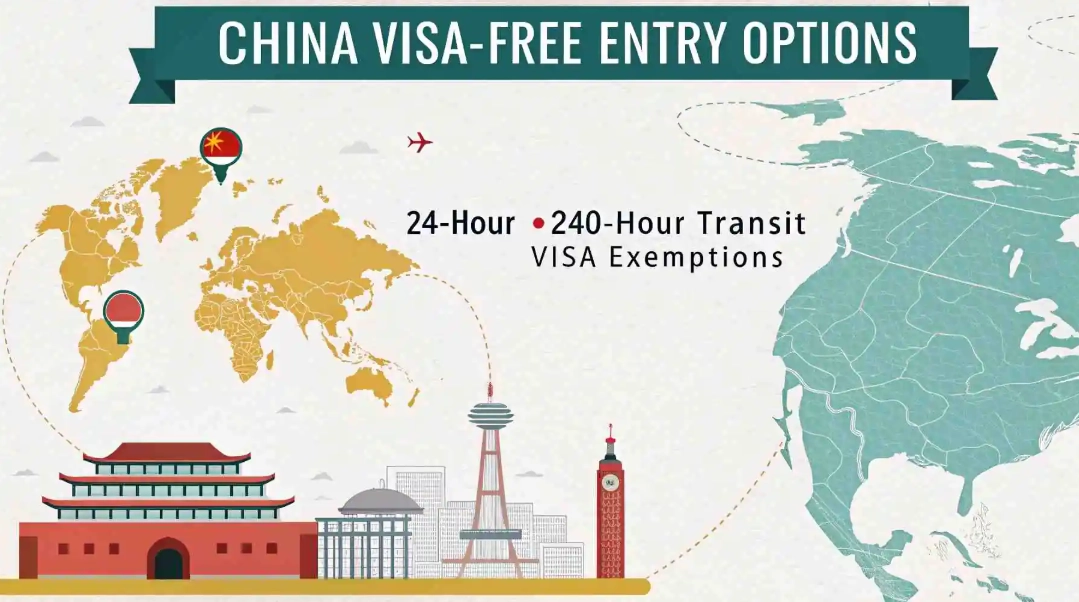
Payments, Navigation & Other Realities
Now, let's talk about the real pain points—the ones that make travelers curse even after they've breezed through immigration.
1. Payments: Cash is king, but digital is god
China is virtually cashless. You need Alipay or WeChat Pay. International credit cards work in some hotels and high-end malls, but forget about using them at street food stalls, metro ticket machines, or even many restaurants. Before you arrive:
- Download Alipay and link your international credit card (Visa, Mastercard, Amex). The setup takes about 10 minutes. I prefer Alipay because it has an English interface.
- Carry some Chinese yuan (renminbi) as backup. You can exchange at airport banks—bring your passport.
- If a taxi driver says 'No WeChat, no cash,' they're lying. But prepared anyway.
2. Navigation: Google Maps is useless
This is the number one mistake I see. Google Maps is blocked in China and even with VPN, its data is inaccurate. Use Apple Maps (works surprisingly well for English speakers) or download Baidu Maps (but it's in Chinese). For getting around:
- Use Didi (China's Uber) via its miniprogram in Alipay. It'll handle translations for the driver.
- Always have addresses written in Chinese characters from your hotel or a printed card. Show it to taxi drivers.
- Metro: big cities have English signs and announcements. Buy a single-journey token at the machine (cash or Alipay).
One afternoon I guided a couple who'd been lost for an hour because they relied on Google Maps. We were only 500 meters from the Forbidden City. Don't be them.
3. VPN and SIM cards
If you need Google, Instagram, Facebook, or WhatsApp, you need a VPN installed before you leave home. Most free VPNs don't work; invest in a reliable one like ExpressVPN or NordVPN (I use Express).
For connectivity: buy a local SIM card at the airport (China Unicom, China Mobile, or China Telecom). They often sell tourist packages with high data caps. Or use an eSIM from Airalo or Holafly—easier but may not work with some VPNs.
Common Mistakes & How to Avoid Them
I've been doing this for eight years, and I still see the same blunders. Here are top three:
FAQ
Verified and fact-checked by the editorial team.

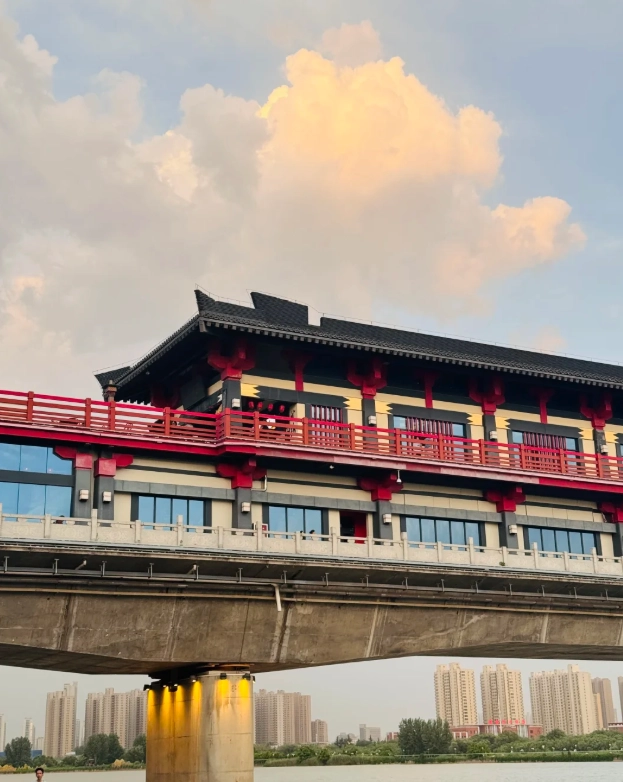






I was a little nervous coming in because I’d read mixed reports about visa-free entry requirements. Turned out—zero issues! Landed in Shenzhen from Singapore, showed my return ticket and hotel booking, got the 144-hour stamp, and was through in 15 minutes. What really stood out was how affordable everything was: a room with an amazing view cost me under $40 a night, and the local night market was a feast. The only thing to remember is that this is transit visa-free, so you need an onward ticket to a third country. Didn’t apply to me since I was heading to Vietnam, but worth flagging. Highly recommend using it if you qualify!
As someone who travels a lot through Asia, the visa-free policy was a lifesaver. I did the 144-hour transit in Chengdu and was shocked at how straightforward it was. No visa application, no fees, just my passport and a confirmed onward flight to Bangkok. The officer was actually friendly and even smiled when I said I was here for the pandas! What really surprised me was the cost of everything—street food for less than $2, metro rides for pennies, and stunning temples with zero entry fees. This policy made my whole trip unforgettable. I’m already planning my next stop through Shanghai!
Honestly this was the easiest travel experience I’ve ever had! I flew into Beijing with a 10-day visa-free stay, and the whole process took less than 20 minutes. The immigration officer just scanned my passport, checked my hotel reservation, and stamped me through. No forms, no fees, no drama. I spent three days in Beijing, then hopped on the high-speed rail to Xi’an—so smooth, so cheap, and the food was unreal. If you’ve been hesitating, don’t. Just make sure your passport has at least 6 months validity and you’re golden.
Decent guide overall, but it skimmed over some important costs like domestic flights and visa-free extension options. I came with a 144-hour permit and nearly missed my connection due to a train delay. Lucky for me, the staff at Guangzhou South were super helpful and pointed me to a quick exit process. The policy is great if you’re organized, but don’t expect any flexibility if your plans change. I still recommend it, just pack some patience and print everything in advance.
I’ll be honest, I loved the concept of visa-free travel to China but found the actual entry process a bit more confusing than expected. The 240-hour rule sounds simple until you realize you have to keep track of which cities are eligible and how exactly your itinerary fits. I did manage to sort it out, but the airport officer spent a good 10 minutes double-checking my onward ticket and hotel booking. Once I was in, the experience was amazing—Shanghai blew me away. I just wish the official instructions online were clearer so I didn’t have to rely on random travel forums.