 Qiang Huang
I've lost count of how many times I've seen tourists stuck at the airport, confused about their visa-free stay. 'But I printed my ticket!' they say. Yeah, but did you check the entry port? Let me save you from that nightmare.
Planning a China 240-hour visa-free itinerary isn't just about picking cities. It's about navigating a system that changes faster than Shanghai's skyline. I've helped dozens of travelers who booked flights but forgot to register their hotel stays — and got denied entry. Here is the truth: if you don't have a confirmed hotel reservation, many immigration officers will turn you away.
So here's my golden rule: always book your first night accommodation before you land, and have your hotel confirmation printed. Most immigration officers ask for it. Trust me, that piece of paper saves you 30 minutes of questioning.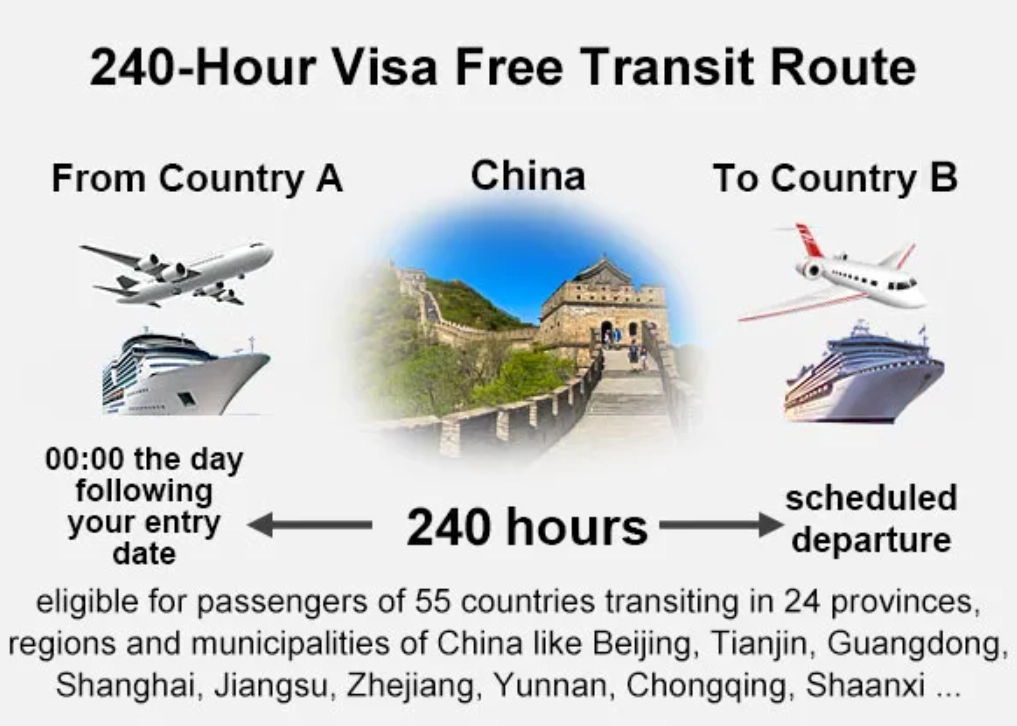
Quick Navigation
- What Is the 240-Hour Visa-Free Policy and Who Can Use It?
- How to Plan Your 240-Hour Visa-Free Itinerary: Step by Step
- Day-by-Day Itinerary: Shanghai, Suzhou, and Hangzhou
- Where to Stay: Best Hotels for Foreign Travelers
- What to Eat: Must-Try Dishes and Restaurant Tips
- Common Pitfalls and How to Avoid Them
- Frequently Asked Questions
What Is the 240-Hour Visa-Free Policy and Who Can Use It?
The 240-hour visa-free transit policy allows citizens of 53 countries (including the US, UK, Canada, Australia, and most EU nations) to stay in certain areas of China for up to 10 days without a visa. The catch? You must fly directly from a third country into one of the designated ports (like Shanghai Pudong, Beijing Capital, Guangzhou Baiyun) and then fly out to a third country (not back to where you came from). The area you can travel is restricted to the province or region of entry. For example, if you enter through Shanghai, you can visit Shanghai, Jiangsu, and Zhejiang provinces — but not Beijing or Guangdong.
One common mistake: people think they can take a domestic flight to another city outside the region. I once had a guest who booked a flight from Shanghai to Xi'an, thinking it's within the region. It's not. He had to rebook and lost a day. So double-check the allowed area.
You'll also need a passport with at least 6 months validity, and the immigration officer may ask for proof of onward travel and hotel bookings. I always recommend having printed copies of everything — though digital copies on your phone might work, airport WiFi is notoriously unreliable.
How to Plan Your 240-Hour Visa-Free Itinerary: Step by Step
Let me walk you through the planning process. I've refined this over dozens of trips with foreign guests.
Step 1: Check your eligibility. Visit the official Chinese immigration website or simply search '240-hour visa-free eligible countries'. If you're from one of the 53, you're good.
Step 2: Book your flights. You need an inbound flight to a designated port and an outbound flight to a third country (different from where you came from). For example, London -> Shanghai -> Tokyo works. London -> Shanghai -> London does not. The outbound flight can be up to 240 hours after entry. I suggest booking flexible tickets because flight delays happen.
Step 3: Reserve accommodations. Every hotel you stay at must be registered with the local police. Most hotels do this automatically when you check in with your passport. But if you stay at an unregistered Airbnb, you might have problems. Stick to licensed hotels. I use Trip.com for booking because it's foreigner-friendly and accepts international credit cards.
Step 4: Prepare your documents. Print out your flight itinerary, hotel confirmations, and a copy of your passport info page. Keep them in a folder. Even though some airports accept digital copies, I've been told by immigration officers that printed copies are preferred.
Step 5: Set up your digital lifeline. Before departure, install these apps: Alipay (bind your international credit card), WeChat (for messaging and payments), Didi (for ride-hailing — much better than taxis), Apple Maps (works well in China, Google Maps is unreliable), and a translation app (Baidu Translate or Apple Translate). Also, buy a physical SIM card or eSIM that works in China. VPN is mandatory because sites like Google, Facebook, Instagram are blocked. Set up a reliable VPN before you leave.
Step 6: Understand payment. Cash is still accepted but many small vendors prefer mobile payments. I always carry about 2000 RMB in cash as backup, but 90% of places accept Alipay. International credit cards are only accepted at high-end hotels and large stores. Don't rely on them.
Day-by-Day Itinerary: Shanghai, Suzhou, and Hangzhou
Here's an itinerary I've personally tested with clients. It balances iconic sights with enough flexibility for jet lag or rainy days.
| Day | City | Activities | Transport | Tips |
|---|---|---|---|---|
| 1 | Shanghai | Arrive, check in, evening walk on the Bund | Airport to hotel: taxi or Didi (about 30 minutes from Pudong) | Night view is best at 7pm when lights turn on. Avoid weekends. |
| 2 | Shanghai | Yuyuan Garden, Shanghai Tower, French Concession | Metro lines 10 and 2 | Yuyuan is crowded in the morning; go after 3pm. Shanghai Tower tickets can be booked on Trip.com. |
| 3 | Suzhou | High-speed train to Suzhou (30 min), visit Humble Administrator's Garden, Pingjiang Road | Train from Shanghai Hongqiao to Suzhou | Book train tickets on 12306 (use Trip.com for English). Garden requires advance booking. |
| 4 | Suzhou | Suzhou Museum, Tiger Hill, evening canal cruise | Walking or taxi | Museum is free but must be reserved via WeChat mini-program. Ask hotel to help. |
| 5 | Hangzhou | High-speed train to Hangzhou (1 hr), West Lake, Leifeng Pagoda | Train from Suzhou to Hangzhou | West Lake is huge; rent a bike or take the sightseeing bus. Avoid noon heat. |
| 6 | Hangzhou | Lingyin Temple, Longjing Tea Village | Bus 7 or Didi | Tea village is free to wander; try tea tasting but watch out for overpriced leaves. |
| 7 | Hangzhou | He Fang Street, afternoon traditional tea ceremony | Walking | Great for souvenirs. Bargain politely. |
| 8 | Shanghai | Return to Shanghai, visit Shanghai Museum, Nanjing Road | High-speed train | Museum is free, ID required. Close by 5pm. |
| 9 | Shanghai | Shanghai Disneyland or Zhujiajiao Water Town | Metro Line 11 to Disney | Disney is expensive (about 500 RMB) but less crowded on weekdays. |
| 10 | Departure | Leave from Shanghai Pudong | Airport taxi 45 min | Arrive 3 hours early for international flight. |
One thing I always tell my clients: day 1 and day 10 are essentially travel days. Don't plan too many activities on those days. Also, if you get tired, skip a sight and just enjoy a café. It's your holiday, not a race.
Where to Stay: Best Hotels for Foreign Travelers
I've stayed at dozens of hotels in these cities. Here are my top picks that balance comfort, location, and foreigner-friendly service.
| City | Hotel | Address | Price per night (RMB) | Best for | Payment |
|---|---|---|---|---|---|
| Shanghai | The Bund Hotel | 20 Guangdong Road, Huangpu District | 800-1500 | Couples, first-timers | Alipay, international cards |
| Shanghai | Courtyard by Marriott Shanghai Xujiahui | 1000 Caoxi Road North | 600-1000 | Business, families | Accepts all cards |
| Suzhou | Jinjiang Inn Suzhou Guanqian Street | 809 Renmin Road | 300-500 | Budget travelers | Cash, Alipay |
| Suzhou | Pan Pacific Suzhou | 259 Xinshi Road | 700-1200 | Luxury, quiet | International cards |
| Hangzhou | Shangri-La Hangzhou | 78 Beishan Road | 900-2000 | Lakeside view | All major cards |
| Hangzhou | Hangzhou Westlake Youth Hostel | 103 Nanshan Road | 100-200 | Backpackers | Cash, Alipay (no cards) |
A tip: when booking, use Trip.com or Booking.com. Some hotels on Chinese platforms might not accept foreign passports easily. Always message the hotel in advance to confirm they can register foreign guests.
What to Eat: Must-Try Dishes and Restaurant Tips
Food is a highlight of any China trip. Here are my recommendations for each city, based on dozens of meals with my guests.
Shanghai: Xiao long bao (soup dumplings). Head to Jia Jia Tang Bao (No. 170 Huanghe Road). It's a tiny shop, so expect a 30-minute queue. They have an English picture menu. My must-order is the classic pork xiaolongbao (12 RMB for 8). Cash or Alipay only. Pain point: no credit cards.
Suzhou: Squirrel-shaped Mandarin Fish (songshu guiyu). Go to Songhelou Restaurant (118 Taijian Lane). A bit pricey (around 200 RMB per person), but the sweet-and-sour flavor is iconic. They accept Alipay and WeChat Pay but no international cards. I personally find the fish a bit too sweet, but most people love it.
Hangzhou: Dongpo pork. Lou Wai Lou (30 Gushan Road) is the historical choice. The pork is melt-in-your-mouth fatty. Around 150 RMB per person. They have an English menu. Payment: Alipay or cash. Avoid going at peak dinner time (6-7pm) as the wait can be over an hour.
A general tip: always carry small bills for street food. Many street vendors only accept cash or Alipay. And if you have dietary restrictions, learn the Chinese phrases or use a translation app. Most restaurants are not vegetarian-friendly unless they are specialized.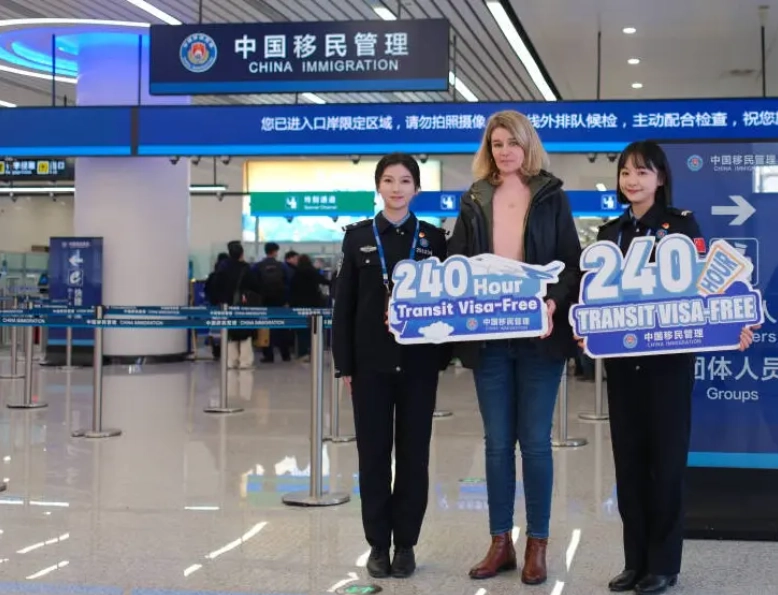
Common Pitfalls and How to Avoid Them
I see these mistakes made by travelers every single month. Don't be that person.
1. No printed hotel confirmation: As I said, print it. I've seen people turned away because the officer couldn't access digital files.
2. No VPN installed before departure: You can't download VPN after landing in China because many sites are blocked. Do it at home. I recommend ExpressVPN or NordVPN.
3. Underestimating the weather: Summer in Shanghai is hot and humid; winter is cold and damp. Check the forecast and pack accordingly. I've had guests who brought only summer clothes in December.
4. Not pre-booking popular attractions: The Forbidden City? It was filled days in advance during holidays. Use Trip.com to book must-see spots. For smaller attractions, you can buy tickets on the spot.
5. Relying on taxis: Taxi drivers often don't speak English and may refuse to go to short distances. Use Didi. It's like Uber. You can type your destination in English, and the driver follows the map. I always have a Chinese note with my destination written by the hotel.
6. Assuming you can use Google Maps: It doesn't work accurately. Apple Maps works, but I prefer using Baidu Maps (in Chinese). For walking directions, just use Apple Maps.
7. Running out of cash: While mobile payments are everywhere, you'll need cash for small vendors, some taxis, and temple donations. Withdraw from ATMs using your international card (HSBC and Bank of China ATMs are reliable).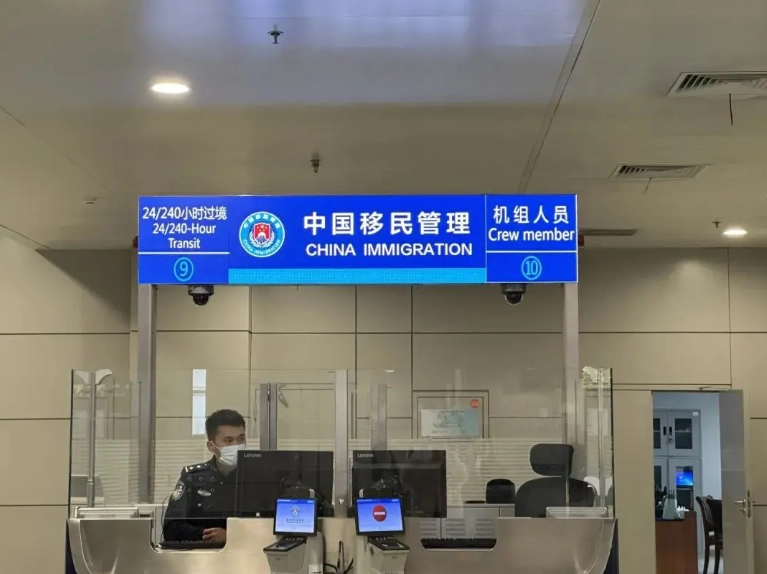






Just came back from using this itinerary and I'm still buzzing! It struck the perfect balance between must-see sights and quiet corners. The author clearly knows what traveler's actually need — there were backup ticket options and even QR code links for booking hotels near the train stations. Zero hiccups with the visa-free entry. This is the only guide you need for a 10-day China sprint.
This guide is a gem. It turned a confusing visa rule into a stress-free 10-day adventure. The itinerary flowed perfectly — I walked the Bund at sunset exactly when the author suggested, and it was magical. The notes on metro passes and mobile payment apps were spot on. I've already recommended it to three friends who are planning their own trips. Honestly, couldn't ask for a better blueprint.
Absolutely fantastic resource! As someone who had never dealt with China's visa-free transit before, this itinerary made everything feel doable. The day-by-day breakdown was clear, and I loved that it included a packing section tailored for the weather in each city. I followed it almost exactly and had the best 10 days of my life. The Great Wall sunrise tip alone is worth five stars.
Really useful outline for a first-timer navigating the 240-hour transit policy! I liked how it split the days between Beijing, Xi'an, and Shanghai — though I do wish there were more restaurant suggestions sprinkled in. The bullet-point format made it easy to copy into my own notes. Also, double-check the train times; the ones listed were a bit optimistic, but overall it saved me hours of research.
Decent overview but I felt a bit rushed following this itinerary. The 10-day plan crams too many cities in my opinion — we spent almost every morning on a train and barely scratched the surface in each place. The visa-free logistics were explained well, but I wish it included more specific time-saving tips for transfer hubs like Beijing South or Shanghai Hongqiao. It’s a good starting point, but not the relaxed trip I was hoping for.