 Ting Chen
Quick Navigation
I’ve been guiding travelers through Ganden Sumtseling Monastery for over a decade. And every single time, someone gets their camera yelled at by a monk. Not fun. The biggest headache? There’s no clear English sign listing the photography rules. So you end up guessing—and often guessing wrong. Let me save you that embarrassment. Here’s exactly what you can and cannot shoot, plus how to get those postcard-worthy images without trouble.
Bottom line upfront: You can photograph the exteriors freely. Inside the main prayer halls, photography is strictly forbidden—no exceptions. But there are plenty of incredible spots outside that will fill your memory card. I’ll show you where and when.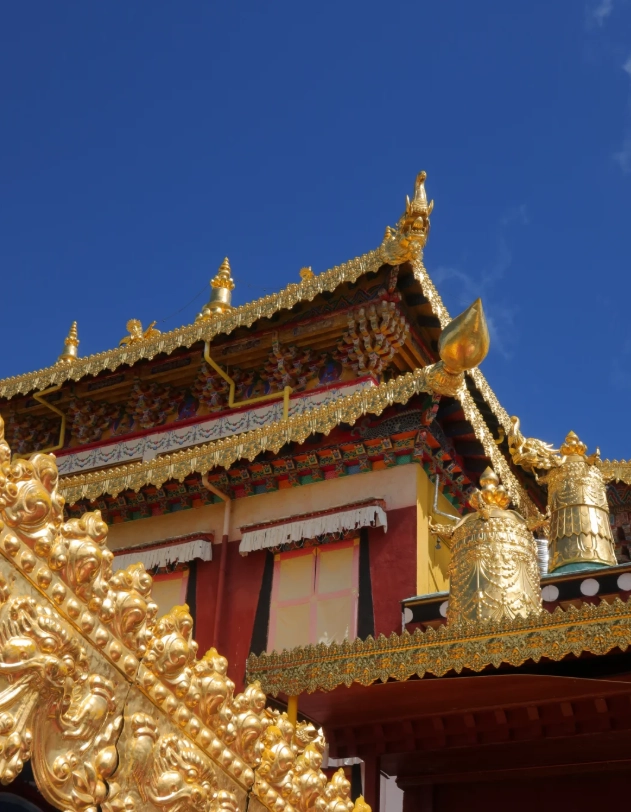
Why Photography Rules Matter Here
Ganden Sumtseling (also called Songzanlin Monastery) is the largest Tibetan Buddhist monastery in Yunnan, often nicknamed the “Little Potala Palace.” It’s a living religious site, not a museum. Monks live, pray, and study here. The photography rules exist to protect their sanctity and prevent disruption. Flash photography inside can damage centuries-old murals and thangkas. More importantly, it’s about respect. I’ve seen tourists get escorted out for ignoring warnings—don’t be that person.
Official Photography Rules at Ganden Sumtseling
Let me break down exactly what’s allowed and what’s not. This isn’t posted clearly anywhere, so consider this your cheat sheet.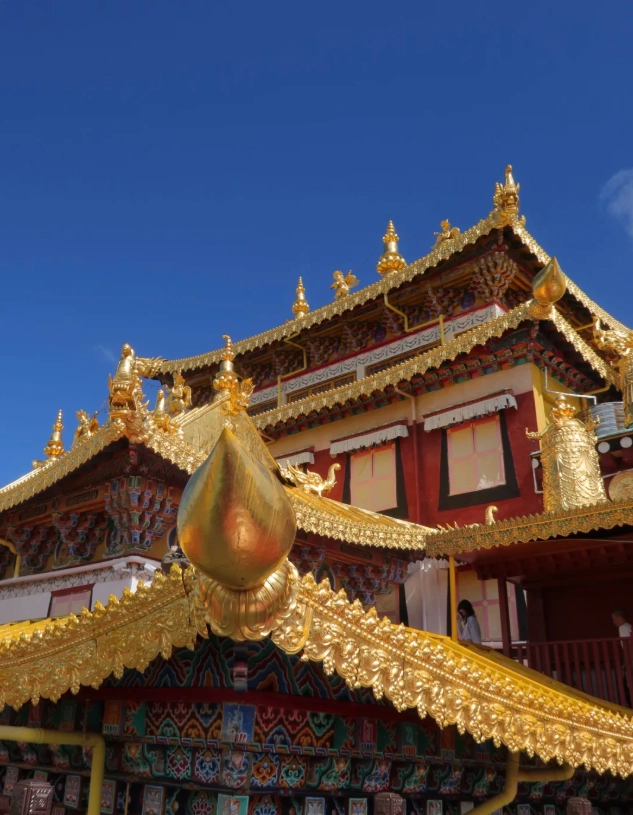
| Area | Photos Allowed? | Notes |
|---|---|---|
| Outer courtyards & buildings | Yes | No restrictions; tripods allowed but be mindful of crowd |
| Prayer wheel corridor | Yes | Avoid photographing monks’ faces without permission |
| Main Assembly Hall (Zhacang) | No | Strictly banned; put camera away before entering |
| Buddha halls inside | No | Same rule; security guards watch closely |
| Lama’s residence area | No | Private; not open to public photography |
| Monks in traditional robes | Ask first | Most will smile if you gesture politely; some say no |
Best Spots for Photos (Inside & Out)
You don’t need to sneak shots inside—the outdoor architecture is jaw-dropping. Here are my go-to locations: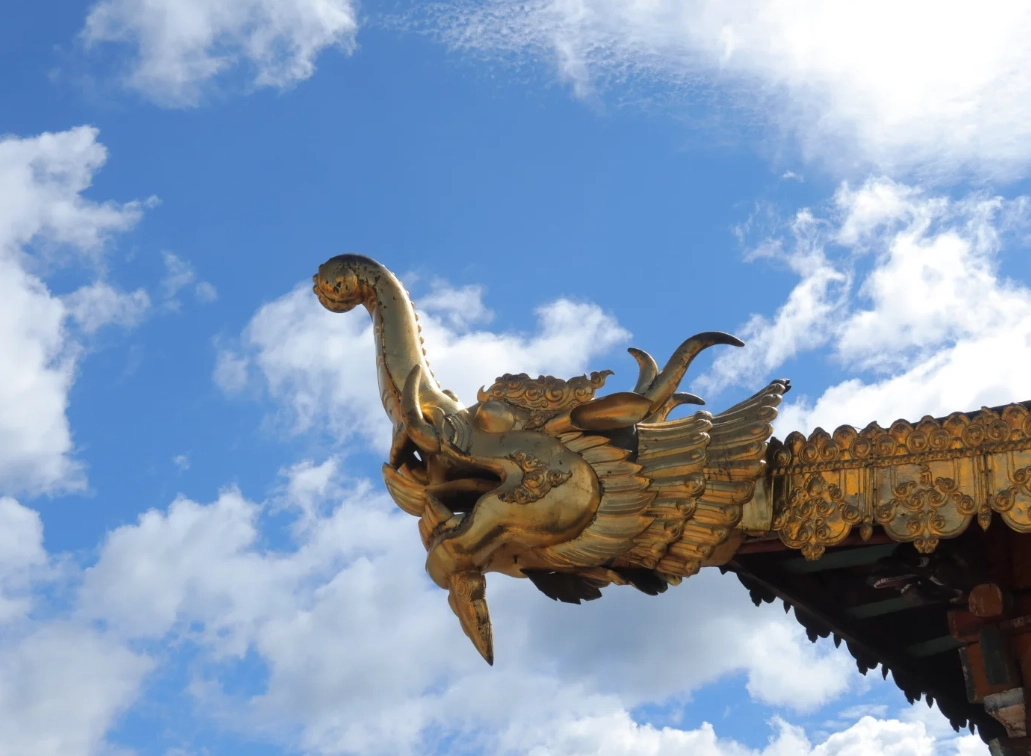
1. The Main Staircase Leading to the Monastery
This is the classic shot. Climb the 143 steps from the ticket gate. Halfway up, turn around. You’ll see the entire valley stretching behind you. Early morning light hits the whitewashed walls beautifully.
2. The Golden Roof of the Main Hall
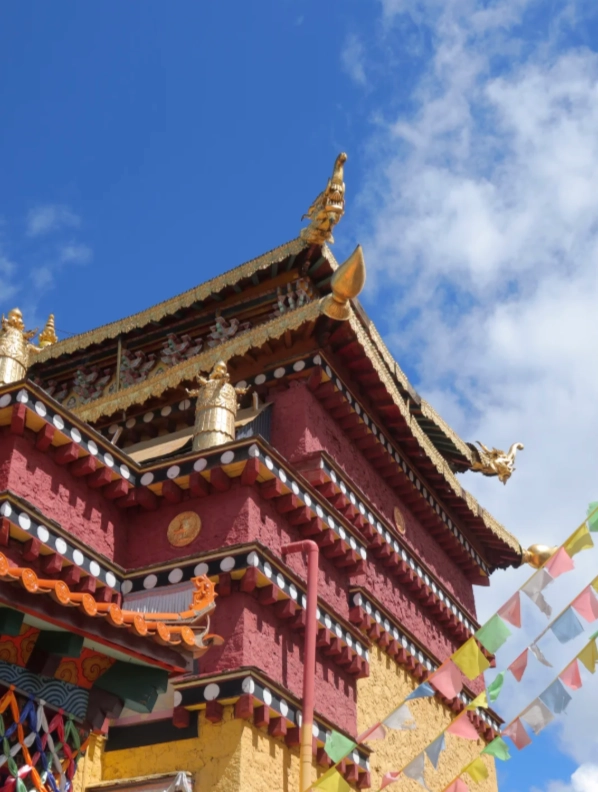
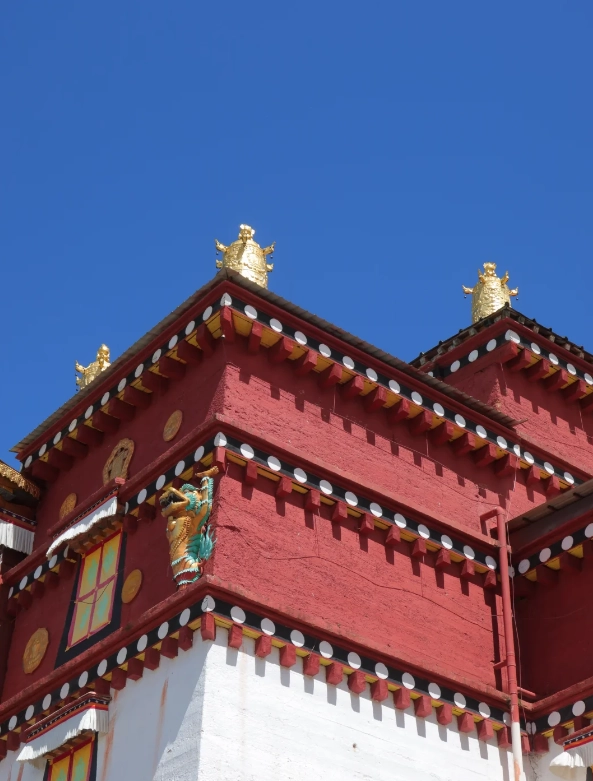
Best captured from the opposite hill. There’s a small path to the left of the monastery (about 200m walk) that leads to a viewpoint. The golden spires pop against the blue sky. Use a telephoto lens to compress the perspective.
3. Prayer Wheel Corridor
A must for candid shots. Locals spin the wheels clockwise. Position yourself at the end of the corridor and shoot with a wide-angle. The repetition creates a hypnotic pattern. Remember: no flash, and don’t block the path.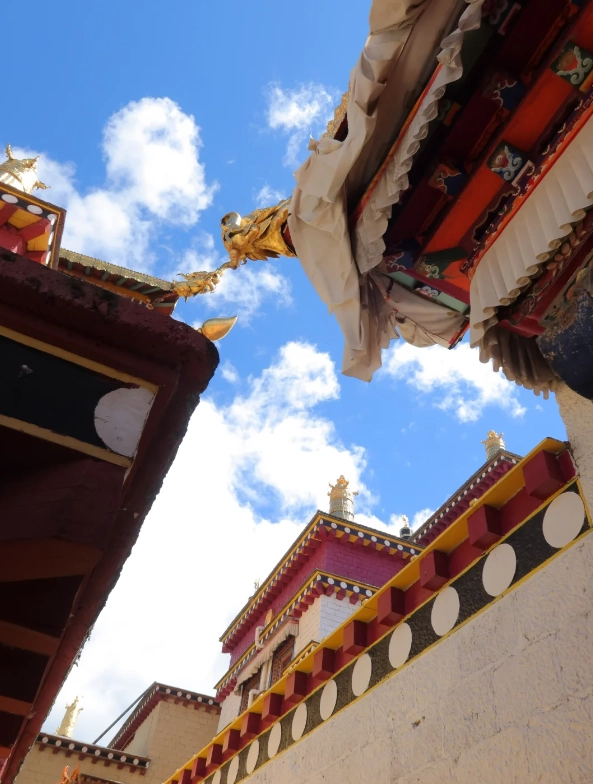
4. The Back Courtyard (Public Toilet Area)
Sounds odd, but hear me out. Behind the public restroom (don’t worry, it’s clean), there’s a narrow alley with giant whitewashed walls and red trim. Few tourists go there. You can get clean minimalist portraits with zero crowds.
5. The Lakeside Reflection Spot
About 15 minutes downhill from the main entrance. There’s a small pond that mirrors the monastery on calm days. Go in the late afternoon when the wind dies down. Bring a polarizer filter to cut glare.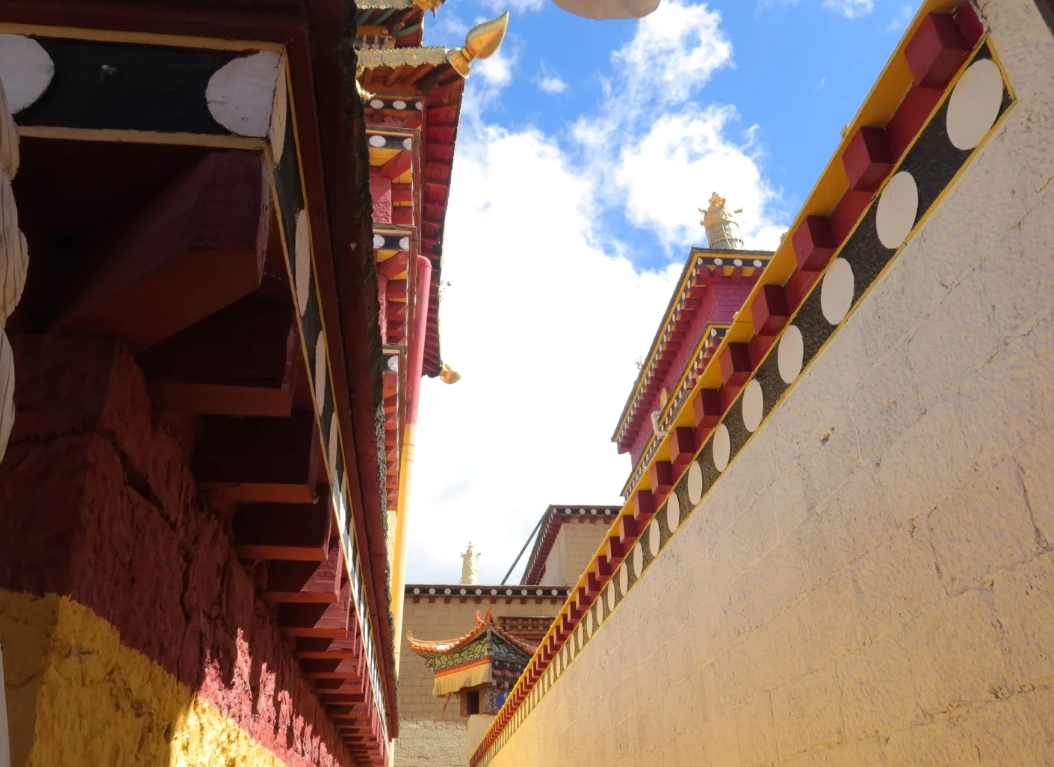
Timing & Light: When to Shoot
Light at 3,300 meters altitude is harsh. Here’s when I tell my clients to arrive:
- Sunrise (7:00–8:30 AM): Golden light hits the eastern face. The monastery opens at 8:00 AM; be at the gate by 7:45 to catch the first rays on the white walls. Insider tip: buy your ticket online via Trip.com the night before to skip the queue.
- Late afternoon (4:00–5:30 PM): The western side glows. Shadows get long and dramatic. Perfect for architectural details.
- Avoid 11:00 AM – 2:00 PM: Harsh overhead light washes out colors. Plus, crowds peak. Use this time for a lunch break at a local restaurant (try the yak cheese near the entrance).
Gear & Practical Tips
You don’t need professional gear, but here’s what works best based on my experience:
- Lens range: 24-70mm for wide shots of the complex; 70-200mm for details like the gold ornaments or monks from a distance.
- Tripod: Allowed in outdoor areas. Useful for long exposure of prayer wheel motion or night shots (monastery lit until 9 PM).
- Filters: Polarizer to reduce glare on the golden roofs; ND filter if you want silky clouds.
- Spare battery: Cold drains batteries fast. Keep a spare in your inner pocket.
Navigating Payment & Booking
Ticket price: 115 RMB for foreigners (2025 rate, but check Trip.com). No discount for students—only Chinese nationals get that. You must show your passport. No cash accepted at the gate—use Alipay or WeChat Pay. If you haven’t set those up, buy from a travel agency or use Trip.com to prepay.
Getting there: From Shangri-La old town, take a Didi (about 20 RMB, 10 minutes). The address for your driver: 云南省迪庆藏族自治州香格里拉市建塘镇松赞林寺. Show it on your phone. Google Maps is unreliable here; use Apple Maps or Amap.
Cultural Respect While Photographing
This part matters more than any rule. Monks are not zoo animals. I always tell my groups: “Would you want a stranger shoving a camera in your face while you’re praying?” So:
- Never take close-ups of monks without explicit permission. A smile and a nod go a long way. If they wave no, respect it.
- Don’t photograph religious ceremonies. If you see monks chanting inside a hall, don’t even raise your phone. It’s a sacred moment.
- No selfie sticks or drones. Drones are banned entirely. Selfie sticks annoy everyone; if a monk sees it, you’ll get a stern look.
- Dress modestly. Shoulders and knees covered. No hats inside halls. If you wear shorts, bring a wrap.
FAQ: Your Burning Questions Answered
Final Thoughts
Ganden Sumtseling Monastery is one of the most photogenic spots in southwest China. Respect the rules, and you’ll leave with stunning images and good memories. Break them, and you’ll be that tourist everyone talks about. I’ve walked these grounds hundreds of times—trust me, the best shots come when you’re patient and polite.
Got a specific question? Drop it in the comments below (or ask your hotel guide). Now go capture those golden roofs!





It's not a bad article, but I felt like a few things were missing. The tip about not using flash inside is obvious, and there was no warning that some of the main hall is behind scaffolding for renovations. I expected more about angles around the white stupas, which were the best part for me. Got a few nice shots, but I'd take it with a grain of salt.
Good solid tips overall. The rule about waiting until the morning chants end and then following the monks out through the courtyard worked exactly as promised. I just wish the article had mentioned that the sky can stay hazy until almost noon in May — the golden-hour advice was a bit optimistic. Still, it saved me a lot of wandering.
Finally a photography guide that treats the monastery with respect and not just as a photo opp. The seven rules were easy to follow. I loved the suggestion to include the turning prayer wheels as foreground blur; it gave my portraits a sense of motion. Even my wife, who wasn't into photography, used the tips and got a keeper. Highly recommended.
As someone who usually travels with just an iPhone, the tip about finding elevation by the staircases in front of the main hall was gold. I ended up with a shot of the red walls and prayer flags that looks like a postcard. Also appreciated the reminder not to shove a phone into the prayer halls — a lot of places don't say that out loud. Definitely keep this one.
I read this article on the bus to Shangri-La and it completely changed my approach. The advice to scout the spot across Lamucuo Lake in the afternoon was spot on — I got a mirror reflection and then raced up to the main entrance for the last golden light. My keeper rate went way up. This is the best specific photography guide to the monastery I've found.