 Ting Chen
Quick Guide to Staying Safe in Shangri-La
I still remember the first time I drove my group up to Shangri-La — one tourist almost collapsed at the airport exit. That's when I realized most visitors underestimate the altitude. Let me walk you through what I've learned after dozens of trips. Shangri-La safety tips aren't just common sense; they're the difference between a dream trip and a nightmare. Here's the catch: altitude, remote roads, and cultural gaps can trip you up if you're not prepared. Now, let me save you some money and trouble.
1. Altitude Sickness — Don't Ignore It
Shangri-La sits at 3,300 meters (10,800 feet) above sea level. If you fly directly from lowland cities like Shanghai or Kunming, your body gets zero time to adapt. I always tell my clients: take it slow on day one. Most hotels have oxygen tanks for rent (about 50 RMB per bottle), but prevention is way better.
Insider Advice: Don't book any strenuous activities for the first 24 hours. Spend the afternoon walking gently around Dukezong Old Town, drink plenty of water, and avoid alcohol. If you feel dizzy or nauseous, head back to your hotel and rest. Severe symptoms? Descend immediately — the hospital in Shangri-La can handle emergencies, but the best cure is lower altitude.
What to pack for altitude
- Diamox (acetazolamide) — Talk to your doctor before departure. Helps prevent acute mountain sickness.
- Hydration tablets — Dehydration worsens symptoms.
- Lip balm & moisturizer — The air is dry, and your skin will crack.
- Sunscreen (SPF 50+) — UV is intense even on cloudy days.

2. Weather & What to Pack
Weather in Shangri-La is notoriously unpredictable. Even in summer (June–August), temperatures can drop to 8°C (46°F) at night. I've seen tourists shivering in t-shirts while locals wear down jackets. Always layer.
| Season | Day Temp (°C) | Night Temp (°C) | Precipitation |
|---|---|---|---|
| Spring (Mar–May) | 10–18 | 0–8 | Moderate rain |
| Summer (Jun–Aug) | 15–22 | 8–12 | Heavy afternoon rain |
| Autumn (Sep–Nov) | 8–18 | 0–8 | Dry, clear skies |
| Winter (Dec–Feb) | 0–10 | -10–0 | Snow possible |
Packing essentials: A waterproof jacket, warm fleece or down vest, thermal underwear for winter, comfortable waterproof walking shoes, and a hat/gloves. Don't forget a reusable water bottle — staying hydrated helps with altitude.
3. Getting Around Safely
Roads to and within Shangri-La can be challenging. Mountain curves, sudden fog, and livestock on the road are common. If you rent a car, ensure it has a full-size spare tire and good insurance. Better yet, hire a local driver who knows the roads.
From Lijiang to Shangri-La
Most tourists take the 4-hour bus (about 80 RMB) or drive. The route passes through Tiger Leaping Gorge — stunning but with sheer drops. I always tell my groups: don't let the driver rush. If you feel carsick, take dramamine before departure.
Local transport
- Taxis: Hard to flag down. Use Didi (Chinese Uber) — it works with Alipay. Carry cash as backup.
- Buses: From the bus station to main attractions like Songzanlin Monastery (bus #3, 1 RMB). Google Maps won't help; use Apple Maps or Baidu Maps.
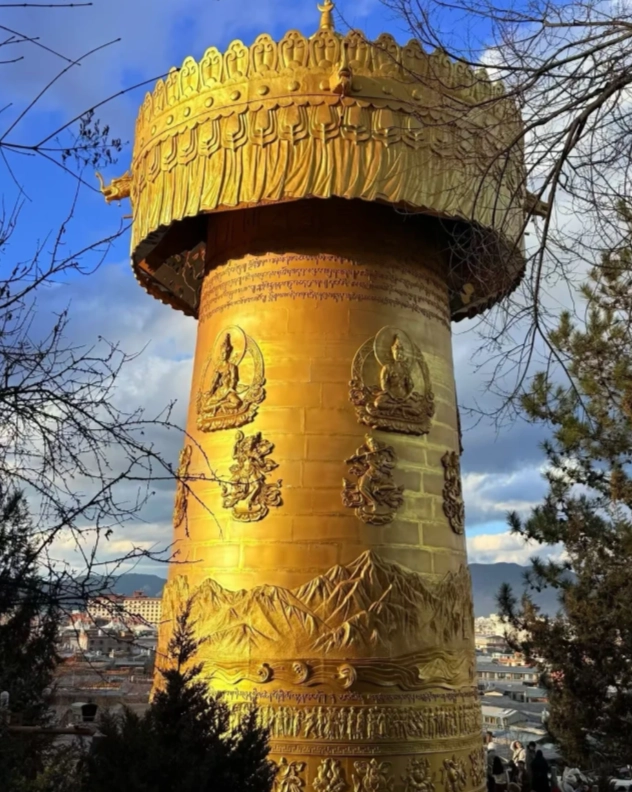
- Walking: Dukezong Old Town is walkable, but sidewalks can be uneven. Watch your step at night — street lighting is poor in some alleys.
Pro Tip: Always have your hotel address written in Chinese to show the driver. Most taxi drivers speak little English.
4. Cultural Etiquette & Local Customs
Shangri-La is predominantly Tibetan Buddhist. Respect local customs to avoid unintentional offense. I once saw a tourist touch a monk's robe for a photo — not appreciated.
Do's and Don'ts
- Do walk clockwise around prayer wheels, monasteries, and stupas.
- Don't point your finger at religious statues or monks; use an open palm.
- Do remove shoes before entering temples (like at Songzanlin Monastery).
- Don't take photos inside temple halls — always look for signs.
- Do greet locals with "Tashi Delek" (a blessing). They'll smile.
- Don't climb on or sit on mani stones (inscribed rocks) — they are sacred.
5. Food & Water Safety
Tap water is not potable in Shangri-La. Stick to bottled water (available everywhere, 2–3 RMB). Street food is generally safe, but for sensitive stomachs, avoid raw salads and unpeeled fruits. Yak butter tea is an acquired taste — it's salty and oily. I personally love it, but try a sip first.
Restaurant hygiene
Stick to places with a decent turnover. In Dukezong Old Town, I recommend Compass Restaurant for Western-friendly food (address: No. 24 Jikang Road). They have an English menu and accept Alipay. Average meal: 50–80 RMB.
6. Hiking & Outdoor Safety
Shangri-La is a paradise for hikers, but preparation is key. Popular trails like the one around Pudacuo National Park are well-marked, but altitude makes even easy hikes feel like hard work.
Pudacuo National Park essentials
- Ticket price: 258 RMB (includes shuttle bus). Book online via Trip.com or WeChat — passport required.
- Opening hours: 8:00 am – 4:00 pm (last entry). No entry after 4 pm.
- Best time: May–October for green scenery. Go early (8 am) to avoid crowds and see the mist over Shudu Lake.
- What to bring: Water, snacks, rain gear, and a light jacket. The park has restaurants, but they are pricey.
If you plan longer treks (e.g., to Baima Snow Mountain), hire a licensed local guide. You can arrange through your hotel or Klook. Always tell someone your route and expected return time. Cell service is spotty in deep valleys — download offline maps on Apple Maps before you go.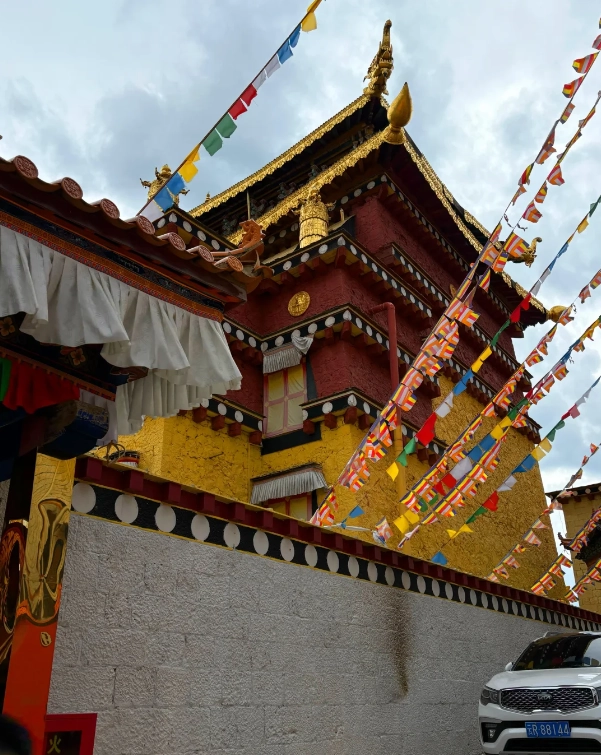
7. Payment, Internet & Communication
Cash is not king in Shangri-La — it's nearly invisible. Most shops, restaurants, and even taxis expect payment via Alipay or WeChat Pay. International credit cards are rarely accepted except at big hotels. So set up Alipay before you leave home and link your foreign card. Withdraw cash from ATMs at the airport or bank (Bank of China accepts Visa/Mastercard).
Internet and VPN
Google, Facebook, Instagram, and WhatsApp are blocked. You'll need a VPN installed before arriving. I recommend Astrill or ExpressVPN — they work reliably. For maps, forget Google Maps; use Apple Maps (works offline with downloaded areas) or Gaode Maps (has an English mode).
Language
English is not widely spoken outside hotels. Download the Pleco or Baidu Translate app for offline translation. Learn a few Chinese phrases: "Xie xie" (thank you), "Duo shao qian?" (how much), and "Wo yao qu..." (I want to go to...). Pointing at your phone screen with Chinese text is your best friend.
Frequently Asked Questions
Verified and fact-checked by the editorial team. This content has been fact-checked to ensure informational precision.






Excellent article! I've visited Shangri-La twice and this guide still reminds me of important things I forgot - like taking it easy after arrival and keeping a copy of your hotel address in Chinese for taxi drivers. The bit about sunscreen at high altitude is no joke, I learned it the hard way. Great read, very practical.
Some useful basics, but I was a bit disappointed. The section on meals and food safety was too short, and it didn't mention anything about frozen roads after a snowfall. I also think the advice on travel insurance was vague – say exactly what should be covered. It's okay for a first skim, but I found more detailed info from forums.
Finally a safety guide that doesn't just say 'be careful.' I loved the details about road conditions between Shangri-La and Deqin, and the advice to hire a driver with a proper license. As a solo female traveler, the section on local etiquette and staying in the old town made me feel much more confident. Took screenshots to use offline.
Really thorough guide. I like how it broke down the symptoms of altitude sickness and what to do if it hits you. The packing list was practical too. Only reason I'm not giving 5 is that it doesn't mention how busy Dukezong can be at sunset - maybe not a safety issue but good to know. Still, highly recommend as a first stop.
This article was a lifesaver before my first trip to Yunnan. It covered everything from altitude sickness warnings to why you shouldn't overexert yourself on day one. I especially appreciated the tip about bringing electrolytes – I wouldn't have thought of that. Shared it with everyone in our WeChat group. Five stars!