 Ming Yang
What You'll Find Here
I still remember the first time I walked into a tea house in Chengdu and saw a performer flick his wrist—and his mask changed from red to gold in a split second. The crowd gasped. I was hooked. But getting to that show wasn't easy. I'd spent hours scrolling through Chinese apps, got stuck on payment, and nearly ended up at a tourist trap that charged triple. So I'm writing this to save you exactly that headache. Here's everything you need to know about the Chinese opera face changing show.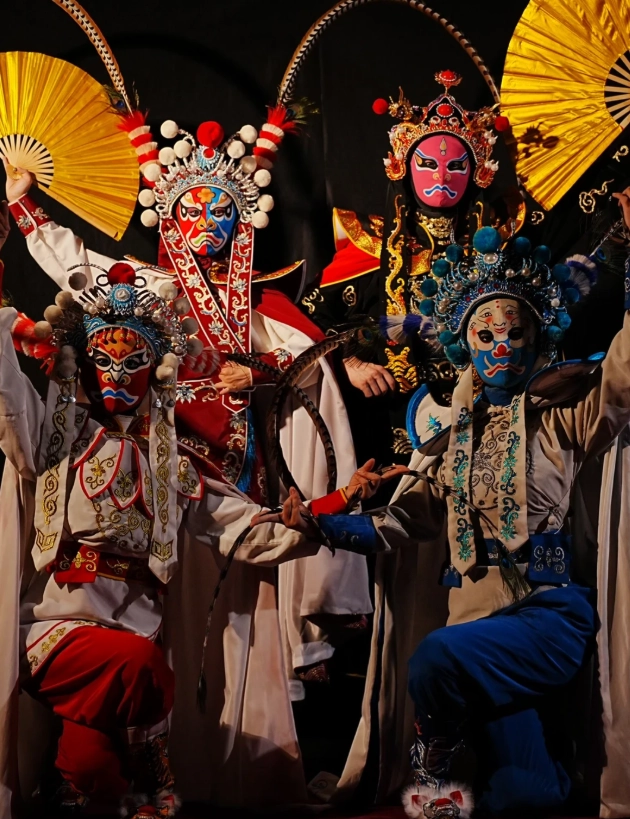
What Is the Face Changing (Biàn Liǎn) Show?
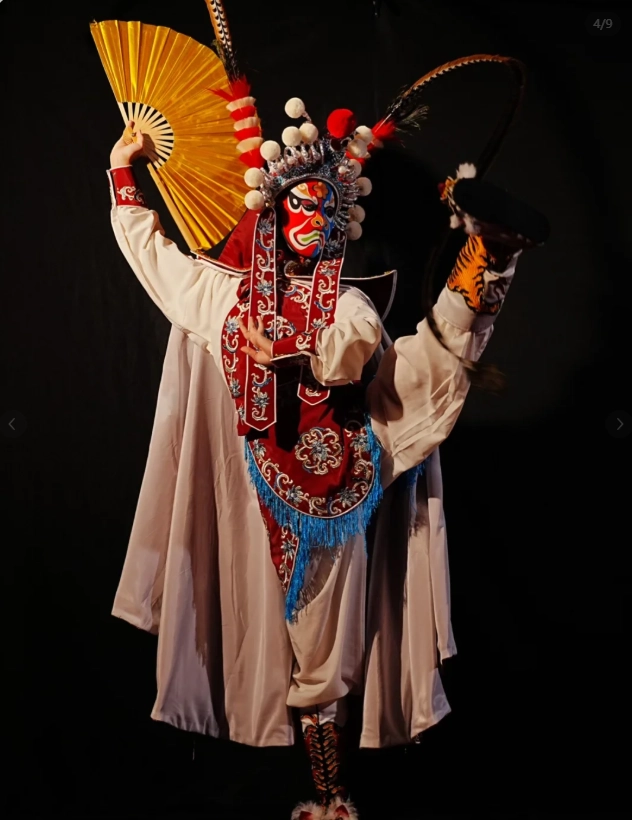
The face changing act, known as biàn liǎn (变脸), is a hallmark of Sichuan opera. Performers wear brightly colored masks that change in a flash—sometimes dozens of masks in minutes. The technique is a closely guarded secret, passed down through masters. It's not just magic; it's a storytelling device where each color represents a different emotion: red for anger, black for honesty, gold for supernatural beings.
The Art Behind the Masks
Most visitors think it's all about speed, but the real skill lies in the choreography. The performer matches the mask change with precise body movements, drum beats, and sometimes fire breathing. I've seen shows where the performer changes a mask while spinning 360 degrees—pure skill.
Where It Originated
The tradition dates back over 300 years to the Sichuan region. Originally, it was a way to depict the inner turmoil of a character without dialogue. Today, it's the most crowd-pleasing part of any Sichuan opera performance.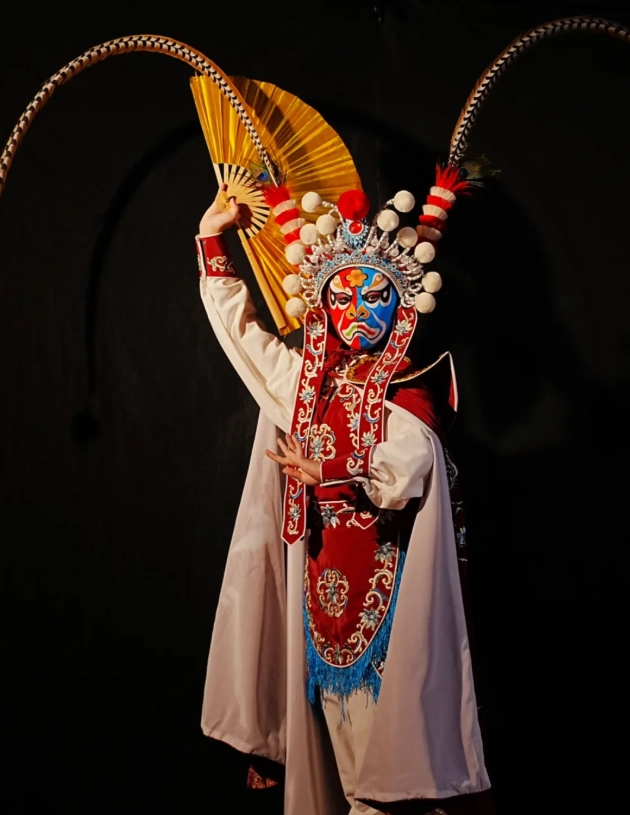
Top 3 Venues to Watch the Show in Chengdu
Not all venues are created equal. I've personally visited all three listed below, and I can tell you the difference in quality and authenticity is huge.
| Venue | Address | Price Range | Best For |
|---|---|---|---|
| Shufeng Yayun Tea House | No. 23, Zhaojue Temple Lane, Chengdu | 80–150 RMB | Authentic tea house vibe |
| Sichuan Opera Theater | No. 54, Huaxing Street, Jinjiang District | 150–300 RMB | Full opera experience |
| Jinli Ancient Street | Jinli, Wuhou District | Free (tip performers) | Quick taste |
1. Shufeng Yayun Tea House – The Classic Choice
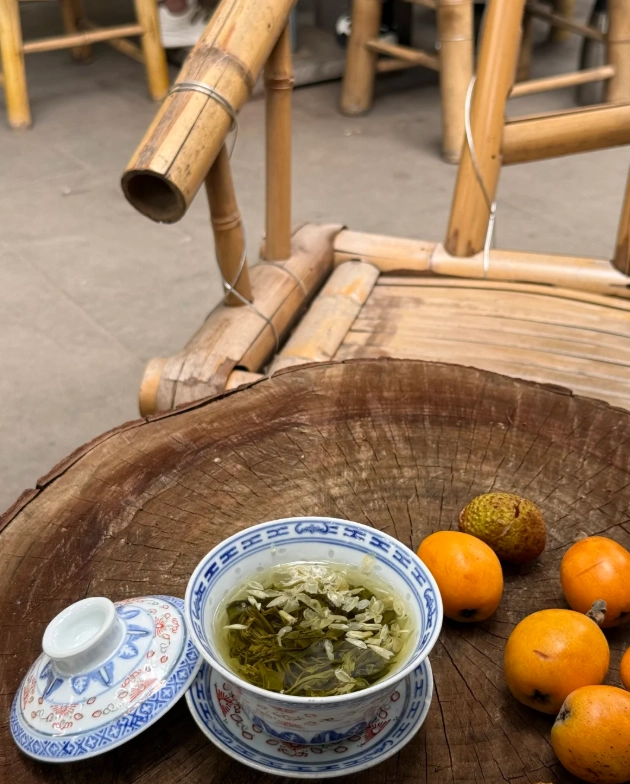
This is my go-to recommendation for first-timers. Located near Wenshu Monastery, this tea house offers a 90-minute show that includes face changing, shadow puppetry, and acrobatics. You can sip jasmine tea while watching—a perfect blend of culture and relaxation. Pro Tip: Book the 8:00 PM show to avoid afternoon tourist crowds. Tickets can be purchased via Trip.com (search "Shufeng Yayun") or at the door, but the door price is often higher. Pay with Alipay or WeChat; cash might not be accepted.
2. Sichuan Opera Theater – The Official Stage
If you want the full opera experience, this is it. It's a proper theater with tiered seating and a professional cast. The face changing here is more elaborate, with multiple performers on stage. However, tickets sell out fast, especially on weekends. Use Klook to reserve—they accept international cards. Insider Advice: Avoid rows 1–3; you'll miss the full stage view. Row 5–7 offer the best balance. Bring your passport for ticket pickup.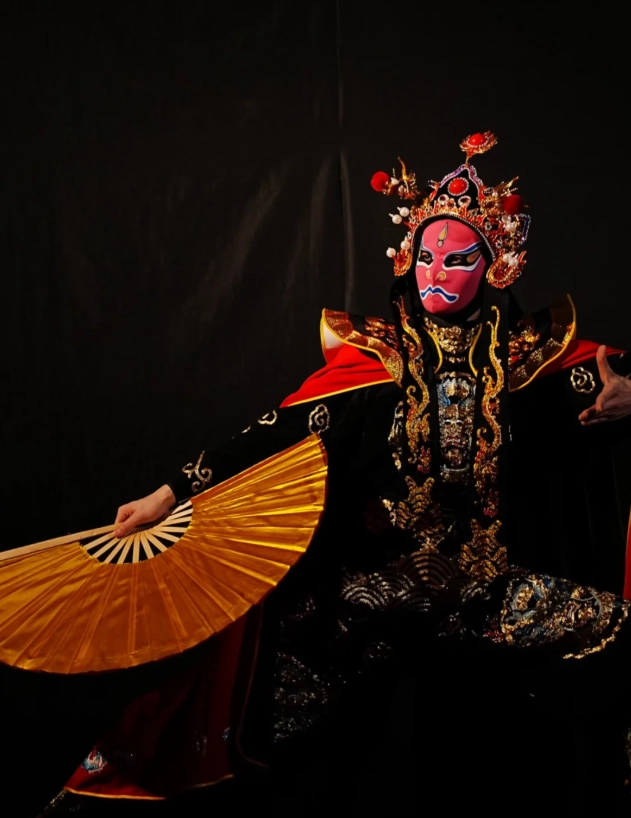
3. Jinli Ancient Street – Street Performances
For a free and spontaneous fix, head to Jinli in the evening. Street performers often do short face changing routines (5–10 minutes) near the main square. Expect crowds, but it's a great way to see the art without committing to a full show. However, don't expect the same quality as a theater. Important: The performers work for tips; it's polite to give 10–20 RMB if you take photos.
How to Book Tickets (For Foreigners)
Let's be real: the Chinese ticketing system can be a nightmare for tourists. WeChat mini-programs are often in Chinese, and international credit cards get rejected left and right. Here's my battle-tested approach:
- Use English-friendly platforms: Trip.com and Klook are your best friends. They accept Visa/Mastercard, and you can filter by language.
- Pay via Alipay or WeChat Pay: If you have a Chinese bank card or a friend who can transfer money, you can also use the venue's official WeChat mini-program. But honestly, I'd stick with the international platforms.
- Bring your passport: Every venue requires your passport number for booking. Some will scan your passport at the entrance.
Pro Tip: If you're staying at a hotel, ask the front desk to call the venue and book for you. Most hotels in Chengdu are used to this request. They'll even negotiate a small discount sometimes.
What to Expect During the Show
The show usually runs 60–90 minutes. At Shufeng Yayun, you'll start with tea (free refills) and snacks. The sequence typically includes: comedic sketches, a musical performance, finger-puppet show, and finally the grand face changing finale. Note: The lighting is dim, so phone cameras might struggle. If you want good photos, sit near the aisle where performers sometimes walk by.
The biggest disappointment I've seen? Tourists expecting constant face changing. It's a 5–10 minute segment at the end. The rest is traditional opera, which can feel slow if you're not into Chinese culture. So adjust your expectations—enjoy the whole package.
Frequently Asked Questions
Final Tips from a Local Guide
I've guided hundreds of tourists to these shows, and here's the one thing I always say: don't skip the tea house experience for a flashy theater. The charm of the face changing show is in the intimate setting, where you can hear the performer's breath and see the sweat on his brow. Also, remember to download a VPN before coming—Google Maps won't work in China. Use Apple Maps or Amap (I use Amap Global) to navigate. And finally, bring patience: the booking process can be frustrating, but the show itself is 100% worth it.
Enjoy the masks, the mystery, and the magic of Sichuan.






Best cultural show I caught during my two weeks in China! The theater is small enough that even the lower-priced seats feel close, but I still splurged for the second row and didn't regret it. The performer had this amazing trick where he changed masks while pouring tea — super quirky and impressive. I also loved that the guide warned us to sit on the aisle if we wanted interactions. Bring your camera, but turn off the flash — security will call you out. Highly recommend!
As someone who loves Chinese opera and folklore, this show was a dream come true. The face-changing artist came down into the aisle where my mum was sitting and startled her with a sudden mask switch — unforgettable moment! The venue is modest but atmospheric. My tip: book the early show like the guide suggests and sit in the middle rows; you get the best view of the fan gestures and robe movements. A must for anyone wanting to understand this unique art form.
Absolutely blew my mind! I'd watched clips online for years, but seeing Bian Lian live is a completely different level. Paid a little extra for a front-row seat and it was worth every yuan — I could feel the air move when he whipped his head around. The show is fast, dramatic, and ends with a big finale. Book your tickets online the day before because we saw people turned away at the door. If you're in the area, do not miss this.
Solid evening out! The face-changing performer was genuinely amazing — the masks swap so fast I couldn't believe my eyes. I gave four stars because the middle section of the show dragged with some traditional music that wasn't really my thing, and nobody explained that the seats are first come, first served even with a standard ticket. Booking was easy through our hotel concierge. It's a unique cultural experience and definitely worth seeing, just manage your expectations about the supporting acts.
I really wanted to love this show because the face-changing art is incredible, but I left a bit disappointed. We booked the basic ticket and ended up stuck near the side, so the effect of the mask changes was partially blocked. The venue was also overcrowded and the supporting acts felt like filler. If you decide to go, take the advice I didn't: pay extra for VIP seating and get there at least 20 minutes early. The main performer was skilled, but the overall experience didn't match the hype for me.