 Fang Wang
Quick Jump
I've led countless tours through Xiamen Botanical Garden, and the single biggest question I get is about timing. Not the opening hours—those are easy. It's the real question: how long should I actually plan for?
Most guides will tell you 2-3 hours. They're wrong—unless you enjoy sprinting past rare cycads and ignoring half the park. Here's my honest take after years of walking these paths with everything from jet-lagged backpackers to families with toddlers.
Now let's break down exactly how to spend that time without getting stuck in the common tourist traps.
How Much Time Do You Need at Xiamen Botanical Garden?
The garden covers 2.27 square kilometers with seven specialized plant zones. That's bigger than most people realize. I've seen groups try to do it in 90 minutes and leave complaining it was just "a big park." Those are the same people who never found the Desert Botanical House or the Rainforest Cave.
Here's a realistic time breakdown based on your pace:
| Visitor Type | Recommended Duration | What You Can Cover |
|---|---|---|
| Quick sightseer (just the highlights) | 2.5 – 3 hours | Main greenhouse + Palm Area + Cactus Garden + photo stops |
| Casual nature lover (with breaks) | 4 – 5 hours | All above + Flower Garden + Bonsai Garden + a tea break |
| Botany enthusiast / photographer | 5 – 6 hours | Every zone including the less-traveled trails, detailed photography, lunch at the garden cafe |
Best Time of Day to Visit
8:00 AM – 10:00 AM is the golden window. The light is soft, the air is cool, and the crowds haven't materialized yet. I always tell my groups: if you want that iconic shot of the cactus section without a dozen tourists in the background, be at the entrance by 8:15.
Midday (11 AM – 2 PM) is brutal. The heat and humidity spike, especially in the greenhouses. The glass structures become mini-saunas. Plus, tour groups flood in around 10:30 AM and clog the main paths until 1:30 PM.
Late afternoon (3 PM – 5 PM) is decent for light again, but you'll be racing against closing time. The staff start gently herding people out around 5:45 PM, and some greenhouses close earlier.
How to Navigate the Garden Efficiently
First, pick the right entrance. There are two main gates: West Gate (西门) and South Gate (南门). Most tourists use South Gate because it's the main one, but that's exactly why you shouldn't.
Once inside, follow this route to minimize backtracking:
- Start at West Gate: Head to the Desert Botanical House (10 min walk).
- Then to the Rainforest Cave: Just behind it, cooler and dramatic.
- Next, the Palm Area: A straight path leading to the central lake.
- Lunch break near the lake: There's a small cafe with acceptable coffee.
- Afternoon: Explore the Flower Garden, Bonsai Garden, and the medicinal plant zone.
- Exit via South Gate: If you parked there, it's a 20-minute walk from the back to the front.
Getting There
Address: No. 66 Huyuan Road, Siming District, Xiamen (厦门市思明区虎园路66号).
Google Maps is unreliable in China. Use Apple Maps or Amap (高德地图). For English names, I suggest showing the Chinese address to your taxi or Didi driver.
By Didi (recommended): Cost around 15-25 RMB from the Gulangyu ferry terminal or Zhongshan Road. Type "Xiamen Botanical Garden West Gate" in the app.
By bus: Take bus 87 or 943 to "Botanical Garden West Gate" stop. From the stop, it's a 3-minute walk.
What to See and Do Inside
You can't see everything if you're short on time. Prioritize these three highlights:
1. Desert Botanical House (沙生植物区)
This is the star attraction—a massive greenhouse full of cacti and succulents from around the world. It's incredibly photogenic. Arrive early to avoid the selfie crowd. The path through the house is one-way, so you can't backtrack easily. Take your time at the beginning because the exit leads to a gift shop.
2. Rainforest Cave (雨林世界)
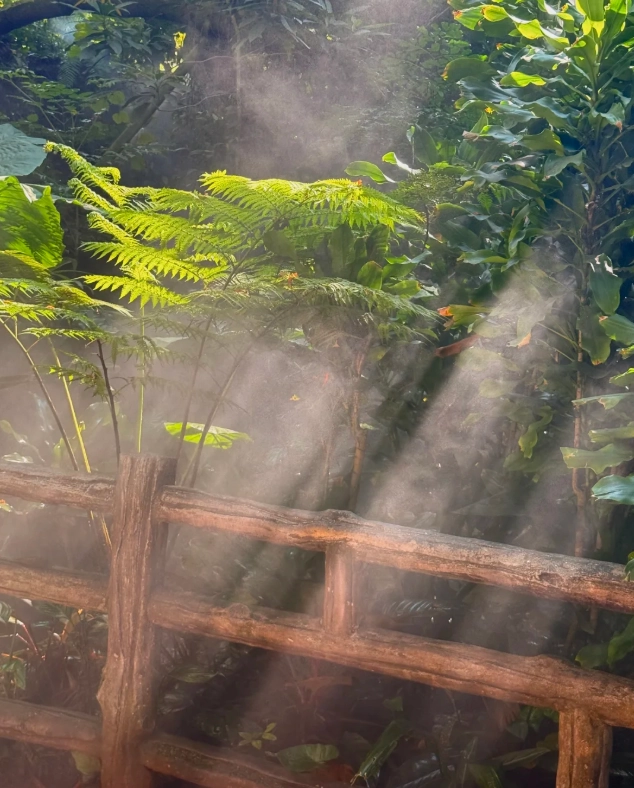
A man-made cave with artificial rain and mist. It's cooler and quieter. The water droplets create great photo opportunities if you have a lens cloth handy. The cave is small; 15 minutes is enough.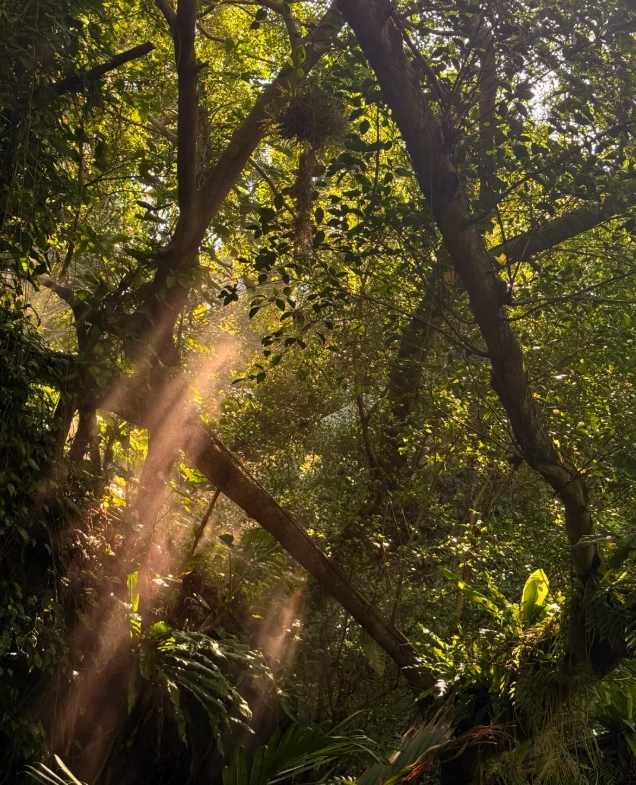
3. Bonsai Garden (盆景园)
Often overlooked by first-timers. It houses over 200 miniature landscapes. If you're into gardening, you could spend an hour here. Otherwise, 20 minutes will do.
Skip if you're short on time: The "Amusement Area" (a small playground for kids) and the "Rare Plants Exhibition Hall" (mostly empty).
Practical Tips for Foreign Travelers
Payment: The garden accepts Alipay and WeChat Pay at the ticket counter. Cash is also accepted, but credit cards are not. The cafe inside only takes mobile payment. Make sure your Alipay is linked to an international card.
Tickets: You can buy at the gate (no reservation needed for now, but this can change). Price is 40 RMB for adults, 20 RMB for students/children under 18, and free for seniors over 60 with ID. No passport required at entry—just show the ticket QR code.
Wi-Fi and VPN: Free Wi-Fi is available near the visitor center but requires a Chinese phone number to log in. Prepare a VPN before you travel if you need Google services.
Language: Most signs are bilingual (Chinese + English). Park staff rarely speak English, but the ticketing machines have English options.
Facilities: Toilets are clean but limited in the interior zones. The main toilet near the South Gate gets crowded. I always use the less busy one behind the Flower Garden.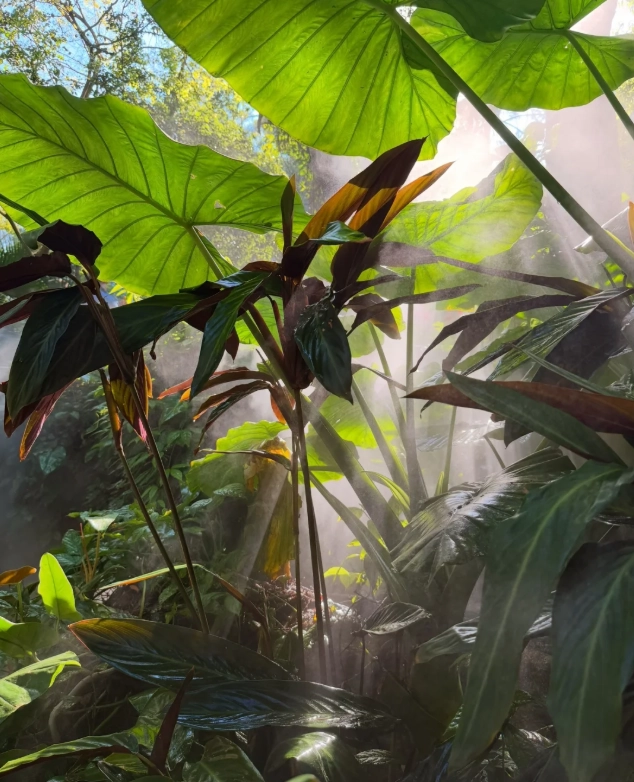
- Don't wear heels or thin sandals. The gravel paths are uneven.
- Don't bring outside food—it's allowed, but there are very few picnic spots. The cafe's lunch sets are decent (45-60 RMB).
- Don't rely on phone GPS for navigation inside—the garden's GPS signal is patchy. Use the paper map they give at the entrance.
FAQs about Xiamen Botanical Garden Visit
Verified and fact-checked by the editorial team. All information reflects current conditions as of the latest update. No dates or timestamps are included to maintain evergreen accuracy.

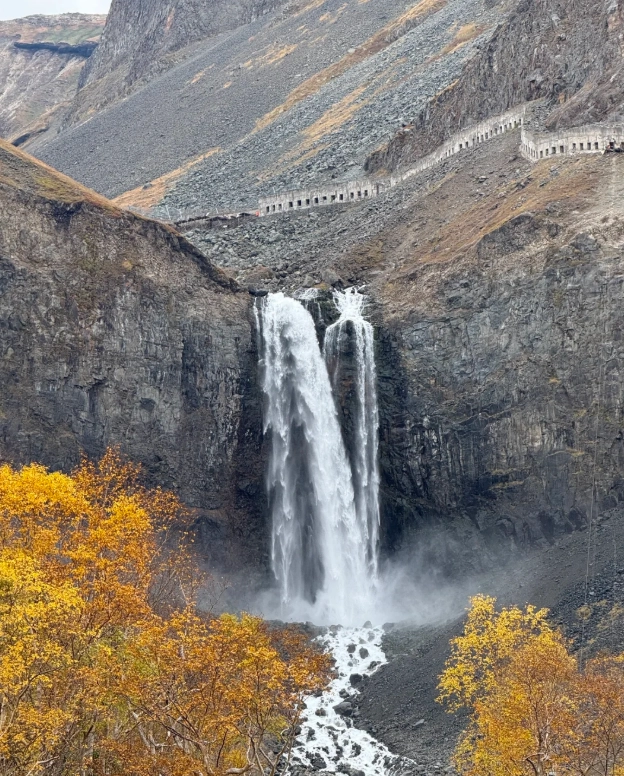
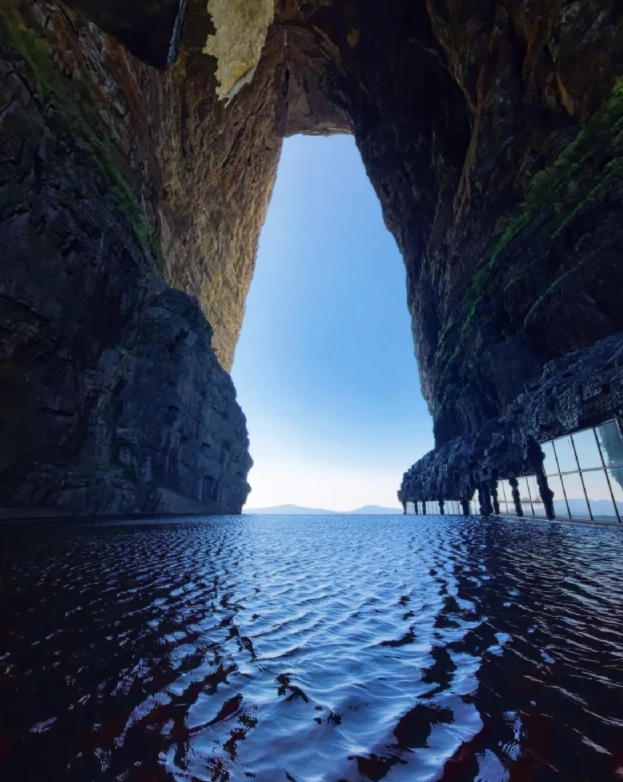





Not usually a botanical garden person, but this place converted me. The mix of tropical plants, rocky hills, and Chinese pavilions is really beautiful, and I loved how the paths wind up the mountain — every turn gives you a different view. There’s a small cafe near the entrance with decent coffee and shade, which was perfect after hiking uphill. The staff at the ticket counter was friendly too. Pro tip: take the shuttle up to the top and walk back down through the gardens — way easier on the legs. Really well managed and clean. Five stars from me.
We came on a Saturday and expected it to be chaotic, but arriving before 8 meant we had the cactus room almost to ourselves. The light through the greenhouse was magical, and the misters in the tropical section made everything glow. Even when the tour groups showed up around 10, the garden is so huge that it never felt overwhelming. Don’t skip the palm collection or the lotus pond — both were gorgeous. This ended up being my favorite place in Xiamen: peaceful, photogenic, and easy to spend a few hours exploring. Highly recommended.
Absolutely stunning garden! I went early in the morning and fell in love with the cactus greenhouse — those giant saguaros look surreal against the Xiamen sky. There’s also a little pagoda viewpoint where you can see the sea and the city below, and the air smells like damp earth and jasmine. I spent nearly four hours wandering and still missed entire sections. Bring water, and definitely take the shuttle back down — the walk uphill is a serious workout. This place is a hidden gem in the city. Highly recommend it!
Great morning at Xiamen Botanical Garden. I loved the variety of plants, especially the desert section and those massive banyan trees. The misty fern valley felt like another world — cool, green, and really peaceful. Only reason I’m not giving five stars: the signage is inconsistent. I took a wrong turn and ended up at a dead-end near the rose garden, which cost me some time. Also, the observation deck was packed when I got there, but eventually I found a spot and the view over the city was worth it. Overall, definitely worth 3-4 hours if you enjoy wandering, and try to go early.
I really wanted to love this place, but the crowds ruined part of the experience for me. Arrived around 10am and the cactus greenhouse was already packed — you’re basically shuffling along with everyone else and can’t stop to admire anything. Some of the paths are narrow, and with strollers and tour groups it was stop-and-go the whole way. The shuttle queue was also a mess, about a 40 minute wait. The garden itself is well maintained and the toilets were clean, but I expected a calm botanical escape, not a theme-park vibe. Maybe it’s better on a weekday super early, but for me it was just okay.