 Yan Zhou
Quick Jump
I still remember the first time I stepped off the bullet train at Jiaxing South station—GPS gave up, no English signs, and I had no cash. That was years ago, and things have improved, but Jiaxing train station can still throw curveballs at foreign travelers. Let me save you the headaches.
Here’s the thing: most online guides tell you it’s easy, but they skip the specific quirks that trip up foreigners. Over my years guiding groups through Zhejiang, I’ve learned exactly where most people get stuck. In this guide, I’ll walk you through everything—from booking your ticket to catching your train—with insider tips you won’t find elsewhere.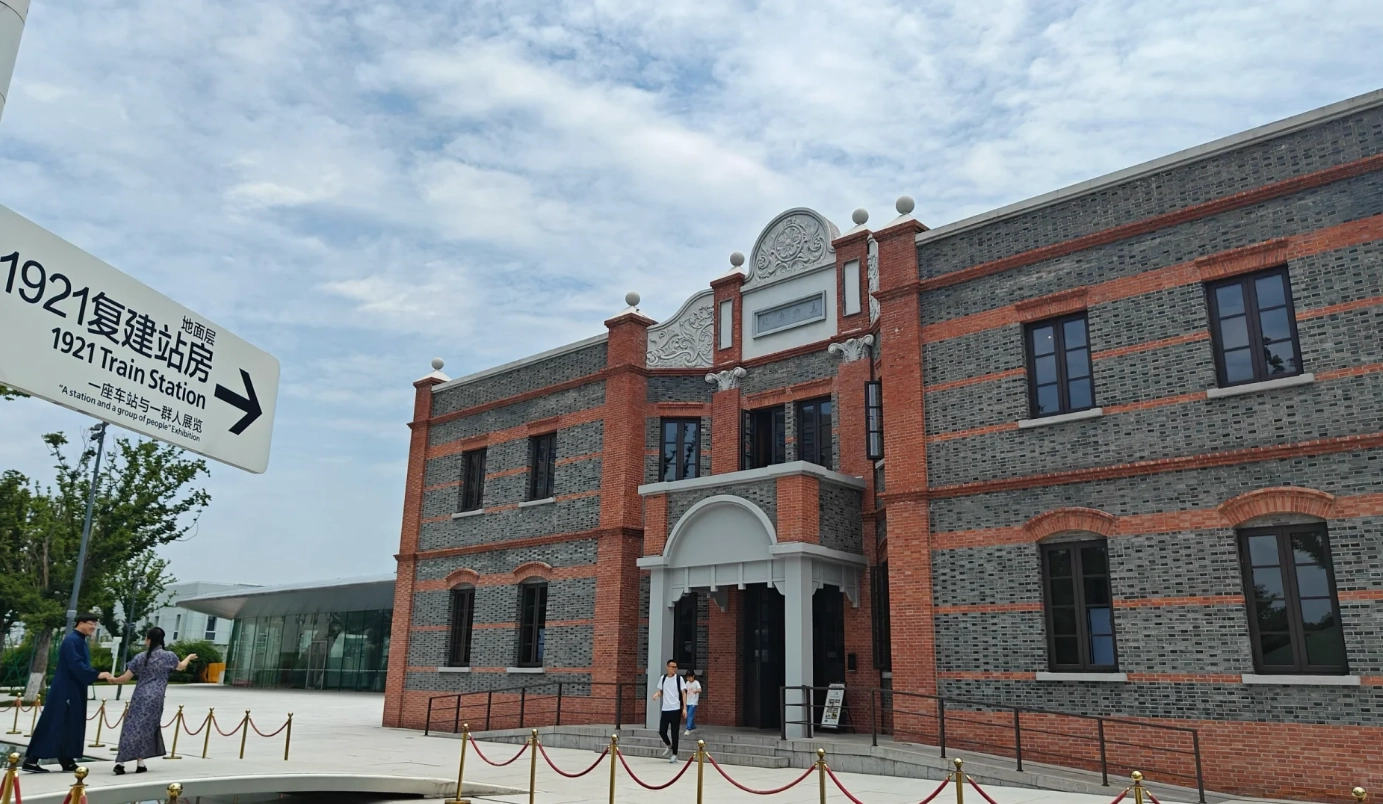
Why Jiaxing Train Station is Tricky for Foreigners
Jiaxing has two main railway stations: Jiaxing Station (old town) and Jiaxing South Station (high-speed rail). Most long-distance high-speed trains use Jiaxing South, while slower trains and some regional ones stop at Jiaxing Station. Foreigners often mix them up—I’ve had clients show up at the wrong one and miss their train.
Another pain point: the station’s digital systems are heavily Chinese-centric. Google Maps doesn’t show real-time departures, and ticket machines often require Chinese ID numbers. Plus, if you rely on cash or international credit cards, you’ll struggle—Alipay or WeChat Pay is king here.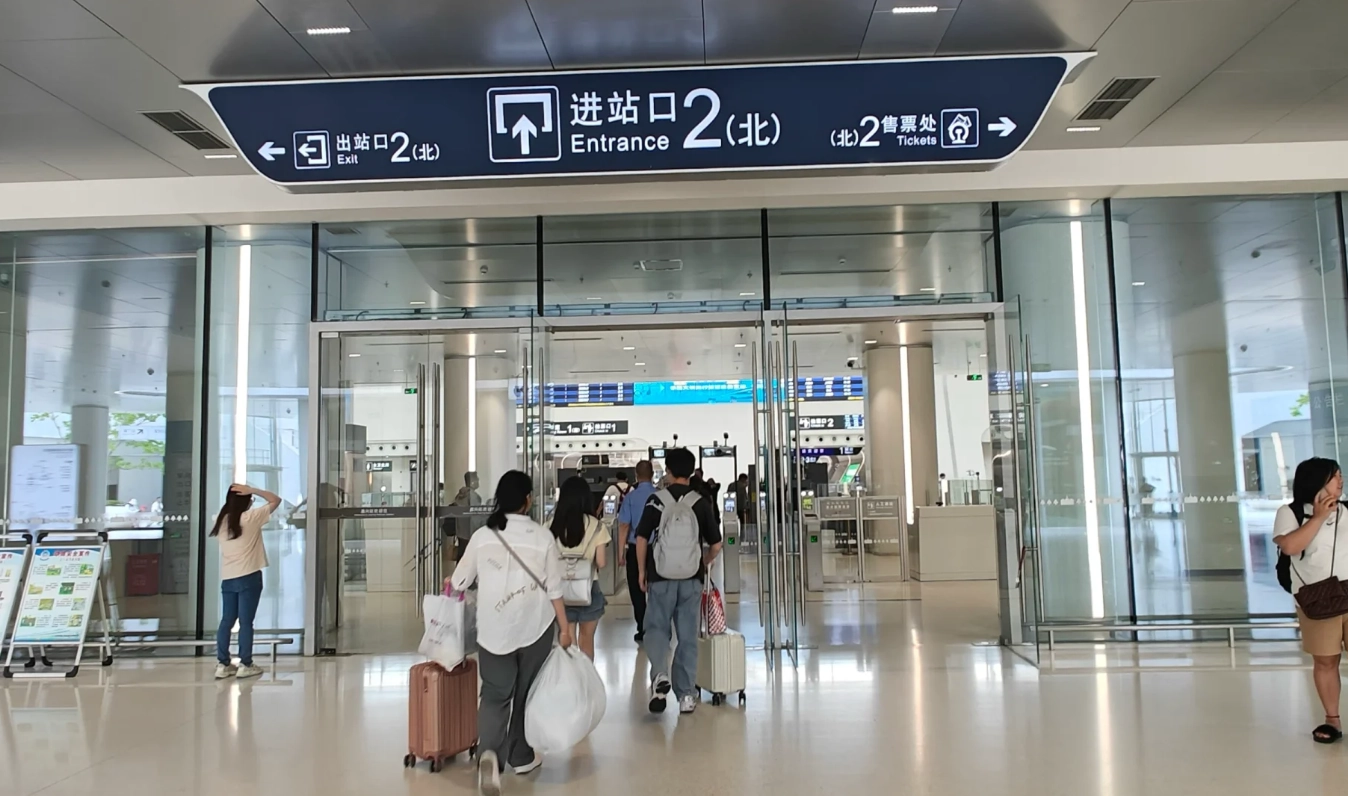
Pro Tip: Always confirm which station your train departs from. Your ticket shows the station name in Chinese—save a screenshot and show it to a local if unsure.
How to Get to Jiaxing Train Station
Most visitors arrive from Shanghai or Hangzhou. From Shanghai Hongqiao, the high-speed train to Jiaxing South takes about 30 minutes. From Hangzhou East, it’s roughly 40 minutes. But once you’re in Jiaxing, how do you get to the actual station?
| Transport | From City Center to Jiaxing Station | From City Center to Jiaxing South | Cost | Best For |
|---|---|---|---|---|
| Taxi / Didi | 15–20 min | 25–30 min | ~20–40 RMB | Speed, door-to-door |
| Bus | Line 19, 30–40 min | Line 93, 50–60 min | 2 RMB | Budget travel |
| Metro | N/A (no metro yet) | N/A | N/A | N/A |
For Didi, don’t use Google Maps—use Apple Maps or Amap Global instead. Drivers in Jiaxing rely on Chinese navigation apps. Show the driver a Chinese address: “嘉兴站” for Jiaxing Station, “嘉兴南站” for Jiaxing South.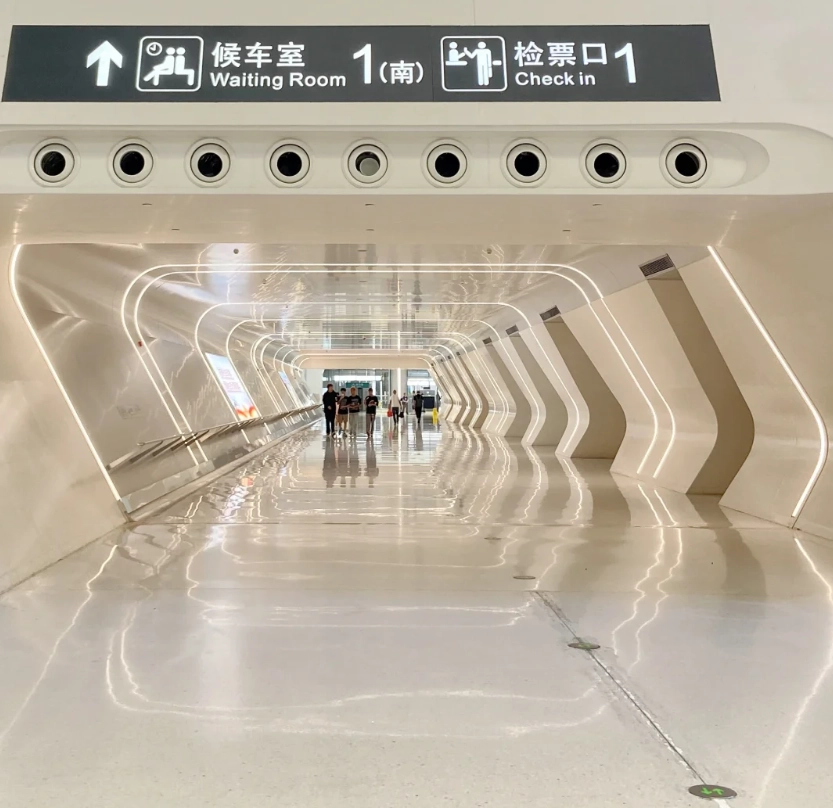
Navigating the Station: Step-by-Step
Entering the Station
First things first: have your passport and ticket ready. Security checks are strict. You’ll need to scan your ID (passport) and ticket at the turnstile. If you booked online, use the e-ticket on your phone—but note: passengers are required to show the original passport used for booking.
Finding Your Platform
Once inside, look for the huge electronic boards listing departures in Chinese. English translations are sporadic. I always tell my clients: locate your train number (e.g., G1234) early. The board shows the platform number and car number for each seat—important for finding the correct waiting area.
Jiaxing South is a modern station with clear signage, but Jiaxing Station is older and can be confusing. At Jiaxing Station, the waiting hall is on the second floor, and platforms are accessed via stairs or escalator. Pro tip: arrive 45 minutes early to navigate comfortably.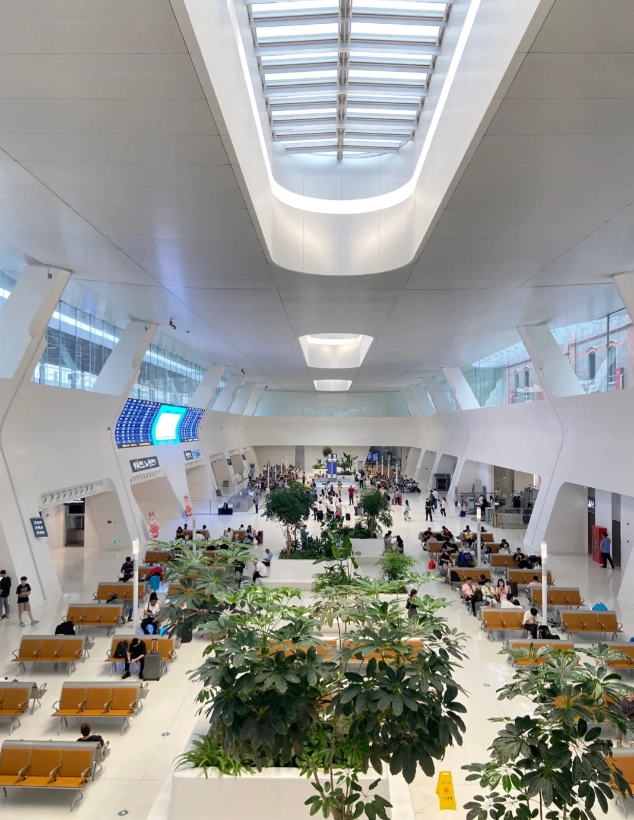
Baggage Check
Large luggage (over 130cm) must go through a separate security scan. There’s usually a dedicated channel. Don’t panic—just follow the crowd or ask a staff member. They see foreigners often and will gesture to the right line.
Ticket Booking for Foreigners
Here is the catch: you cannot use the Chinese railway website (12306.cn) easily as a foreigner without a Chinese phone number and ID verification. But there are workarounds.
- Trip.com (formerly Ctrip): This is your best bet. It accepts international credit cards and provides e-tickets. You’ll still need to enter your passport number, but the interface is in English.
- Klook: Another user-friendly option for popular routes like Jiaxing to Shanghai. They often bundle with other travel services.
- Station ticket counter: If you’re already in Jiaxing, head to the station’s manual ticket counter. Staff speak limited English, so have your destination written in Chinese. Show your passport.
Insider Advice: Avoid buying tickets on the day of travel during Chinese holidays (Spring Festival, National Day). Book at least 2 weeks ahead on Trip.com.
Payment methods at the counter: cash (RMB) is accepted at most stations, but international credit cards (Visa, Mastercard) are not. Alipay works if you have it linked to a foreign card. I always recommend carrying at least 200 RMB cash for emergencies.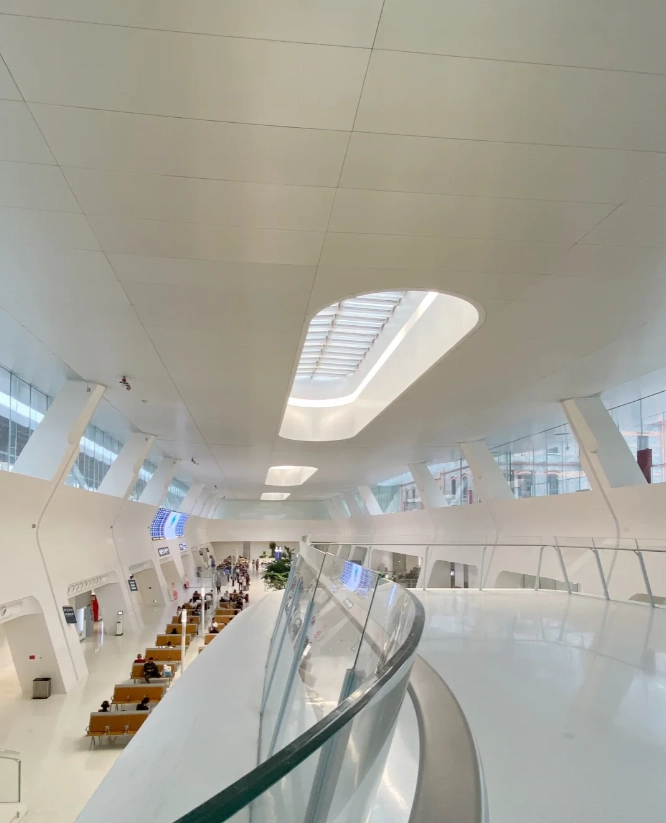
What to Do Around the Station
If you have a layover or want to explore Jiaxing after arriving, both stations are well-connected to the city’s highlights.
Near Jiaxing South Station (High-Speed)
This area is newer and more suburban. The “Jiaxing South Wanda Plaza” is a 10-minute walk—a standard Chinese mall with restaurants and a supermarket. For something unique, take a 15-minute Didi to Yuehe Old Street (月河老街), a historic canal district with traditional architecture and street food. I always take my groups there for a quick stroll before their train.
Near Jiaxing Station (City Center)
This station drops you right into the old town. Walk 5 minutes north to Nanhu Lake (南湖), a scenic lake with the famous “Nanhu Revolutionary Museum.” If you have an hour, rent a paddleboat or just grab a coffee at a lakeside café. There's also a night market nearby that opens around 6 PM.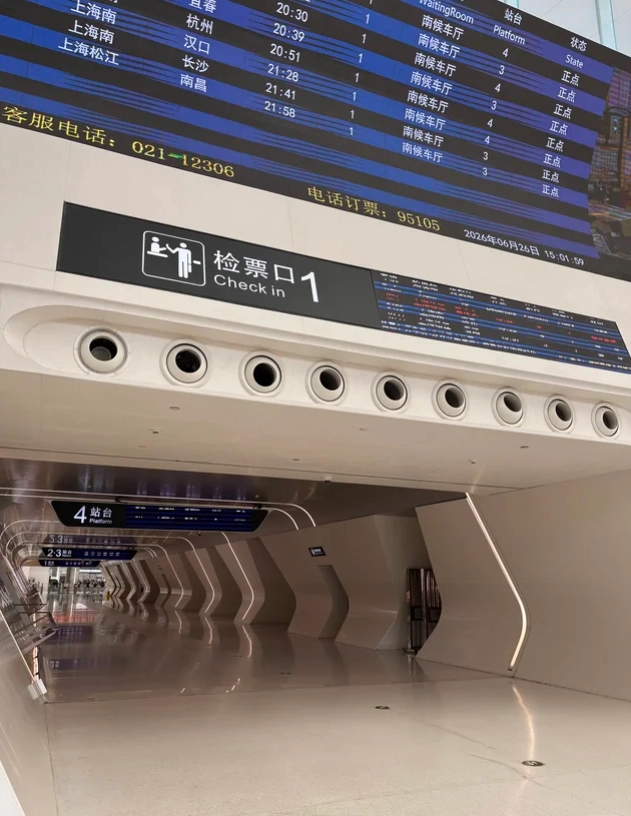
FAQs
Final word: Jiaxing train station is your gateway to exploring the water towns of northern Zhejiang. Don't let the logistics scare you—I've seen solo backpackers navigate this without a word of Chinese. With this guide, you’ll be a pro.





No comments yet.