 Ming Yang
Quick Guide
Let me be honest — when I first started guiding tourists in China, everyone asked the same thing: “Where can we learn to cook real Chinese food?” Not just eat it, but actually stir-fry, steam, and slice like the locals. Over the years, I’ve booked dozens of classes for my groups, and I’ve seen the good, the bad, and the tourist-trappy. This guide is everything I wish every traveler knew before signing up.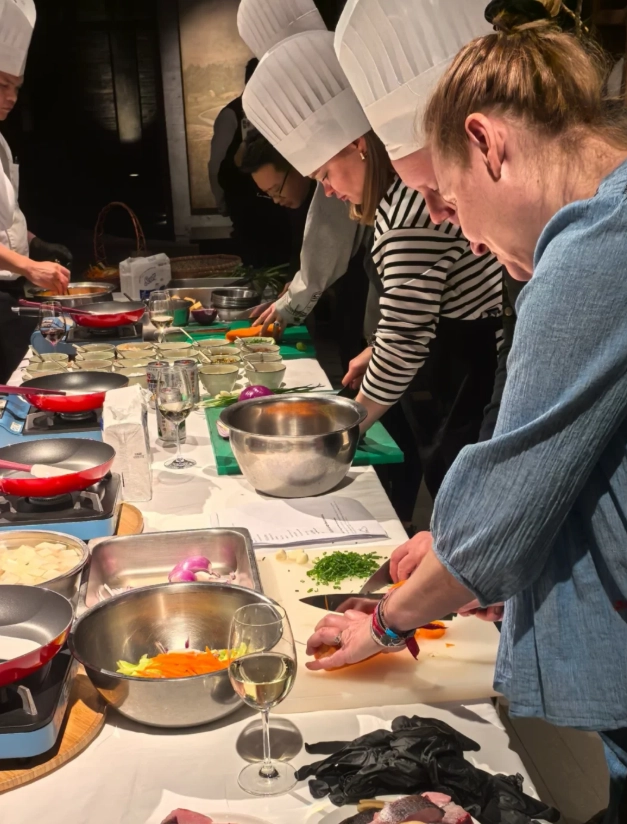
Why Take a Chinese Cooking Class?
Forget the cliché souvenir T-shirts. A cooking class gives you a tangible skill and a story to tell. You’ll walk away knowing how to make mapo tofu or hand-pulled noodles — dishes that actually impress friends back home. Plus, you get to eat your creations. Win-win.
But there’s a catch: not all classes are created equal. Many are designed for mass tourism, with watered-down recipes and rushed demos. I’ve had clients complain they spent more time on WeChat photo ops than actually cooking. That’s why I’m selective about which ones I recommend.
How to Choose the Right Cooking Class in China
Look for hands-on classes, not just demonstrations. A good class lets you chop, season, and flip the wok yourself. Ask for the student-to-teacher ratio — ideally no more than 8:1.
Check if the class includes a market tour. The best classes start at a wet market, where the instructor explains ingredients. This is where you learn real local knowledge — like how to tell if a Sichuan peppercorn is fresh (it should tingle your tongue).
Verify payment methods beforehand. Most small cooking schools in China do not accept international credit cards. I always tell my clients to bring enough cash (RMB) or have Alipay/WeChat Pay set up with their foreign card. For booking, use Trip.com or Klook — these platforms accept foreign credit cards and have English customer support.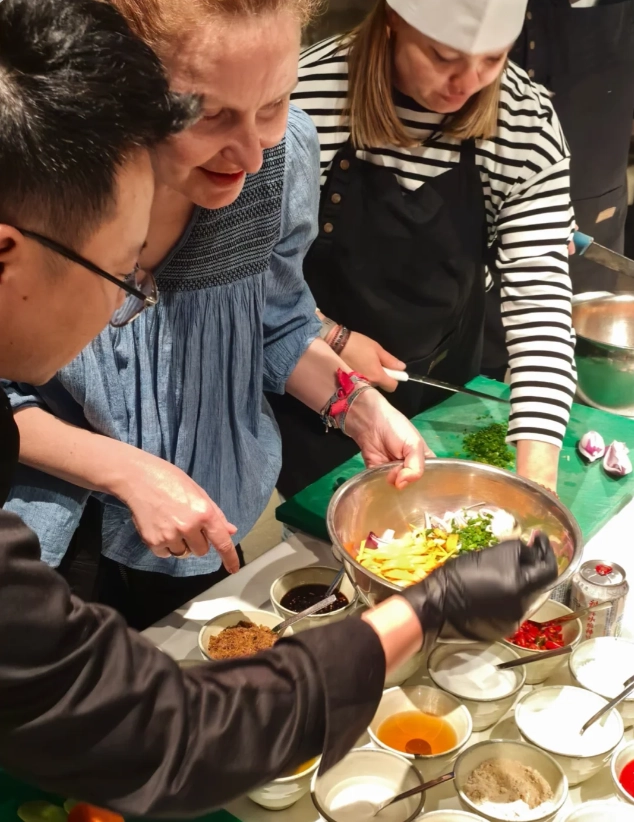
Top Cities for Tourist Cooking Classes
Chengdu – The Heart of Sichuan Cuisine
Chengdu is my top pick for anyone who loves bold flavors. I’ve personally attended classes at Sichuan Gourmet Cooking School (address: 123 Jinli Road, near Wuhou Shrine). They offer a half-day class (9:00–13:00) that includes a market visit. You’ll make 3 dishes: mapo tofu, kung pao chicken, and dan dan noodles. The instructor, Chef Wang, speaks good English and explains the balance of spicy and numbing. Price: around 380 RMB per person. Booking: required via their WeChat mini-program (ask your hotel to help) or Trip.com. Note: The class is vegetarian-friendly if you request in advance.
Beijing – Dumplings & Peking Duck
In Beijing, focus on northern staples like dumplings and noodles. I love Hutong Cooking Class (address: 56 Nanluoguxiang, Dongcheng District). Their 4-hour session (14:00–18:00) teaches you to make 30 dumplings from scratch, plus a stir-fry. The teacher, Ms. Li, is a grandma who’s been making dumplings for 50 years. She’ll show you the secret to a juicy filling: add ginger water and stir in one direction. Price: 350 RMB. Pay with cash or WeChat. The class is held in a traditional courtyard house, so it’s an atmospheric experience. Book on Klook to avoid language barriers.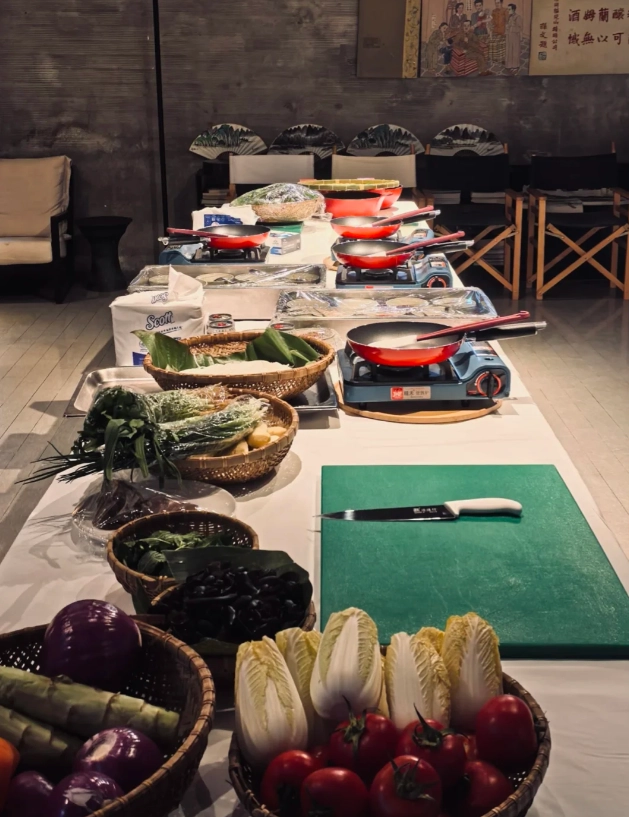
Shanghai – Fusion and Shanghainese Street Food
Shanghai offers a more eclectic mix. Try Shanghai Kitchen (address: 3/F, 123 Fuxing Road, near Xintiandi). They specialize in xiaolongbao (soup dumplings) and Shanghai-style braised pork. The class is intimate (max 6 people) and taught by Chef Zhang. He’s meticulous — he’ll make you fold each dumpling pleat by pleat. Price: 450 RMB. They accept credit cards if you book through their website. But I’ve found that the class lacks a market visit, so if you want a full cultural dive, choose the Chengdu option.
What to Expect: A Typical Chinese Cooking Class
Here’s the timeline I’ve seen across most classes:
- Market tour (30–45 min): You’ll see live seafood, unknown greens, and maybe some squirming eels. Don’t be shy — ask questions. Your instructor will explain wok hei (the breath of the wok) and why certain oils are used.
- Prep work (30 min): You’ll wash, chop, and marinate. Pro tip: Wear comfortable shoes; you’ll be standing the whole time.
- Cooking (1.5–2 hours): Usually 3 dishes. The instructor demonstrates, then you replicate at your own station. Expect to make mistakes — I’ve burned garlic more times than I admit.
- Feast (30 min): You eat what you cooked, family-style. This is the best part. Bring Tupperware if you want leftovers (most classes allow it).
What they won’t tell you: The kitchen might be hot and crowded. Bring a small towel. Also, toilet facilities vary — the market restroom might be squat-style and not super clean. Use the one at the school before the tour.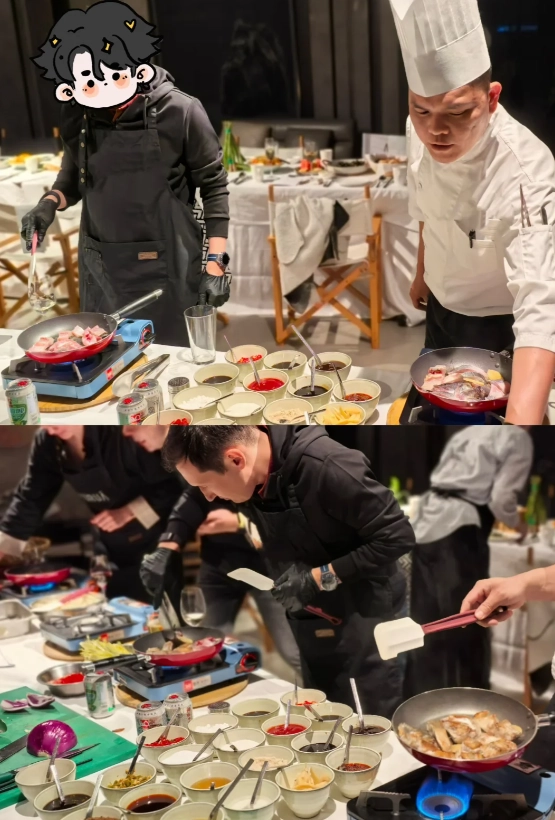
Insider Tips to Level Up Your Experience
Book on weekday mornings. Most classes are in high demand on weekends and afternoons. Mornings are quieter and the ingredients are fresher.
Google Maps is useless in China. Use Apple Maps or AMap Global (English-friendly). For the addresses I’ve listed, show the Chinese version to your taxi driver. Better yet, use Didi (Chinese Uber) — it accepts foreign cards if you set up Alipay first.
VPN is your lifeline. Before your trip, install a reliable VPN (like ExpressVPN or Astrill) so you can access Google, WhatsApp, and Instagram to share your cooking pics.
Cash is still king for small vendors. While Alipay/WeChat are ubiquitous, the market vendors during the tour may only take cash. Carry 200–300 RMB in small bills.







No comments yet.