 Ting Chen
What's Inside This Guide
I've been guiding foreign travelers around Shangri-La for over a decade. And every time I bring a group to Ganden Sumtseling Monastery—the largest Tibetan Buddhist monastery in Yunnan—I see the same thing: tired, sunburned tourists who followed a blog that told them to go at 10 AM. Let me save you that pain.
Here's the truth: most guides tell you to visit in the morning. But I've watched too many people melt in the queue. If you want golden light, fewer crowds, and a peaceful experience, you need to arrive after 3 PM. The monastery closes its main halls at 6 PM, but the grounds stay open for another hour. I'll explain exactly why this works, plus how to navigate the payment system, avoid the fake ticket scams, and find the best photo spots.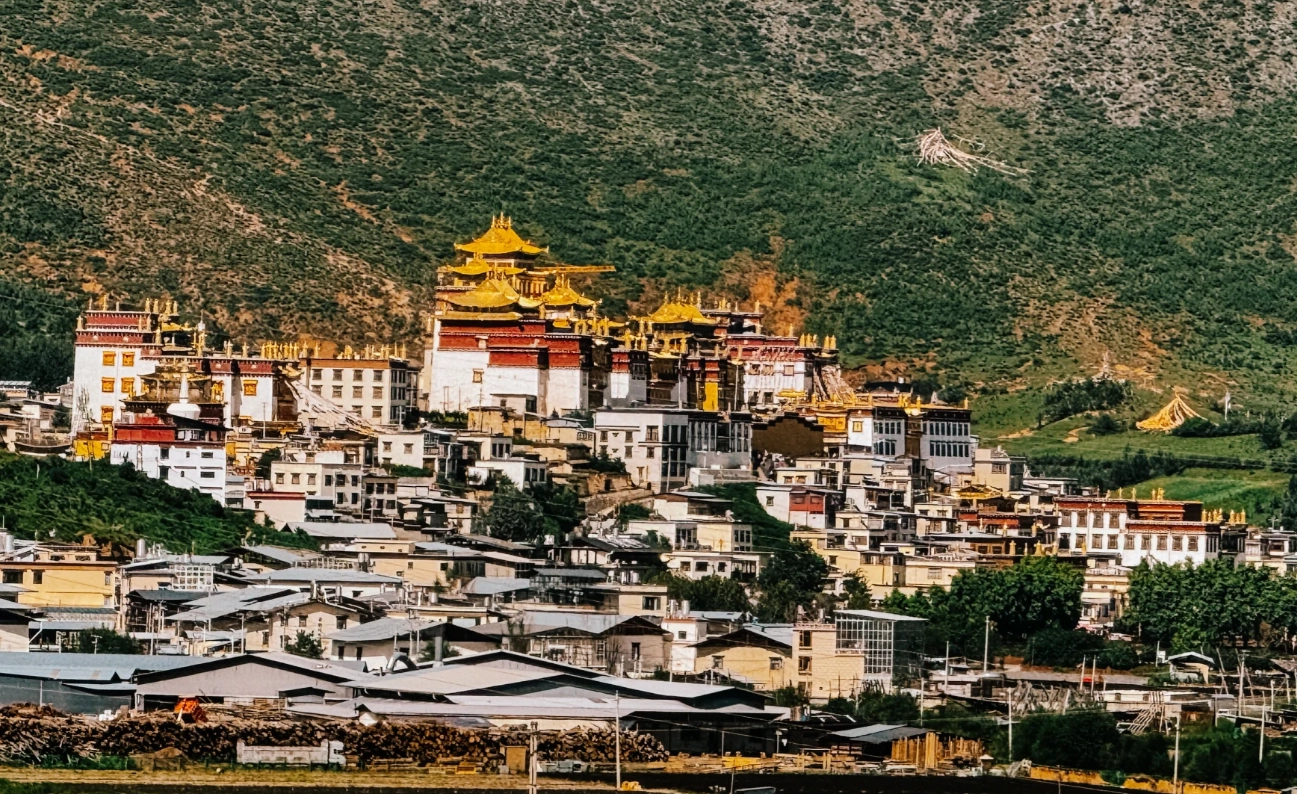
Why I Always Take Clients Here at 4 PM
Let me paint you a scene: It's 10 AM, the sun is already harsh. Tour buses line the parking lot. A queue of 100 people snakes around the ticket office. You're stuck in direct UV for 40 minutes. I've seen too many red faces and ruined shots.
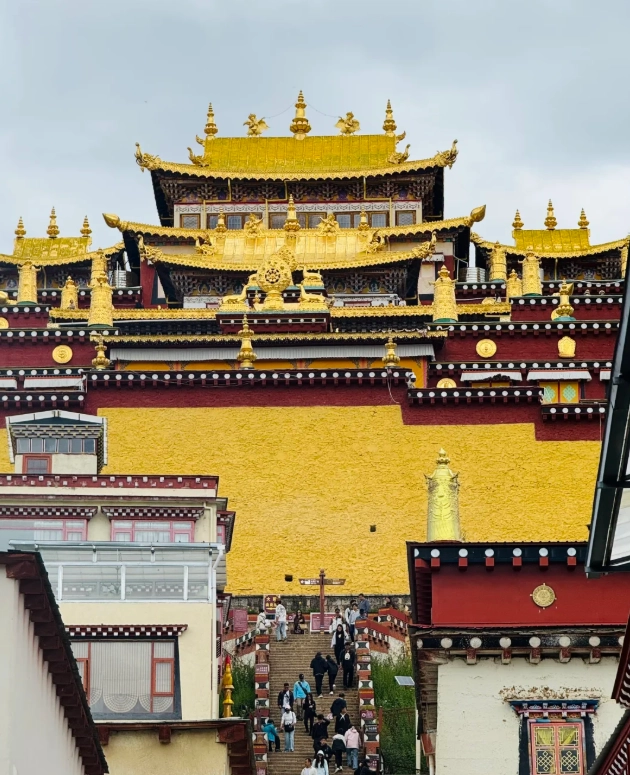
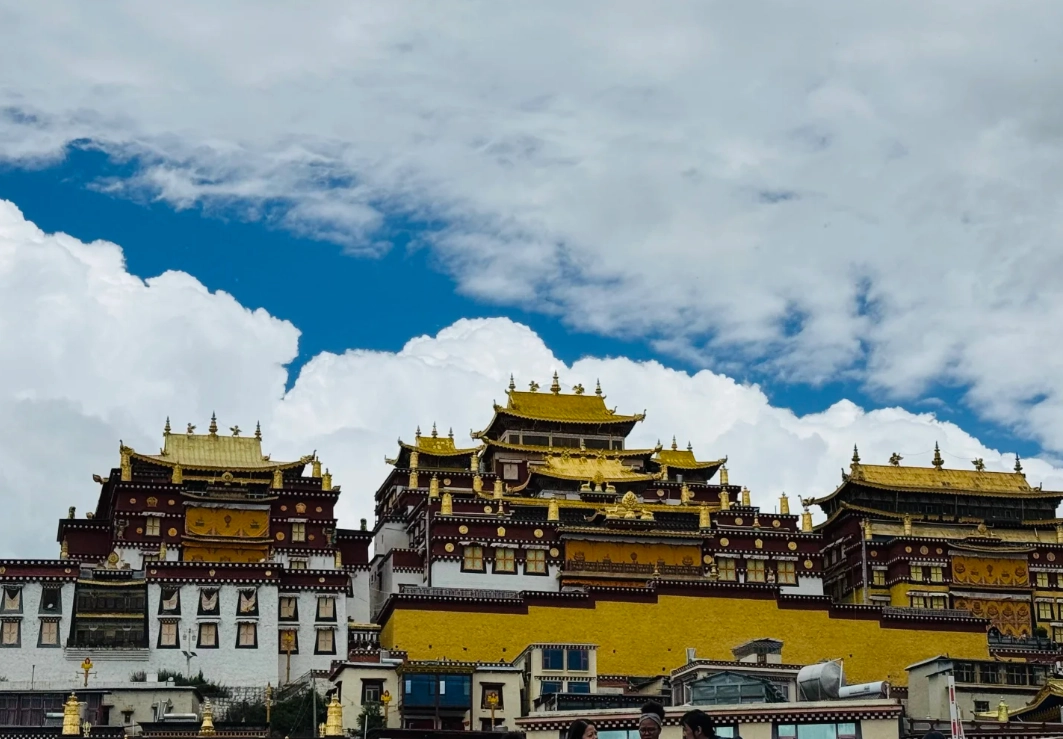
Now picture 4 PM. The light turns warm and angled. The tour groups have left because their itineraries say "monastery in the morning, Pudacuo in the afternoon." You walk straight to the ticket counter. The golden hour light hits the gilt roofs perfectly. And you have the inner courtyard almost to yourself.
Ticket, Payment, and the WeChat Nightmare
Ticket price: 90 RMB per adult (students and seniors 60+ get a 50% discount with valid ID). If you want to take the shuttle bus from the ticket center to the monastery gate (about 2 km), it's an extra 20 RMB round trip. Many tourists don't realize you can walk that road—it's a pleasant 20-minute stroll along a prayer flag-lined path. Save the money.
Payment: Cash and Chinese mobile payments (Alipay, WeChat Pay) are accepted at the ticket office. International credit cards? Not a chance. I've watched foreigners dig through their bags for cash while the line behind them gets impatient. Bring enough cash (at least 100 RMB extra for incense or small donations). Also, the ticket office has a sign that says "scan here to pay"—but that WeChat mini-program is in Chinese only. Your best bet: use cash at the counter.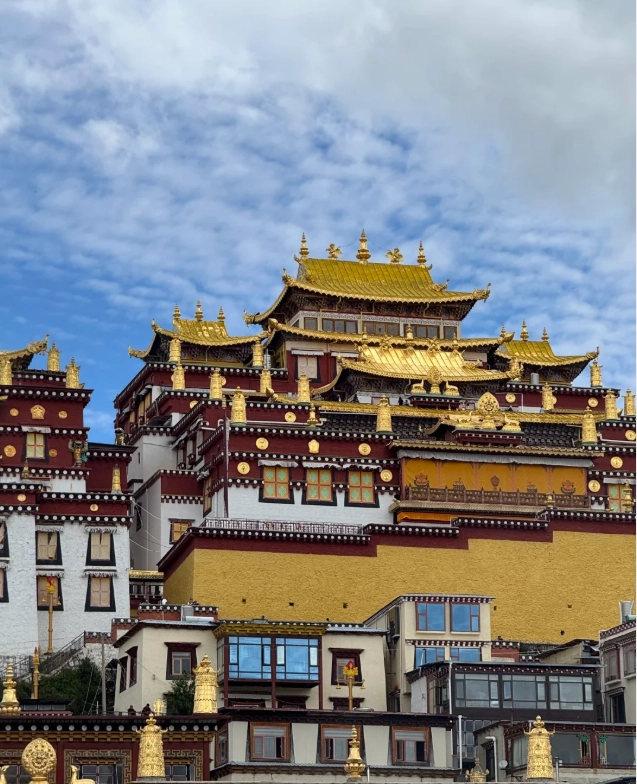
How to Get There Without Getting Lost
First, Google Maps is useless in China. Download Apple Maps (which uses Gaode's data and is in English) or use AMap Global. The monastery's location in Chinese is: 云南省迪庆藏族自治州香格里拉市建塘镇尼旺路3号. Show that to your DiDi driver.
From Shangri-La Old Town (Dukezong)
Taxis charge a flat 20-30 RMB (negotiate before getting in). DiDi (the Chinese Uber) costs about 18 RMB. The ride is 15 minutes. Alternatively, take bus No. 3 from the old town bus stop—it drops you right at the monastery gate. Fare is 2 RMB and buses run every 20 minutes from 7 AM to 8 PM.
From Shangri-La Airport
Airport to monastery: 8 km. Taxi costs 40-50 RMB. No direct bus, but you can take airport shuttle to the city center (20 RMB) then switch to bus No. 3.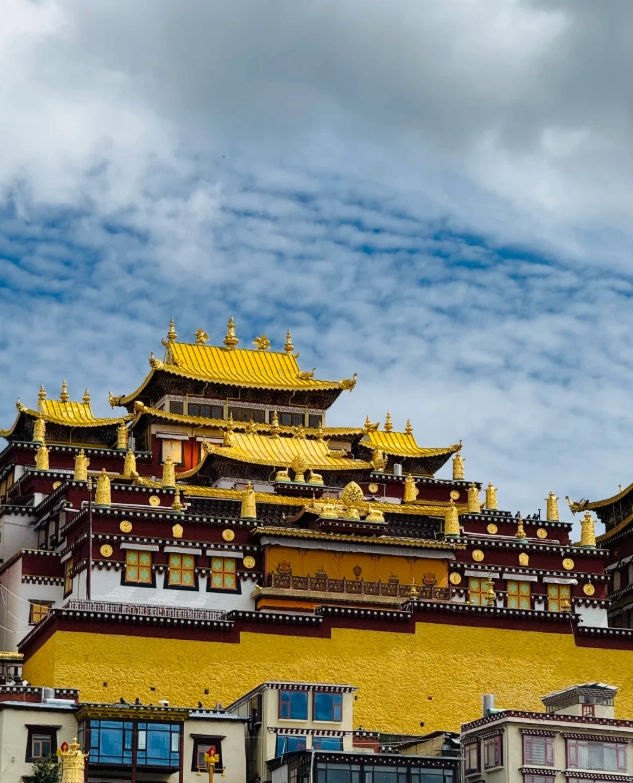
Navigating the Monastery: A Step-by-Step Walk
Step 1: Enter through the main gate (after passing the shuttle bus stop). Walk clockwise—always. This is a Buddhist tradition, and it's also the logical route.
Step 2: The first courtyard has the Main Assembly Hall (Zhacang). Go inside. Take off your hat and shoes. No photography inside (they're strict—I've seen guards confiscate phones). Silently observe the chanting monks and the giant Buddha statues. Spend 20 minutes here.
Step 3: Exit and climb the stairs to the East and West Halls. The left hall houses the Living Buddha's residence—you might see monks debating in the courtyard. That's a real treat. The right hall has a huge Maitreya Buddha.
Step 4: Behind the main complex, follow the path up to the white stupas. This is my favorite spot. You get a sweeping view of the entire monastery against the mountains. Few tourists walk this far—most turn back after the main hall.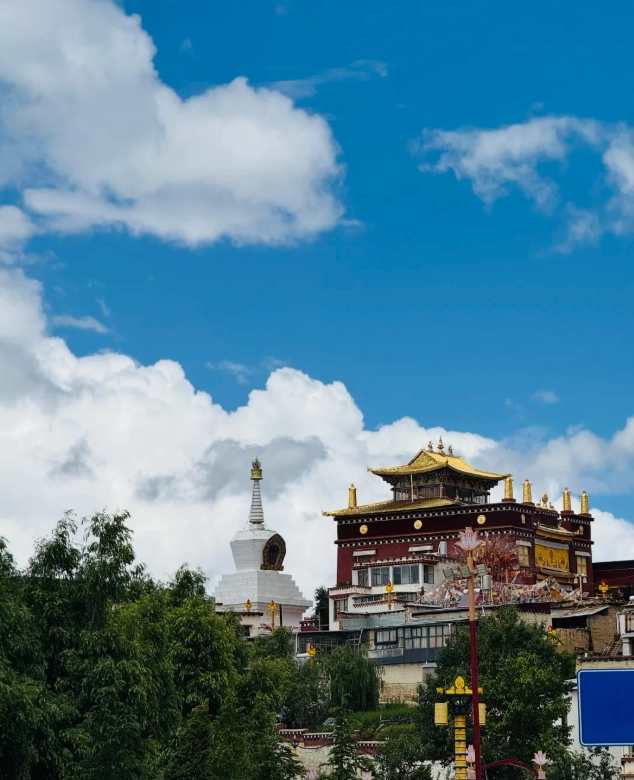
Photography Spots Most Tourists Miss
Everyone takes the same photo in front of the main hall. Here are three better options:
- The reflection pond — on the left side of the main entrance, there's a small pond that mirrors the golden roof. Best at 4:30 PM with the sun behind you.
- The prayer wheel corridor — on the east side, a long row of prayer wheels with a narrow perspective. Go close to the wall and shoot toward the end for a dramatic depth.
- The hillside above the white stupas — climb another 100 meters up the dirt trail. You'll get the entire monastery in frame with no tourists in sight. I've taken some of my best portraits there.
What to Wear and Pack
Shangri-La sits at 3,300 meters (10,800 feet). Even in summer, it can be chilly. Here's my packing list:
- Layers: A light down jacket or fleece under a windbreaker. I wear a thin thermal under my polo — by 2 PM the sun warms you, but as soon as a cloud passes, the wind bites.
- Sun protection: The UV here is intense. Sunglasses, hat, and SPF 50+ are non-negotiable. I've seen tourists with blistered noses after 3 hours.
- Comfortable walking shoes: The monastery has uneven stone stairs and dirt paths. No flip-flops.
- Power bank: You'll be using your phone for navigation and payment. There's no charging spot inside.
- VPN: Already set up before you leave your hotel. Many Chinese SIM cards block social media. I use Astrill VPN — it works reliably in this area.
Common Questions from My Clients
Verified and fact-checked by the editorial team.





Maybe I hyped it up too much after reading glowing reviews. The monastery itself is impressive, but it felt more like a tourist attraction than a living spiritual site. Our 'skip the crowds' guide just told us to come at 8am (which we did, but still plenty of other people had the same idea). The audio guide was basic and a bit boring. Not terrible, but for the price I expected more authenticity.
A beautiful monastery with amazing views of the surrounding hills. The local guide's advice helped us skip the ticket queue which was great. Only giving 4 stars because a few of the smaller temples were under renovation, and the constant yak butter smell inside the main hall was a bit overwhelming for my sensitive nose. Still a fantastic cultural experience.
Our guide, a local Tibetan guy named Tashi, was the highlight. He knew exactly which corners to stand in for the best photos without crowds, and explained the symbolism behind the thangkas and the rotating scriptures. The whole complex is massive but his pacing was perfect – we never felt rushed. Five stars, no question.
One of the most peaceful monastic experiences I've had in China. The guide emailed us a little map showing the quiet back alleys where monks actually live and study – stepping away from the main courtyard felt like entering a different century. The small chai shop near the east gate serves the best butter tea. Highly recommend taking that extra walk.
Absolutely loved this place! Getting there early with the local guide's tips made all the difference – we had the main prayer halls almost to ourselves for a solid hour before the tour buses arrived. The golden roofs against the blue sky are stunning, and the smell of incense mixed with pine trees is something I'll never forget. Totally worth the early alarm.
Best decision I made in Shangri-La. I was worried about the crowds after reading other reviews, but our local guide had us there right when it opened and took a clever route that completely avoided the bottleneck at the main staircase. We had entire halls to ourselves for a few minutes. The tip about the rooftop kora (circumambulation path) with the mountain backdrop was pure gold. Highly recommend booking this specific guide.
Five stars without hesitation. I’ve been to a lot of monasteries in Asia, and this tour made all the difference. The guide’s tips weren’t just about timing – she explained the symbolism in the murals, the history of the Golden Roof, and even took us to a tiny tea house frequented by locals. Felt like visiting with a friend, not a tour. The quiet, almost meditative atmosphere was exactly what I needed.
Absolute game-changer! Our guide, Tenzin, knew every hidden corner and quiet courtyard. We entered through a side gate that most tourists miss, spent a peaceful hour in the prayer hall watching monks chant. The views from the upper terraces were breathtaking without the selfie stick crowds. This is exactly how to experience Ganden Sumtseling – with someone who actually lives here. Worth every penny.
Good overall, but not mind-blowing. Our local guide was knowledgeable and did help us avoid the worst of the midday rush, which I appreciated. The monastery's intricate woodwork and thangkas are stunning. That said, the 'insider tips' mostly boiled down to 'go left when others go right' – nothing super secret. Decent value if you’re short on time, but I wouldn’t call it a must-do tour.
Honestly, I was a bit let down. The monastery itself is beautiful, but the 'skip the crowds' promise didn't really hold up. Even with the guide, we still hit a bunch of tour groups at the main halls. The guide was friendly, but the tips felt generic – things you'd find in any guidebook. For the price, I expected a more exclusive experience. Maybe go super early on your own instead.