 Ming Yang
📌 Quick Look
I've lost count of how many times I've rescued frustrated travelers at the Shangri-La bus station. They wave a crumpled printout from 2018 — and their international credit card is useless. Here's the truth: Shangri-La is not a plug-and-play destination. You need a strategy, and an English speaking guide isn't a luxury — it's your lifeline.
After guiding hundreds of English-speaking visitors through this Tibetan highland, I've mapped out exactly what works. This Shangri-La English speaking guide cuts through the confusion: where to find certified guides, how to pay without hassle, and which temples actually require a local to unlock the full experience. No fluff, just field-tested advice.
Why an English Speaking Guide Is Non-Negotiable in Shangri-La
Let me paint a scene: You've just landed at Diqing Shangri-La Airport (3,280m elevation). Your WeChat Pay is set up, but the taxi driver doesn't speak a word of English. The hotel receptionist hands you a map — all in Chinese. You try to ask for a Tibetan monastery, but the conversation collapses. This is where a guide bridges the gap.
Beyond language, a guide unlocks cultural context. At Songzanlin Monastery (the little Potala), you'll see monks debating in the courtyard. A guide explains the symbolism of the thangka paintings and which halls to visit first to avoid the tour bus crowds. Plus, they handle the tedious booking process: most sites require passport registration via Chinese-only apps. A guide prebooks everything, saving you from staring at a wall of Mandarin characters.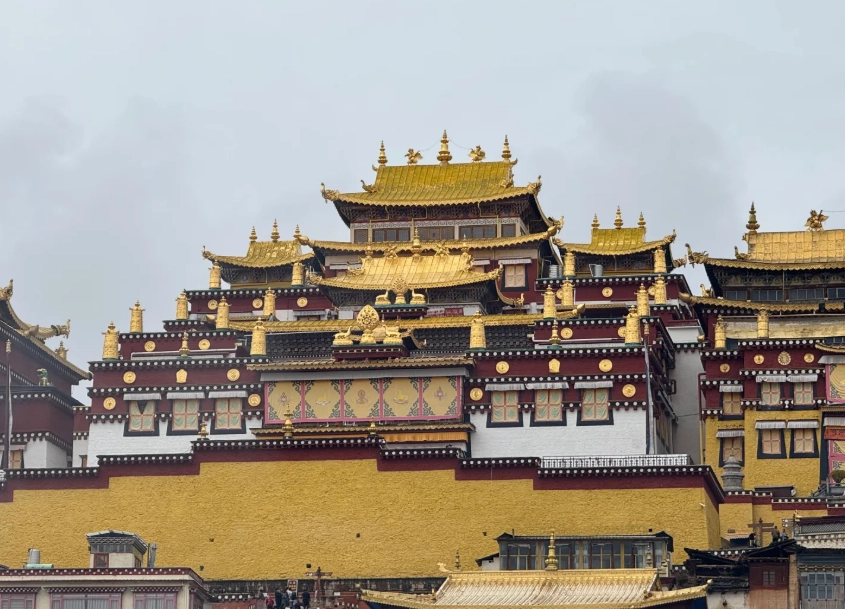
How to Choose a Reliable English Speaking Guide in Shangri-La
Not all guides are equal. Here's what I've learned from years in the industry:
Check for Official Certification
A licensed guide in China carries a badge with a QR code. Scan it and it links to the government tourism database. Never accept a guide who can't show this. Also, verify their English level — ask them to explain the history of Shangri-La in English. If they stumble on basic terms like "prayer wheel," move on.
Book Through Trusted Platforms
I recommend Trip.com or Klook for guaranteed English service. Both allow you to filter by language and read recent reviews. Avoid WeChat groups or random recommendations from travel forums unless you have a local contact. Prices typically range from ¥300-600 per day (about $40-85) including entrance fees. Anything below ¥200 is likely a scam.
Ask About Itinerary Flexibility
A good guide adapts to your pace. Some travelers want to photograph every corner of Dukezong Old Town; others prefer a deep dive into Tibetan medicine. Before booking, discuss your interests. Guides who rush you through sites are just counting minutes — avoid them.
| Booking Channel | Language Reliability | Price Range (per day) | Best For |
|---|---|---|---|
| Trip.com | Excellent (verified reviews) | ¥400-600 | First-time visitors |
| Klook | Very Good | ¥350-550 | Budget-conscious travelers |
| Hotel Concierge | Good (depends on hotel) | ¥300-800 | Last-minute booking |
| Local guide union (at tourist info center) | Variable | ¥250-400 | Experienced travelers |
Top 5 Must-See Attractions with English Guided Tours
Over the years, I've narrowed down the spots where a guide truly elevates your experience. Here they are:
- Songzanlin Monastery (Ganden Sumtseling Gompa) — The largest Tibetan Buddhist monastery in Yunnan. Pro tip: arrive before 8:30 AM to catch the morning chanting. A guide will explain the three main halls and the mural of the Wheel of Life. Admission: ¥90 (adult), free for children under 1.2m. Booking required via Trip.com or official WeChat — guides handle this. Address: 3 km north of Shangri-La city center (show taxi driver: 松赞林寺). Duration: 2-3 hours.
- Dukezong Old Town (Ancient City) — A 1,300-year-old Tibetan town. The giant prayer wheel on Guishan Hill is a must. Your guide can share legends about the town's founding. Free entry (some secondary museums charge ¥20). Best visited in late afternoon for golden light and fewer crowds. Tip: climb to the top of the hill for a panoramic view — it's only 108 steps but at 3,300m elevation, go slow.
- Pudacuo National Park — A pristine alpine lake and forest. Entry: ¥100 + ¥60 shuttle bus. English guides are available but book ahead — only 100 English-speaking guides are licensed for the park. Best time: May–June for rhododendron blooms or September–October for autumn colors. Bring your passport for ticket purchase.
- Tibetan Family Visit — Many guides arrange a homestay with a local Tibetan family. You'll try butter tea, tsampa (roasted barley flour), and learn about daily life. Price: usually included in the tour if requested. Insider advice: ask your guide to take you to a family that doesn't cater to mass tourism — the experience is much more authentic.
- Baima Snow Mountain Nature Reserve — For adventure seekers. Hiking trails through primeval forests. A guide is essential here because trails are poorly marked and altitude sickness is a real risk. Permit required — your guide can arrange it. Best for: experienced hikers (6+ hours).

Insider Tips: Navigating Payment, WiFi, and Transportation
Payment: Cash Still Surprises You
Many shops and small eateries in Shangri-La accept only WeChat Pay or Alipay. International credit cards? Forget it except at major hotels. Here is the catch: if your guide is good, they'll help you top up your Alipay balance via a Chinese bank transfer. But you can also withdraw cash from ATMs at Bank of China (accepts Visa/MasterCard). Always carry ¥500-1,000 in small bills for temple donations and market stalls.
WiFi & VPN: Don't Leave Without a Plan
Google Maps, Instagram, and WhatsApp are blocked in China. Before you arrive, install a reliable VPN (I use ExpressVPN or Astrill). Also download Apple Maps or Baidu Maps (with English mode) — Baidu Maps is more accurate for local bus routes. Pro tip: your guide will likely have a portable WiFi hotspot. Ask them to share the network — it's a lifesaver when you're lost.
Getting Around: Taxi vs. Didi
Didi (China's Uber) is cheaper and easier for English speakers if you have the app set up with Alipay. Show the driver your destination in Chinese characters — your guide can write them for you. Taxis don't use meters for long distances; negotiate the price upfront. Average fare from airport to town: ¥60-80.
What to Expect: A Typical Day with an English Speaking Guide
Let's walk through a sample itinerary I've designed for my clients. It balances key sights with rest — because altitude hits harder than you think.
| Time | Activity | Notes |
|---|---|---|
| 08:00 | Pick up from hotel + breakfast | Your guide will have already booked Songzanlin tickets. Quick breakfast of yak yogurt — trust me. |
| 08:30 – 11:30 | Songzanlin Monastery tour | Guide explains the murals and sutra hall. Insider: visit the debating monks area at 10:00 AM. |
| 12:00 – 13:00 | Lunch at a Tibetan restaurant | Guide recommends local dishes: yak meat hotpot (偏咸,but delicious) and Tibetan noodles. Price: ¥50-80 per person. |
| 13:30 – 15:00 | Dukezong Old Town walking tour | Guide points out hidden alleyways and the oldest tea house. Avoid the souvenir street — it's overpriced. |
| 15:00 – 16:00 | Rest at hotel / coffee break at a rooftop café | Altitude break. I always pause here — rushing causes headaches. |
| 16:00 – 17:30 | Tibetan family visit (included) | Guided by a local family member. You'll learn to make momos (dumplings). |
| 18:30 | Sunset at the giant prayer wheel | Best photo spot. Guide will help you spin the wheel three times for luck. |
| 20:00 | Dinner and drop-off | Guide suggests a hotpot place away from tourist zone — cheaper and more authentic. |
Alternative plan if it rains: Swap open-air sites for the Diqing Museum (free, English audio guide) and a Tibetan incense-making workshop. Your guide will adjust — just ask.





I had high hopes based on the description, but the experience fell a bit short. The guide's English was heavily accented and at times difficult to follow, especially during the temple explanations. Also, the walking tour skipped some key areas of the old town that I later read about online. For the price, I expected a more polished delivery. It wasn't bad, but I wouldn't call it 'professional'—more like a friendly local trying his best.
Solid tour overall, with a knowledgeable guide who clearly loves his hometown. We visited Napa Lake and the Songzanlin Monastery, and the historical context was excellent. Only reason it's 4 stars instead of 5 is the itinerary felt a bit rushed—we spent only 30 minutes at the monastery's main hall because of the schedule. If they added 15 more minutes at each stop, it would be perfect. Still good value for the price.
As a solo female traveler, I felt completely safe and welcomed. The guide, Dorje, was like a local friend—he remembered my name from day one, offered to take my photos at every scenic spot, and even shared stories about his family's yak herding traditions. The English explanations were clear and engaging. I left with not just photos but real connections. Highly, highly recommend!
Best decision I made in Yunnan. The guide tailored the pace to our group's fitness level (we had some older folks) and still covered all the highlights: Dukezong Old Town, the giant prayer wheel, and a short hike to a pristine lake. He also gave us a list of momo and butter tea spots that only locals know. Fair price for the depth of insight. Will use again for my next trip.
Absolutely loved this guided tour! Our guide, Tenzin, was a walking encyclopedia of Shangri-La's history and culture. He took us off the beaten path to a hidden prayer flag spot with breathtaking views of the Ganden Sumtseling Monastery. His English was flawless, and he even helped me bargain at the local market for a yak wool scarf. 10/10 would recommend to any solo traveler or group!
I'm a repeat visitor to Yunnan and this guide still surprised me. The section on lesser-known hiking trails near Napa Lake was a gem—I had the whole meadow to myself at sunrise. The emergency phrases and hospital info gave me peace of mind after I got mild altitude sickness. Print quality is nice too, with photos that actually match the places. Already lent it to a friend.
Best travel purchase I made this year! Used it every day during my week in Shangri-La. The walking tour of Songzanlin Monastery was super detailed, and the local idioms (like ‘za shen me’ for ‘what are you doing?’) made the monks smile. Even the taxi drivers complimented my attempts. Feels like having a local friend in your pocket. 10/10 would recommend.
Honestly, a bit disappointed. The guide claims to help you ‘navigate like a local pro’, but I found the language section too basic for any real conversation. The map of Pudacuo National Park was hard to read in print, and I ended up using my phone more. Maybe it's better for complete beginners, but I expected more depth. Overpriced for what it is.
I bought this hoping for a comprehensive English resource, and it delivered. The restaurant recommendations were fantastic—I tried a hidden yak butter tea spot that wasn't even on Google Maps. The only reason I'm giving 4 stars is that a few bus routes seemed outdated (one stop had moved). Still, for the price, it's way better than most free online guides.
This guide saved my trip to Shangri-La! I was nervous about navigating without Mandarin, but the phrasebook section and local tips were spot-on. The part about bargaining at Dukezong Old Town actually worked—I got a handmade bracelet for half the price. The maps are clear and the cultural notes helped me avoid awkward moments. A must-have for any solo traveler.