 Wei Zhang
Quick Navigation
I've lost count how many times travelers asked me: “When should I go to Shangri-La?” After seven years leading tours there, here's my honest answer. The best month to visit Shangri-La isn't just about weather—it's about dodging crowds, catching festivals, and keeping your lungs happy at 3,450 meters. Let me save you the guesswork.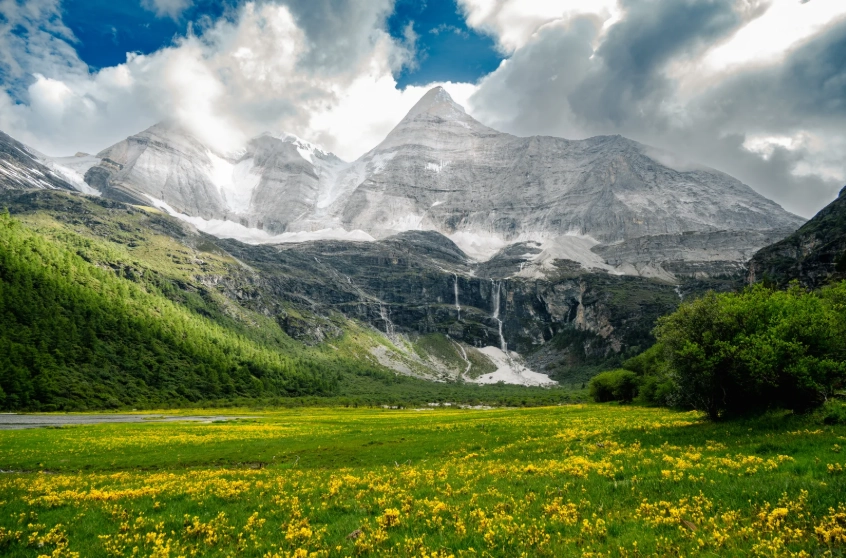
Why the Right Month Matters More Than You Think
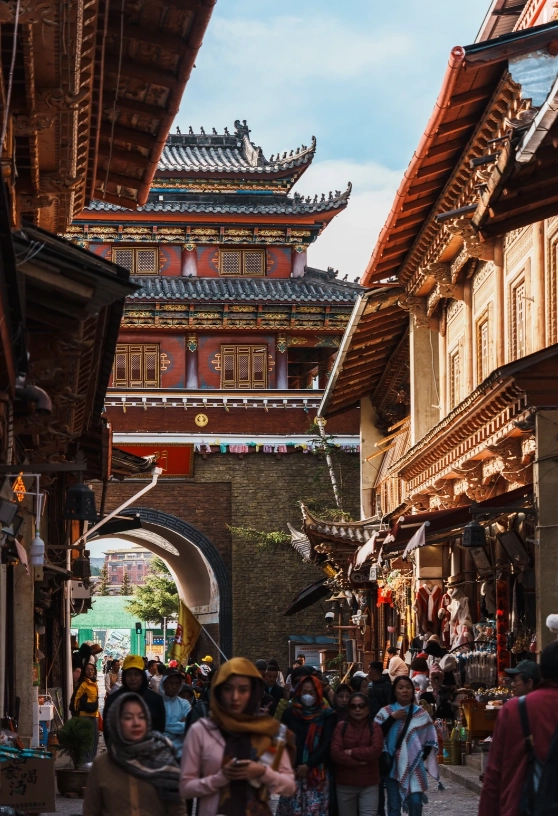
Shangri-La (formerly Zhongdian) sits high in Yunnan, with a climate that flips fast. Most tourists rush in during summer (July–August) only to hit monsoon rains and peak prices. I've seen groups soaked and grumpy, wondering why they didn't wait a few weeks. Meanwhile, the shoulder months offer crisp air, blooming flowers, and half-empty monasteries. Altitude sickness also varies—cold air holds less oxygen, so winter hits harder. Pick the wrong month and you might spend your trip in a hotel room with a headache.
Shangri-La Weather Breakdown by Month
Here's a quick table I prepared based on my own records and local data. It covers average temperature (high/low), rainfall, and what you can expect. Use it to match your priorities—sunshine, fewer tourists, or budget.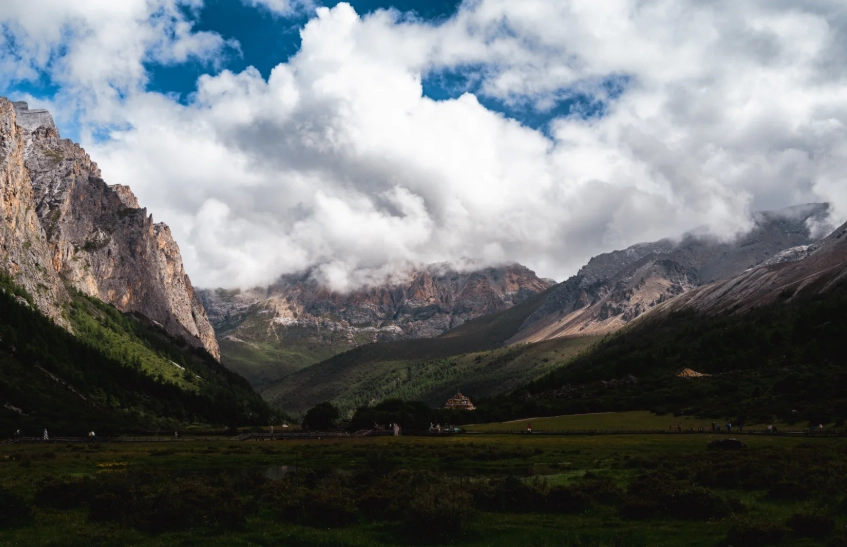
| Month | Avg High / Low (°C) | Rainfall (mm) | Key Characteristics |
|---|---|---|---|
| January | 8 / -10 | 5 | Cold & dry, heavy snow possible. Clear skies. Very few tourists. |
| February | 9 / -8 | 8 | Similar to January, slightly warmer. Tibetan New Year (Losar) often falls here. |
| March | 12 / -4 | 15 | Spring starts, but snow can linger. Occasional windy days. |
| April | 15 / 0 | 30 | Warming up, some rain. Wildflowers begin in late April. Still moderate crowds. |
| May | 18 / 4 | 40 | Spring peak! Rhododendrons bloom, skies clear. Best month for most travelers. |
| June | 20 / 8 | 90 | Rainy season begins. Lush green landscapes. Tourists increase. |
| July | 21 / 10 | 150 | Peak monsoon. Heavy rain almost daily. Crowded and expensive. |
| August | 20 / 9 | 140 | Still rainy. Occasional sunny spells. Peak domestic travel season. |
| September | 18 / 6 | 80 | Rain tapers off. Golden autumn colors. Excellent month. |
| October | 15 / 2 | 40 | Clear, crisp autumn. Best for photography. Moderate crowds (National Holiday early Oct). |
| November | 11 / -3 | 15 | Dry and cold. Great for budget travel. Some attractions close in winter. |
| December | 8 / -9 | 5 | Winter wonderland. Snowy scenery. Very quiet. Prepare for freezing nights. |
Top Picks: The Best Months to Visit Shangri-La
May – The Golden Window
May is hands-down the best month to visit Shangri-La for most travelers. I've led groups in early May and watched them gawk at endless carpets of wild rhododendrons around Pudacuo National Park. The temperature sits around a perfect 15–18°C during the day, and rain is still light. Altitude sickness is manageable because the air is not bone-dry like winter. Plus, the skies are a deep blue—great for photos of Ganden Sumtseling Monastery. One catch: the Labour Day holiday (May 1–3) brings domestic crowds, so book flights and hotels at least a month ahead. After the 5th, it's blissfully quiet.
September to October – Autumn Splendor
If you chase golden leaves and crystal clarity, September and October are your window. The monsoon ends by mid-September, and the landscape turns into a painter's palette—yellow poplars, red maple, and green pines. The temperature is 15–18°C in September, dropping to 10–15°C in October. I always tell my clients: bring layers. Mornings are chilly (around 5°C), but afternoons are warm. October's first week is China's National Day Golden Week—avoid it like the plague unless you enjoy shuffling shoulder-to-shoulder. Aim for the last two weeks of October instead.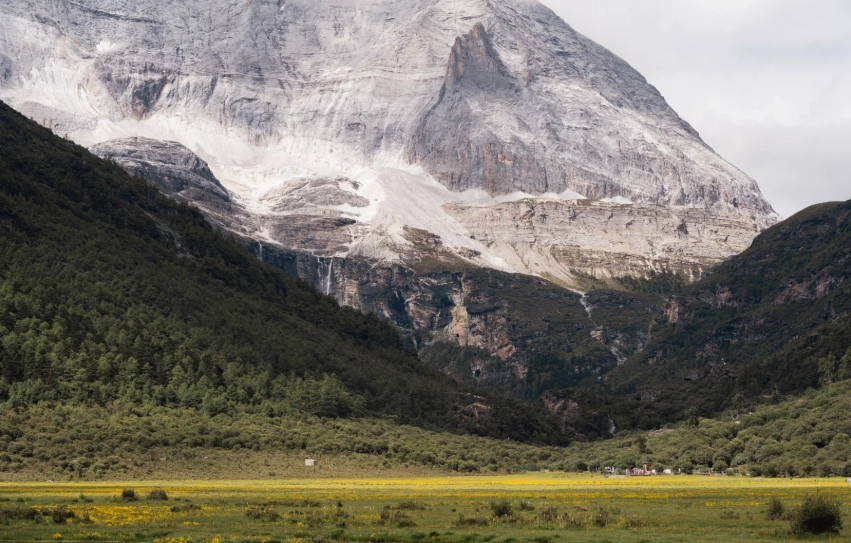
December to February – Winter Wonderland (for the Brave)
Winter is beautiful but brutal. Temperatures plunge to -10°C at night, but daytime can be a crisp 8°C under brilliant sun. I remember a December trip when the Songzanlin Monastery looked like a Tibetan version of a snow globe—pure magic. But here is the catch: many outdoor attractions close or have limited hours. Pudacau National Park closes its scenic trails in winter. Altitude sickness risk is higher because cold air is thinner. Only go if you have a strong tolerance for cold and are flexible with activities. Pro tip: stay at a hotel with underfloor heating—not all places have it. Check before booking.
Insider Tips for Your Shangri-La Trip
Dealing with Altitude Sickness
No joke—Shangri-La sits at 3,450 meters. Take it easy the first 24 hours: no alcohol, no heavy meals, and drink plenty of water. I always carry a small oxygen canister (available at most hotels or pharmacies for around 30 RMB). Your body adapts in a day or two. If you feel a pounding headache, don't push through—rest and use portable oxygen. WeChat Pay or cash is accepted for oxygen cans, but credit cards? Not so much. Keep 50-100 RMB in cash for emergencies.
Payment & Connectivity
Most tourists rely on Alipay or WeChat Pay linked to an international card. Cash works everywhere but large notes (100 RMB) can be hard to break in small shops. Credit cards (Visa/Mastercard) are accepted only in high-end hotels and a few souvenir shops. For navigation, Google Maps is a disaster in China. I use Apple Maps or download the Amap Global app (search "Amap" in the App Store). It gives English directions and works offline. Pro tip: screenshot the Chinese address of your hotel and key attractions—show it to taxi drivers or Didi (China's Uber) drivers. Didi app has an English version, but linking a foreign card can be tricky; Alipay's ride-hailing feature works better.
For booking tickets, avoid the headache of WeChat mini-programs in Chinese. Use Trip.com or Klook to buy entry to Pudacuo National Park and Songzanlin Monastery. You'll need your passport number—they scan it at the gate. Always book at least one day in advance, especially in peak season.
Getting There & Around
The nearest airport is Diqing Shangri-La Airport (DIG) with flights from Kunming, Chengdu, and Lhasa. From the airport, a taxi to the old town costs about 40 RMB and takes 15 minutes. If you arrive by bus from Lijiang (about 4 hours), the long-distance bus station is in the new town. Take a local bus (route 1, 1 RMB) or a taxi (20 RMB) to the old town. For longer trips, I rent a car with driver—about 500-600 RMB per day. Negotiate the price beforehand; many drivers speak basic English.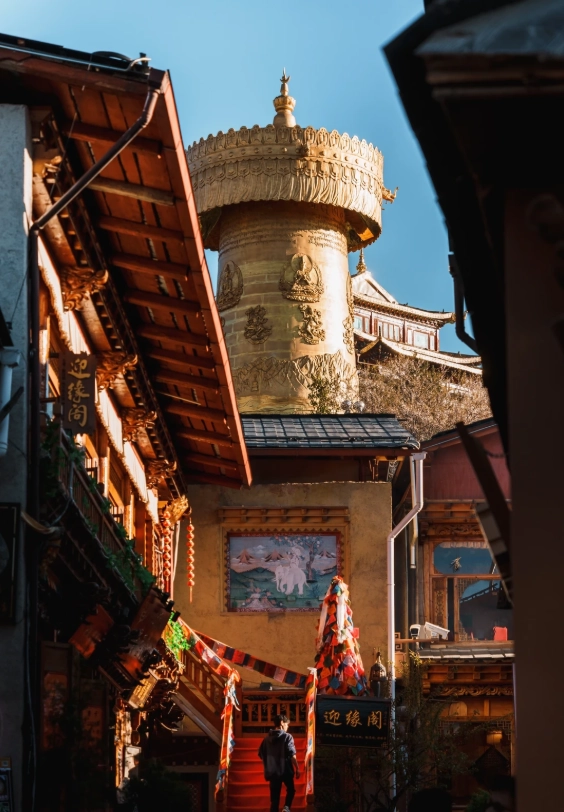
Common Travel Mistakes to Avoid
- Planning too much in one day. Altitude can make you slow. I recommend a maximum of two main activities per day with a lunch break in between.
- Relying on Google Maps after arrival. It fails completely. Download offline maps in Apple Maps or Amap before you land.
- Not carrying cash for small purchases. Some street vendors only accept cash. ATMs are available in the old town but may run out of cash on weekends.
- Forgetting to bring a power bank. Cold temperatures drain batteries fast. Keep your phone warm and topped up.
Frequently Asked Questions
So, when is the best month to visit Shangri-La? If you ask me, it's May—hands down. The weather is stable, the landscape is bursting with life, and the crowds are still manageable. But if you miss that window, September and October come a close second. Just steer clear of July and August unless you love rain and packed buses.
Final thought: plan your trip around the season that matches your travel style. For most people, that means late spring or early autumn. Now go book those tickets—and don't forget your altitude pills.





Hands down the best travel decision I made this year. I booked for the first week of June (shoulder season) and the weather was divine — warm afternoons, cool evenings, and hardly any rain. The 'fewer crowds' part is real; I walked through the old town without bumping into anyone. Everything clicked: the food, the scenery, the vibe. 10/10, would repeat exactly as this article suggests.
Followed the recommendation to go in mid-April and it was life-changing. The peach blossoms were out, the sky was deep blue, and we only saw a handful of other tourists at Feilai Temple. Even the price for accommodation was half of what I saw in summer listings. If you want to experience Shangri-La without the chaos, this is the month. Absolutely flawless trip.
This article nailed it! We came in late September and had the absolute best time. Sunny every day, crisp air, no queues at any attraction. We practically had Dukezong Ancient Town to ourselves at sunrise. The locals said it's the perfect window before the November chill sets in. Already planning a return — will use this guide again. Highly recommend!
Solid advice overall — October is indeed stunning with golden leaves and crystal-clear skies. The crowds were manageable, though I wish the article had warned about the cold mornings. Bring a heavy jacket and you'll be fine. The highlight was Pudacuo National Park with almost no one on the trails. Only reason I'm not giving 5 stars is the dining options felt limited in the off-peak month. Still a great trip.
I visited in early May based on this article's advice and honestly, I was a bit let down. The weather was pleasant but not as perfect as promised — we had two days of overcast skies. Also, while fewer crowds than peak season, Songzanlin Monastery was still packed with tour groups. For the hype, I expected a more serene experience. Maybe late September would be better? Overall okay, but not magical.
I was nervous about altitude sickness but picked early May and it worked out great. The weather was sunny every day, and the air was so fresh. I loved sitting in the old town square sipping yak butter tea, watching locals spin prayer wheels. The Songzanlin Monastery was less crowded than I expected, and the guides were knowledgeable. This place exceeded all my expectations — a real gem. Five stars without hesitation!
Best decision ever — mid-September. The sky was so blue it hurt my eyes. We hiked to the Shika Snow Mountain and had the trail basically to ourselves. The temperature was perfect for hiking: not too cold, not too hot. Also, the flower meadows near Napa Lake were still blooming in patches. Accommodation was cheap because it was shoulder season. Everything felt authentic and undisturbed. Absolute 10/10.
Came at the very end of April. The weather was perfect: crisp mornings, warm afternoons, barely any rain. Old Town felt almost empty — we could walk through Dukezong without bumping into tour groups. The prayer wheel at sunset was the highlight of our entire China trip. Every local we met was incredibly friendly. Can’t recommend this timing enough if you want peace and good weather. Will definitely come back!
Visited in mid-October. The autumn colors around the Ganden Sumtsenling Monastery were absolutely beautiful — golden trees against the blue sky. However, the hotel we booked (a mid-range one) had no heating and the nights were freezing cold. The staff didn't speak much English and seemed indifferent. Shangri-La itself is magical, but the service level really brings down the experience. Worth it for the scenery, not for comfort.
I went in early June hoping for fewer crowds, and it was indeed quiet. But the weather was super unpredictable — one moment sunny, next moment freezing rain. Got soaked while hiking around Pudacuo. The views were stunning when the clouds cleared, but honestly, the cold dampness ruined a lot of the fun. Maybe I just had bad luck, but I'd caution others to pack for all seasons.