 Ming Yang
I remember my first summer guiding a group of Aussies in Shangri-La. We arrived at 3 p.m., and one guy immediately tried to jog to the old town. Forty minutes later he was white as a sheet—altitude sickness hits fast. That’s when I learned: a smart Shangri-La summer itinerary must start with pacing, not sightseeing.
Summer (June–August) is the greenest season here. Wildflowers blanket the meadows, and the temperature hovers around 15–25°C. But it’s also the rainy season, and popular spots like Pudacuo get packed by 10 a.m. Below is the exact itinerary I use for my clients — designed to maximize your experience while respecting the altitude, the weather, and your wallet.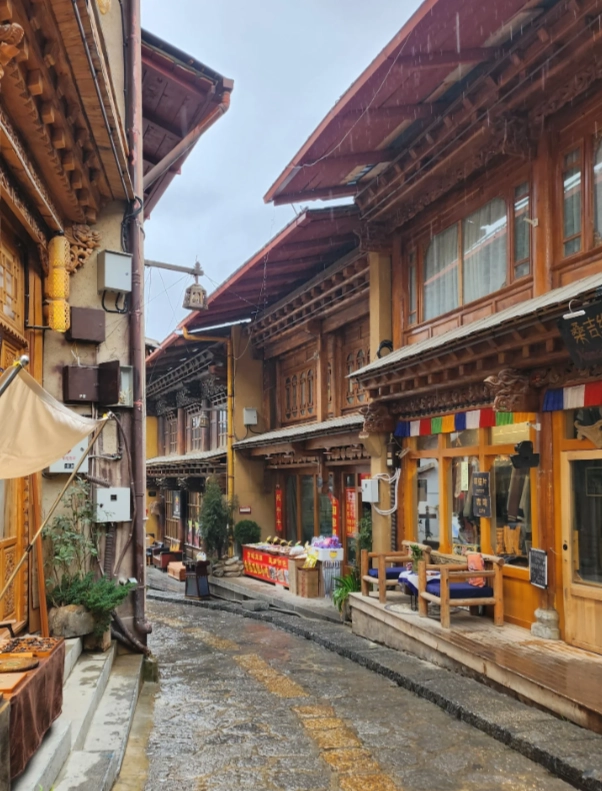
Why This Itinerary?
Most online guides cram too much. They’ll tell you to visit three monasteries in one day, then wonder why you feel awful. I’ve built this plan around three principles: acclimatize first, beat the crowds, and always have a backup. You’ll do one major activity per day, with easy alternatives if rain or fatigue hits.
Day 1: Arrival & Acclimatization (Altitude 3300m)
Morning: Fly into Diqing Shangri-La Airport (DIG)
The airport is only 5 km from the old town. A taxi costs around 30–40 RMB and takes 15 minutes. Google Maps works poorly here; use Apple Maps or the AMap Global app. Show the driver this address: 云南省迪庆藏族自治州香格里拉市独克宗古城 (Dukezong Old Town).
Pro Tip: Do not take a nap after arriving. It makes altitude sickness worse. Instead, take a slow walk around the old town — but keep it under 30 minutes.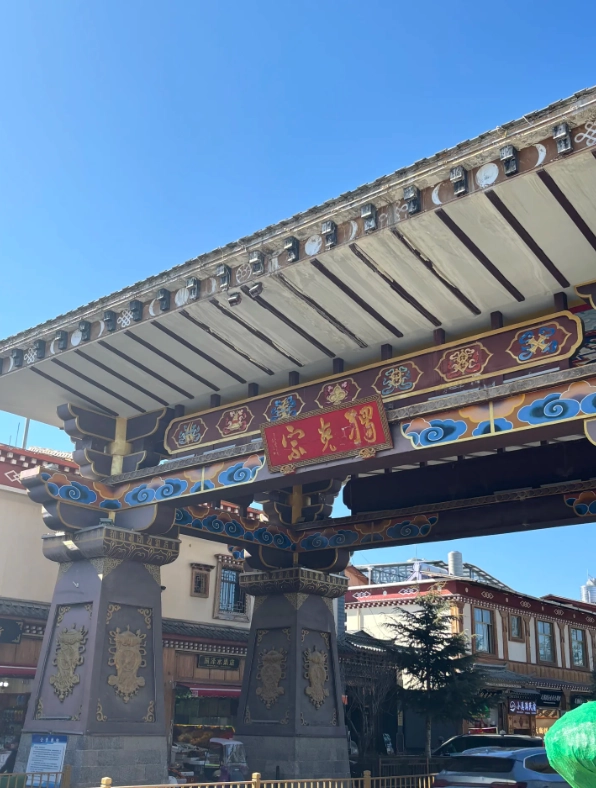
Afternoon: Relax and Hydrate
Check into a hotel with good reviews for oxygen. I recommend Songtsam Retreat Shangri-La (they have oxygen cylinders in rooms) or Gyalthang Dzong Hotel if you want a view. Prices in summer: 400–1200 RMB per night.
Lunch at a local yak restaurant: Try Yak Meat Hotpot at Sichuan Old Kitchen (谷歌评分4.5, 地址:达娃路). It’s hearty and warms you up. Pay with cash or Alipay; no credit cards.
Evening: Avoid Alcohol
I always tell my groups: no beer, no wine, not even a glass of red wine on day one. Alcohol dehydrates and worsens altitude effects. Instead, sip butter tea (酥油茶) at a local tea house — it’s a traditional remedy for altitude. My favorite spot: Langqing Café (金龙路, 2-min walk from the Moonlight Square).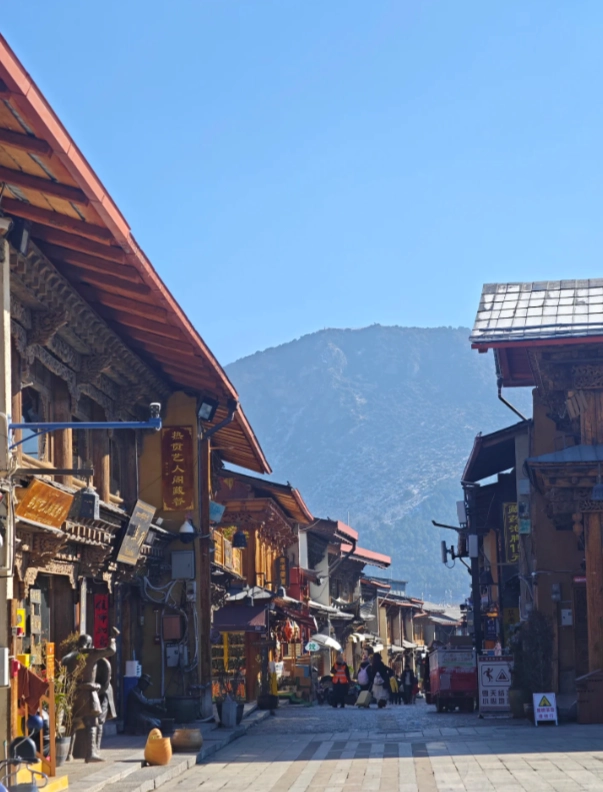
Day 2: Old Town & Songzanlin Monastery
Morning: Songzanlin Monastery (Ganden Sumtsenling)
Only 15 minutes by taxi from old town (30 RMB). Opening hours: 7:30–18:30, but go before 9 a.m. to avoid the tour bus crowds. Ticket: 90 RMB (must buy at the gate with passport—no online booking needed).
Why early? The monastery is built on a hill, and by 10 a.m. the sun is harsh. Plus, the chanting of monks in the main hall is most vibrant early. No photos inside temples — trust me, the smell of yak butter lamps and the low hum of prayer is something you’ll remember.
Afternoon: Dukezong Old Town & the Giant Prayer Wheel
Walk from the monastery back to old town (30 min downhill, or a 15-min taxi). Have lunch at Three Brother’s Restaurant (独克宗古城内, 人均50 RMB). Their Pilaf with Yak Meat is a must.
At 4 p.m., climb to the Giant Prayer Wheel (龟山公园). It’s the largest in the world — you need at least 3 people to spin it. Warning: the steps are steep; take it slow. The view of the old town roofs at golden hour is worth every breath.
Evening: Tibetan Dancing in the Square
From 7 p.m., locals gather at Moonlight Square (月光广场) for circle dancing. Join in! It’s free, fun, and a great way to fight altitude stiffness. Nearby stalls sell hot yak milk (10 RMB) — better than any souvenir.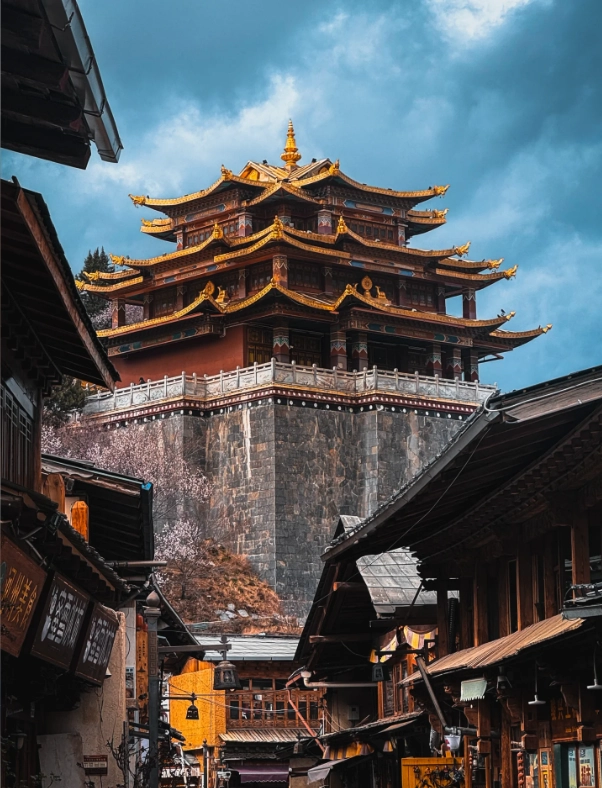
Day 3: Pudacuo National Park — The Highlight
Timing is Everything
Pudacuo opens at 8 a.m., but the ticket line builds fast. I suggest arriving at 7:45. Ticket: 70 RMB entrance + 80 RMB bus = 150 RMB total. You must show your passport. Pay by Alipay or cash — no credit cards accepted at the gate.
The park has two major areas: Shudu Lake and Bita Lake. Most groups rush to Shudu first, but guess what? Bita Lake is more serene and has a longer boardwalk. My advice: take the park bus to Bita first (30 min ride), explore the 3-km trail (1.5 hours), then head to Shudu for a shorter loop (1 hour).
Lunch Inside the Park
The only restaurant in the park is at the entrance — average food, but convenient. A plate of noodles costs 30 RMB. Pack some snacks from town (like Tibetan bread) to save money.
Day 4: Tiger Leaping Gorge Day Trip
Getting There
From Shangri-La old town, join a shared minivan (120 RMB per person, 2-hour drive). Depart at 8 a.m. Note: The gorge has two sections: Upper Gorge (easy, with the famous tiger stone) and Middle/Lower Gorge (requires hiking 2-3 hours). For summer, I recommend only the Upper Gorge if you’re not a seasoned hiker — the trail can be slippery from rain.
Entry fee: 45 RMB (pay at the entrance, passport needed). No advance booking required.
Midday
Have lunch at Tea Horse Cafe (虎跳峡景区内). Their egg fried rice with local ham (25 RMB) fills you up. Cash only here — I learned the hard way when my Alipay wouldn’t connect in the valley.
Afternoon: Return & Rest
Back to Shangri-La by 4 p.m. Use the evening to stretch your legs and buy souvenirs. The Handicraft Market near the South Gate has better prices than the tourist shops on the main street. A small thangka painting costs 150–300 RMB, but haggle to 100 RMB.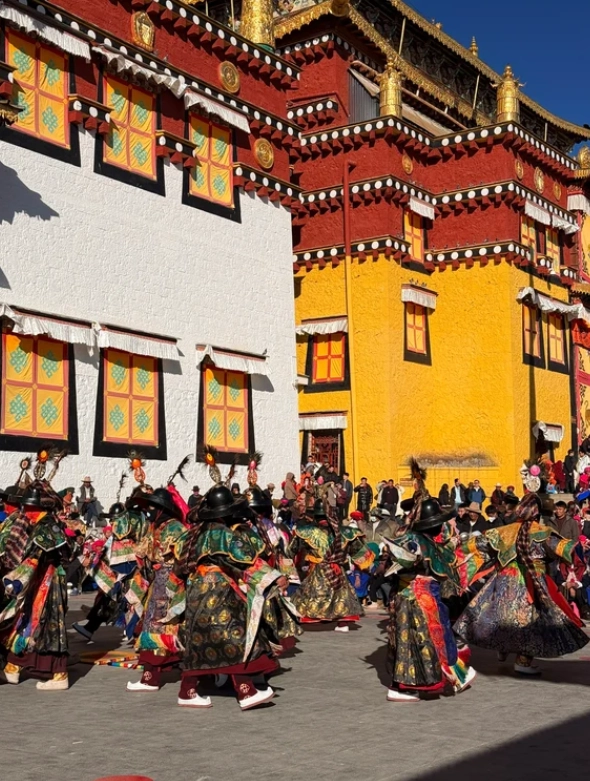
Day 5: Flexible Departure
Option 1: Sleep in and fly out
If your flight is in the afternoon, grab a late breakfast at Bee’s Knees Café (North Gate, 美式早餐 35 RMB) and take a taxi to the airport 45 minutes before departure.
Option 2: Morning hike to Balagezong
Hardcore travelers can add Balagezong Grand Canyon (1.5 hours drive, entry 100 RMB). It’s less touristy than Tiger Leaping Gorge, with glass-bottom bridges. But honestly? It’s a big day and you might be tired. I usually let my groups decide.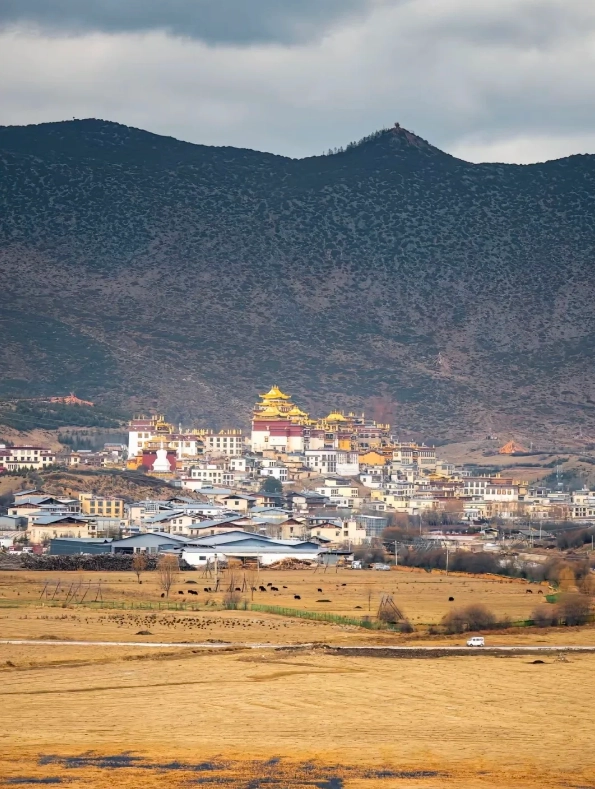
Frequently Asked Questions
Verified and fact-checked by the editorial team.






Solo traveler here — this itinerary was a lifesaver. The money-saving tips actually worked: I took the overnight bus from Kunming instead of flying and saved over 300 yuan. The early-morning visit to Songzanlin Monastery (right when it opened) meant I had the prayer halls almost to myself. I also met two other solo travelers at the recommended guesthouse. Felt safe, well-planned, and incredibly peaceful. 10/10 would do again.
Took my family of four on this summer trip and it was a home run. The kids loved the bike ride around Napa Sea, and the advice to pack our own snacks saved us a small fortune. Our guide was local and knew all the hidden viewpoints. The hotel they booked for us was clean, quiet, and right next to a great noodle shop. We followed the 'beat the crowds' schedule and never waited more than 5 minutes anywhere. Worth every penny.
Absolutely incredible! This itinerary saved us a ton of money and we barely saw any other tourists. The key is to follow the timings exactly — we got to the Napa Sea at 7:30am and had the whole meadow to ourselves. The free walking tour in Dukezong Old Town was a gem. Every meal recommendation was cheap and delicious. Can't recommend this enough for budget-conscious travelers who hate crowds!
A solid itinerary with a few hiccups. Loved the early-morning hike in Pudacuo — truly felt like we had the place to ourselves. The budget-friendly food recommendations were spot-on, especially the momo stall near the old town. But the hotel they suggested had thin walls and the wifi was spotty. Still, for the price and the crowd-beating strategy, I'd call it a win overall.
Honestly, I had high hopes for this itinerary after reading the title, but it didn't quite deliver. We still ran into long queues at the Songzanlin Monastery around 10am, and the 'save money' tips mostly just pointed us to cheap hostels that were far from the main sights. The guide was fine, but the pacing felt rushed — we barely had time to breathe at Pudacuo. Not terrible, but definitely not worth the hype.
Hands down the best travel resource I’ve ever used. I’m a photographer and this itinerary gave me exact coordinates for sunrise shots with zero photobombers. The money-saving part was fantastic too—staying in a family-run guesthouse instead of a hotel cut costs by half and the hostess even gave us homemade tsampa. The only reason I’m giving it 5 stars and not less is because it honestly exceeded every expectation. Perfect for budget-conscious travelers who hate queues.
This guide was a lifesaver! My boyfriend and I used it for our summer trip and we felt like we had insider knowledge. The sunset viewpoint at Dukezong Ancient Town was empty because 99% of tourists go to the wrong spot—thank you, itinerary! We also loved the suggestion to buy yak butter tea from a local mama instead of a café. Every recommendation was spot-on. I’m already planning to use it again next year. 5 stars!
Absolutely loved this itinerary! It transformed my Shangri-La trip. I followed the day-by-day plan and honestly didn't feel crowded anywhere—not even at the Old Town. The tip about visiting the Ganden Sumtseling Monastery right at opening time was pure gold; we had the whole place almost to ourselves. Plus, the budget hacks like using shared minivans instead of private taxis saved us at least 40%. Can't recommend this enough! 5 stars all the way.
A solid 4 stars! Most of the advice really worked—we avoided the midday crush at Pudacuo National Park by going early like it suggested. The bit about grabbing cheap momos from a street vendor near Songzanlin Monastery saved us a lot compared to the tourist restaurants. Only reason I’m not giving 5 is because one restaurant recommendation was closed for renovation without any update. Still, a very helpful guide overall.
Honestly, I found this itinerary a bit overhyped. We followed it pretty closely but ended up waiting in lines at the Napa Sea despite the 'beat the crowds' promise. Some of the money-saving tips felt outdated too—like the local bus route was way more complicated than described. It’s not terrible, just didn’t deliver on its main selling points for me. 3 stars feels fair.