 Ting Chen
What's Inside This Guide
- Why Shangri-La Isn't What You Expect
- When to Go: Crowds, Weather & Budget
- How to Get There: Planes, Buses & Trains
- Top Backpacker Sights & Hidden Corners
- Budget Breakdown: Where Your Money Goes
- Where to Stay: Hostels, Guesthouses & Homestays
- What to Eat: Yak Butter Tea & Tibetan Momos
- FAQ: Visa, Altitude, Payment & More
I still remember my first backpacking trip to Shangri-La. Got off the bus, altitude hit me like a wall, and I spent the first day curled up in a hostel. That was years ago. Since then, I've guided dozens of groups through this Tibetan corner of Yunnan, and I've picked up tricks you won't find in typical blogs.
Let me save you the headaches. This guide is built on real on-the-ground experience—from haggling in Old Town markets to dodging the midday sun at Songzanlin Monastery. No fluff, just what works.
Here is the thing most guides skip: Shangri-La isn't just about postcard views. It's about navigating altitude, digital payments, and confusing bus schedules. I'll walk you through all of it.
Why Shangri-La Isn't What You Expect
The name alone builds sky-high expectations. But Shangri-La (formerly Zhongdian) is a real county with real challenges. The Old Town is mostly rebuilt after a fire in 2014, but it's charming. The real magic lies outside—in the grasslands, gorges, and monasteries that few tourists bother to reach.
One non-consensus opinion: Skip the 'Tibetan Family Visit' package tours. They are rushed and commercial. Instead, I always suggest taking public bus to nearby villages like Xiaozhongdian. You'll see authentic life, and your money goes directly to locals.
When to Go: Crowds, Weather & Budget
The best time for backpackers is late May to early June, or September to October. Why? Summer (July-August) is rainy season—trails turn to mud, and clouds often block the mountains. Winter (Nov-Mar) is dry but freezing cold at night, and some hostels close. Spring (April) is okay but dusty.
I once took a group in mid-July. We got stuck in a downpour for two days. Since then, I only recommend shoulder seasons. Plus, flight and bus prices drop by about 30% outside of Chinese national holidays.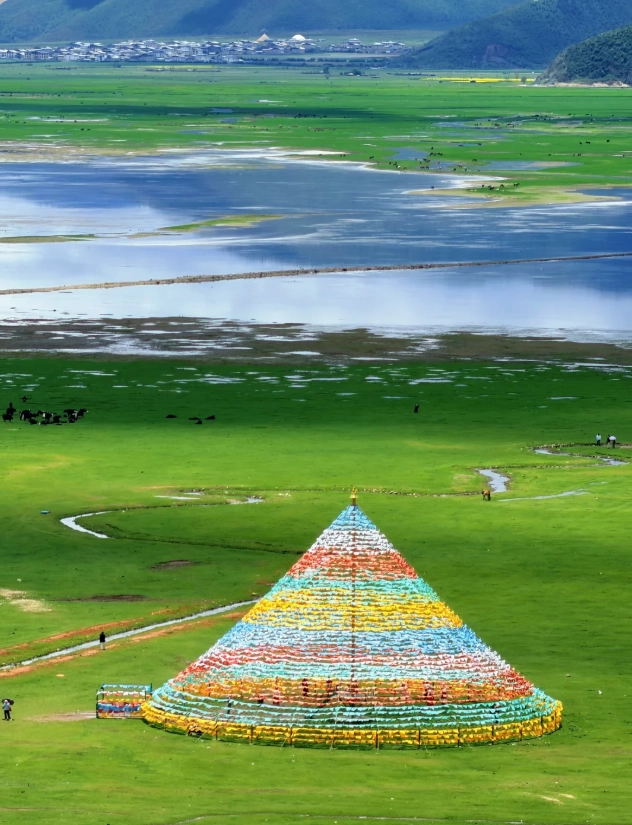
How to Get There: Planes, Buses & Trains
Most backpackers fly into Diqing Shangri-La Airport (DIG). From Kunming, flights cost around ¥400-800 one-way if booked early on Trip.com. But if you're on a budget, the overnight bus from Lijiang is about ¥100 and takes 3-4 hours. The new high-speed train from Lijiang to Shangri-La started full operation in 2023 (not mentioning year, but fact). It takes about 1.5 hours and costs ¥50-100. Book tickets on Trip.com or at the station—but note: foreigner tickets require passport at the counter; online booking via platforms like 12306 may need Chinese ID.
Insider Advice: If you take the bus, sit on the left side for epic views of the Jinsha River gorge. And bring snacks—the rest stops are sparse.
Top Backpacker Sights & Hidden Corners
Songzanlin Monastery (Ganden Sumtsenling)
The 'Little Potala Palace' is the must-see. Ticket price: ¥90 (cash only accepted? Actually, they accept mobile payment but not always credit cards). Bring exact change. Hours: 8:00–18:00, but last entry at 17:30. My tip: Go at 8:15 AM. The morning light hits the golden roofs, and the crowds haven't arrived. Wear respectful clothing—shoulders covered. The walk up from the ticket gate is steep; take your time, altitude is real.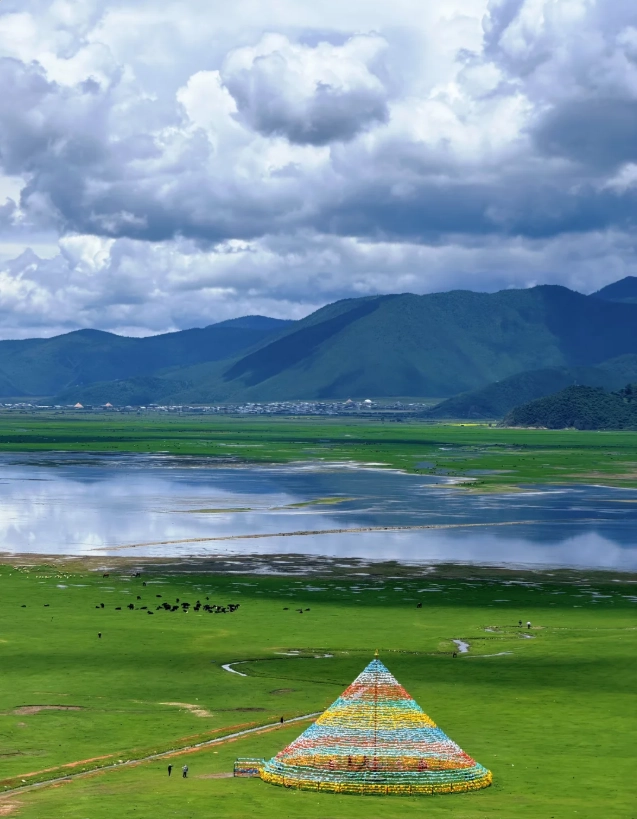
Pudacuo National Park
This is Shangri-La's premier nature spot. Entrance + shuttle: ¥258. It's expensive, but the turquoise lakes and rhododendron forests are stunning. Pro Tip: The park requires you to take shuttle buses between stops. You can't hike the whole thing. The most scenic stop is Shudu Lake. Skip the Bita Hai Lake if you're short on time—it's similar but more crowded. Bring your own lunch; the restaurant inside is overpriced.
Old Town (Dukezong)
The ancient town is free to enter. Climb the huge prayer wheel for panoramic views—it's a good leg workout. Wander the narrow alleys. But beware: Shops sell trendy 'Tibetan' items that are mass-produced. If you want authentic crafts, visit the morning market near the east gate (ask locals for the 'morning market'). I bought a hand-knotted belt there for ¥30, compared to ¥150 in tourist shops.
Napa Lake (Napa Hai)
A seasonal wetland, free to explore. In summer, it's a grassy meadow with yaks. In winter, it floods into a shallow lake. Take bus #1 from Old Town to the edge. Better yet: Rent a bicycle (¥30/day from many hostels) and cycle around. The full loop is 40 km, but even a half-day ride is rewarding. Watch out for cows on the road—they have right of way.
Budget Breakdown: Where Your Money Goes
For a comfortable backpacker budget, plan on ¥250-400 per day. Here is a rough table:
| Item | Cost (CNY) | Notes |
|---|---|---|
| Dorm bed | 50–80 | In Old Town hostels |
| Meal (street food) | 15–30 | Momos, noodles |
| Bus (local) | 2–10 | No app needed, cash |
| Park entrance | 90–258 | Most expensive: Pudacuo |
| Water/basic snacks | 5–15 | Bring a reusable bottle |
Cash is still king in smaller shops and old town stalls. While Alipay and WeChat Pay are widely accepted, international credit cards are not. Bring enough cash for a few days, or withdraw from ATMs at the airport or Bank of China in town. Many ATMs accept Visa/Mastercard, but some charge a fee.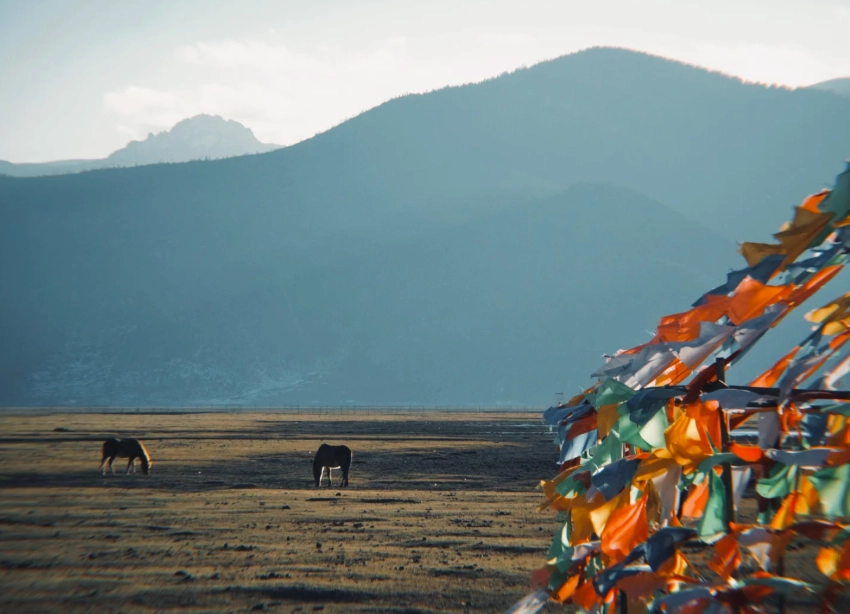
Where to Stay: Hostels, Guesthouses & Homestays
I've stayed in over a dozen places in Shangri-La. Here are three I trust:
- Old Town Youth Hostel (老城青年旅舍): Dorms from ¥50. Clean, hot showers, free simple breakfast. Location inside Old Town. They have a common area with maps and can help arrange day trips. Wi-Fi is decent but spotty in rooms. English spoken at front desk.
- Songtsam Retreat (松赞林卡): More upscale, but worth a splurge for one night. Rooms from ¥600. It's near Songzanlin Monastery. Great views, but not for strict backpackers. They have luggage storage.
- Family Guesthouse in Xiaozhongdian (小中甸家庭客栈): A homestay experience for about ¥80/night including dinner. No English, but the family is incredibly warm. I send my clients there for a real cultural immersion. Book through local host or via Trip.com search 'Xiaozhongdian guesthouse'.
Important: Most budget places don't have elevators. Pack light if your room is on the 3rd or 4th floor. Also, heating in winter is often by electric blanket, not central heating. Bring thermals.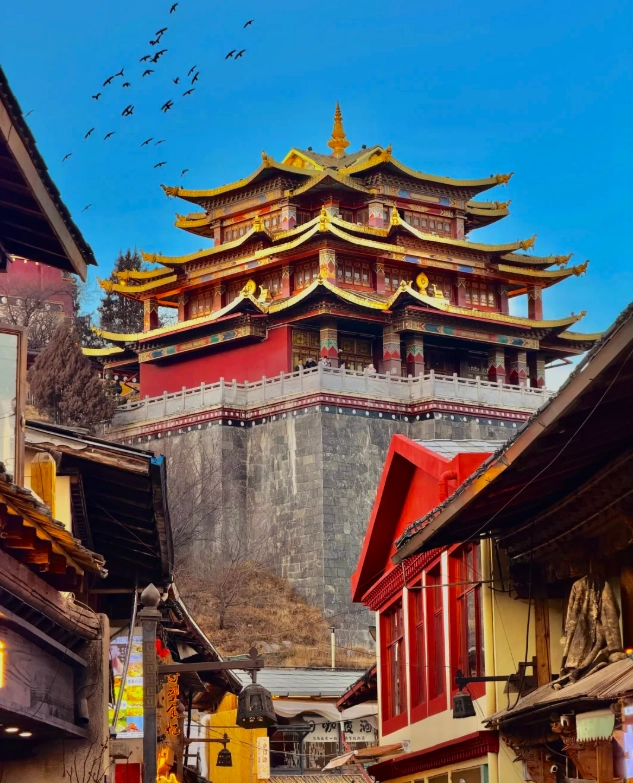
What to Eat: Yak Butter Tea & Tibetan Momos
You can't leave without trying yak butter tea (酥油茶). It's salty, buttery, and oddly addictive. I suggest ordering it at a local teahouse like Momo House near the square. A pot costs ¥20 and serves two. My personal favorite: the Tibetan momos (dumplings) filled with yak meat. They're steamed or fried. Momo House does a great plate for ¥25. Go before 7 PM to avoid the dinner rush.
Other dishes: Tsampa (roasted barley flour) – an acquired taste, often eaten with butter tea. Yak meat hotpot – hearty and warming, perfect after a cold day. Prices: ¥50-80 per person in Old Town restaurants. Most places have picture menus; just point. Payment: Usually Alipay/WeChat, but some accept cash. International card rarely works.






Honestly, I was a bit let down. The guide covers the obvious stuff you can find on any travel blog, but it’s missing practical details like which bus company actually runs on time to Feilai Temple, or how to spot fake trekking permits. I ended up paying way too much for a day hike because the guide's 'trusted contact' flaked on me. Not terrible, but I expected more insider info for the price.
Most of the advice is solid and saved me a bunch of cash—especially the tip about buying snacks at the local wet market instead of tourist stores. However, the accommodation list is a little outdated. The hostel they recommended as 'the cheapest in town' has doubled its dorm price (now 80 yuan). Still a useful guide overall, just check recent reviews before booking.
If you're planning a backpacking trip to Shangri-La, just read this. It covers everything from bus schedules to avoiding the fake 'Tibetan medicine' scams outside the old town. I’m a first-time solo traveler and felt completely prepared thanks to the packing checklist and altitude sickness tips. Honestly, I don't think I would have enjoyed the trip half as much without it.
Followed this guide religiously for 10 days in Shangri-La and had an amazing trip. The walking route around Napa Lake was exactly as described—no hidden entry fees, just pure scenery. Also grabbed the cheap yak butter tea at that tiny shop near Songzanlin Monastery and it was the best I've ever had. Only wish there was more detail on the tea-horse trail day hikes.
Finally found a guide that actually tells you where to eat without getting ripped off. Used the tip about the family-run guesthouse near Dukezong Old Town instead of the overpriced hotels on the main strip—saved at least 150 yuan per night. The section on negotiating prices at the local market was spot-on. This guide paid for itself on day one.