 Ting Chen
What's Inside
I've guided hundreds of travelers through Shangri-La, and the number one question is always: how many days do I need? The short answer? 4 days, 3 nights. But let me explain why, and give you the exact plans that work.
Most people try to squeeze Shangri-La into a 2-day stopover between Lijiang and Deqin. They end up exhausted, altitude-sick, and missing the magic. I get it—you want to see everything. But Shangri-La sits at 3,300m (10,800ft). Your body needs time. Plus, the sites are spread out. Rushing means you'll spend more time in a taxi than actually soaking in the culture.
Below I'll share three itineraries: the ideal 4-day, a quick 2-day if you're really short on time, and a deep 6-day for explorers. I'll also drop insider hacks you won't find in generic blogs—like which entrance to use at Pudacuo to avoid queues, and why you should not take a hot shower on day one.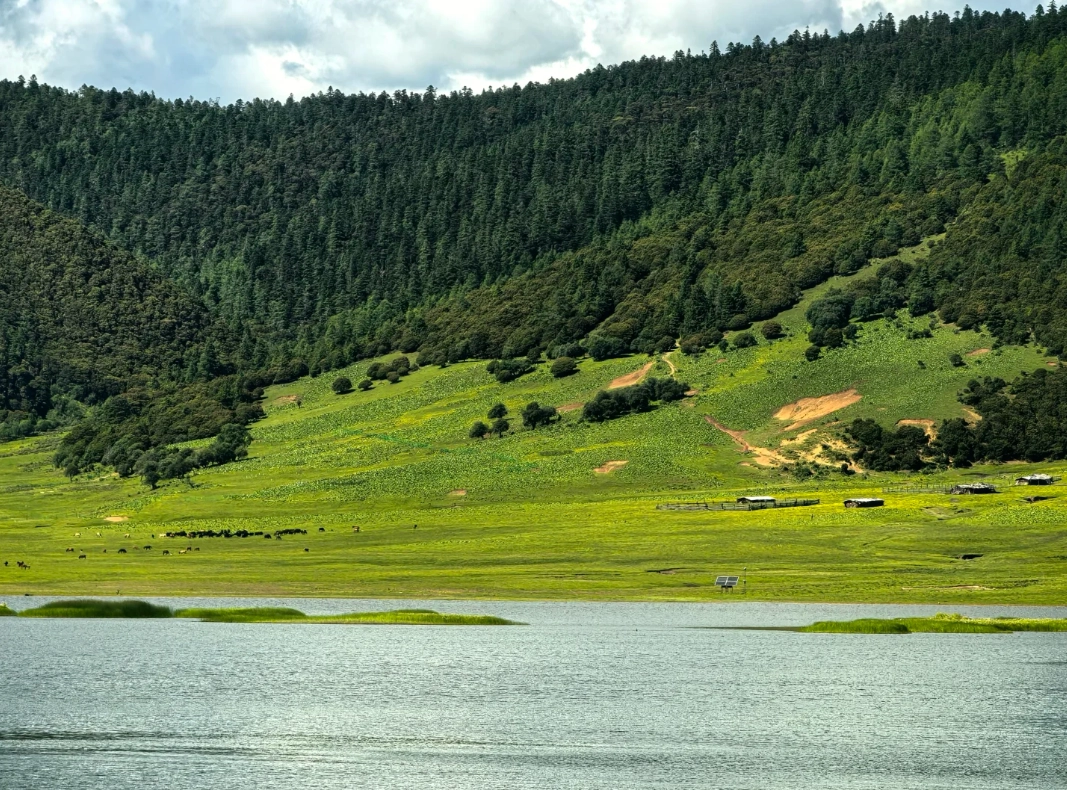
Why 4 Days Is the Sweet Spot for Shangri-La
Four days gives you enough time to:
- Acclimate safely – Altitude sickness is real. I've seen travelers who flew in from sea level collapse on day one. With 4 days, you can take it slow. Day 1: arrive, rest, walk gently around Dukezong Old Town. Day 2: explore Songzanlin Monastery. Day 3: hit Pudacuo National Park. Day 4: a lighter activity before departure.
- Hit the highlights without rushing – Dukezong, Songzanlin, Pudacuo, and Napahai Lake are the core. Adding Balagezong requires a full day. With 4 days you can include one longer excursion.
- Buffer for weather – Shangri-La's weather changes fast. A rainy morning can clear by noon. Having extra days means you can swap plans.
But if you only have 2 days? I'll still make it work—just know you'll miss the depth.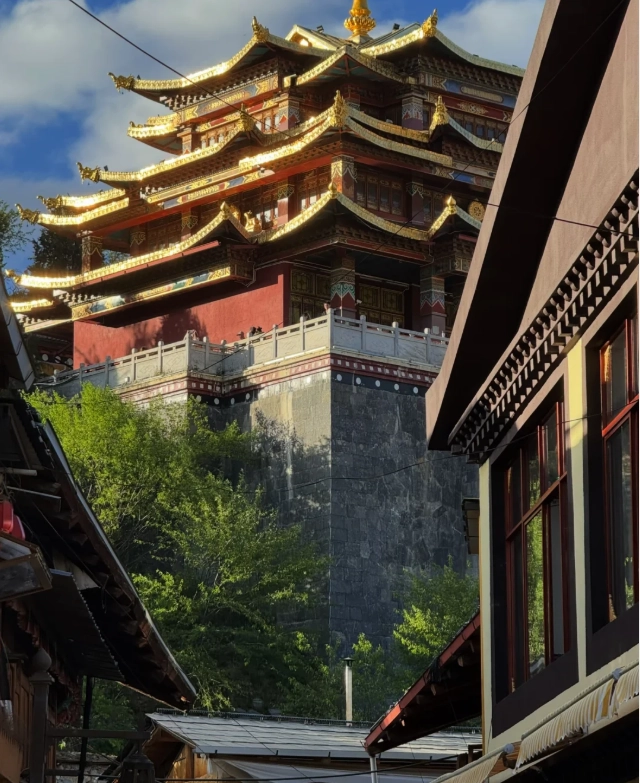
How Many Days in Shangri-La: Sample Itineraries
The Ideal 4-Day, 3-Night Itinerary
Day 1: Arrival & Acclimatization in Dukezong
Most travelers arrive by bus from Lijiang (about 4 hours) or fly into Diqing Shangri-La Airport. Upon arrival, go straight to your hotel. I always book my clients at Songtsam Retreat or Shangri-La Heping Hotel for their oxygen supply and English-speaking staff.
Afternoon: Take a slow walk through Dukezong Old Town. Climb the hill to the giant prayer wheel—it's the largest in the world. Pro Tip: Go around 4PM. The light is golden, and the crowds thin out. The entrance is free, but you'll need to show your passport to enter the temple area.
Evening: Dinner at Biangbiang Noodle House (near the South Gate). They have picture menus, so pointing works. Pay with WeChat or Alipay—cash is sometimes refused. I always tell my clients: download Alipay and link your international card before you arrive. It saves so much hassle.
Day 2: Songzanlin Monastery – The Little Potala
Morning: Take a taxi (15 minutes, about 30 RMB) to Songzanlin Monastery. Ticket price: 115 RMB (adult), includes a guided tour in English at set times. Opening hours: 8:00–18:00, but last entry 16:30. Bring your passport—you'll need it to buy the ticket.
Insider Advice: The guided tour starts at 10AM and 2PM. If you want to avoid the worst crowds, arrive at 8AM. You'll have the monastery almost to yourself for an hour. The light is perfect for photos before 10AM.
Afternoon: Back to the old town for lunch at Tibetan Family Restaurant (try the yak butter tea and tsampa). Then visit the Diqing Tibetan Autonomous Prefecture Museum (free, closed on Mondays) to understand the region's history.
Day 3: Pudacuo National Park – The Real Shangri-La
This is the highlight for many. Pudacuo is a huge national park with two main sections: Shudu Lake and Bita Lake. Ticket: 138 RMB for the park plus 120 RMB for the shuttle bus (mandatory). You can book on Trip.com or ask your hotel to buy in advance. The park limits daily visitors, so booking ahead is essential, especially in July–August and October.
Getting there: Take a bus from the Shangri-La Bus Station (30 minutes, 15 RMB) or taxi (80 RMB). The bus leaves every hour from 8AM to 3PM. Be at the gate by 8:30AM to beat the tour groups.
Inside: The shuttle takes you to Shudu Lake first. Walk the 3km boardwalk (about 1.5 hours). Then take the shuttle to Bita Lake (2km loop, 1 hour). My advice: Do Shudu first, skip the optional horse ride (overpriced), and if you're tired, the shorter Bita loop is fine. Bring snacks and a water bottle—the restaurants inside are expensive and mediocre.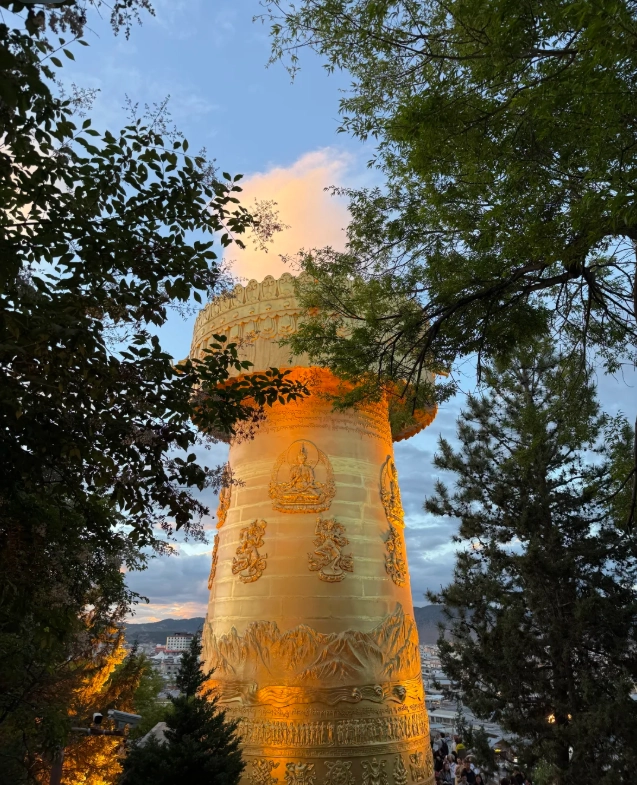
Pro Tip: Altitude here is 3,800m. Buy a small oxygen canister at any pharmacy in town (about 20 RMB). I always carry one in my bag—just in case. And don't rush. I've seen people literally pass out from walking too fast.
Return to town by 4PM. Rest.
Day 4: Flexible Morning – Napahai or Departure
If your flight or bus is in the afternoon, rent a bike or take a taxi to Napahai Lake (20 minutes from town). It's a seasonal wetland—best in summer (green) and autumn (golden). Entry is free; you can walk or cycle the 8km loop. Avoid the boat rides—they're tourist traps. Just enjoy the view of yaks and mountains.
Alternatively, visit Baima Snow Mountain or just relax in a local café. By 1PM, head to the airport or bus station.
The Quick 2-Day, 1-Night Itinerary (if you really must)
Day 1: Arrive early morning. Drop bags, go straight to Songzanlin Monastery (by 10AM). Afternoon in Dukezong Old Town. Evening: catch the prayer wheel at sunset.
Day 2: Wake up at 6:30AM. Take the first bus to Pudacuo. You'll have 4 hours to see the highlights (skip Bita, just do Shudu). Return by 1PM, grab lunch, and head to the airport. It's tight. You'll feel rushed. Frankly, I don't recommend this—you'll spend more time in transit than experiencing. But if you have no choice, it's doable.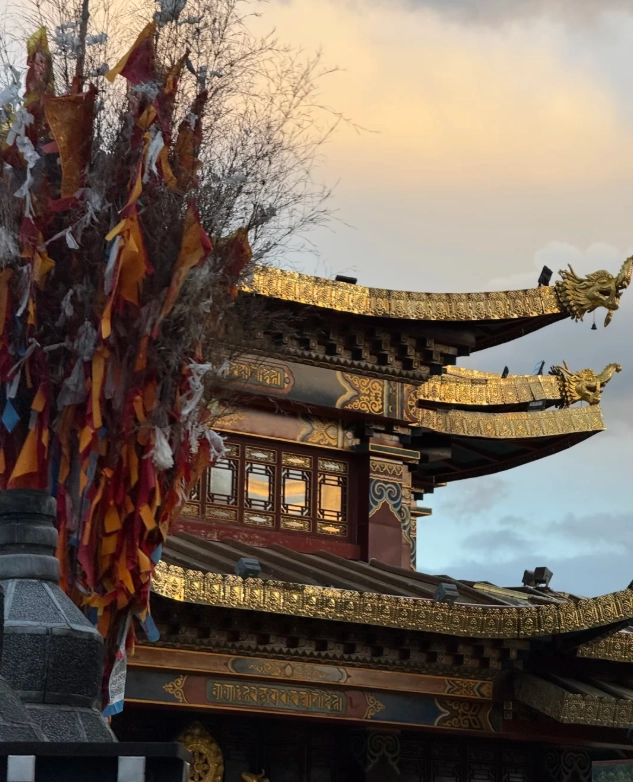
The Extended 6-Day Itinerary (for deep exploration)
Add two more days to explore Balagezong (a stunning gorge with a glass bridge) or even a side trip to Meili Snow Mountain (4 hours by bus). Day 5: drive to Balagezong (1 hour), spend the day hiking. Day 6: return and depart. Alternatively, join a 2-day / 1-night tour to Meili for sunrise views of Kawagebo peak (book through your hotel). This requires more planning and tolerance for long drives, but the scenery is jaw-dropping.
Key Practical Tips for Your Shangri-La Trip
Dealing with Altitude Sickness
I cannot stress this enough: do not underestimate the altitude. I once had a client who thought he was tough—he went for a run on arrival. He ended up in the hospital with pulmonary edema. Here's what I tell all my groups:
- Day 1: No showers (hot water dilates blood vessels and worsens symptoms).
- No alcohol, no smoking, no heavy meals.
- Drink warm water with a little salt—it helps your body retain oxygen.
- If you feel dizzy, rest. If it persists, go to a lower altitude immediately.
- Buy Gao Yuan Kang (high altitude medicine) at any pharmacy before you ascend. It's a herbal supplement that really helps.
Payment and Internet
Cash is not king here. Many shops, even local ones, prefer WeChat Pay or Alipay. International credit cards are rarely accepted except at big hotels. So here's your checklist:
- Set up Alipay before you come. You can link Visa or Mastercard.
- Carry some cash (500–1000 RMB) as backup, but expect change back in coins.
- Get a local SIM card at the airport (China Unicom or China Mobile) so you have data. Google services are blocked—register a VPN on your phone before departure. For maps, use Apple Maps (it works relatively well) or download AMap (called Gaode) with English interface. Uber doesn't work; use DiDi (install the app, add your foreign card, or pay cash).
Transportation Within Shangri-La
For distances within town, taxis are cheap (10–20 RMB). To go further, like to Pudacuo, there are buses or you can hire a private driver for the day (about 300–500 RMB depending on the route). I always recommend using the hotel to arrange a driver—it's safer and they speak some English.
If you get carsick, bring motion sickness pills. The roads up to Pudacuo and Balagezong have many sharp turns.
Booking Tickets in Advance
Most major attractions require real-name registration with your passport number. For Pudacuo and Songzanlin, you can book through Trip.com (English interface) or ask your hotel's concierge to use the official WeChat mini-program (it's in Chinese only). I've seen travelers turned away at the gate because they didn't pre-book—don't be that person. In peak season (July–August, October 1–7), book at least 3 days in advance.
Best Time to Visit Shangri-La
The weather is pleasant from April to October. July and August are the rainy season—expect afternoon showers but also lush green meadows. September to early October is the golden season: clear skies, yellow grass, and fewer crowds (except for China's National Day week, October 1–7, when it's packed).
Winter (November–March) is cold (averaging -5°C at night) and some attractions may close. But you'll see snow-covered mountains and much lower prices. If you come in winter, pack thermal layers and a down jacket. And check if Pudacuo is open—it sometimes closes for snow.






We took this as a couple on our honeymoon and it was magical! The itinerary is flexible enough that we swapped a day of hiking for a relaxing soak at the local hot springs (the guide mentioned it as an option, which was perfect). The food suggestions were on point — we loved the momos at the tiny hole-in-the-wall near the prayer wheel. One tip: print the map before you go, because data is spotty in the mountains. This made our trip stress-free and full of little treasures. Absolutely 5 stars!
This itinerary was a lifesaver for my solo trip! I was nervous about navigating Shangri-La, but the step-by-step schedule made everything feel easy. The highlight was the afternoon spent at the Old Town's Tibetan art studio — I tried my hand at thangka painting, something I never would have found without this guide. The recommendation to arrive early at Songzanlin Monastery paid off — we had the golden roof all to ourselves before the tour buses rolled in. Highly recommend to any solo traveler!
Honestly, I was let down. The itinerary promises 'perfect for first-timers' but the directions to Dukezong Old Town were confusing, and the recommended tea house was overpriced and crowded. We followed the day-1 plan and ended up walking in circles because the map link was broken. The hotel they suggested was okay but the room had no heating, which was rough in the chilly evenings. I wouldn't rely on this alone — definitely cross-reference with other sources.
Solid itinerary overall, but a bit too packed for my taste. The 4-day version had us rushing from the old town to Pudacuo National Park in one go, and by 3 pm we were exhausted and missed the best sunset viewpoints. The restaurant recs were great (the yak meat hotpot was amazing), but I wish it included more alternative options for casual eaters. Also, the hotel suggestion was spot on — cozy with great views. Just give yourself an extra day if you hate rushed mornings.
I followed this itinerary to the letter and it was an absolute dream! The 5-day plan is perfectly paced — we had time to explore the Songzanlin Monastery in the morning, then a relaxed lunch at a local Tibetan restaurant where the butter tea was surprisingly comforting. The hiking route toLake Shudu was breathtaking, with prayer flags fluttering in the crisp mountain air. Every detail, from the recommended guesthouse with heated floors to the evening stargazing spot, felt thoughtfully chosen. If you're a first-timer to Shangri-La, don't overthink it — just use this guide!