 Ting Chen
What's Inside This Guide
Last fall, I guided a couple from Texas through this route. We booked the old overnight bus—eight hours of bumpy darkness, zero legroom. They swore they'd never return. Then the Lijiang to Shangri-La train opened. Now I tell every traveler: this railway is a game-changer. No more cramped buses or expensive flights. Just smooth tracks slicing through gorges and alpine meadows. But here's the catch: buying a ticket as a foreigner can still trip you up. Let me walk you through the exact steps, no fluff.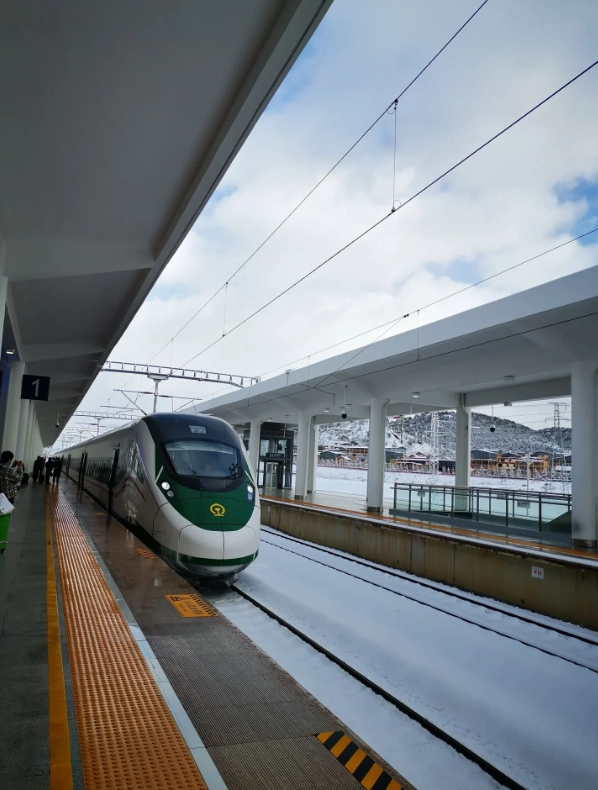
Why the Train Beats Bus and Plane
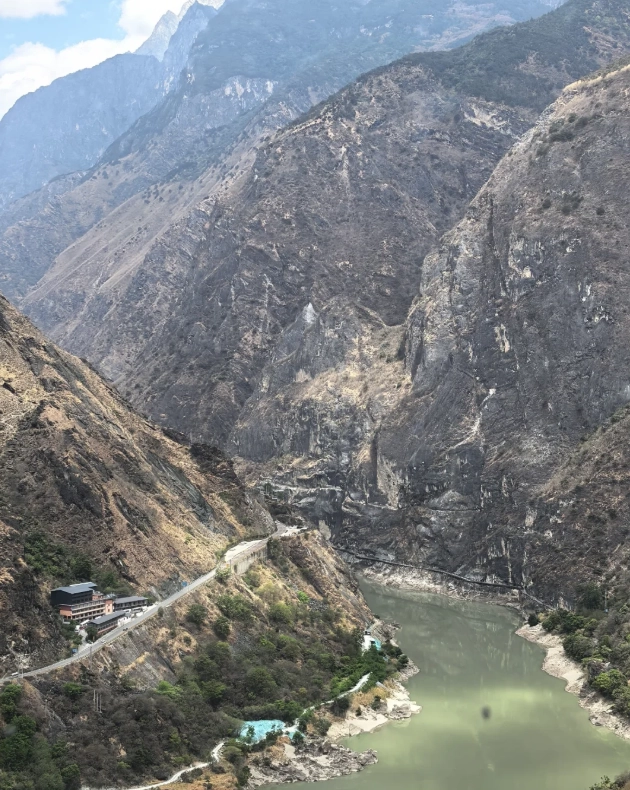
I've done this route dozens of times. Before the railway, your options were grim: a 6+ hour bus winding through hairpin bends, or a 45-minute flight costing twice as much and often delayed by weather. The train changed everything. It takes about 3.5 hours, runs daily, and costs around ¥80–¥150 ($11–$21) depending on class. Plus, you watch the landscape shift—from terraced fields to the Jinsha River canyon, then up into pine forests and finally the high plateau. No other transport gives you that.
How to Book Your Ticket (Painlessly)
Option 1: Trip.com (Easiest for Foreigners)
This is my go-to recommendation. Trip.com accepts international credit cards, has an English interface, and shows real-time availability. Search “Lijiang to Shangri-La,” select your date, and choose a train (most common: D8773, D8777, or D8781). Enter your passport name exactly as it appears. Pay with Visa/Mastercard or Alipay. You'll get a digital voucher—save it. At the station, head to the ticket counter or automated machine (look for the passport icon) to collect paper tickets. Pro tip: Print the voucher from the hotel lobby before heading to the station; the Wi-Fi there can be flaky.
Option 2: 12306 (Cheaper but Tricky)
The official Chinese railway site. Prices are the same as Trip.com, but the interface is Chinese-only. Foreigners can register with a passport number, but you'll need to verify your identity at a station counter before your first purchase. I only recommend this if you're already in China and have a local friend to help. Otherwise, save the headache.
Payment & Pickup Reality
Most ticket counters in Lijiang station do not accept cash or international credit cards. Expect to use Alipay or WeChat Pay. Got no Chinese payment app? Then Trip.com is your only option—they handle the payment on their end. Also, the station's self-service machines usually only accept Chinese ID cards, so queue at the manual counter for passport pickup. Budget an extra 15 minutes for that.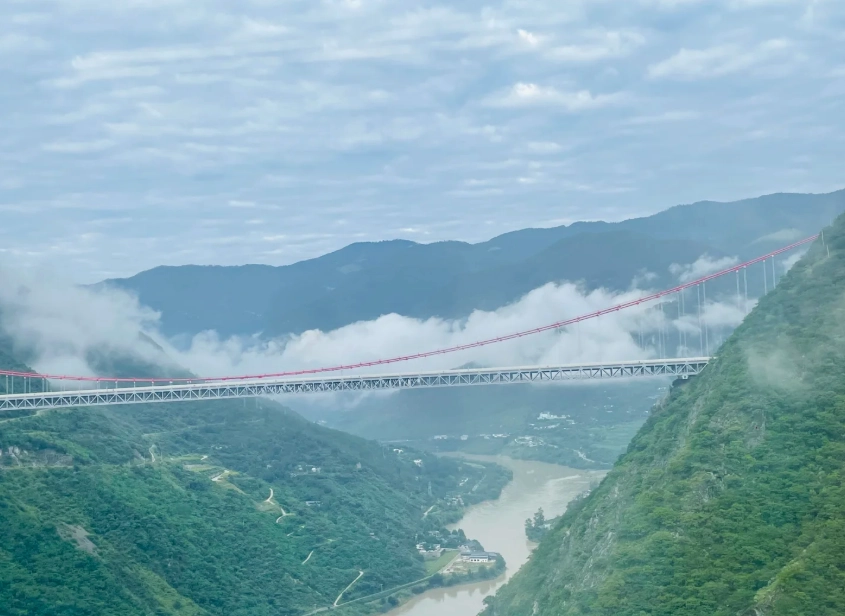
The Ride: Scenery, Duration & Seats
The train departs from Lijiang Station (丽江站). Get there via taxi (20 minutes from Old Town, about ¥30–¥40) or bus line 4. Arrive 45 minutes early—security is swift but the platform can be a maze.
Carriages are clean, with luggage racks overhead. I always grab a window seat on the left side of the train (facing Shangri-La) for the best canyon views. The first hour passes through agricultural flats, then you enter the Tiger Leaping Gorge area—cliffs drop dramatically into the river. About halfway, the train climbs steadily; you'll feel your ears pop. Bring snacks and water—the dining car has instant noodles and overpriced tea, but nothing substantial.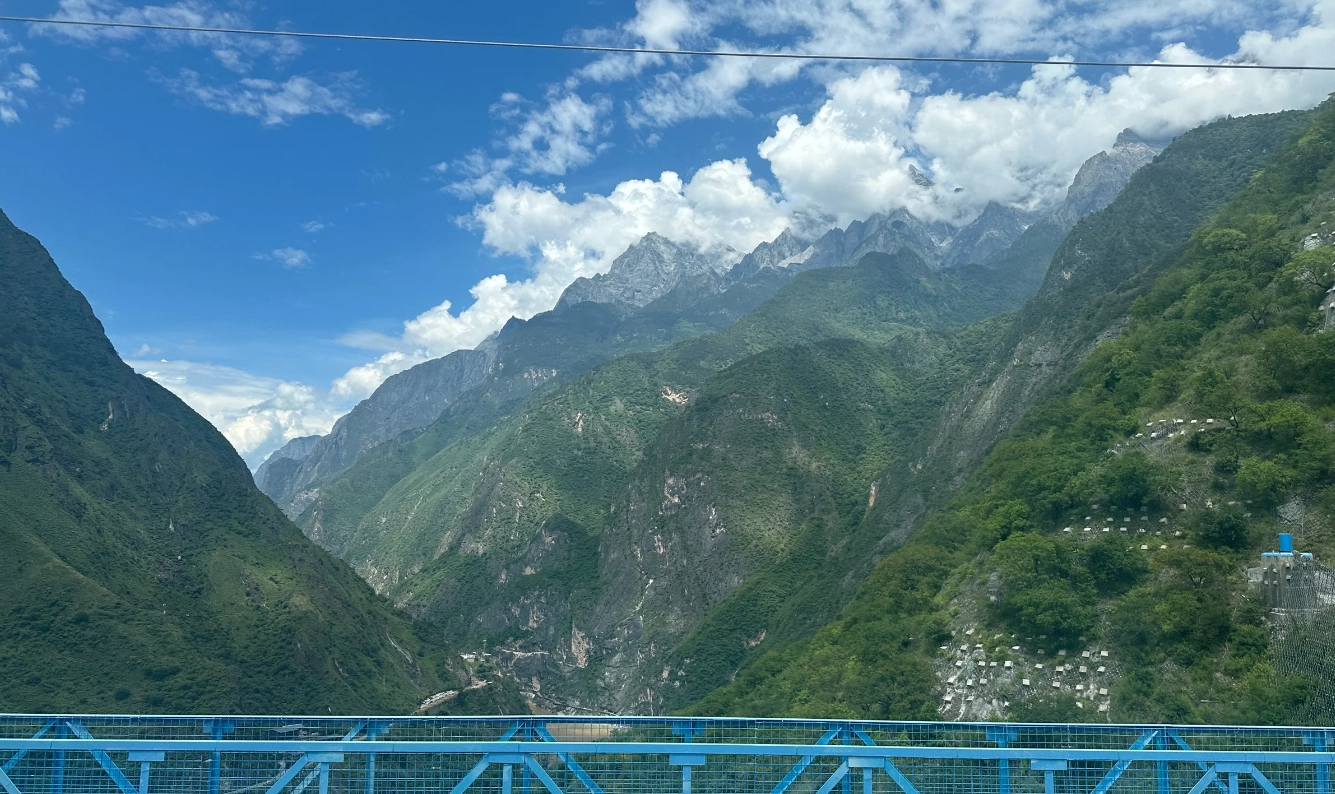
| Train Class | Price (¥) | Seat Type | Best For |
|---|---|---|---|
| Second Class | 80–100 | 5 across, reclining | Budget travelers, short trip |
| First Class | 120–150 | 4 across, wider seats | More legroom, panoramic windows |
| Business Class | 200+ | 2+1 layout, fully reclining | Maximum comfort, quiet car |
Arriving in Shangri-La: First Steps
The station is about 20 minutes south of the old town (Dukezong). Taxis charge a flat ¥30–¥40—agree before getting in. Don't use the touts outside; the official taxi queue is on the left after exiting. Alternatively, bus line 1 runs every 30 minutes to the city center (¥2, exact cash only).
Altitude alert: Shangri-La sits at 3,400m (11,150ft). Half my clients feel dizzy within an hour. Take it slow, drink lots of water, and skip alcohol for the first day. Most hotels sell oxygen cans for ¥20, but I recommend just resting. If you're coming from Lijiang (2,400m), you've already acclimated somewhat—still, don't sprint up the steps to the Giant Prayer Wheel.
Must-See Attractions
- Songzanlin Monastery: Called the “Little Potala,” it's a 10-minute taxi from the old town. Entrance ¥90, buy tickets at the gate (cash or WeChat). Allow 2 hours; the climb to the main hall is steep.
- Dukezong Old Town: Free entry. Wander the cobbled streets, spin the world's largest prayer wheel at sunset—the golden hour light is magic.
- Potatso National Park: 30-minute drive. Entry ¥100 + bus ¥70. Reserve at least 3 hours. The lakes are stunning, but the trails can be muddy after rain.
What to Do Before You Leave Lijiang
- Book accommodation in Shangri-La—many guesthouses offer free pickup from the station if you ask.
- Download offline maps (Apple Maps works reasonably well; Google Maps is unreliable). I use AMap (Gaode) with English mode for navigation.
- Set up a VPN before you leave. Social media and some websites are blocked inside China. Once you're on the train, no trouble—but you'll need it for Google, Instagram, etc.
- Carry small bills. While most places accept Alipay/WeChat, some street vendors and bus drivers still prefer cash.
One thing that always surprises my groups: the train station restrooms. They're squat toilets, no toilet paper. Keep a pack of tissues in your daypack. Also, the platform can get chilly—even in summer—as the train climbs. A light jacket helps.
Frequently Asked Questions
Verified and fact-checked by the editorial team.








Honestly, I was a bit skeptical clicking on another travel article, but this one delivered. I especially appreciated the timeline breakdown—knowing exactly when to get off for photo stops made my journey so much more relaxing. Shared it with my hostel group and we all followed it. Can’t recommend it enough!
I’ve read a dozen blogs about this route and this one stands out because of the honest “what could go wrong” section. The story about the guy who missed his stop because he fell asleep was hilarious but also a real warning. Only reason I’m not giving full marks is that the language is a tad too casual for my taste, but that’s just me.
This guide is pure gold for budget travelers like me. I loved the insider tip about the cheaper snack options on the platform instead of the overpriced onboard cart—saved me a good 30 yuan! The writing style is super friendly and feels like a local friend giving advice. Will bookmark it for my return trip.
As someone who lives in Kunming and takes this train often for work, I found the article mostly accurate but a bit too general. It didn’t mention that the altitude can really hit you if you’re not used to it—wish they’d added a precaution. Still, the packing list and station info were handy for first-timers. Fine for a quick read.
I read this article right before my trip and honestly, it saved me so much hassle. The tip about buying tickets early through the official app was spot on—I almost missed out because I didn’t know. The descriptions of the scenery along the route got me even more hyped. A must-read for anyone doing this route!