 Wei Zhang
- Why Getting to Shangri-La Is Trickier Than You Think
- How to Get to Shangri-La by Air: The Fastest Route
- How to Get to Shangri-La by Bus: The Budget Option
- How to Get to Shangri-La by Car: The Scenic (but Long) Drive
- How to Get from Lijiang to Shangri-La (The Most Common Route)
- Practical Tips for Foreign Travelers
- Frequently Asked Questions
I’ve lost count of how many times I’ve heard this from first-time visitors: “But Google Maps said it’s only a 3-hour drive from Lijiang!” Sure, if you ignore the altitude sickness, road construction, and the fact that your international credit card doesn’t work at the gas station. Welcome to getting to Shangri-La—a journey that’s half the adventure, half the headache if you don’t prepare.
I’ve been guiding travelers through Yunnan for over a decade. Let me cut through the noise and give you the real steps—no fluff, just what works.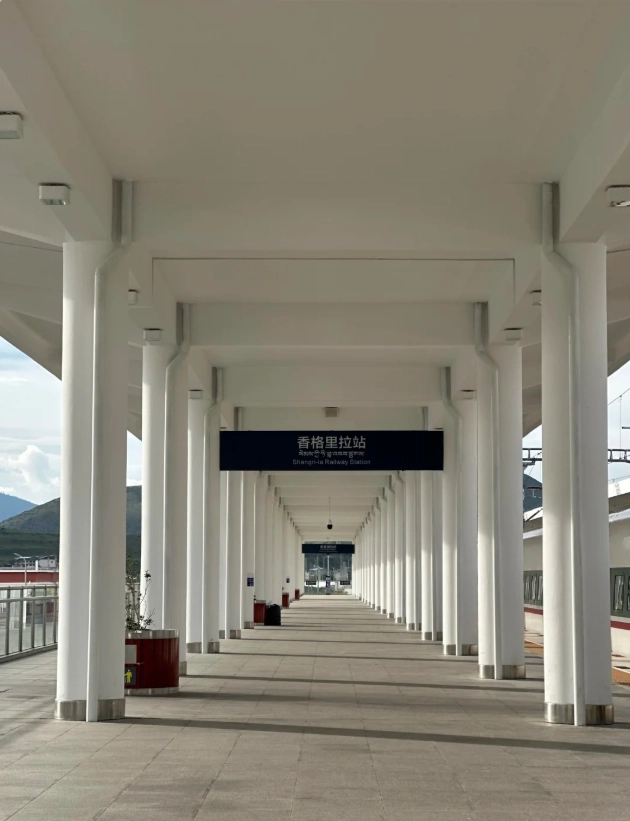
Why Getting to Shangri-La Is Trickier Than You Think (and How to Prepare)
First, forget everything you know about “easy” travel in China. Shangri-La (also called Zhongdian) sits at 3,300 meters (10,800 feet). The altitude alone can ruin your plans if you fly in directly. Most of my clients feel dizzy or get headaches within hours. Tip: Spend a night in Lijiang (2,400m) first to acclimatize.
Second, digital payments. You’ll need Alipay or WeChat Pay linked to your foreign card. Cash is rarely accepted beyond small shops. And Google Maps? Useless here. Download Apple Maps or use Amap (the English version is called “Amap Global”).
Third, everything requires a booking—even the bus tickets. And you’ll need your passport number for most reservations. Don’t assume you can just show up.
How to Get to Shangri-La by Air: The Fastest Route
Flying to Diqing Shangri-La Airport (DIG) is the fastest way. Direct flights run from major cities like Kunming (1h), Chengdu (1.5h), Chongqing (1.5h), and Shanghai (4h). From the airport to the old town area is only a 15-minute taxi ride (about 40 RMB).
What to Do When You Land at Diqing Airport
Customs is quick for domestic flights. But you’ll need a VPN if you want to use WhatsApp or Instagram during your stay. Buy a local SIM card from China Unicom or China Mobile at the airport—they have tourist packages (7 days, 20GB for about 100 RMB). Bring your passport.
Don’t forget to download Baidu Translate or Apple Translate offline packs. Most taxi drivers speak zero English.
How to Get to Shangri-La by Bus: The Budget Option
If you’re already in Yunnan, buses are cheap and reliable. The main hub is Lijiang Bus Station. Buses to Shangri-La run every 30 minutes from 7:30 AM to 5:00 PM, taking about 4 hours (200 RMB). The road is winding but scenic—you’ll pass by the Tiger Leaping Gorge viewpoint.
But here’s the catch: The buses are cramped, and the air conditioning might be weak. Bring snacks and water. And use the bathroom before you board—the only stop is halfway, and it’s… basic.
How to Get to Shangri-La by Car: The Scenic (but Long) Drive
Driving gives you freedom, but only if you’re comfortable with high-altitude mountain roads. The most common route is from Lijiang (about 4.5 hours, 180 km). But with traffic and photo stops, plan 6 hours.
You can rent a car in Kunming or Lijiang. International brands like Hertz and Avis are available, but usually through local partners. Expect to pay around 400-600 RMB per day for a basic sedan. Important: You need an International Driving Permit (IDP) plus a Chinese driver’s license. Rental companies often help with the process, but confirm in advance.
Or, if you don’t want to drive, hire a private driver. I always use Klook or 12Go to book. A private car from Lijiang to Shangri-La costs about 800-1,200 RMB—worth it for the flexibility.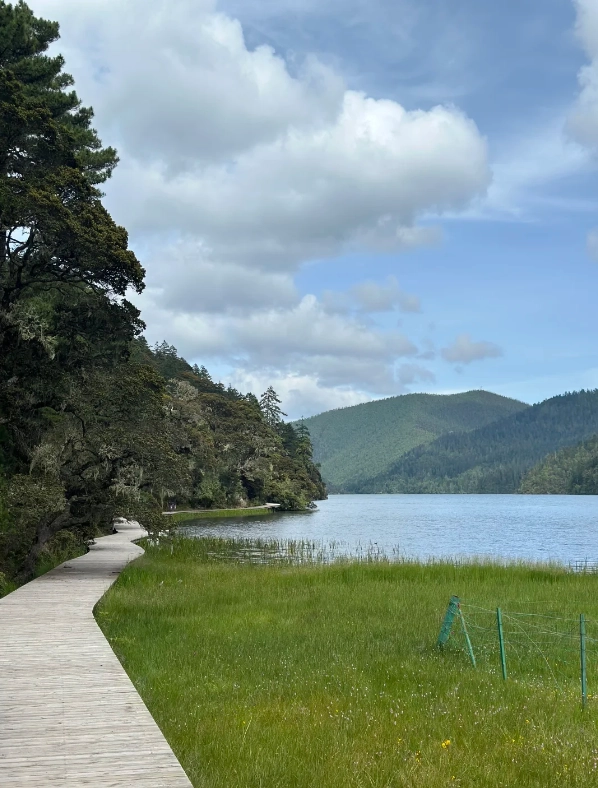
| Transport Mode | Duration | Cost (RMB) | Best For |
|---|---|---|---|
| Flight (Kunming->DIG) | 1h flight + 2h airport time | 800-1,500 | Speed, long-distance travelers |
| Bus (Lijiang->Shangri-La) | 4h | 200 | Budget travelers, backpackers |
| Private Car (Lijiang) | 4.5-6h | 800-1,200 | Small groups, flexibility |
How to Get from Lijiang to Shangri-La (The Most Common Route)
This is the route 90% of my clients take. Let me break it down step by step.
- Morning: Have a big breakfast at your Lijiang hotel. Expect the bus or car ride to take at least 4 hours.
- Leave by 8:00 AM to avoid afternoon clouds that block the mountain views.
- Stop at Tiger Leaping Gorge viewpoint (only if you’re in a private car—buses don’t stop). It’s worth 20 minutes for photos.
- Arrive in Shangri-La around noon. Don’t start sightseeing immediately. Your body needs time to adjust to the altitude. Rest for 1–2 hours.
Alternative Plan B: If the road is closed due to landslides (common in July-August), take a detour via Tacheng (adds 1.5 hours). Or just wait—the road usually clears within a day.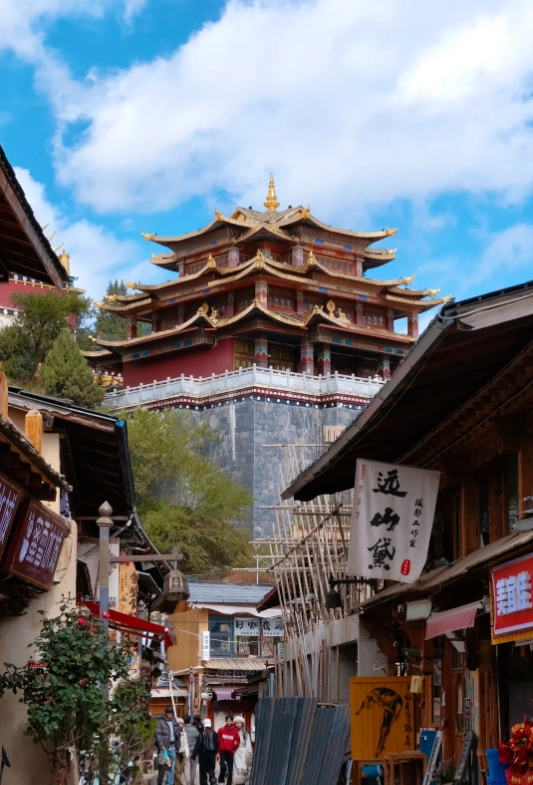
Practical Tips for Foreign Travelers
- Payments: Nearly all ticket counters and shops accept only Alipay/WeChat Pay. Link your foreign card in advance. Carry 500-1,000 RMB in cash for emergencies (e.g., street vendors or rural toilets).
- Navigation: Use Apple Maps or Amap. For bus routes, ask your hotel to write the Chinese names of your destinations.
- Booking: Use Trip.com for flights, trains, and buses. For last-minute stuff, ask your hotel front desk—they often know hidden bus schedules.
- Language: Download the Google Translate app with Chinese offline pack. Point the camera at Chinese signs. It works wonders.

“I always tell my clients: don’t trust the ‘3-hour drive’ you read online. And if a taxi driver quotes you 500 RMB for airport transfer, negotiate down to 30—the official rate is about 40.”
Frequently Asked Questions About Getting to Shangri-La
This content has been fact-checked to ensure informational precision.





Read this on the plane to Kunming and it honestly changed my whole itinerary. I was going to haul all my luggage to the old town, but the article makes a strong case for staying near the new district if you’re doing day trips — so much easier to catch the early buses. Also, the hidden fee warnings about ‘mandatory’ scenic car rides? Real talk; I saved about ¥150 because I skipped one and walked instead. The writing feels like a seasoned traveler talking you through it. Highly recommend.
I’m usually skeptical of ‘avoid this mistake’ articles, but this one is legit. Last year I tried to hike from Tiger Leaping Gorge straight to Shangri-La without factoring in road closures — total rookie error. This guide lists exactly which bus routes still run in rainy season. The author’s suggestion to pack anti-diarrhea meds also came in clutch after I ate at a questionable noodle stall. Pair this with a good map app and you’re golden. Already forwarded it to three friends.
Absolutely clutch read before my solo trip to Shangri-La. The third mistake — thinking you can just show up and find a guide — almost happened to me. I followed the advice to pre-book a local Tibetan guide through my hostel, and it made all the difference. Saw the real prayer flags and hidden trails near Pudacuo that tourists miss. Also, the tip about avoiding bottled oxygen and drinking butter tea instead actually worked wonders for my altitude headaches. Five stars, no doubt. Share this with everyone heading to Yunnan!
Decent guide overall, but I felt it glossed over the cost differences between spring and autumn. I went in late October thinking it’d be budget-friendly, but peak season prices hit hard. The mistake about underestimating weather changes is spot on — I only brought a light jacket and froze on the way to Feilaisi. The article’s warning about booking guesthouses near Songzanlin instead of old town? That saved me a lot of walking. Useful, just wish it had more on meal budgeting.
Wish I had read this before my trip! Booked a direct flight to Zhongdian thinking it was the easiest route, but ended up with altitude sickness for two days. The article is right — taking the bus from Lijiang and stopping overnight really helps you acclimatize. Could’ve saved myself so much headache (literally). The tips on permits are solid too; I almost got turned away at the entrance because I didn’t sort mine in advance. A bit dry in writing style, but the info is gold.