 Chen Liu
What's Inside
Let me be blunt: I've brought at least 200 groups to Tianya Haijiao over the past decade. And every single time, someone shows up drenched in sweat, squinting into the sun, wondering why they didn't listen to me. The difference between a magical visit and a miserable one? It's not luck — it's timing.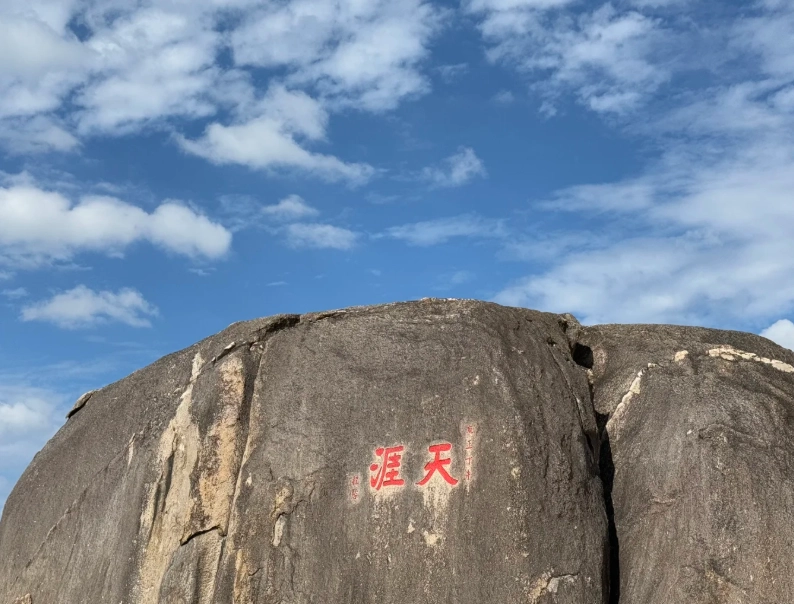
Why Timing Matters More Than You Think
Most tourists land in Sanya and head straight to Tianya Haijiao without checking the calendar. Big mistake. This isn't just about rain or shine — it's about UV rays that can burn you in 15 minutes, crowds that turn a 20-minute stroll into an hour shuffle, and lighting that makes or breaks your photos.
I've seen travelers arrive in July and leave after 10 minutes, completely defeated by the heat. I've also seen January visitors spend three hours happily wandering the coastline. The best time to visit Tianya Haijiao isn't a secret — it's just that most guides don't tell you the gritty details.
Month-by-Month Breakdown (with a Survival Cheat Sheet)
| Month | Weather | Crowds | My Verdict |
|---|---|---|---|
| November – March | Mild (20–28°C), low humidity | Moderate to high (holidays) | Best time to visit Tianya Haijiao |
| April | Warming up (25–32°C), occasional rain | Moderate | OK but getting hot |
| May – October | Hot (28–35°C), heavy rain, typhoon risk | Low (except summer break) | Only if you have no other choice |
Now let me unpack what each season really feels like on the ground.
The Golden Window: November to March
Why Winter is the Sweet Spot
This is when Sanya transforms into a subtropical paradise. Daytime temperatures hover around 24–27°C — warm enough for shorts but not hot enough to make you miserable. The humidity drops, so you don't get that sticky, sweaty feeling 10 minutes after stepping out of the car. And the sun? It's still strong, but it won't attack you like it does in July.
I always tell my clients: if you can only come once, come in January. Yes, it's the peak tourist season, especially around Chinese New Year. But if you avoid the exact holiday week (which shifts between late January and February), the crowds are manageable. I've walked through the park on a quiet Tuesday in January with maybe 200 other people — compare that to 10,000 on a summer Saturday.
What to Expect During "Peak" Season
Here's the catch: during Chinese New Year, the park can get insanely packed. I once saw a queue for the ticket booth stretch 300 meters. But if you're flexible, just skip those five days. Outside of that, the winter season is by far the best time to visit Tianya Haijiao.
The Monsoon Reality: May to October
Rain Isn't the Only Problem – Humidity and UV
July and August are brutal. I've watched tourists step off the bus, take one look at the blazing sun, and turn right back. The UV index regularly hits 12+ (extreme). Even with SPF 50, you'll get a tan in 30 minutes. And the humidity? 80% or higher. You'll sweat through your clothes before you reach the iconic rocks.
Rain is unpredictable — it can pour for 20 minutes, then clear up, then pour again. But the real issue is typhoons. From June to October, tropical storms can shut down the scenic area entirely. Always check the weather forecast 3 days ahead and have a backup plan (like visiting the Nanshan Temple instead).
The Hidden Advantage of Off-Season (If You Dare)
That said, if you come in September or October on a clear day, you'll have the place almost to yourself. I brought a small group in early October once — we practically owned the beach. No queues, no crowd noise, just the waves. The catch? You're gambling with weather. If you can handle the heat and have a flexible itinerary, off-season can be a strategic choice. But I wouldn't recommend it for first-timers.
How to Avoid the Worst Crowds (Even During Peak)
You can still visit in February without losing your mind. Here's how:
- Arrive at opening (7:30 AM). Most tour buses don't show up until 9 AM. You'll have an hour of bliss.
- Skip the main entrance. There's a less crowded gate near the staff parking lot — ask your taxi driver to drop you at the "side gate" (侧门). Locals use it.
- Go on a Wednesday or Thursday. Weekend crowds are double, especially in winter.
- Avoid Chinese public holidays: National Day (Oct 1-7), Labor Day (May 1-5), and Spring Festival (CNY week).
I know, I know — everyone says "go early." But actually doing it changes everything. I've seen the park at 8 AM: peaceful, cool, and you can take photos without 50 strangers photobombing your shot.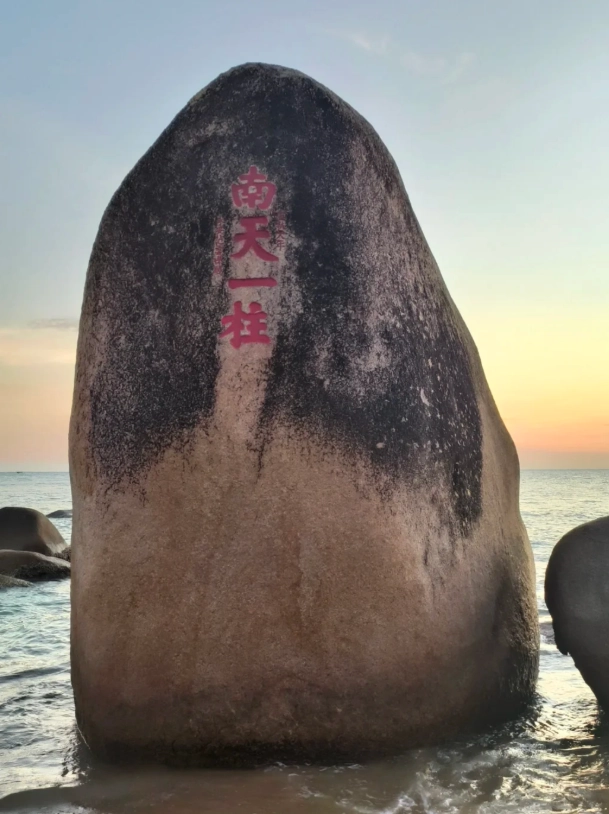
Practical Tips for Foreign Visitors
Booking Your Ticket to Tianya Haijiao
You can buy tickets at the gate (about 81 RMB for adults, 41 RMB for children 1.2-1.4m, free under 1.2m). But during peak times, they sometimes limit entries. I recommend booking ahead on Trip.com or Klook — you can show the QR code on your phone. Passport required for entry (they'll scan it). No need to print anything.
Address: Tianya Haijiao Scenic Area, Tianya District, Sanya, Hainan (三亚市天涯区天涯海角游览区). English address: Tianya Haijiao, Sanya, Hainan.
Opening hours: 7:30 AM – 6:00 PM (last entry at 5:00 PM). They rarely close except for typhoons.
Getting There: Navigation Without Google Maps
Google Maps is useless in China. Use Apple Maps (it works OK) or Didi (Chinese Uber). For buses: take bus 16, 25, or 30 from Sanya city center to "Tianya Haijiao" stop. The ride takes about 40 minutes. Taxi from downtown costs around 60-80 RMB. From the airport, it's 20 minutes by taxi (about 50 RMB). Always show the driver this Chinese text: 去天涯海角 (qù tiān yá hǎi jiǎo).
Payment and Connectivity
Don't expect to use cash or your international credit card. Most vendors only take Alipay or WeChat Pay. Link your foreign card to Alipay before you come — it's the single most important prep step. Also, you'll need a VPN to access Google, Instagram, etc. Download a reliable one before arriving. For translation, Apple Translate works offline.
What to Pack for Your Visit
- Sunscreen (SPF 50+): The tropical sun is no joke. Reapply every 2 hours.
- Sunglasses and a wide-brim hat: You'll thank me when the afternoon glare hits.
- Comfortable walking sandals or water shoes: The beach has sharp shells and coral fragments. I've seen bleeding feet more times than I can count.
- Light long-sleeved shirt: Sounds counterintuitive, but it blocks UV better than bare skin and feels cooler if it's breathable.
- Portable fan or mist spray: Absolute lifesaver in summer.
- Reusable water bottle: There are water refill stations near the restrooms.
And please — don't wear high heels. I once watched a woman in stilettos try to climb the rocks. Never saw her again (she probably gave up).






As someone who hates crowds, this article was a lifesaver. I went in early March on a weekday, just like they recommended, and there were hardly any tourists. The views were stunning without the chaos. Only minor issue: they didn’t mention that some facilities might be closed during off-peak times. But overall, exactly what I needed. 5 stars!
Absolutely loved this article! I followed the advice to go in December (they mentioned it’s the cool season), and it was perfect—comfortable temperature and not many people. The tip about bringing sunscreen and a hat even in winter was gold. Shared it with my travel group. Thanks for saving us from the madness! 5/5
Honestly, I was disappointed. The title promises avoiding crowds and heat, but the article only repeats generic suggestions like 'go early' and 'avoid holidays.' I expected specific data on peak hours or month-by-month breakdowns. Plus, the writing felt a bit dry. Not terrible, but I wouldn't rely on it for planning. 3 stars.
Pretty decent advice overall, but I wish it had more details on the shoulder seasons. I visited in late October based on the recommendation, and while it wasn’t crowded, it was still pretty hot. Also, the article didn’t mention the ticket prices or how to get there from Sanya. Could use a bit more depth. Still, a helpful read for first-timers.
I read this article before planning my trip to Tianya Haijiao, and honestly, it saved me from the worst of the heat. The tips about going early morning and avoiding weekends are spot on. I went on a Tuesday at 7 AM and had the place almost to myself. Only gave it 5 stars because it’s concise and practical—no fluff.