 Hua Sun
What’s Inside This Guide
If you’re planning a trip to Changchun, the Museum of the Imperial Palace of Manchukuo (also called the Puppet Emperor’s Palace) is likely on your list. I’ve brought dozens of groups here over the years, and I’ve seen first-timers get lost, waste time, or miss the most interesting spots. Let me walk you through exactly how to visit—no fluff, just practical stuff.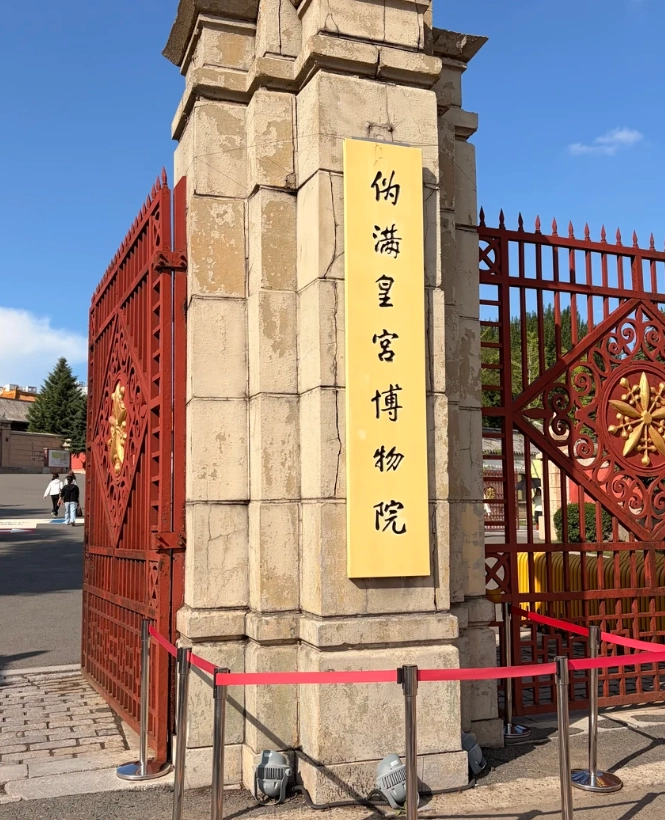
Getting There – Exact Directions
The museum is at 5 Guangfu Road, Kuancheng District, Changchun, Jilin Province. Don’t trust the address alone—some taxi drivers don’t know the English name. Show them “伪满皇宫博物院” (Wěi Mǎn Huánggōng Bówùyuàn) on your phone.
By Metro
Take Metro Line 1 to People’s Square (Renmin Guangchang) Station, Exit C. Then either walk north for about 1.2 km (15 minutes) or hop on bus 264/3 to the Guangfu Road stop. The walk is pleasant if the weather’s fine—you’ll pass some old Soviet-style buildings.
By Bus
Buses 3, 8, 10, 12, 117, 264, and K3 all stop at “Guangfu Road” or “Museum of the Imperial Palace” – just check the electronic sign. From the bus stop, it’s a 3-minute walk to the main gate. Honestly, the metro is more reliable during rush hour.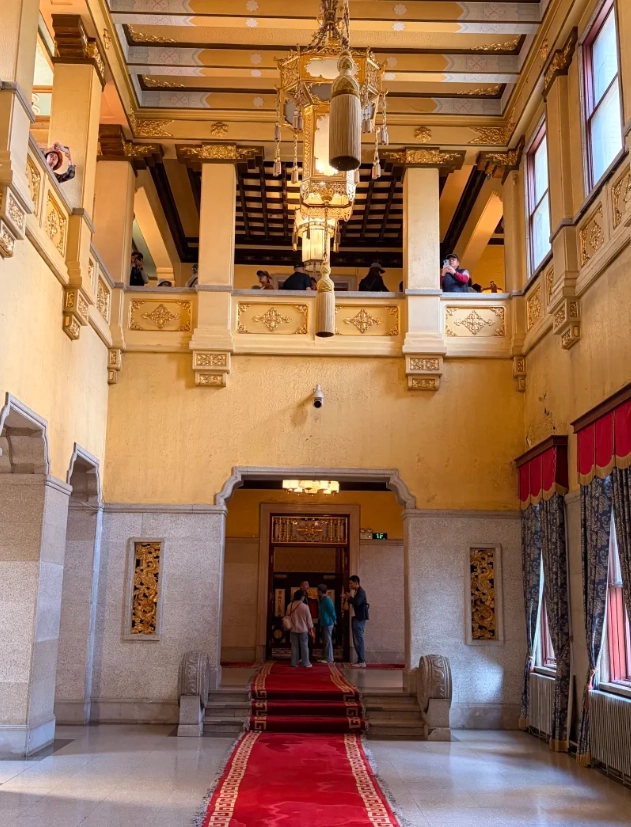
By Taxi / Ride-Hailing
From Changchun Railway Station, a taxi costs about 15-20 RMB and takes 10-15 minutes. From Changchun Longjia International Airport, it’s around 100 RMB and 40 minutes without traffic. Use Didi (like Uber) – your hotel staff can help you set it up if you don’t have the app.
Tickets & Opening Hours
| Category | Price (CNY) | Notes |
|---|---|---|
| Adult | 70 | Standard ticket for ages 18-59 |
| Student | 30 | Must show valid student ID (international accepted) |
| Senior (60+) | 35 | Requires ID with birth date |
| Child (under 6 or under 1.2m) | Free | One free child per adult |
Opening hours: 8:30 AM – 4:30 PM (last entry at 4:00 PM), open year-round. The museum is closed on New Year’s Day (Jan 1) and the Chinese New Year holiday (usually late January to mid-February). Double-check the official WeChat account “伪满皇宫博物院” for any sudden closures.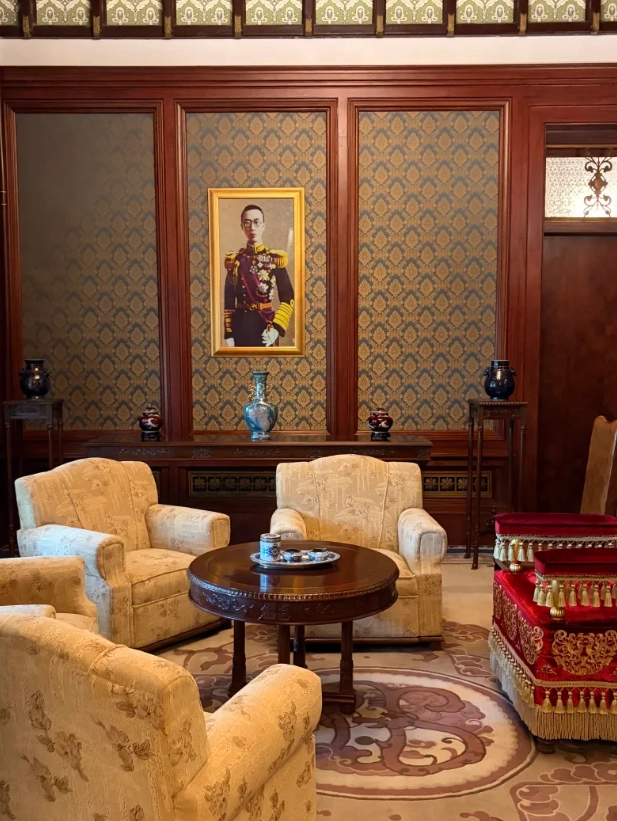
Do I need to book in advance?
Honestly, no – unless you’re visiting during Chinese National Day (Oct 1-7) or Labor Day (May 1-3). Those days queues can stretch 30 minutes. You can book on Trip.com or the museum’s WeChat mini-program. I always tell my guests to buy at the gate; it’s rarely packed outside holidays.
What You’ll See – Key Halls & Exhibits
The palace complex is surprisingly large – you’ll need at least 2.5 hours to see everything properly. Here are the non-negotiable stops:
The Main Palace Building (Qinmin Building)
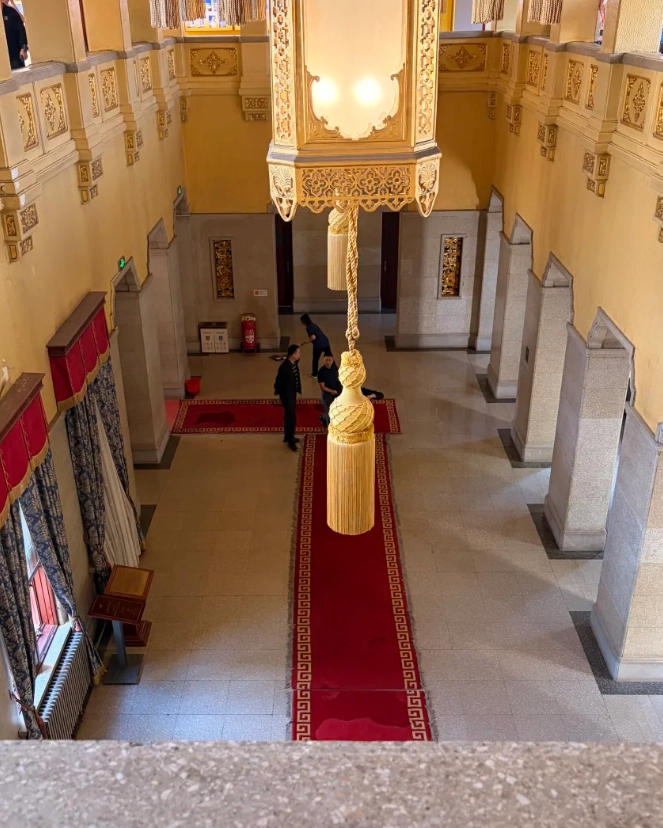
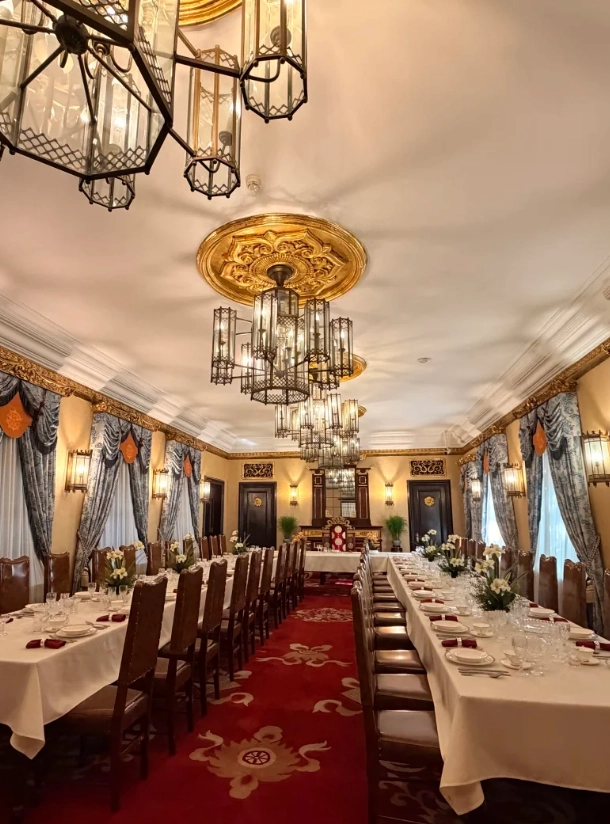
This was the emperor’s residence and office. The ground floor has the throne room – the guide might say “the emperor held court here,” but in reality, the Japanese kept him as a puppet. Look at the mix of Chinese, Japanese, and European styles – it’s a bizarre fusion.
Huaiyuan Building (The East Garden)
I love this part. It’s the private living area with a Japanese-style garden and a koi pond. Most tourists rush through, but I’d sit on the wooden bench for 5 minutes – it’s peaceful and helps you imagine what life was like for a man trapped in a gilded cage.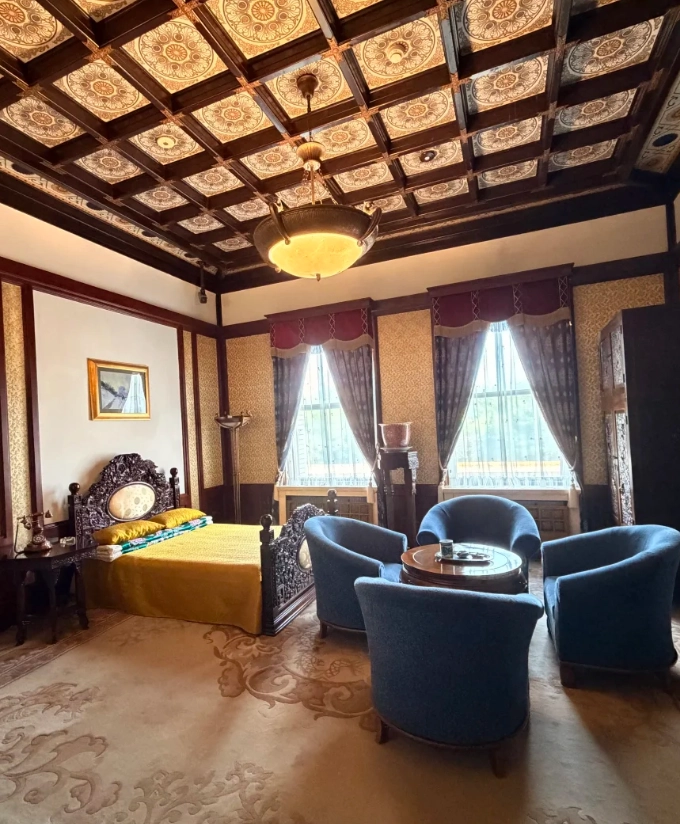
The Exhibition of the Last Emperor
This basement hall holds personal items of Puyi: his calligraphy, his wives’ photos, and his bicycle. One exhibit shows how he kept a “secret diary” – the handwriting is tiny. Don’t miss the video screening that runs every 30 minutes (in Chinese with English subtitles).
The Bunker and Air-Raid Shelter
Under the main building, there’s a concrete bunker built to protect the emperor from bombings. It’s cold and damp – you’ll feel the paranoia. The exit leads to a small museum shop, but I’d skip the souvenirs (overpriced).
Best Time to Visit & Avoid the Crowds
I’ve tested every slot. Here’s my ranking:
- Best: 1:00 PM – 3:00 PM on a weekday. School groups finish lunch and leave, but the next tour wave hasn’t arrived yet. The light is also nice for photos.
- Second best: Opening time (8:30 AM) – but only if you skip the first hall and head to the back garden first. Everyone starts at the throne room; go reverse.
- Avoid: Weekends and Chinese holidays. Especially May Day and National Day – you’ll be shuffling in a line.
- Weather tip: Beware of heavy rain in July-August. The bunker can flood slightly, and some outdoor paths get slippery. Bring an umbrella.
Insider Tips from a Local Guide
Over the years, I’ve picked up tricks that most guidebooks don’t mention:
- The “secret” entrance: There’s a side gate near the northeast corner (where the staff park). If the main queue is long, walk around the block to that gate – it’s usually empty. Just show your ticket.
- Bathroom timing: The restroom near the ticket office gets a 10-minute queue around 10 AM. Use the ones inside the Qinmin Building (second floor) – they’re cleaner and rarely busy.
- Photography: Flash is prohibited inside all exhibition halls. Use your phone’s night mode if the light is dim. The outdoor gardens and the rooftop are best for golden hour shots (4 PM in spring/autumn).
- Language support: Audio guides are available in English and Japanese at the information desk – 30 RMB deposit. I prefer using my own phone with a downloaded offline guide (like the one from the museum’s official app). The English on the panels is decent but sometimes awkwardly translated.
- Food nearby: Don’t eat at the museum cafeteria – it’s overpriced and boring. Walk 5 minutes south to Guangfu Road Restaurant for proper Jilin-style dumplings and pork stew. Cash or WeChat only.
Frequently Asked Questions
Verified and fact-checked by the editorial team.





What an eye-opening experience! I didn't know much about the Manchukuo period before coming, but the museum explains it clearly and vividly. The price is very reasonable for the amount of content. The highlight for me was the underground air-raid shelter—it's eerie but fascinating. If you're in Changchun, this is a must-see.
One of the best museums I've visited in Northeast China. The collection of imperial robes, furniture, and photographs is stunning. They also have a well-done exhibition on the daily life of Puyi. The staff were friendly and helpful. Pro tip: go early in the morning to avoid the tour groups. Truly a hidden gem!
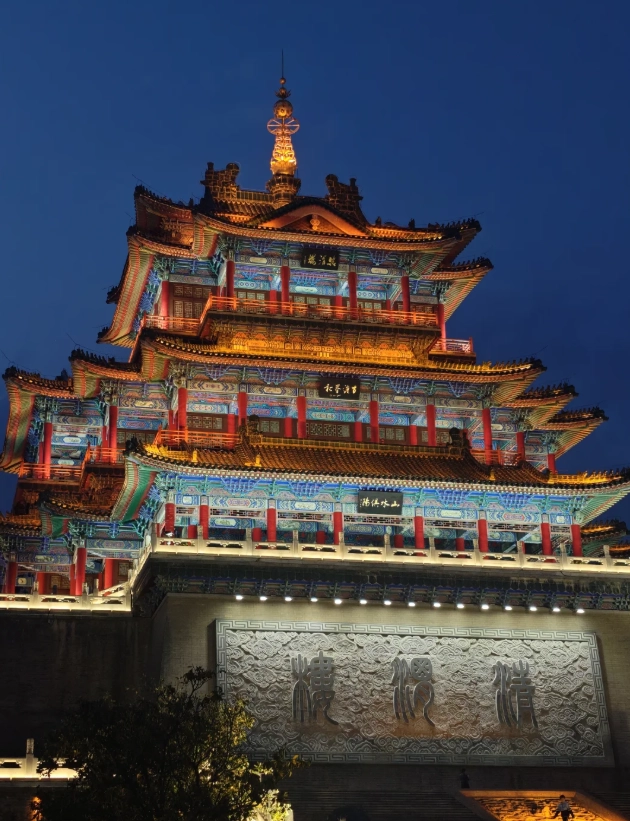
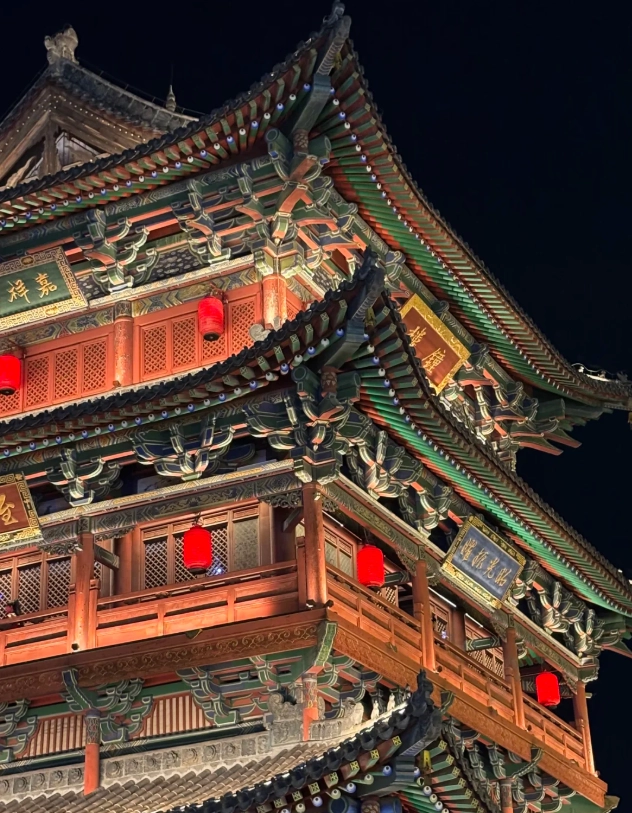
Absolutely loved this place! The architecture alone is worth the trip. Walking through the throne room and the private quarters felt like stepping back in time. The audio guide is packed with details, and the garden is a peaceful escape. Highly recommend to anyone interested in modern Chinese history. Will definitely come again!
A decent visit overall. The building is impressive from the outside, and the interior gives you a real sense of the puppet regime era. However, the crowds were heavy on a weekday, and the cafe area was understaffed. The exhibit on daily court life was fascinating. Not amazing, but solid for history buffs.
Honestly, I was a bit underwhelmed. The museum itself has interesting historical artifacts, but the signage is poorly translated and the audio guide kept glitching. For the entrance fee, I expected better maintenance—some exhibits looked dusty and neglected. It's worth a quick stop if you're in Changchun, but don't plan a whole day around it.