 Yan Zhou
What's Inside
- Why White Horse Temple Matters More Than Any Other Temple in China
- How to Get to White Horse Temple from Luoyang (and Avoid the Crowds)
- White Horse Temple Layout: What to See and in What Order
- Ticket Prices and Opening Hours for White Horse Temple
- What to Eat Near White Horse Temple – Local Favorites
- Frequently Asked Questions About White Horse Temple
I'll never forget the first time I stepped through the gates of White Horse Temple. It was a crisp autumn morning, and the scent of incense mixed with the cool air. A group of monks chanted softly in the Hall of Great Hero, their voices echoing off ancient walls. That moment, I knew this wasn't just another temple – this was where Chinese Buddhism began. Over the years, I've brought hundreds of travelers here, and every single one of them leaves with a deeper understanding of China's spiritual roots. Let me show you why White Horse Temple deserves a top spot on your Luoyang itinerary.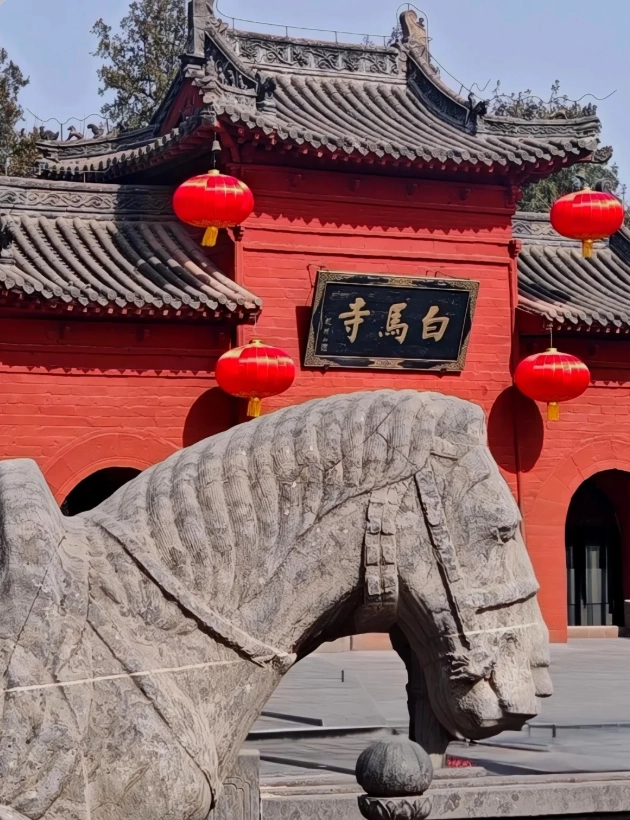
Why White Horse Temple Matters More Than Any Other Temple in China
Most travelers visit the Longmen Grottoes or Shaolin Temple and skip White Horse Temple. Big mistake. White Horse Temple is officially recognized as the first Buddhist temple in China, built in 68 AD during the Eastern Han Dynasty. That's nearly 2,000 years of uninterrupted history. Legend says Emperor Ming dreamed of a golden figure flying over his palace – interpreted as the Buddha – and sent envoys to India. They returned with two Indian monks, scriptures, and a white horse carrying the sutras. Hence the name: White Horse Temple.
What makes this place special isn't just its age. It's the original layout. Unlike later temples that copied imperial palaces, White Horse Temple retains a central pagoda – the Qiyun Pagoda – flanked by halls. This design influenced every Buddhist temple in China, Korea, and Japan. I always tell my groups: “You're standing at ground zero of East Asian Buddhism.”
The temple has been destroyed and rebuilt multiple times, but the stone horses at the entrance date back to the Song Dynasty. Yes, those two weathered stone horses – they're over 1,000 years old. Tourists often miss them because they're busy taking selfies with the gate. I always stop there and say, “Imagine the bones of the original white horse that carried the scriptures are somewhere beneath us.” That gets their attention.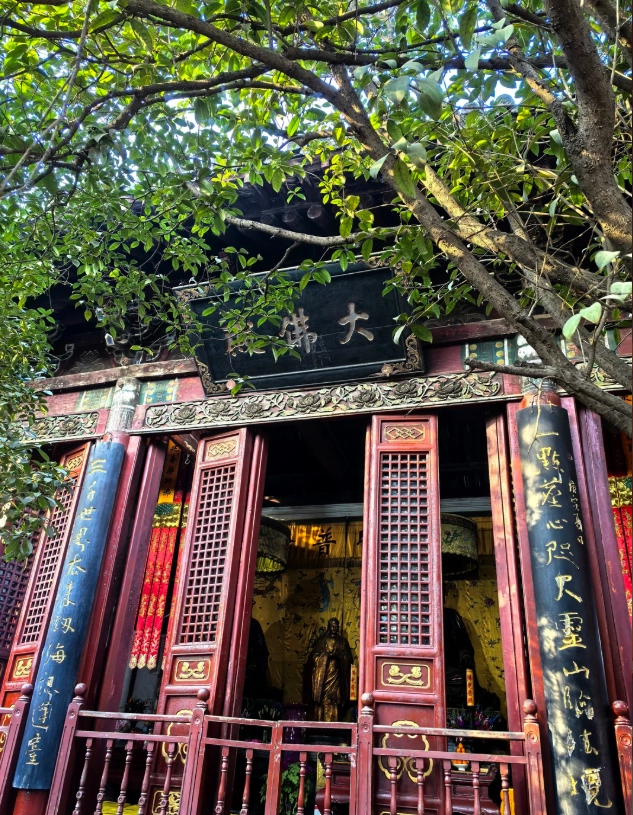
How to Get to White Horse Temple from Luoyang (and Avoid the Crowds)
By Public Bus
From Luoyang Railway Station, take bus 56 directly to the temple. The ride takes about 50 minutes and costs 2 RMB (about 30 cents). Get off at the terminal stop – you'll see the temple gate right in front. Alternatively, from the Longmen Grottoes area, bus 58 connects you in about an hour. Fair warning: these buses can get packed during holidays. I once squeezed in with a dozen Chinese tourists and a live chicken. Not a joke.
By Taxi or Ride-Hailing
A taxi from downtown Luoyang costs around 40–60 RMB (US$6–9) depending on traffic. Use Didi (China's Uber) – the app has an English version. Show the driver this: “白马寺” (Baima Si). They'll know. Tip: avoid 5 PM–7 PM if you're heading back to the city; traffic on the old road can turn a 30-minute drive into an hour.
Best Time to Visit
Go early. The temple opens at 8:00 AM and by 10 AM tour groups flood in. I always aim for 8:15 AM – after the monks finish morning chanting but before the crowds. Weekdays are much quieter. If you're there during Chinese National Holiday (October 1–7), expect shoulder-to-shoulder crowds. Honestly, skip it then if you can.
White Horse Temple Layout: What to See and in What Order
The temple complex is larger than it looks from the entrance. You'll need at least 2–3 hours to do it justice. Here's my recommended route:
| Stop | What to Look For | My Tip |
|---|---|---|
| 1. The Gate & Stone Horses | Two weathered stone horses from the Song Dynasty | Rub the horse's nose for good luck – locals believe it brings wisdom |
| 2. The Heavenly King Hall | Statues of the Four Heavenly Kings; note the smiling Maitreya in the center | Don't take photos of the Maitreya – it's considered disrespectful |
| 3. The Hall of Great Hero | Main hall with three Buddha statues: Sakyamuni, Amitabha, and Medicine Buddha | Look up – the ceiling murals are original Ming Dynasty |
| 4. Qiyun Pagoda | A 13-story pagoda; you can't climb it, but walk clockwise around it three times for merit | Count the bells on the eaves – there are 104 |
| 5. The Hall of the Great Sage | Smaller hall behind the pagoda with a statue of the monk Xuanzang (the real one, not the monkey king) | This is often empty – a peaceful spot |
| 6. The International Buddhist Garden | A newer section with Thai, Indian, and Burmese style temples | Great for photos, but feels out of place. Still, the Thai temple has a 4-meter-long reclining Buddha |
One thing most guides won't tell you: there's a small museum on the east side near the pagoda. It's free and houses artifacts excavated from the temple grounds. Ask the elderly monk at the entrance – he'll unlock it for you. I've never seen it mentioned in any English guidebook.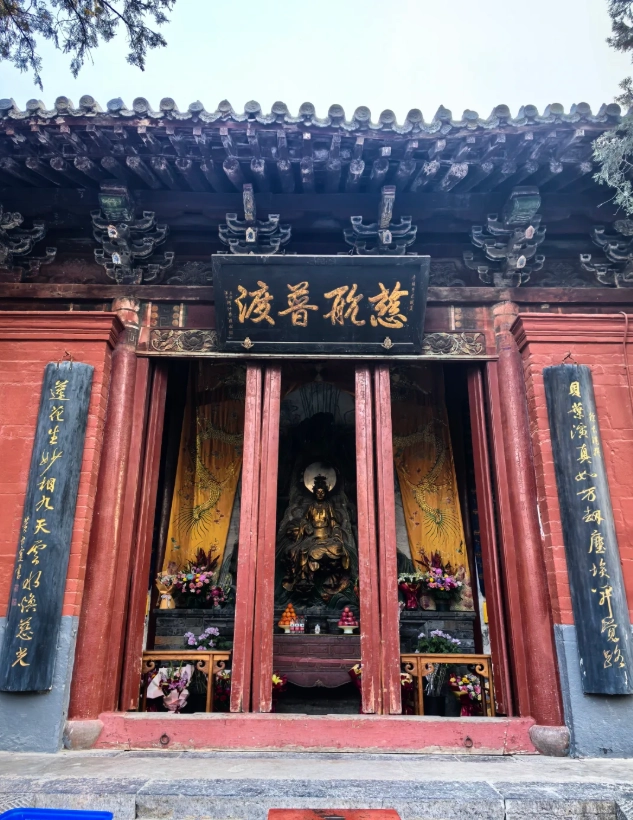
Ticket Prices and Opening Hours for White Horse Temple
As of my last visit, the general admission is 35 RMB (about US$5). Students with valid ID pay 17.5 RMB. Children under 1.2 meters and seniors over 70 get in free – but you need to show a passport or ID. The ticket booth accepts cash and Chinese mobile payments (WeChat Pay, Alipay). International credit cards are sometimes accepted, but don't count on it – bring cash just in case.
Opening hours:
- Summer (April–October): 8:00 AM – 5:30 PM (last entry at 5:00 PM)
- Winter (November–March): 8:00 AM – 5:00 PM (last entry at 4:30 PM)
Check the official WeChat mini-program “洛阳白马寺” for real-time updates. Prices fluctuate slightly during peak seasons, so I recommend pulling up WeChat to scan their official mini-program right before you Uber over. One traveler I brought last year tried to pay with a foreign card and got stuck – the attendant kindly pointed to a sign saying “Cash Only” in Chinese. He had to run to a nearby convenience store to get cash. Don't be that person.
What to Eat Near White Horse Temple – Local Favorites
The street outside the temple is lined with small eateries. Most serve Luoyang water banquet dishes, but I have two go-to spots:
1. Old Horse Noodle – Right across the street. Their niuroumian (beef noodle soup) is 15 RMB and loaded with tender beef. The broth is rich and slightly spicy – perfect after a morning of walking. I always order an extra side of their pickled vegetables.
2. Auntie Zhang's Dumplings – A 5-minute walk east. She makes pork and chive dumplings by hand. A plate of 12 costs 18 RMB. The secret is the dipping sauce – black vinegar with minced garlic and chili oil. I once watched an Australian couple order three plates in a row. She doesn't speak English, but the menu has pictures. Point and smile.
Both places close by 9 PM, so go for lunch. Payment is WeChat/Alipay or cash – no cards.
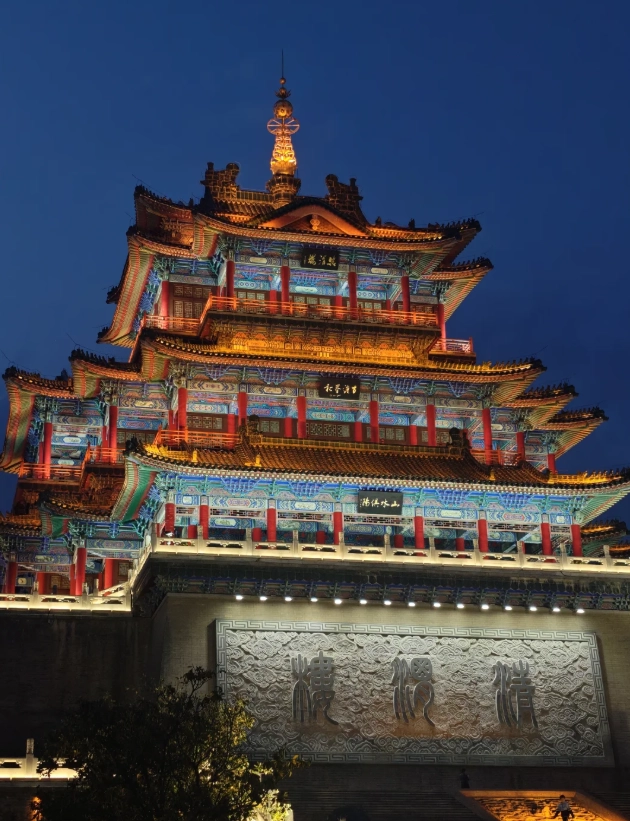
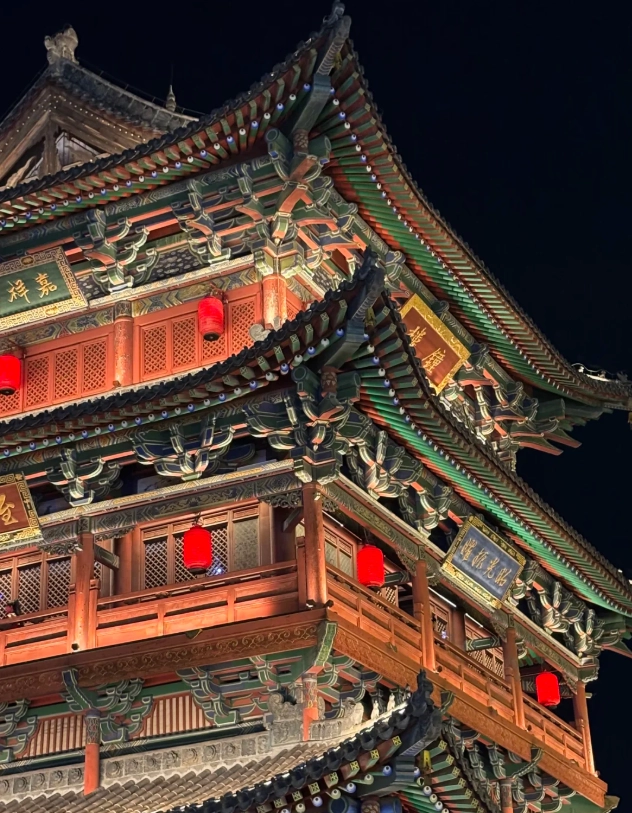
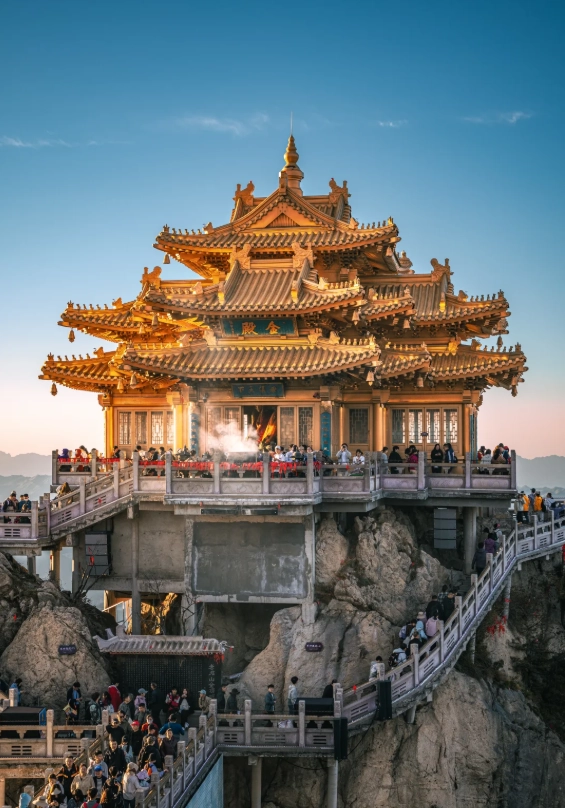





A wonderful experience from start to finish. The temple grounds are huge, clean, and well-maintained. The highlight for me was the cool, quiet atmosphere inside the main hall—it felt truly sacred. I visited early, right when it opened at 8am, and had the place almost to myself for an hour. The peony garden was a bonus (free in April!). My only slight complaint is that the souvenir shops near the exit are overpriced, but that’s expected. Definitely plan half a day here.
Rode my motorcycle all the way from Xi’an just to see this temple. The entrance area is bustling with tourists and vendors, but once you get past the first courtyard, it’s surprisingly serene. I loved the mix of architectural styles from different dynasties. The Thai and Indian temple replicas were a fun bonus—great photo ops! The staff were friendly and let me park my bike inside the compound. Bring water, it gets hot in summer. Highly recommend for history buffs and curious travelers!
Absolutely fell in love with this place! Walking through the ancient halls, you can almost hear the monks chanting from centuries ago. The peonies were blooming when I visited, and the fragrance mixed with incense was magical. I spent over three hours exploring every corner—the ancient pagoda, the cool underground chambers, and the peaceful gardens. Don’t miss the small museum with relics! Easily one of the most meaningful stops in Luoyang. ⭐⭐⭐⭐⭐
As the first Buddhist temple in China, this place has incredible historical significance. The main hall and the Qiyun Pagoda are impressive. That said, the entry fee (35 RMB) felt a bit steep for what you get—a lot of the site is reconstructed or recently built. Also, there were very few English explanations on signs, so I recommend hiring a guide or downloading an audio tour beforehand. Not bad, but I’ve seen more immersive historical sites for the price.
Visited on a weekday morning hoping to avoid crowds, and it was fairly peaceful. The pagodas and ancient architecture are stunning—you can really feel the history. However, I was a bit disappointed by the newly built 'international' temple section (Indian, Thai, Burmese styles). They felt a bit like a theme park and took away from the authentic atmosphere. Still worth it for the original temples and the famous peony garden in spring, but don't expect a fully authentic ancient site.