 Qiang Huang
Quick Guide
Lost my passport in Shanghai once. Not fun. But the 240-hour visa-free policy? That's a game-changer. I've guided dozens of travelers through this process, and let me tell you—knowing which cities you can actually visit saves you from a headache at immigration. So here's the deal: you can enter and exit from specific ports across 24 provinces, but you're restricted to certain regions. Let me break it down.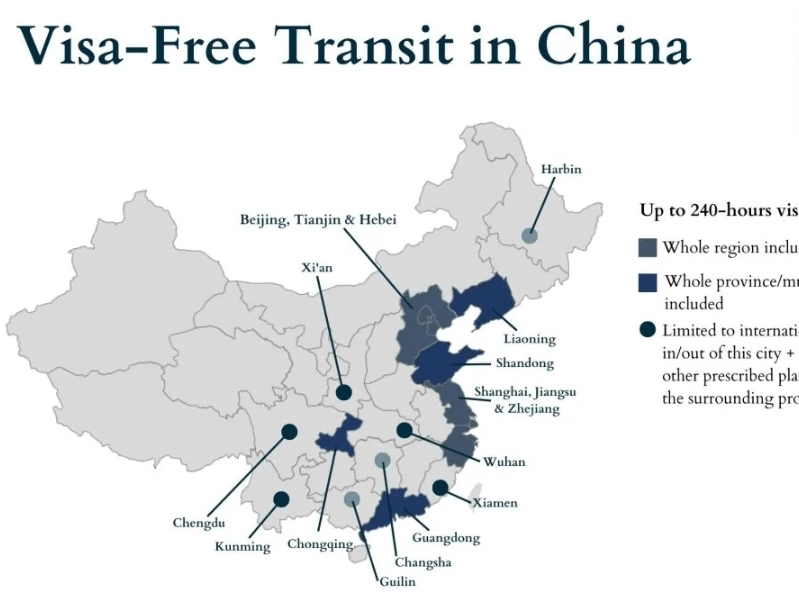
What Is the 240-Hour Visa-Free Policy?
China's 240-hour (10-day) visa-free transit allows citizens from 54 countries to stay in designated areas without a visa, provided you're transiting to a third country. Sounds simple, right? The catch: you must arrive from and depart to a country different from your nationality. For example, a US citizen flying from New York to Shanghai, then to Tokyo, qualifies. But a US citizen flying from New York to Shanghai and back to New York? Nope—you'll need a visa.
Another gotcha: you can't leave the designated province or city. If you land in Shanghai, you can roam Jiangsu, Zhejiang, and Shanghai itself. Beijing allows only the municipality and Tianjin. Guangzhou covers Guangdong province. I've seen travelers try to sneak in a trip to Xi'an from Beijing—they got flagged at the airport. Don't risk it.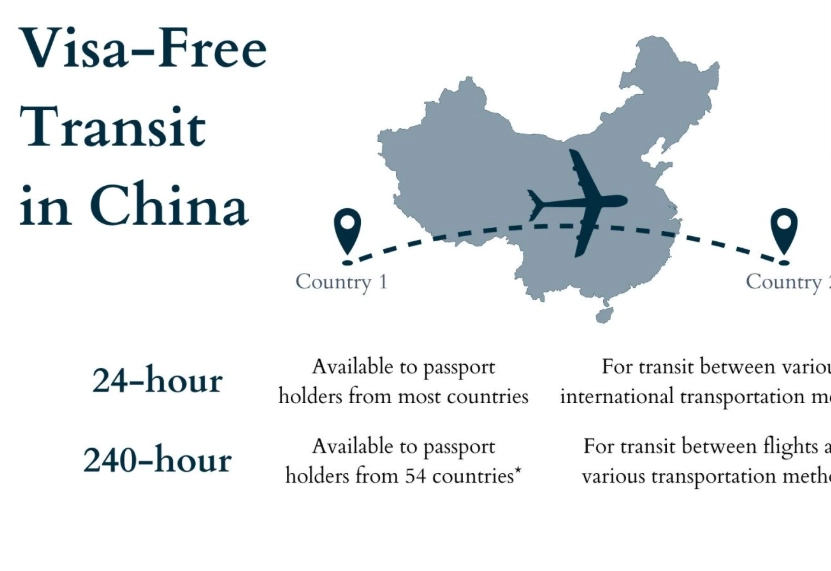
Eligible Cities at a Glance
| Entry/Exit Port | Allowed Area | Key Cities | Max Stay |
|---|---|---|---|
| Shanghai (PVG, SHA, port) | Shanghai, Jiangsu, Zhejiang | Shanghai, Suzhou, Hangzhou, Nanjing | 240 hr |
| Beijing (PEK, PKX, port) | Beijing, Tianjin, Hebei | Beijing, Tianjin | 240 hr |
| Guangzhou (CAN, port) | Guangdong province | Guangzhou, Shenzhen, Zhuhai | 240 hr |
| Chengdu (CTU, TFU) | Sichuan province | Chengdu, Leshan | 240 hr |
| Kunming (KMG) | Yunnan province | Kunming, Dali, Lijiang | 240 hr |
| Xi'an (XIY) | Shaanxi province | Xi'an | 240 hr |
| Chongqing (CKG) | Chongqing municipality | Chongqing | 240 hr |
| Guilin (KWL) | Guangxi province | Guilin, Yangshuo | 240 hr |
| Xiamen (XMN) | Fujian province | Xiamen, Fuzhou, Quanzhou | 240 hr |
| Harbin (HRB) | Heilongjiang province | Harbin | 240 hr |
| Dalian (DLC) | Liaoning province | Dalian | 240 hr |
| Qingdao (TAO) | Shandong province | Qingdao, Jinan | 240 hr |
| Changsha (CSX) | Hunan province | Changsha, Zhangjiajie | 240 hr |
| Wuhan (WUH) | Hubei province | Wuhan | 240 hr |
| Zhengzhou (CGO) | Henan province | Zhengzhou, Luoyang | 240 hr |
| Others (Shenyang, Haikou, etc.) | Varies | Check official list | 240 hr |
Shanghai: The Classic Entry Point
I always recommend first-timers start here. Shanghai's Pudong Airport is the most visa-friendly entry point, with clear English signage and officers used to transit passengers. You'll fill out a small card (keep it safe—you need it to exit).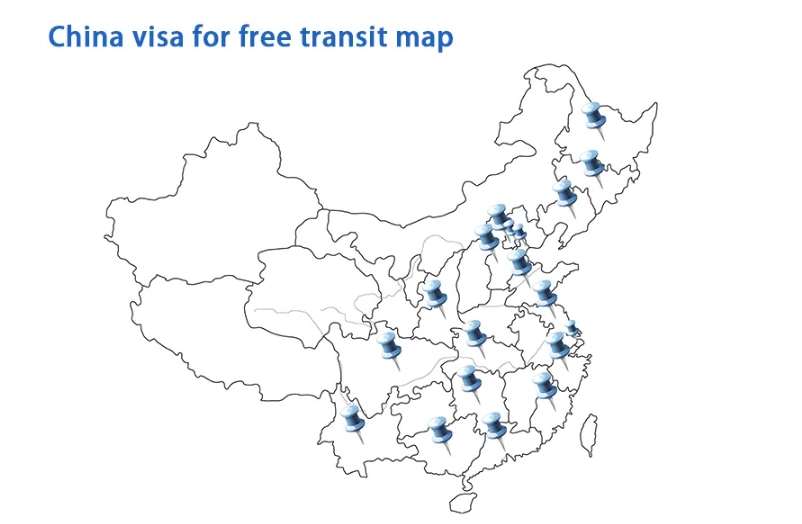
Must-do in 240 hours
- The Bund (Zhongshan East 1st Road, Huangpu District)—go at 4 PM to catch sunset glow. The east side is free; avoid 10 AM-2 PM due to harsh light. English address: 1 Zhongshan East 1st Rd.
- Yu Garden (218 Anren Street)—entry ¥30 (adult). Arrive at 8:30 AM right when it opens to avoid crowds. Payment: Alipay or cash (no international cards at ticket booth).
- Nanjing Road—pedestrian street. Watch out for fake tea sellers offering 'free samples.'
Transportation: Metro Line 2 connects airport to city. Download DiDi (English interface works now) or use Apple Maps—Google Maps will show you walking in the river. I once took a group to a wrong address because of Google—never again.
Where to Stay in Shanghai
Central Hotel Shanghai (380 Nanjing West Rd)—~¥600/night, good Wi-Fi, elevator. Near People's Square. They can help you book train tickets to Suzhou or Hangzhou. Avoid street-level 'budget hostels'—they often have no elevator and weak WiFi.
Beijing: History Meets Modernity
Beijing's Capital Airport (PEK) and Daxing (PKX) both handle visa-free transit. But here's a pain point: the security check at the Forbidden City is a nightmare. I always tell my clients to enter from the East Gate (Donghuamen)—far less crowded than the south gate, especially at 8:30 AM sharp.
Must-visit
- Forbidden City (4 Jingshan Front St)—book via Trip.com at least 3 days in advance. Adult ¥60. Bring your passport. No entry after 4 PM (closing 5 PM).
- Great Wall at Mutianyu—2-hour bus from Dongzhimen (bus 916, then shuttle). Less crowded than Badaling. The cable car is ¥100 each way; I prefer the chairlift up and toboggan down—fun!
Payment alert: Most street vendors accept only WeChat Pay or cash. I watched a clueless tourist try to pay with a credit card at a dumpling stall—awkward. Always carry ¥200 in small bills.
Guangzhou: Cantonese Culture Hub
Guangzhou Baiyun Airport (CAN) is huge but efficient. The visa-free area covers all of Guangdong, so you can easily train to Shenzhen or Zhuhai. But careful: the high-speed train requires a passport and real-name verification—buy tickets on Trip.com or at the station counter (they accept cash).
Hidden gem
Chen Clan Ancestral Hall (34 Enlong Li)—¥10 entry. It's a masterpiece of Lingnan architecture. Go on a weekday to avoid school groups. English audio guide available.
Dim sum recommendation: Dian Dou De (1 Wenming Road)—try the shrimp dumplings and egg tarts. Average ¥80/person. Cash or Alipay only. Arrive before 11 AM or wait 30 minutes.
Chengdu: Pandas and Spice
Chengdu Shuangliu (CTU) and Tianfu (TFU) both accept visa-free. The Panda Base is the top draw, but I've got a secret: go to the Dujiangyan Panda Base (2-hour car) instead. It's smaller but you're inches from the pandas. The main base in Chengdu is overcrowded by 10 AM.
Food warning: Chengdu cuisine is tongue-numbingly spicy. Carry a bottle of yogurt to soothe. I always recommend Chen Mapo Tofu (195 West Yu Hua Street) for authentic mapo tofu—cash only, ¥50/person.
Practical Tips for a Smooth Trip
- Download VPN before leaving home (ExpressVPN works fine). Install Baidu Translate or Apple Translate.
- Bind your international credit card to Alipay (WeChat Pay needs a Chinese bank—skip it). Most merchants accept Alipay. Cash still works everywhere.
- Carry a paper copy of your flight itinerary and hotel booking—immigration sometimes asks.
- For navigation, use Apple Maps or Gaode Maps (English mode). Google Maps is useless.
Booking headaches: Many attractions require WeChat mini-programs wholly in Chinese. If you can't read it, ask your hotel receptionist to book for you. Or use Klook or Trip.com—they have English interfaces and accept international cards. I booked a group of 12 Forbidden City tickets via Trip.com in 5 minutes—no hassle.
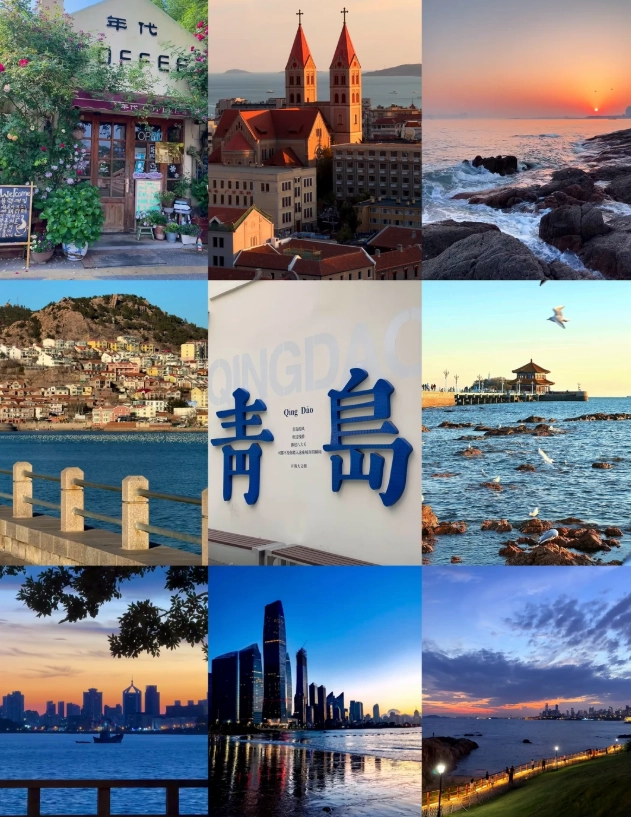
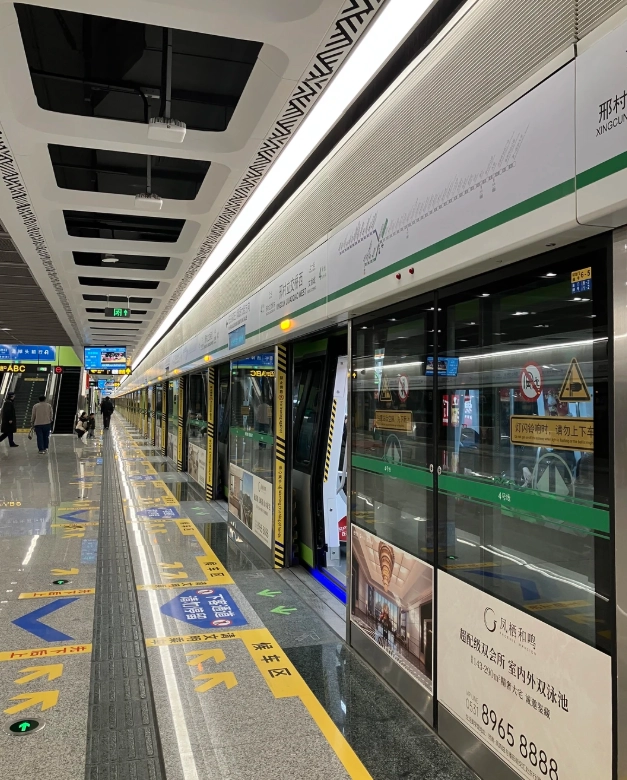
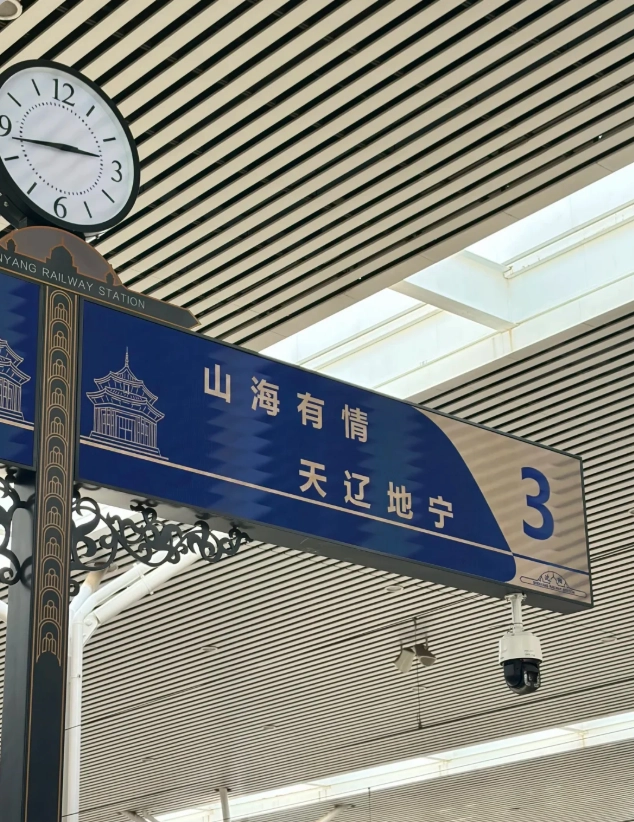





Spent the full 240 hours in Xi'an. The Terracotta Warriors are a must-see – bring good walking shoes because it's a huge site. The Muslim Quarter night market is a feast: I ate lamb skewers, pita bread soaked in mutton soup, and tried a local yogurt drink. Very affordable too. The city walls are perfect for sunset cycling. My only hiccup: my phone eSIM didn't work initially, so download offline maps beforehand. But overall, this policy made exploring easy and rewarding.
Beijing on a 240-hour visa – absolutely chaotic and wonderful. The Forbidden City is even more massive than pictures suggest. I rented a bike and cycled through the hutongs, got lost, found a tiny dumpling shop run by a grandma who didn't speak English but kept topping up my tea. The Great Wall at Mutianyu was emptier than expected. Only downside: the heat was brutal (40°C) and some metro stations lack elevators. Still, an unforgettable 10 days.
Used the visa-free transit in Chengdu for 9 days. The panda base is obviously a highlight – saw babies tumbling around. The old town area (Jinli) is touristy but fun. What I wasn't prepared for: the air quality. On two days the haze was really bad, made my throat scratchy. Also, a few taxi drivers tried to overcharge me near the Wenshu Monastery. Advice: use Didi app. So, bittersweet – loved the pandas, disliked the smog.
Guangzhou was my pick for the 240-hour window. Baiyun Airport immigration took maybe 20 minutes, no drama. The Cantonese food absolutely blew my mind – that claypot rice in Chen Clan Ancillary Hall area? Divine. Negative: the hotel I booked near Tianhe was fine but a bit loud at night. Also, the humidity in June is real. Pack a fan. Overall a solid experience, but I'd plan my accommodation more carefully next time.
Just wrapped up a 10-day trip using the 240-hour visa-free policy in Shanghai. The process at Pudong was surprisingly smooth – no queues, friendly officers. I loved the mix of futuristic skyline and old-school lane houses. Only wish I'd known that the subway exit for the Bund is a 15-minute walk, not 5. Still, the street food scene in Yunnan Road is unbeatable. Definitely coming back for more xiaolongbao!