 Yan Zhou
What's Inside?
What Is the 240-Hour Policy Exactly?
You land at a major Chinese airport. Instead of staying airside, you walk through a special counter, get a stamp, and you're free to explore the city for up to 10 days. That's the 240-hour visa-free transit in a nutshell. But here's the catch – many travelers mess up the fine print and end up at the immigration detention room. I've seen it happen. Let's fix that.
China launched this policy (sometimes called the 144-hour visa-free transit, but now expanded to 240 hours in select cities) to boost tourism. It allows citizens from 53 countries to stay in designated areas for up to 240 hours (10 days) without applying for a visa beforehand. Sounds great, right? But you must stick to the rules.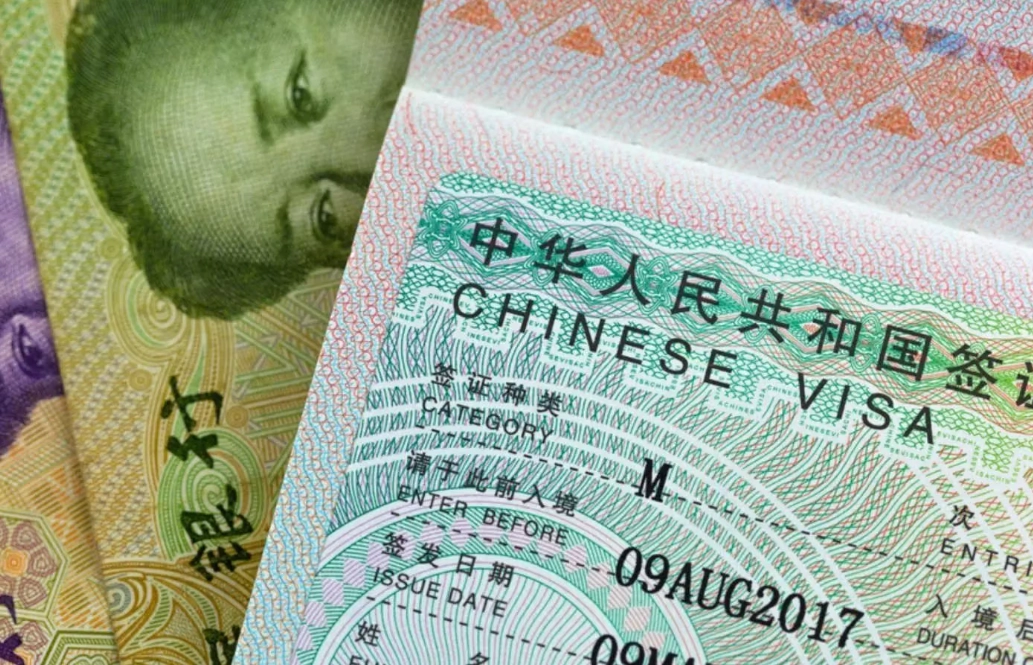
Who Can Use It? (Eligibility Check)
First, check your passport. The policy covers 53 countries including the US, UK, Canada, Australia, Japan, South Korea, and most EU countries. Next, you must hold a confirmed onward ticket to a third country or region (not the one you came from). For example, flying London → Shanghai → Tokyo works. London → Shanghai → London does not.
Also, you can only stay in the city or province where you enter and exit. If you fly into Shanghai, you can explore Shanghai and nearby Jiangsu and Zhejiang provinces, but not Beijing. Each port has its own permitted area – check the official list (though it's in Chinese, your hotel can help).
| Port City | Permitted Area | Max Stay |
|---|---|---|
| Beijing | Beijing, Tianjin, Hebei | 240 hours |
| Shanghai | Shanghai, Jiangsu, Zhejiang | 240 hours |
| Guangzhou | Guangdong Province | 240 hours |
| Chengdu | Chengdu, Leshan, Deyang etc. | 240 hours |
| Xi'an | Xi'an, Xianyang | 240 hours |
Note: The 240-hour clock starts from 00:00 the day after you enter, not when you land. So if you arrive at 11 PM, your first day doesn't count – you essentially get 10 full days plus the evening.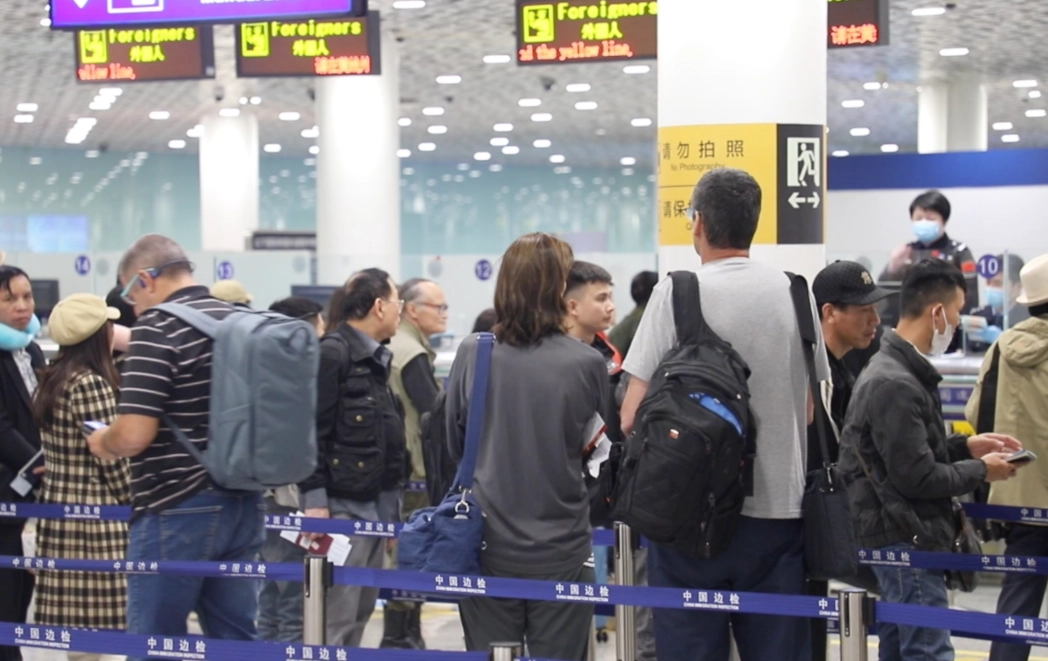
Step-by-Step: How to Get Your Transit Permit
No need to apply in advance. Just follow these steps at the airport:
- 1. Don't go to baggage claim first. Look for signs saying "24/144/240-Hour Visa-Free Transit" or ask airport staff. Usually it's before immigration counters.
- 2. Fill out a small arrival card. They'll ask for your flight number, onward ticket, and accommodation address in China. Have your hotel booking ready (printed or on phone).
- 3. Wait at the designated counter. An officer will check your passport, confirm your onward ticket, and take a photo. No fee is charged.
- 4. Get the stamp. They'll give you a temporary entry permit valid for the stated area and duration. Then you can go through immigration normally.
Now, here's a pain point: you need to show a confirmed hotel reservation. Not all booking sites print addresses clearly. I once had a client whose booking confirmation only said "Shanghai hotel" – the officer almost rejected him. Always bring a booking with full address and phone number. Use Trip.com – it's reliable for Chinese hotels.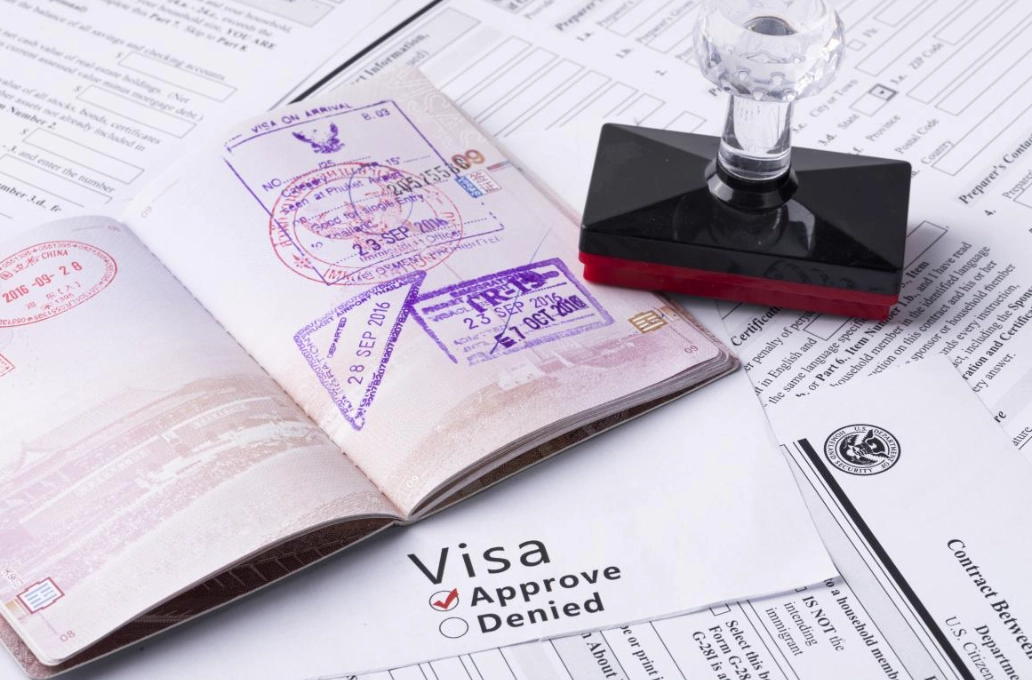
Sample Itineraries: 24, 48 and 72 Hours
Let's assume you land at Shanghai Pudong. Most clients have between 24 and 72 hours. Here's what I'd do with you:
24 Hours in Shanghai – The Whirlwind
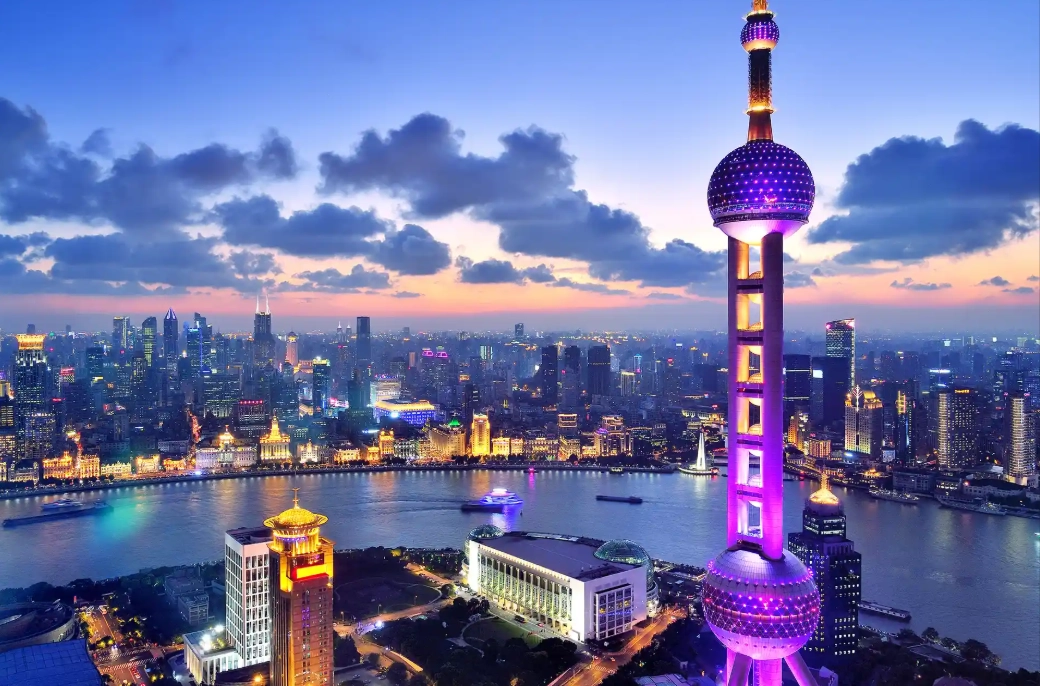
Land at 8 AM. Take the Maglev train to Longyang Road (7 min, 50 RMB). Then subway Line 2 to People's Square. Drop luggage at a nearby hotel (I often use JW Marriott Shanghai – 399 Nanjing West Road, +86 21 5359 0000). Head straight to The Bund for that iconic skyline view. Grab a quick soup dumpling at Din Tai Fung (3/F, 18 Zhongshan East 1st Road, reservation not needed). Afternoon: walk through Yu Garden (30 RMB entry, closes at 5 PM). Evening: Huangpu River cruise (120 RMB, 45 min). Next morning fly out. Packed but doable.
48 Hours – Add a Cultural Layer
Day 1 same as above. Day 2: Visit Shanghai Museum (free, advance booking via WeChat mini-program – a nightmare for foreigners. Instead, go early and use the English ticketing machine at the entrance; passport required). Spent 3 hours there. Lunch at a local noodle shop near the museum – try the 'Green God' (Lu Bo Lang) at 8 Yunnan Road, cash only! Afternoon: French Concession walking tour, starting at Wukang Road. Dinner at Lost Heaven (17 Yan'an East Road, average 250 RMB per person). Bar hop on the Bund.
72 Hours – Go Beyond the City
Take a day trip to Zhujiajiao Water Town. From Shanghai, drive 1 hour (DiDi about 200 RMB one way). Entry 80 RMB, gondola ride 120 RMB. Avoid weekends – it's a zoo. Return by 4 PM. On Day 3, visit Jing'an Temple (50 RMB, opens 7:30 AM) and then shop at Nanjing Road. Catch a flight or train to your next destination.
For other cities, adapt similarly. In Beijing, the Forbidden City requires reservation days in advance. Use Klook – they handle the passport booking for you. Address: 4 Jingshan Qianjie, Dongcheng District. Subway: Tiananmen East Exit B. Opens 8:30 AM, last entry 4 PM. Ticket 60 RMB (peak season).
Common Mistakes That Waste Your Time
- Mistake 1: Relying on Google Maps. It doesn't work reliably in China. Use Apple Maps or download Gaode Maps in advanced mode. I once had a couple stuck for an hour because their Google Maps showed a hotel that didn't exist.
- Mistake 2: Assuming cash works everywhere. China is cashless. You need Alipay or WeChat Pay linked to an international card. Set it up before you arrive – the airport free WiFi is slow. And bring a backup card.
- Mistake 3: Overpacking your itinerary. The transit time between attractions can be 40 minutes. Factor in security checks, tap water not drinkable, and bathroom breaks. I always say: plan for 3 things per day, not 6.
- Mistake 4: Forgetting your passport photocopy. Hotel check-in requires your passport. Some small hotels ask to keep it overnight – not safe. Carry a color copy instead.
FAQ – Your Pressing Questions Answered
Verified and fact-checked by the editorial team.







I've used 5 different online guides for China's visa-free transit, and this one is by far the most practical. The author actually flew through Kunming and tested the rules themselves—the photos of the signboards and the 'do not wander beyond the authorized zone' warning were exactly what I needed. Shared it with my travel group and we all breezed through customs. No complaints whatsoever. A must-bookmark!
Perfect read before my Hong Kong–Paris flight with a stopover in Chengdu. The section on calculating the stay period was super clear—I was paranoid about accidentally overstaying. The guide even listed which trains go directly from the airport to the Giant Panda Base, which I took and loved! Only thing: they could add a note about using WeChat Pay vs cash for small vendors near the transit area. Still, a 5-star resource.
Honestly a bit disappointed. The guide made it sound foolproof, but when I tried to use the 240-hour transit at Beijing Capital, the officer asked for an onward ticket that I had on my phone—they wanted a printed copy. The article didn't mention that some airports still require paper. Also my experience was that the queue for transit passengers was twice as long as regular immigration. Maybe I just had bad luck, but the guide overpromised.
Saved me a ton of visa fees! The guide clearly explained that I could use the 240-hour policy for my Guangzhou–Melbourne trip. I had a full day to explore Canton Tower and eat dim sum. The map recommendations for quick food spots near the airport were legit. Only tiny complaint—wish it included more details about metro connectivity from Baiyun Airport, but overall, solid resource.
This guide was a lifesaver! I flew into Shanghai Pudong with a 12-hour layover and was worried about the visa process. The step-by-step instructions on filling out the arrival card and where to queue were spot on. I was through immigration in under 20 minutes. The tip about having a printed hotel booking saved me from a potential hiccup. Highly recommend for anyone nervous about the 144-hour transit policy!