 Hui Lin
Quick Navigation
I've lost count of how many times I've walked through the gate of White Horse Temple with a group. Some travelers arrive expecting a grand replica of the Forbidden City, others worry it's just another dusty relic. But almost everyone leaves surprised. Let me break down exactly what makes this temple worth your time — and how to squeeze the most out of a visit.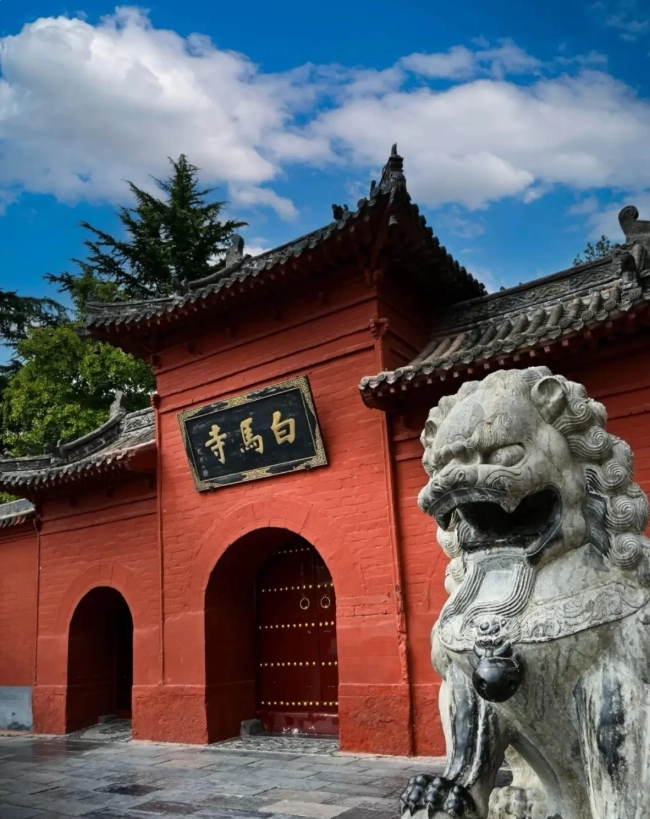
First Impressions: Why White Horse Temple Stands Out
White Horse Temple isn't the biggest, the oldest surviving structure (the current halls are Ming and Qing rebuilds), but it holds the title of China's first Buddhist temple — built in 68 AD. That origin story gives it a quiet, unpretentious vibe. You won't find glitzy golden statues everywhere. Instead, you get weathered stone, ancient pagodas, and a sense of history that feels tangible.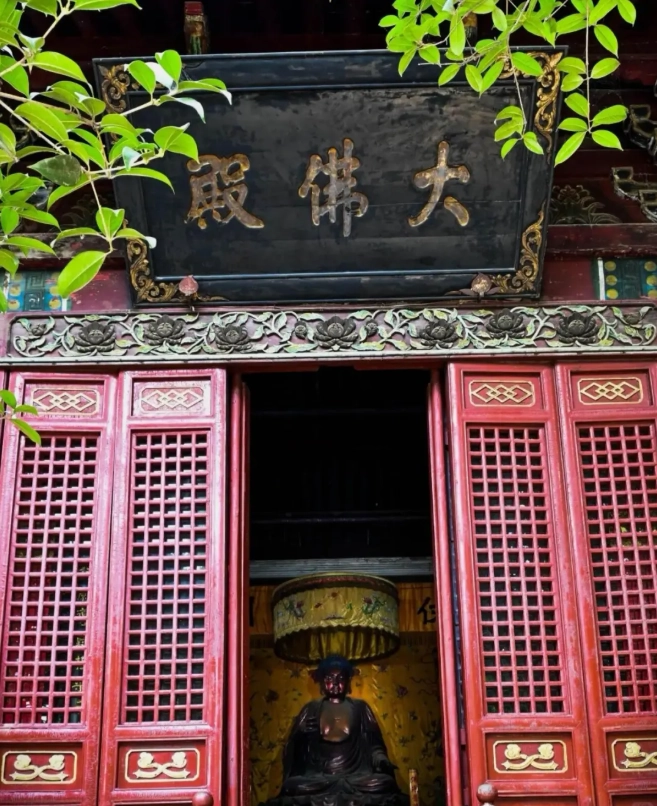
The name comes from the white horse that carried sutras from India. There's a lovely stone horse statue at the entrance — not the original, but a Yuan dynasty replacement. Most tourists snap a photo and move on, but the real magic happens deeper in.
What You Need to Know Before You Go (Practical Tips)
Ticket Prices & Booking
As of my last visit, the entrance was 35 RMB for adults. Children under 1.2 meters and seniors over 60 get free entry, but you'll need to show valid ID. Prices sometimes fluctuate during peak seasons, so I always tell my guests: "Before you Uber over, pull up WeChat, scan their official mini-program, and check the current price." No need to book in advance on normal days — you can buy at the gate. But during Chinese national holidays (May Day, October Golden Week), pre-booking through the mini-program saves you a 20-minute queue.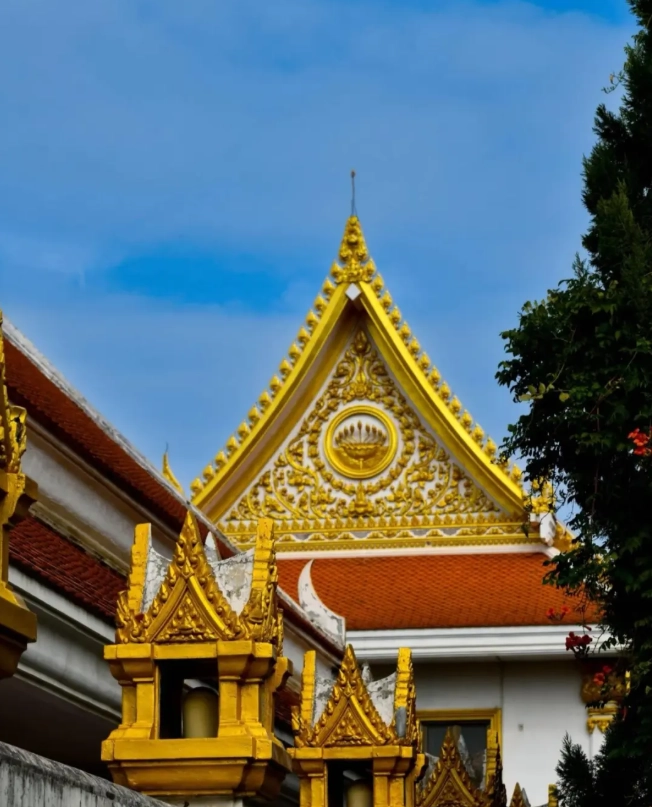
Opening Hours & Best Time to Visit
The temple opens daily from 7:30 AM to 7:00 PM (last entry at 6:30). Summer hours might extend to 7:30 PM. I recommend arriving between 3:00 PM and 4:00 PM. Why? The morning tour buses dump hundreds of people between 9-11 AM. By mid-afternoon, the crowds thin. Plus, the golden hour light hits the white marble pagoda beautifully.
How to Get There from Luoyang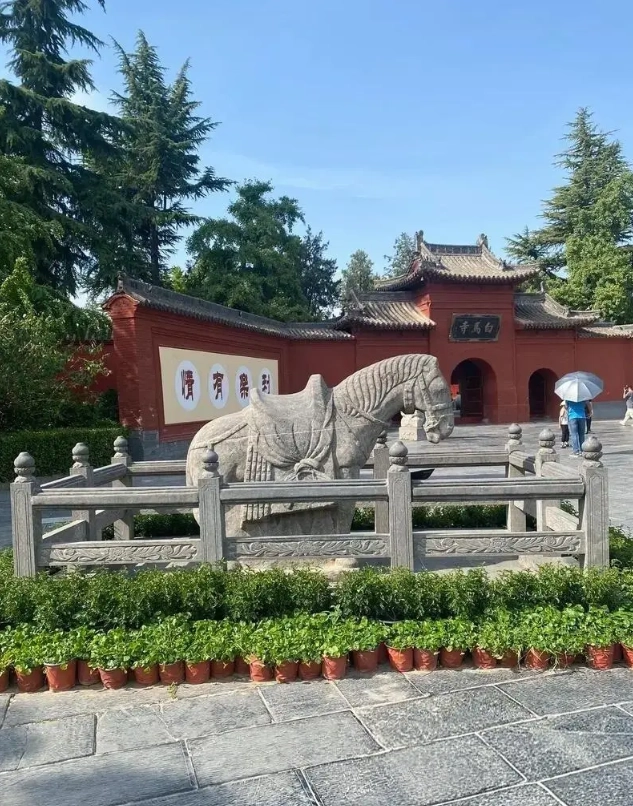
White Horse Temple sits about 12 km east of Luoyang city center. No metro line reaches it yet. Your best options:
| Method | Details |
|---|---|
| Bus 56 | From Luoyang Railway Station (east square). Get off at "Baima Si" stop. Takes ~40 min. 1 RMB. |
| Bus 58 | From Luoyang East Bus Station. Same stop. Frequency every 15 min. |
| Taxi/Didi | ~30-40 RMB from city center. 20-25 min. Get the driver to drop you at the main entrance, not the side parking lot. |
Pro tip: If you're coming from the Longmen Grottoes area (south of the city), take bus 81 to the railway station, then switch to bus 56. The direct route via DiDi is about 50 RMB.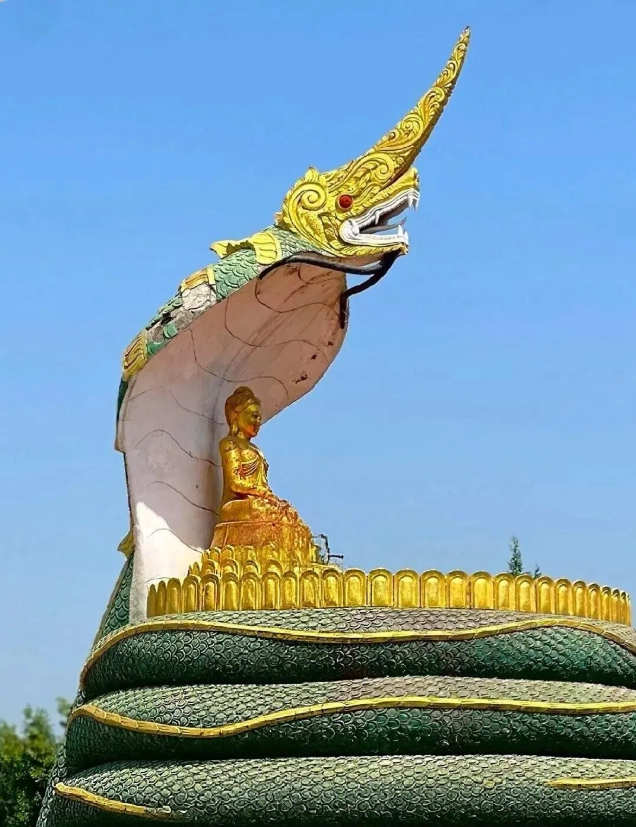
What to See Inside: A Walking Tour by a Local Guide
Once you pass through the ticket gate, follow the central axis. Here's what not to miss:
The Main Halls and the Pagoda
You'll see the Hall of the Heavenly Kings (first hall) — its statues are modern but fierce. Then the Great Buddha Hall, where the original sutras were kept. Most visitors rush through. I always stop at the Qiyun Pagoda, a 13-story Tang-style pagoda on the west side. It's not as tall as the Big Wild Goose Pagoda in Xi'an, but its brick texture and surrounding pine trees make it a photographer's dream.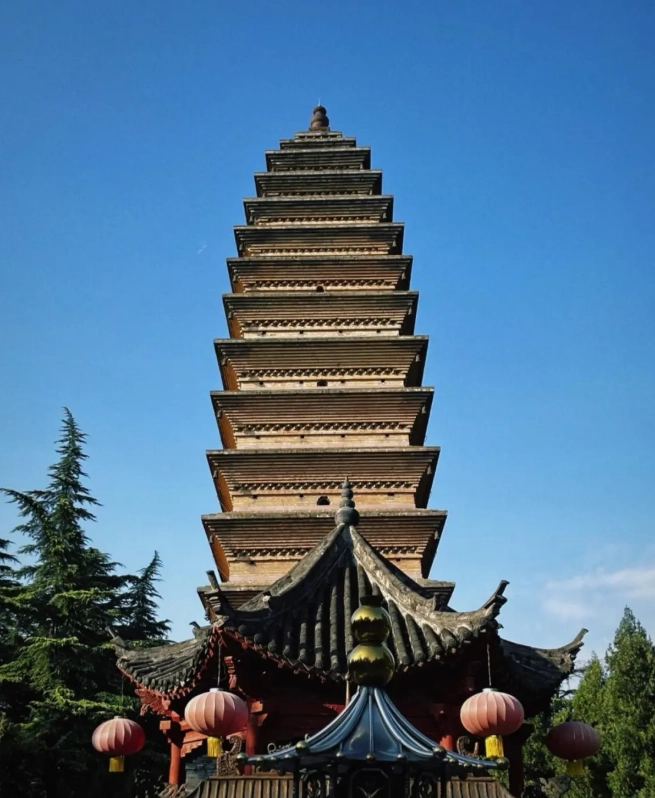
The Qiyun Pagoda (the "Other" White Horse)
Fun fact: This pagoda has a slight tilt — about 6 degrees. Locals call it "China's Leaning Tower." You can't climb inside, but the view from the base, especially with the setting sun casting long shadows, is worth the walk. I often see tourists skip it because it's off the main path. Don't.
The International Garden (Surprisingly Good)
A relatively new addition at the back: replicas of famous Buddhist temples from Thailand, India, Myanmar, and Nepal. Some purists dislike them, but honestly, they make a vivid contrast. The Thai-style pavilion with its golden spire pops against the Chinese gray brick. It's a solid spot for a diverse photo collection. Plus, it's usually empty after 5 PM.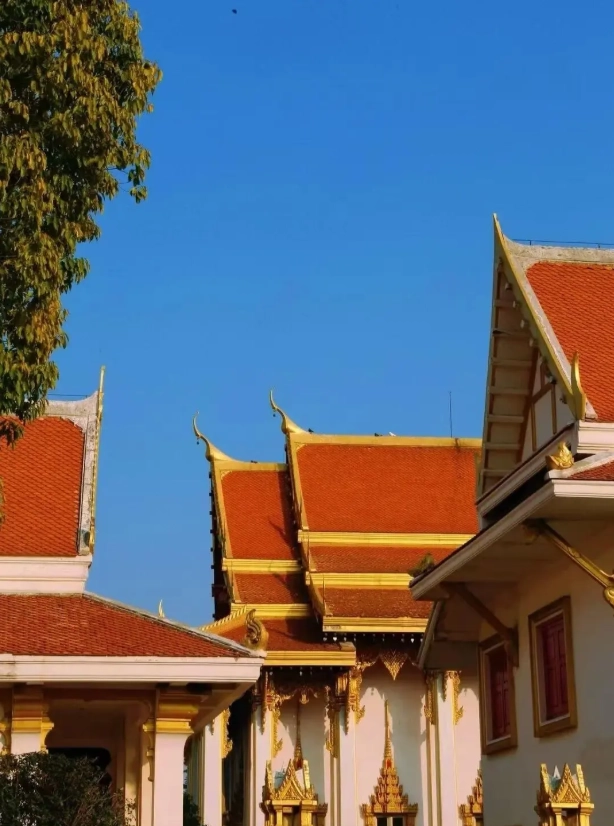
How Does White Horse Temple Compare to Other Chinese Temples?
| Temple | Age | Scale | Vibe | Crowds |
|---|---|---|---|---|
| White Horse Temple (Luoyang) | Built 68 AD (oldest) | Medium | Historic, quiet | Moderate |
| Shaolin Temple (near Luoyang) | ~495 AD | Large | Touristy, kung fu shows | Very crowded |
| Lingyin Temple (Hangzhou) | ~326 AD | Large | Scenic, forest setting | High |
| Jade Buddha Temple (Shanghai) | 1882 AD | Small | Urban, compact | Moderate |
White Horse Temple wins for historical significance and relaxed pace. It's ideal if you want to soak in ancient atmosphere without fighting selfie sticks.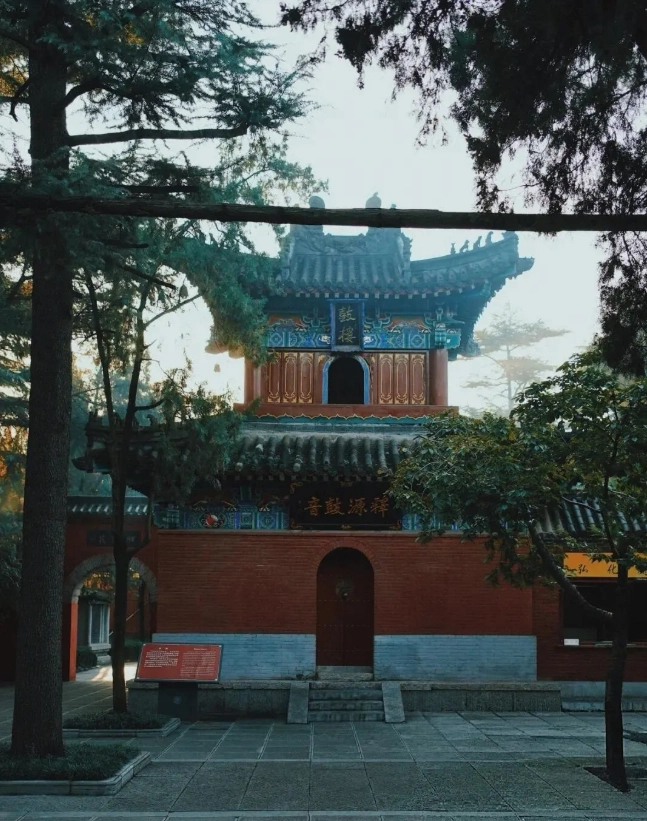
Is White Horse Temple Worth Visiting for Photography Enthusiasts?
Short answer: yes, but with caveats. The best shots come from:
- The Qiyun Pagoda at sunset (warm brick tones + golden light).
- The reflection pond near the main hall — on calm days you can mirror the roof.
- The Thai pavilion for vibrant colors.
What doesn't photograph well: the dimly lit interior halls (flash is forbidden). And the entrance area with souvenir stalls feels cluttered. Arrive with patience — wander 10 minutes off the main path and you'll find quiet corners with moss-covered sculptures that tell stories.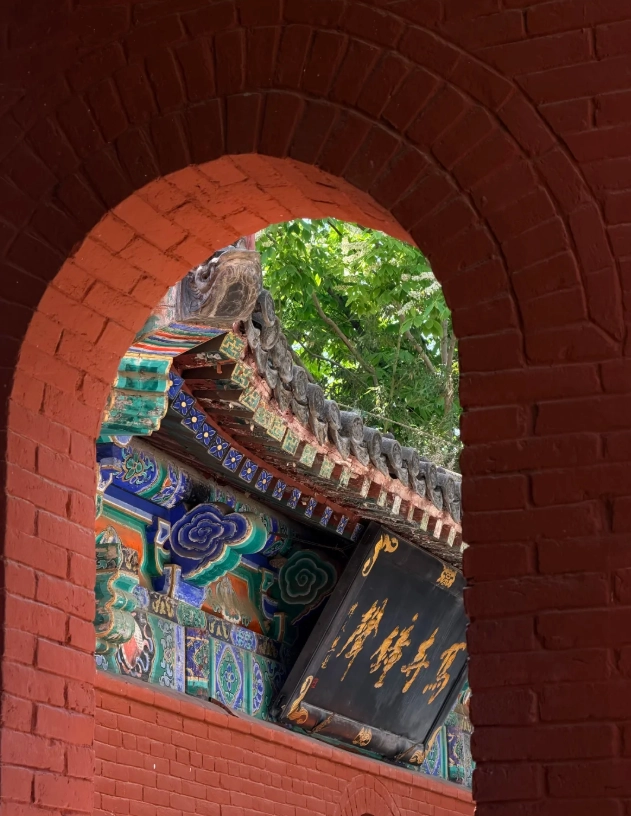
Common Mistakes Tourists Make (and How to Avoid Them)
- Going too early. The temple looks best in soft afternoon light. Morning light is harsh and casts sharp shadows on the buildings.
- Skipping the pagoda. I've seen people exit without knowing it existed. Make a left after the first hall.
- Not checking the toilet situation. The public restroom near the ticket office often has a line. Use the ones deeper inside near the International Garden — cleaner and empty.
- Bringing large backpacks. No lockers available. Travel light or be ready to carry it through narrow corridors.
- Ignoring the history. Read a bit about the temple's role in bringing Buddhism to China before you go. It transforms the experience from "old buildings" to "living history."
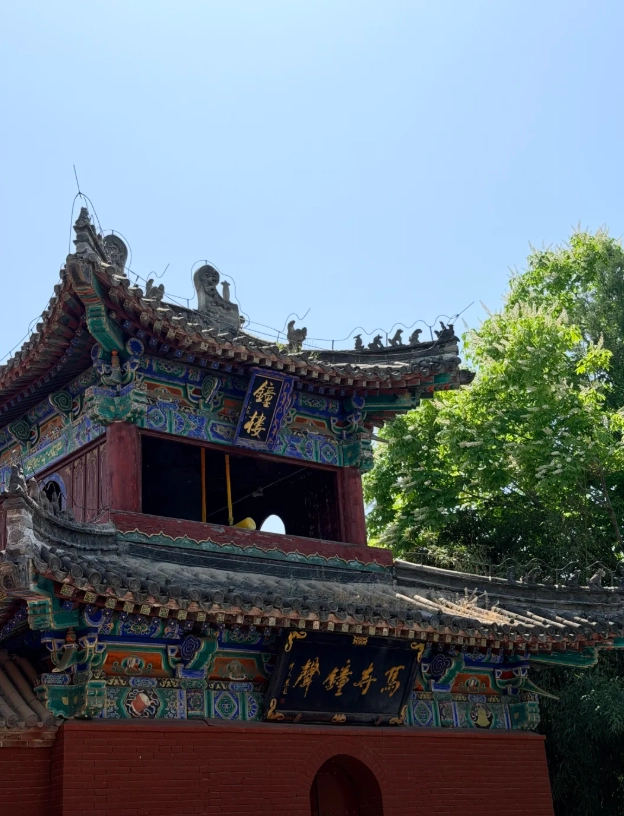
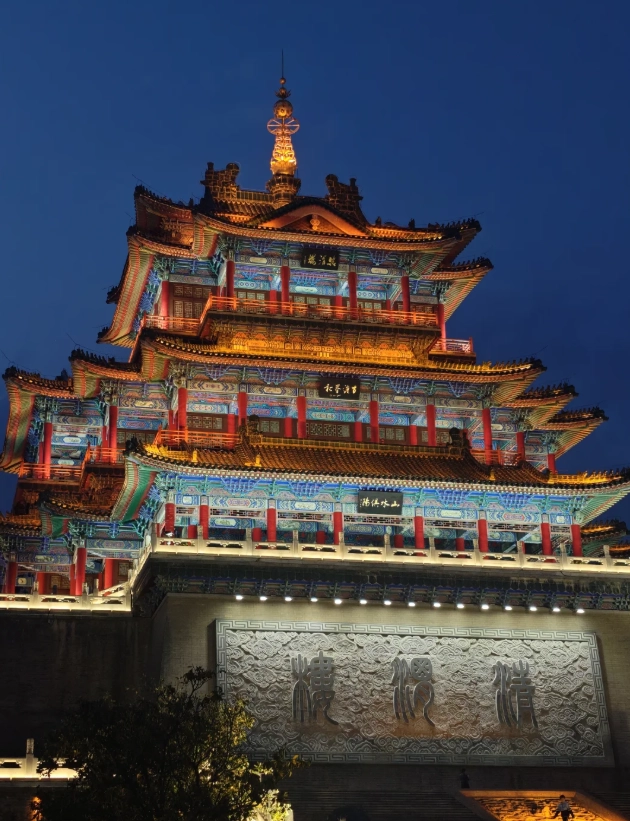
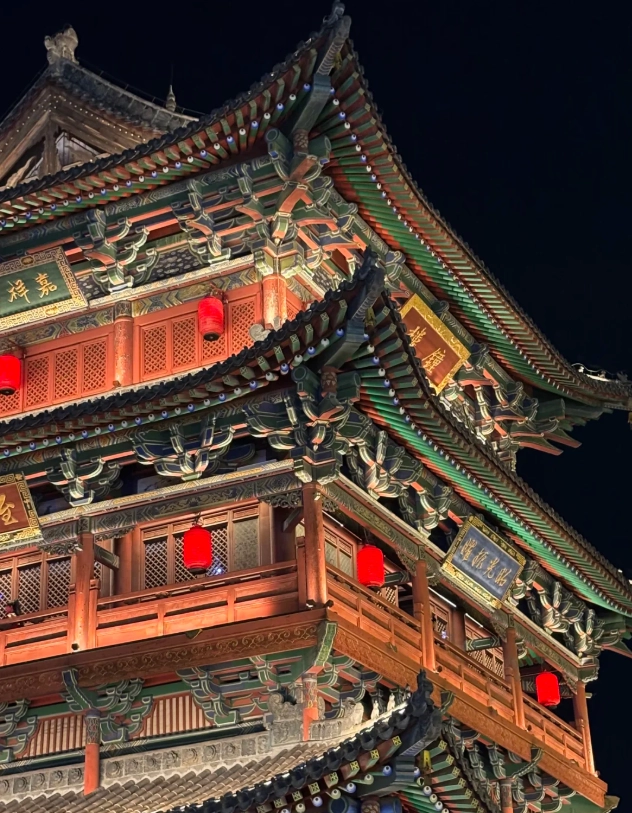
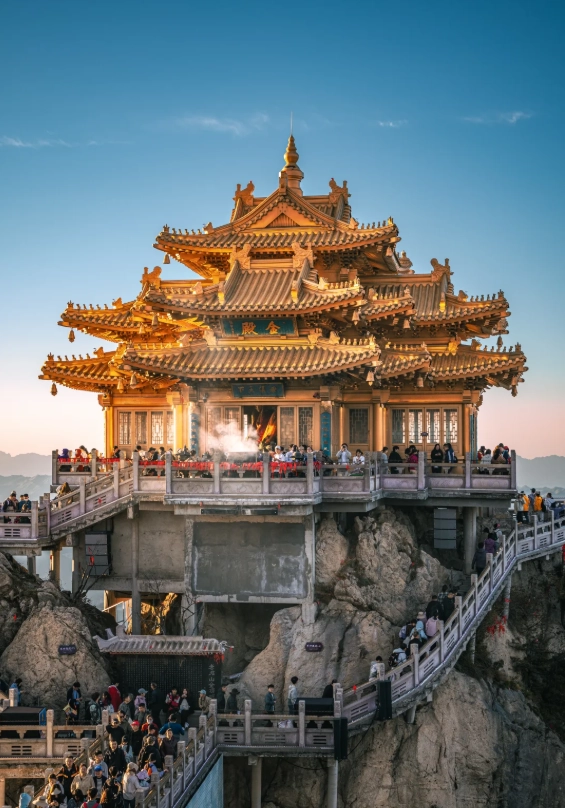





I’m not usually into temple-hopping, but White Horse Temple surprised me. The mix of Chinese, Indian, Thai, and Burmese architectural styles on one site is unique — it’s like a mini-UNESCO of Buddhist architecture. The lotus pond near the entrance was serene in late afternoon light. Only wish I had more time; an entire morning flew by. Highly recommend going early before the tour buses arrive.
This is where Buddhism first landed in China — how cool is that? The museum inside has a fascinating display of relics and old scriptures. I appreciated that the restoration didn’t feel too Disney-fied; you can still feel the age in the stone pathways and faded murals. Bring a guidebook or hire a local guide to fully appreciate the historical layers. Definitely a highlight of my Henan trip.
Absolutely loved it! The moment I walked through the main gate, the scent of incense and the sound of chanting transported me. The ancient brick pagoda is stunning, and walking past the monks’ quarters felt like stepping back in time. I spent hours just sitting under the ginkgo tree listening to the wind chimes. If you love history or just need a quiet escape from the city, this is the place. 5 stars all the way.
A solid experience overall — White Horse Temple definitely has historic charm, especially the original hall and the peony garden in spring. The Indian and Thai style temples on the side are a quirky bonus. My only gripe: the signage is mostly in Chinese, so non-Chinese speakers might miss the stories behind the statues. Still, if you’re in Luoyang, it’s worth a half-day trip.
Honestly, I was a bit let down. The temple grounds are sprawling but felt overly commercialized with souvenir stalls everywhere. The main pagoda is impressive, but the constant crowd and noise made it hard to soak in any spiritual vibe. Maybe I came on a bad day, but for the entrance fee I expected more peace and authenticity. Not terrible, but I wouldn’t rush back.