 Hua Sun
Quick Navigation
- Why Luoyang Deserves a Spot on Your China Itinerary
- Longmen Grottoes: The Crown Jewel (and How to Beat the Crowds)
- White Horse Temple: China's First Buddhist Temple
- Luoyang Museum: Ancient Treasures Without the Tourist Hordes
- Peony Gardens: The Ultimate Spring Spectacle
- Shaolin Temple Day Trip: Worth It or Overhyped?
- FAQ: Your Burning Questions Answered
I've been guiding travelers through China for over a decade, and Luoyang remains one of my favorite stops. The city packs an insane amount of history—it was capital to nine dynasties—yet most tourists rush through in a day. Here's the truth: if you only hit the famous Longmen Grottoes and then leave, you're missing 70% of what makes Luoyang special. Let me walk you through the must-visit places in Luoyang, with the exact timing, routes, and local hacks I've learned from hundreds of trips.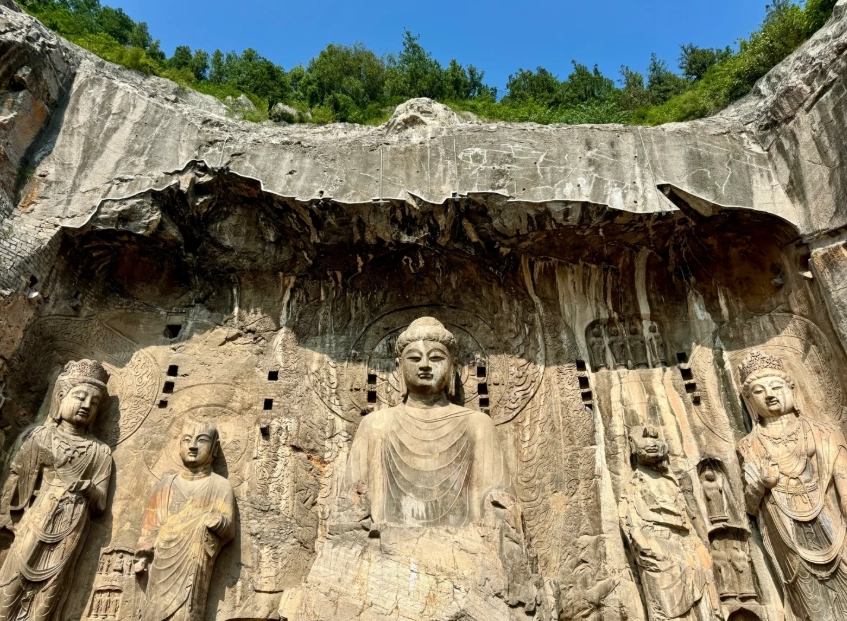
Why Luoyang Deserves a Spot on Your China Itinerary
It's not just about ticking off a UNESCO site. Luoyang gives you a glimpse into ancient Chinese civilization without the suffocating crowds of Beijing or Xi'an. The food scene is wildly underrated—I'm talking silky beef soup and crispy flatbreads that cost less than $2. And the peony? The city goes nuts for them every April. But here's the catch: you need to plan your timing and know which places legitimately deserve your time. I've seen too many travelers waste hours on mediocre attractions because they followed outdated guidebooks.
Longmen Grottoes: The Crown Jewel (and How to Beat the Crowds)
You can't say you've been to Luoyang without seeing the Longmen Grottoes. Over 100,000 Buddhist statues carved into limestone cliffs—it's staggering. But most visitors make a painful mistake: they show up at 11 AM, bake in the sun, and fight for selfie space.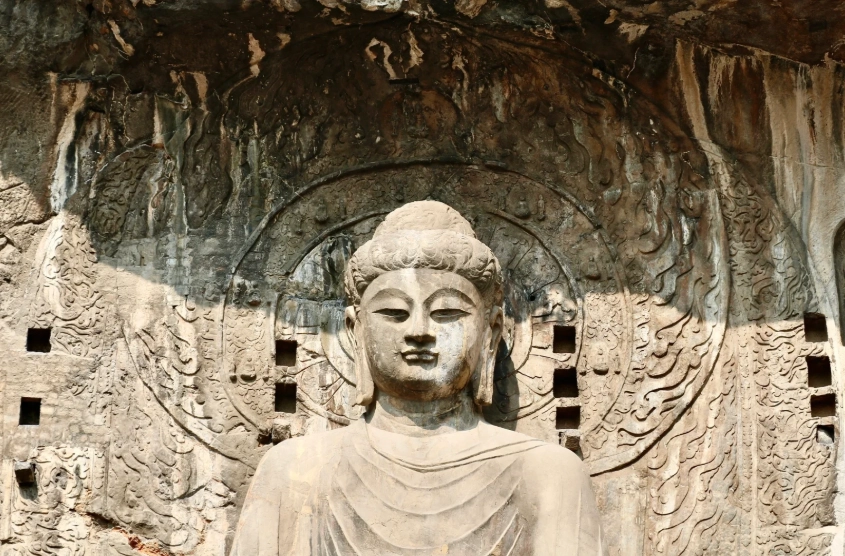
My Insider Game Plan
Timing: Arrive at 7:30 AM—the gates open at 8:00, but the line forms early. I always tell my groups: be at the ticket counter by 7:45. You'll walk into near-empty paths, and the morning light hitting the largest statue (the Vairocana Buddha) is pure magic. By 10 AM, the bus groups roll in, and that's your cue to head to the far side of the Yi River for a completely different perspective.
Ticket Info: As of my last visit, adult tickets were around 90 RMB (about $12). They often have discounts for students and seniors, but the rules change—always scan the official Longmen Grottoes WeChat mini-program to book in advance. No need to print; your passport is enough.
Transportation: Take subway Line 2 to Longmen Station, exit from Gate C. You'll be at the south entrance in under 5 minutes on foot. Avoid taxis during rush hour—the traffic on Longmen Avenue can add 20 minutes easily.
Don't Miss: The Bingyang Sanyang (Three Binyang Caves) have the most vivid carvings. And the Lotus Cave? Few people go there because it's a bit of a climb, but the ceiling lotus pattern is exquisite. Bring water—there are vendors but they charge triple.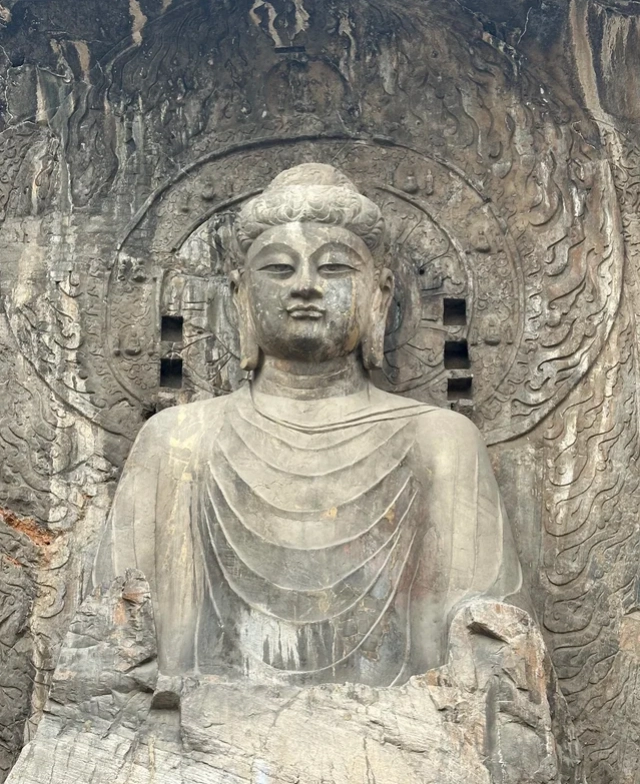
White Horse Temple: China's First Buddhist Temple
Founded in 68 AD, this is the birthplace of Chinese Buddhism. The architecture is a mix of Ming and Qing styles, and the gardens are serene—but here's what most guides won't tell you: the international section (with Thai, Indian, and Burmese temples) is a little tacky but makes for fun photos. The real gem is the original Qiyun Pagoda, dating back to the 12th century. Climb to the top for a view over the temple complex—the staircases are narrow and steep, but worth it.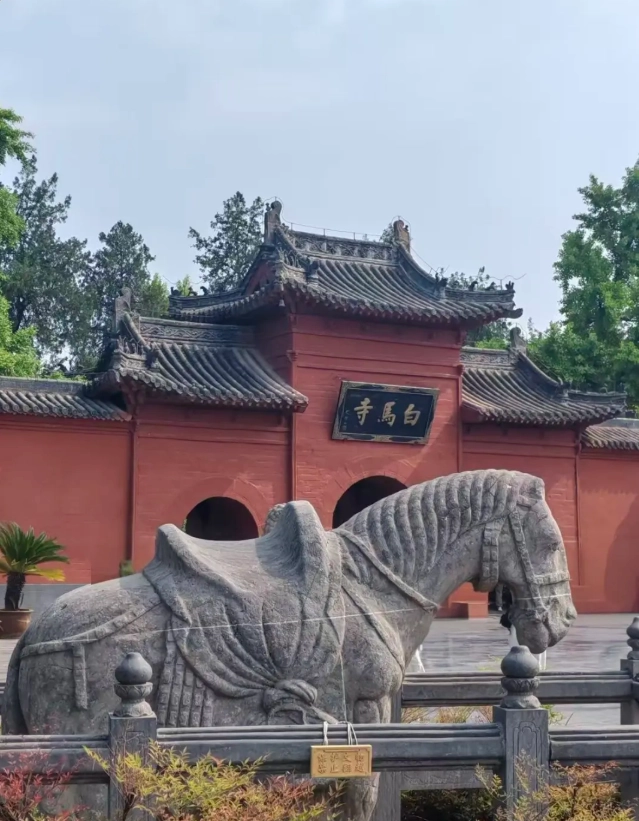
Practical info: Entry is 35 RMB. Take bus 56 or 58 from the city center—about 40 minutes. Give yourself 2-3 hours. If you're short on time, skip the international temples and focus on the ancient halls.
Luoyang Museum: Ancient Treasures Without the Tourist Hordes
If you only have time for one museum in Luoyang, this is it. The collection rivals Xi'an's but without the queues. Highlights include the Lacquer Coffin of Prince of Lu (2,000-year-old intricate carvings) and a jaw-dropping display of Tang dynasty ceramics. Admission is free—you just need to reserve a slot via the official WeChat account. Bring your passport.
Where to find it: It's a bit out of the way—take subway Line 2 to Wenhuayuan Station, then walk 10 minutes through a park. The building itself is modern, but the artifacts inside are ancient. Plan for 1.5-2 hours.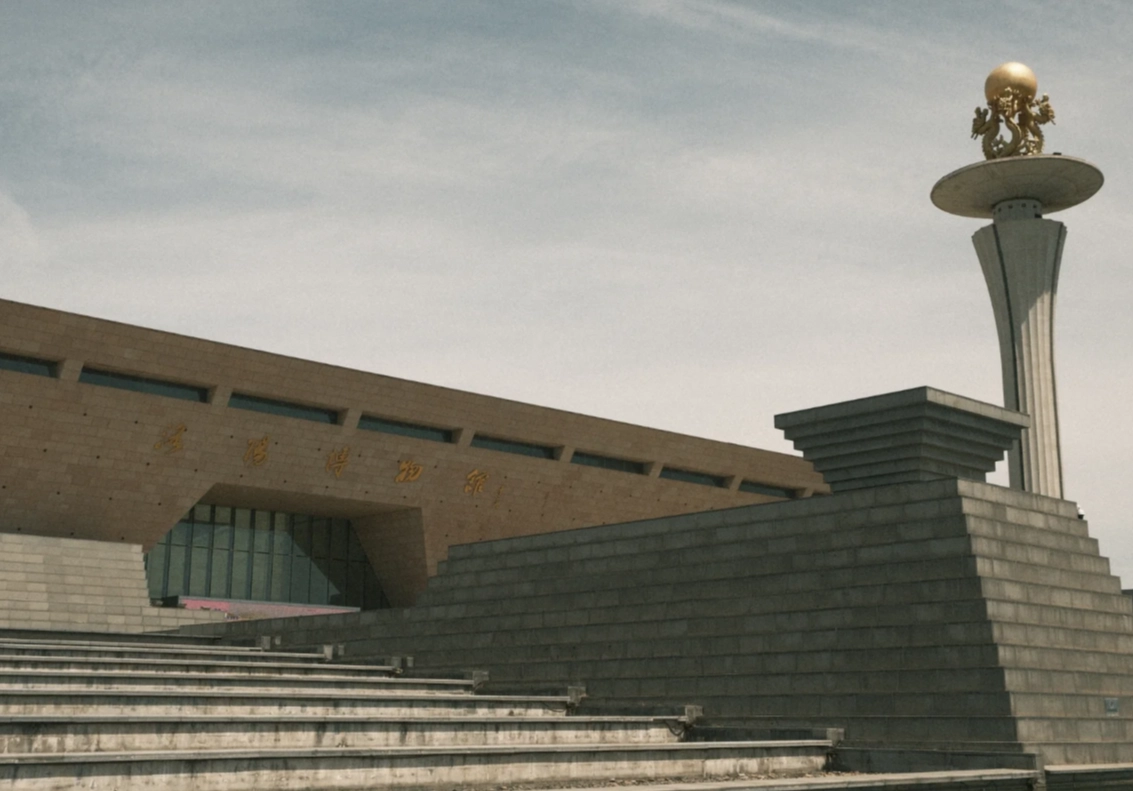
Peony Gardens: The Ultimate Spring Spectacle
Luoyang is the peony capital of China. If you're visiting between early April and early May, you absolutely must go to a peony garden. There are several, but I recommend Luoyang National Peony Garden (the largest) or Wangcheng Park (more central). Tickets are around 30-50 RMB depending on the peak of bloom. The gardens get packed on weekends—go on a weekday morning. And don't bother with the greenhouse varieties; the real beauty is in the outdoor fields where the peonies are planted in massive color blocks.
One thing most tourists don't know: there's a peony festival parade with traditional costumes and music, usually on the first Saturday of April. Check the local events calendar—it's a riot of color.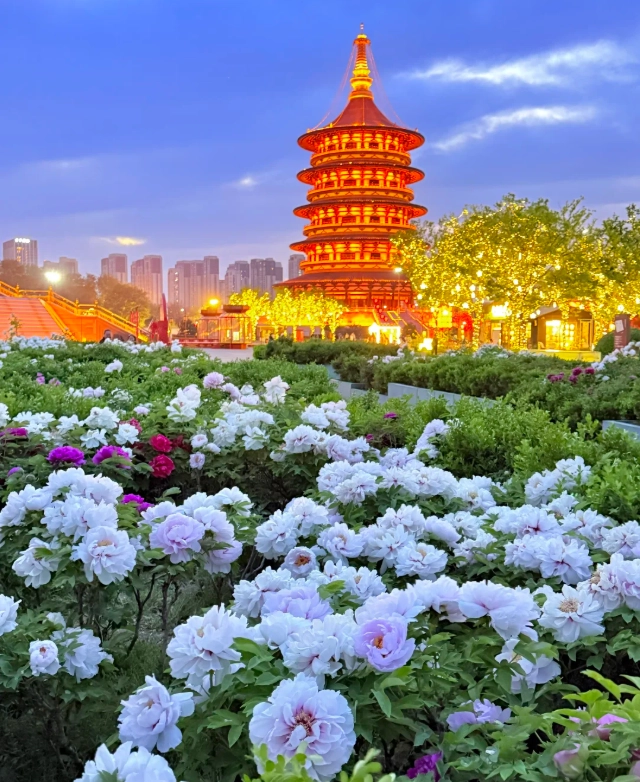
Shaolin Temple Day Trip: Worth It or Overhyped?
Shaolin Temple is about 1.5 hours from Luoyang by bus. Every tourist asks me: is it worth the trip? My honest answer: it depends. If you're into kung fu culture, yes. If you're expecting a quiet meditative monastery, prepare for disappointment—it's a massive tourist attraction now, with crowds and souvenir shops. The kung fu show (included in the 100 RMB ticket) is genuinely impressive—those little monks can fly. But the temple itself feels commercialized. I'd say go only if you have a full day to spare and pair it with the nearby Songshan Mountain hiking trails. Otherwise, spend that time exploring Luoyang's lesser-known alleys.
Getting there: Take bus from Luoyang Long-distance Bus Station (about 25 RMB). Or hire a private car for around 300 RMB round trip—I usually split this with 2-3 other travelers.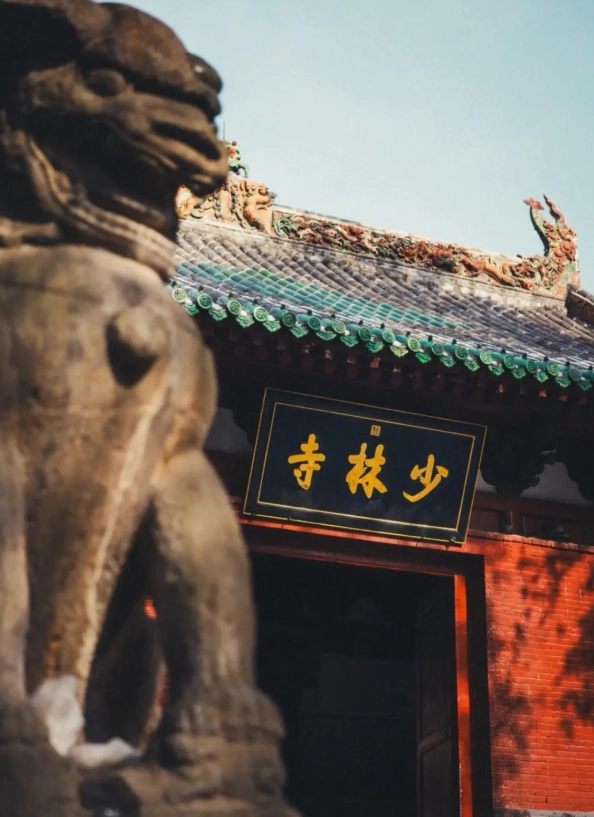
FAQ: Your Burning Questions Answered
Verified and fact-checked by the editorial team. This content has been fact-checked to ensure informational precision.






I was a bit skeptical about a guided tour because I usually DIY, but this completely changed my mind. Our guide, Mr. Chen, was like walking with a walking encyclopedia — in a good way. He knew exactly when to visit each site to avoid the rush. We saw the White Horse Temple before the tour buses arrived, and the peony garden was almost empty. The little tea house stop was a perfect break. I felt like I got the real Luoyang, not just the postcard version. 5 stars!
If you want to experience Luoyang like a local, book this tour. Our guide was incredibly passionate and showed us the ancient city walls at sunset while explaining the Tang Dynasty history — no crowds, just us and the breeze. The highlight was the Silk Road Museum alternative he recommended instead of the crowded one. Plus, he helped us bargain for souvenirs in the market. Smart, fun, and authentic. Can’t recommend enough!
This was the highlight of our China trip! Our guide Leo knew all the back alleys and hidden corners of Luoyang. We started at the Longmen Grottoes at 7am and practically had the place to ourselves — the morning light on the Buddha statues was surreal. He also took us to a tiny family-run museum that wasn’t in any guidebook. The fresh-made biangbiang noodles for lunch? Unforgettable. Absolutely worth every penny. 5/5 without hesitation.
A solid tour with some genuine highlights. Our guide, Lily, was friendly and her backstory about the White Horse Temple added depth, but the 'skip the crowds' aspect only really worked in the morning — by lunchtime it got packed everywhere. The local noodle spot she took us to was fantastic though, and we avoided the worst tourist traps. For 4 stars, I’d say it’s worth it if you’re short on time and want a curated experience, just don’t expect zero crowds.
Honestly, I had high hopes for this tour given the 'skip the crowds' promise, but our guide seemed rushed and didn’t know much about the quieter spots. We still ended up in the main queues at Longmen Grottoes for over an hour. The afternoon at the Old Town was better, but overall felt overpriced for what we got. Wouldn’t necessarily recommend unless you really want a local guide just for transportation.