.jpeg) Mike Sun
Mike Sun
Quick Navigation
- Why Timing Matters in Luoyang
- Spring (March–May): Peony Season and Perfect Weather
- Summer (June–August): Hot but Manageable
- Autumn (September–November): Golden Season for Sightseeing
- Winter (December–February): Fewer Crowds, Lower Prices
- Luoyang Peony Festival: Everything You Need to Know
- Monthly Breakdown: Best Times for Each Attraction
- How to Plan Your Trip Based on Your Priorities
- FAQ
I’ve been dragging tours through Luoyang for more than a decade, and the one question I hear every single time: “When should we come?” Get it right, and you’ll be rewarded with peonies in full bloom, empty walkways at Longmen Grottoes, and a vibe that feels almost private. Get it wrong—well, I’ve seen families stuck in a 40-minute queue under 38°C heat, or arriving just after the peonies have dropped. Let’s skip the guesswork. Here’s my straight-up, experience-based breakdown of the Luoyang best time to visit.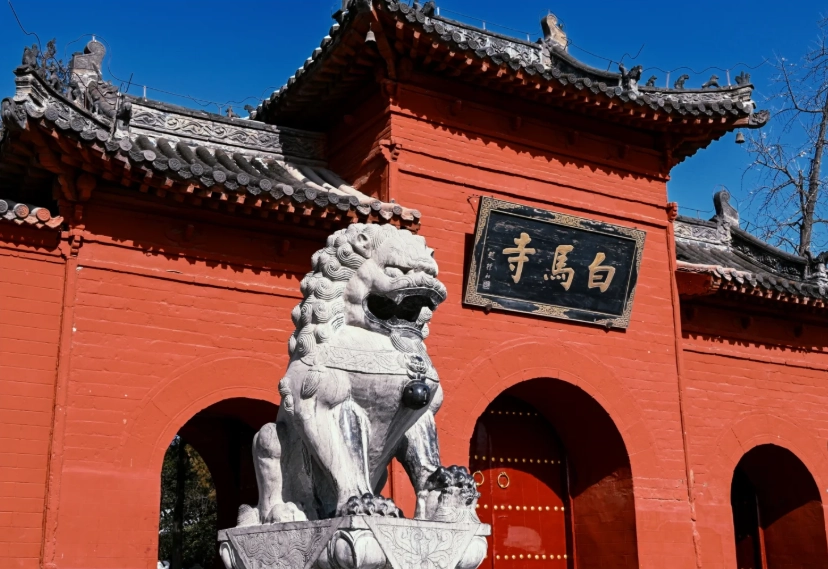
Why Timing Matters in Luoyang
Luoyang is a city of extremes—temperature extremes and crowd extremes. Summer can feel like a sauna (I’ve had tourists faint at the White Horse Temple), while winter is dry and cold but eerily serene. The Peony Festival in April draws millions, turning hotel prices into a roller coaster. But the good news? With a little planning, you can align your visit with your priorities: blooming flowers, comfortable weather, or zero crowds. I’ll give you the raw truth, not the brochure version.
Spring (March–May): Peony Season and Perfect Weather
This is, hands down, the Luoyang best time to visit for most travelers. Spring here is magical—temperatures hover around 15–25°C, the city explodes with peonies, and the air smells like damp earth and blossoms. I once brought a family from Texas in mid-April, and the mom literally cried when she saw the peony garden at Luoyang National Peony Garden (地址: No. 1, Airport Road, Laocheng District). She’d never seen so many colors in one place.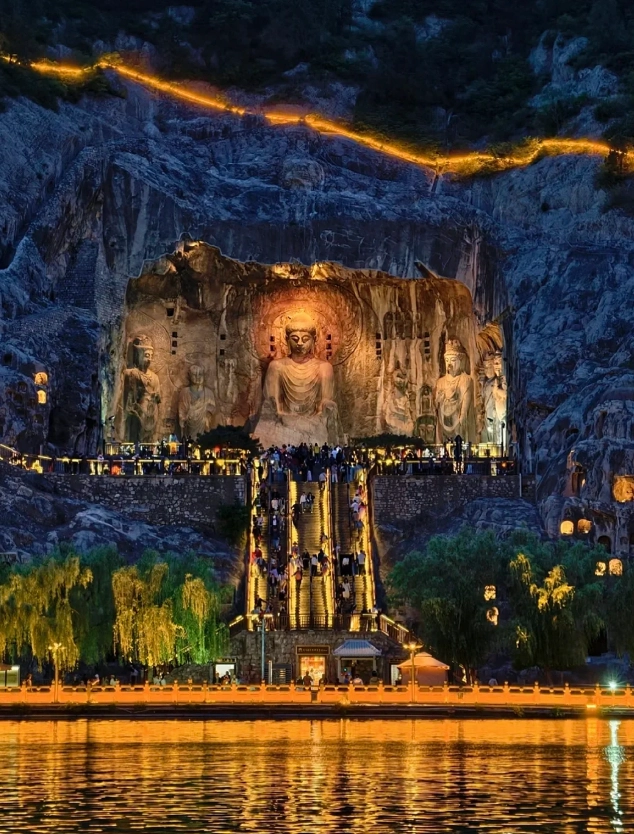
Peony Festival (April 1 – May 10)
The festival is the main event. Most gardens hit peak bloom around April 10–25, but it varies slightly by variety. Ticket prices during the festival: 60–80 RMB for adults (kids under 1.2m free, but I always tell parents to measure beforehand—I’ve seen arguments at the gate). You can buy tickets on WeChat mini-programs like “洛阳旅游” or at the gate, but the queue can be 20 minutes long. Hours: 7:00 AM – 6:30 PM (last entry 5:30 PM). To avoid the herd, go on a weekday at 7:30 AM sharp—you’ll have the garden almost to yourself until about 9:00 AM.
One thing that bothers me: most English guides tell you to visit Wangcheng Park for peonies. Sure, it’s famous, but it’s also packed. My personal pick is Shenzhou Peony Garden right opposite the White Horse Temple. Fewer tourists, better photo ops, and you can combine it with the temple visit.
Summer (June–August): Hot but Manageable
Let’s be real: summer in Luoyang is brutal. Temperatures regularly hit 35–40°C, and the humidity will glue your shirt to your back. I remember dragging a group of Australians through the Longmen Grottoes in July; one guy tried to buy ice cream from every vendor we passed. That said, if you’re on a budget or must travel during school breaks, summer can work—if you’re smart.
How to survive summer: Start your sightseeing at dawn. The grottoes open at 8:00 AM; be at the gate by 7:45 AM. You’ll have the West Hill caves (the main section) mostly to yourself until 10 AM, when the tour buses roll in. By noon, flee to an air-conditioned spot like the Luoyang Museum (free admission, but you need a reservation on WeChat). The museum is world-class—don’t skip it.
Evening walks along the Luo River are pleasant, and the night market at Lijingmen is buzzing. But seriously, plan for a midday siesta.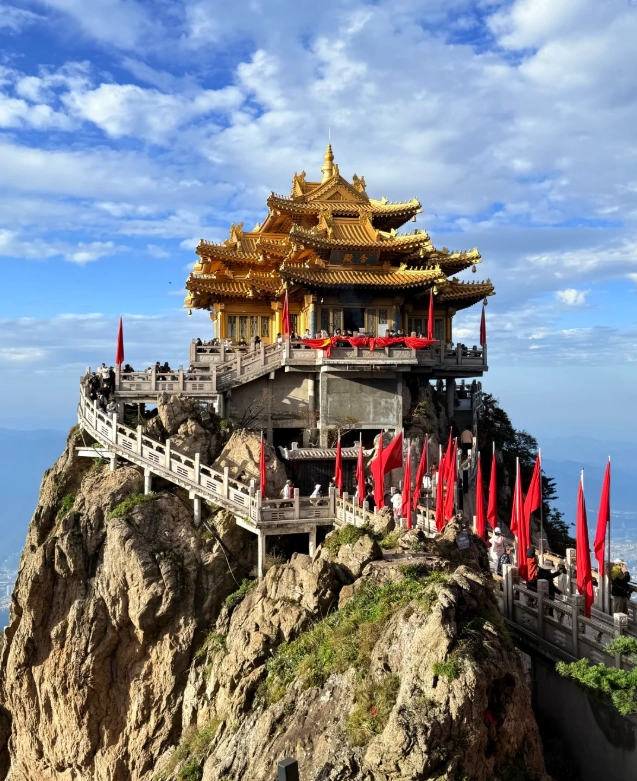
Autumn (September–November): Golden Season for Sightseeing
In my opinion, autumn is the second-best time (after spring) for Luoyang. The heat breaks in late September, and the sky turns a crisp blue that makes the Longmen Grottoes look like a postcard. October is especially glorious—temperatures around 15–25°C, and the peonies? No, they’re gone. But the autumn colors at Baima Temple and Guanlin Temple are stunning.
Crowds in autumn: The National Day holiday (Oct 1–7) is a nightmare—avoid it at all costs. I once made the mistake of taking a group to Longmen on Oct 2 and we spent three hours in line for the cable car. Outside that week, crowds are thin, and hotel prices drop by half compared to spring.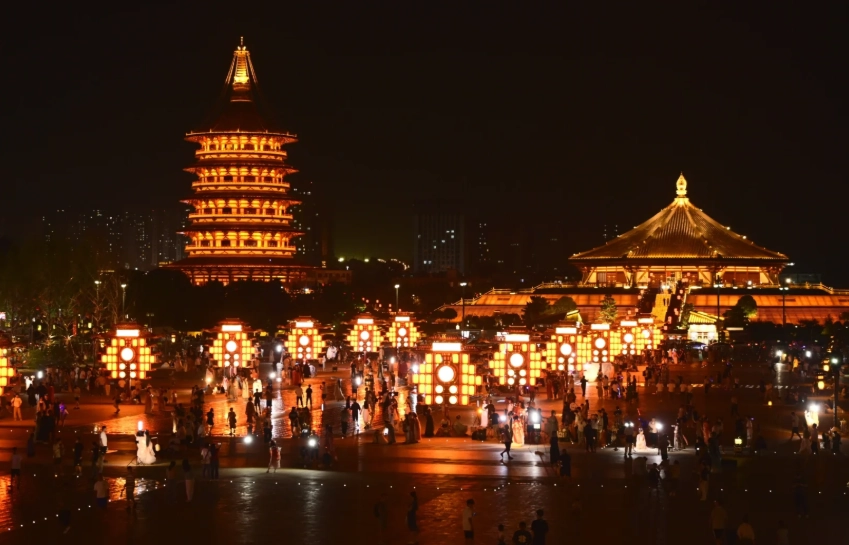
Winter (December–February): Fewer Crowds, Lower Prices
Winter is the secret weapon for seasoned travelers. It’s cold (0–10°C), and sometimes it snows, which makes the ancient architecture look even more dramatic. The absolute biggest advantage? You’ll have the major sites nearly to yourself. I took a couple from Germany here in January, and we walked through Longmen Grottoes with maybe 20 other people. The photos were magazine-quality.
Things to know: Many outdoor attractions close early in winter—Longmen shuts at 5:00 PM (last entry 4:00 PM). The Luoyang Museum stays open, and it’s a great refuge. Also, the Old Town (Laocheng) has fewer street food stalls, but the ones that remain are authentic. Try the “Luoyang Water Banquet” (a 24-course soup feast) at Zhen Bu Tong restaurant—it’ll warm you up.
Prices: Hotel rates drop 30–50% from spring peak. Flights from Beijing or Shanghai are cheap too. If you don’t mind bundling up, winter is the Luoyang best time to visit for peace and quiet.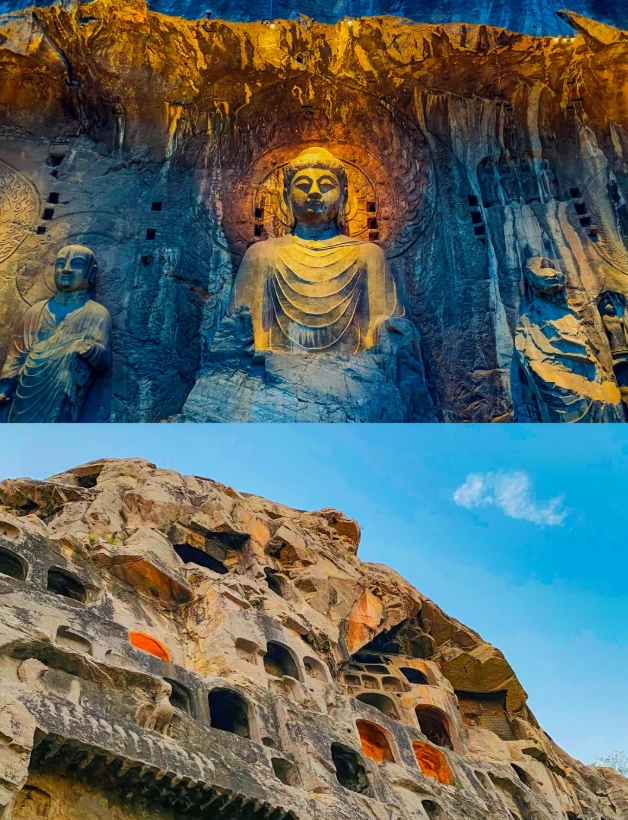
Luoyang Peony Festival: Everything You Need to Know
The festival runs from April 1 to May 10, but the peak bloom window is narrow. Here’s my cheat sheet:
| Garden | Peak Bloom (approx.) | Adult Ticket |
|---|---|---|
| Luoyang National Peony Garden | April 10–20 | 60 RMB |
| Shenzhou Peony Garden | April 12–22 | 50 RMB |
| Wangcheng Park | April 8–18 | 40 RMB |
| International Peony Garden | April 15–25 | 60 RMB |
My tip: Don’t go to Wangcheng Park on weekends unless you enjoy being in a human swarm. I always send my clients to Shenzhou or the National Garden on a Tuesday morning.
Monthly Breakdown: Best Times for Each Attraction
I’ve put together a quick month-by-month guide based on over a decade of leading tours. Use it as a cheat sheet.
| Month | Weather | Crowds | Best For |
|---|---|---|---|
| March | Cool, 10-18°C | Low | Early blooms (limited), museum visits |
| April | Mild, 15-25°C | Very High | Peonies (peak 10-20th) |
| May | Warm, 20-30°C | Medium-High | Peonies late bloom, Longmen |
| June | Hot, 25-35°C | Medium | Early mornings at sites |
| July | Very Hot, 30-40°C | High (school breaks) | Museum, night markets |
| August | Very Hot, 30-40°C | High | Same as July |
| September | Warm, 20-30°C | Medium | Longmen, Baima Temple |
| October | Mild, 15-25°C | High (1st week) | Autumn colors, avoid 1-7 |
| November | Cool, 10-18°C | Low | Museum, ancient sites |
| December | Cold, 0-10°C | Very Low | Quiet exploration, cheap hotels |
| January | Cold, 0-8°C | Very Low | Same as December |
| February | Cold, 2-12°C | Low (post-CNY) | Gradual warming, early spring |
How to Plan Your Trip Based on Your Priorities
If you’re still on the fence, here’s my personal decision guide: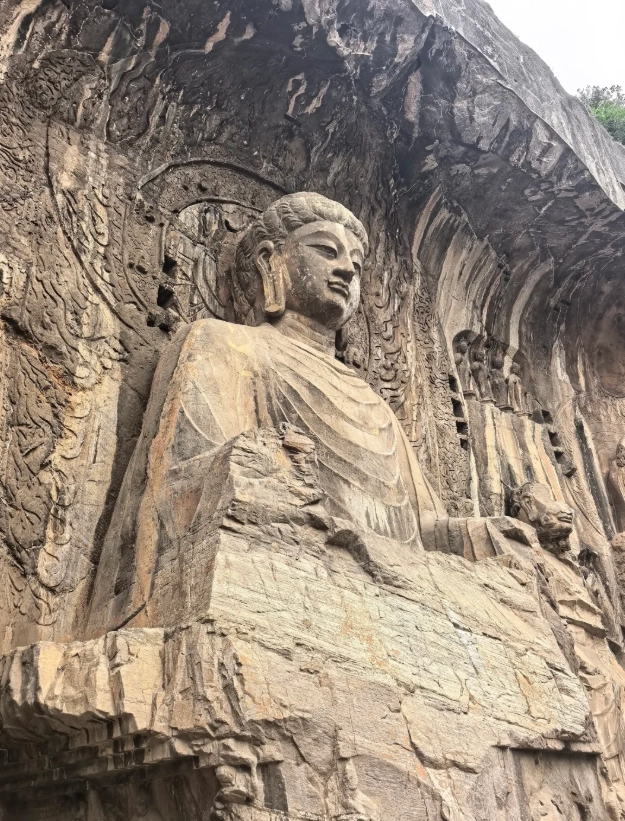
You want to see peonies? Come April 15–22. Book hotels and train tickets at least one month ahead—prices spike 50%.
You hate crowds but want decent weather? Late September or early November. You’ll miss peonies, but Longmen and the museum will be blissfully quiet.
You’re on a shoestring budget? December or January. Hotel rooms under 200 RMB, and you can bargain at the old town market.
You love photography? Early morning in April for peonies (golden hour at 6:30 AM), or late afternoon in October for golden light on the grottoes.






This was the highlight of our Henan trip. We went in late March just as the early peonies were opening. Not all varieties were out yet, but the lack of crowds more than made up for it. We could stroll through the gardens, sit on benches, and just soak in the spring air. The peony ice cream was a fun bonus too!
I followed the 'beat the crowds' advice and came on a rainy morning. Best idea ever! Only a handful of people around, and the raindrops on the petals made for gorgeous photos. The peonies were at full bloom — huge, fragrant, and absolutely breathtaking. If you love nature photography, this is the perfect time.
Absolutely the best decision I made this trip. Arrived on a Tuesday in mid-April and had entire sections of the peony garden almost to myself. The colors were unreal — deep reds, soft pinks, and even rare green peonies. Staff were friendly and the whole experience felt peaceful. Can't recommend enough!
Visited late April and caught the tail end of the peony festival. The crowds had thinned out nicely, but some flowers were already wilting. The city itself is lovely and the historical sites are incredible. Just wish I'd timed it a week earlier. 4 stars because the Luoyang Museum was a pleasant surprise.
Came here in early April thinking it would be peak bloom, but it was way too crowded. The peonies were stunning, but I spent more time queuing for photos than actually enjoying them. If you want to see the flowers without the chaos, go mid-week and skip the main garden. Still worth it if you're patient.