 Su Lin
I’ve been guiding tours in Luoyang for over a decade, and I still get a thrill every time I walk out of the subway at Longmen Station and see those cliffs emerge. But honestly — most English guides miss the real flavor. They’ll tell you to ‘see the Big Wild Goose Pagoda’ (wrong city!) or recommend a ‘traditional street’ that’s basically a shopping mall. So let me save you the trouble.
Here’s the raw truth: Luoyang is old — over 4,000 years of history, capital of 13 dynasties. But it’s not a museum. It’s a living, breathing city where locals still go for morning runs along the ancient city wall and slurp beef soup before 9 a.m.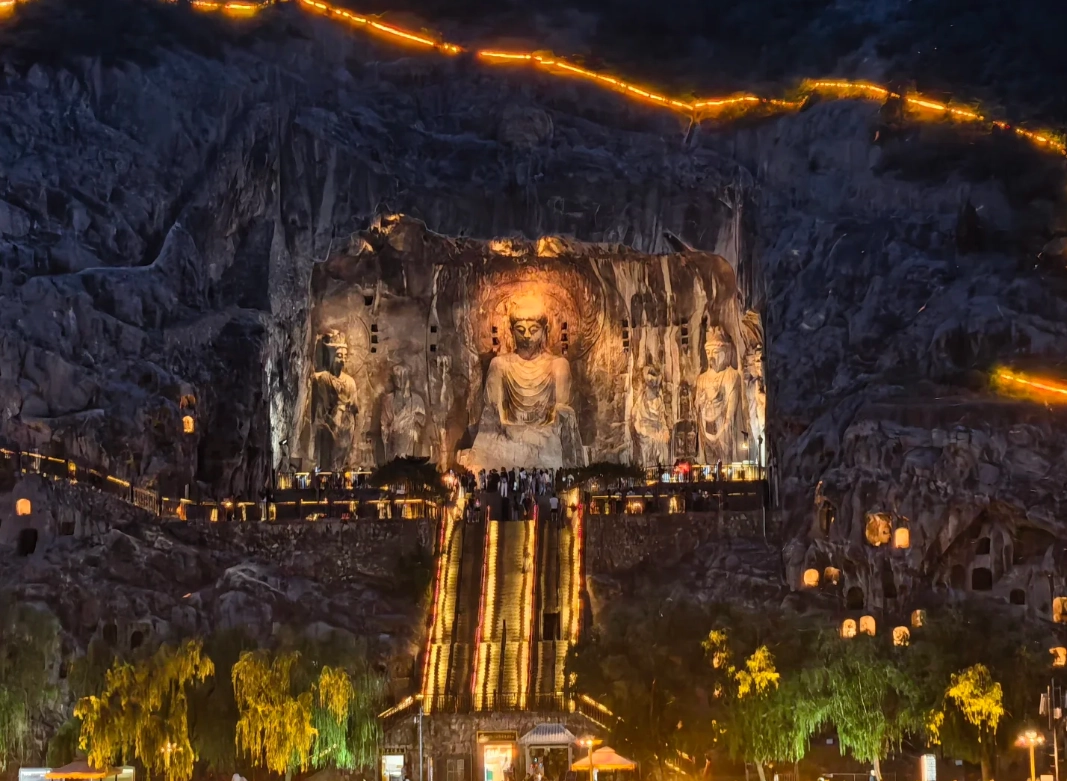
Must-Visit Historical Sites
First, let’s talk about the Big Three that no first-timer should skip. But I’ll also throw in a lesser-known gem that even many tour guides miss.
Longmen Grottoes – The Real Deal
You can’t say you’ve been to Luoyang without seeing this UNESCO site. It’s a cliffside gallery of over 100,000 Buddhist statues carved between the 5th and 8th centuries.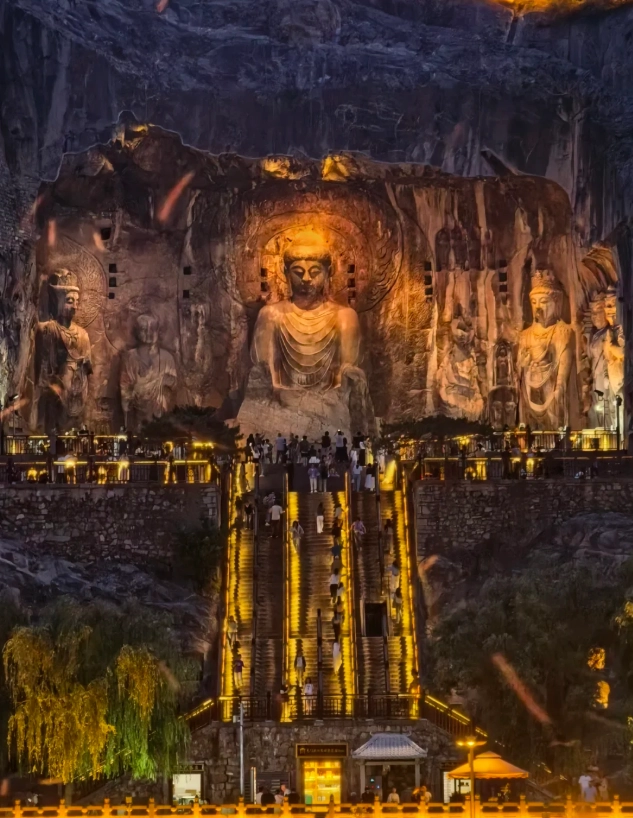
Ticket prices: 90 RMB (adult), free for kids under 1.2m or seniors 60+ with ID. You can get tickets on WeChat mini-program ‘龙门石窟’ or at the gate (lines move fast). Open 8:00–17:30 (last entry 17:00). Plan for at least 3 hours; the site is mostly outdoors and involves a lot of stairs.
Getting there: Take Metro Line 2 to Longmen Station, exit C. It’s a 10-minute walk to the entrance — you’ll smell roasted chestnuts from street vendors near the station. Follow the crowd, but resist the urge to buy souvenirs at the first stall; prices drop 20% deeper inside.
White Horse Temple – The First Buddhist Temple in China
Built in 68 AD, this is where Buddhism really took root in China. The temple complex is bigger than you’d think — it includes Thai, Indian, and Burmese-style temples added in recent years.
I always tell my groups: don’t rush past the original courtyard. There’s a small hall with a 700-year-old dry lacquer statue of the Buddha that most tourists miss because they’re too busy snapping the Thai stupa. Ticket: 35 RMB (adults), open 7:30–17:30. Takes about 2 hours to see properly.
It’s on the eastern edge of the city. Take Bus 56 or 58 from the train station — or just grab a Didi for around 30 RMB from downtown.
Luoyang Museum – The Underrated Goldmine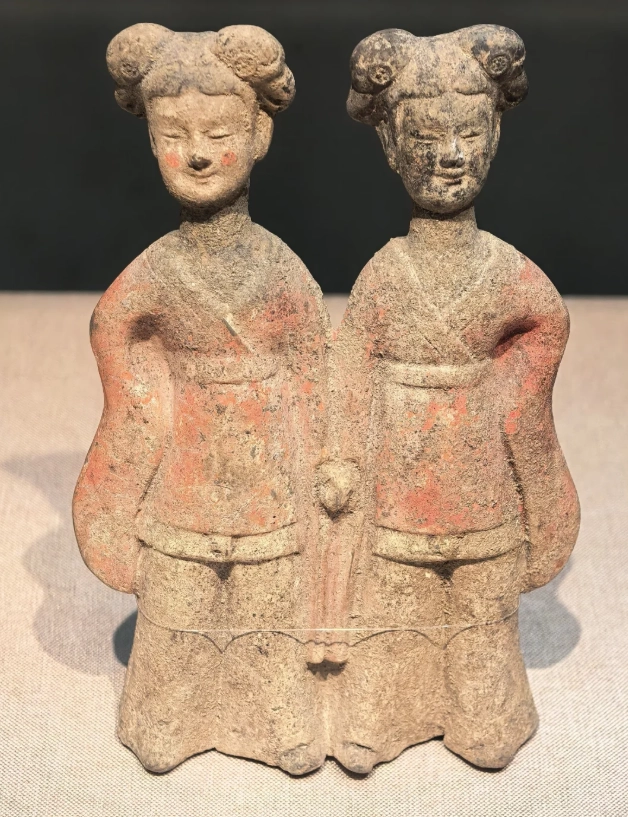
This is my secret weapon for beating the heat or a rainy day. The museum is free (just show your passport) and houses an incredible collection of Tang dynasty ceramics, including the famous ‘Tang Sancai’ (three-color glazed pottery). The jade collection is mind-blowing.
Check-in tip: Reserve tickets via WeChat mini-program ‘洛阳博物馆’ at least 2 days in advance. I’ve seen travelers turned away on weekends because they thought it’s walk-in. Open 9:00–17:00 (closed on Mondays).
Location: 298 Wenbo Road. Metro Line 2 to Wenbo Yuan, exit A.
How to Get Around Luoyang
Metro: Two lines (Line 1 east-west, Line 2 north-south). They meet at Zhouwangcheng Square. The trains are clean, have English announcements, and you can buy tickets from machines with a QR code (Alipay or WeChat). A single ride costs 2–5 RMB.
Buses: Cheap (1 RMB) but often crowded and signs are mostly Chinese. I recommend Didi (Chinese Uber) or taxis for short trips. Taxis start at 8 RMB, but make sure the driver uses the meter if you hail one on the street. Didi is safer and prices are fixed upfront.
Electric bike (scenic option): You can rent a shared e-bike via apps like Hellobike (requires Chinese phone number). Alternatively, hire a private driver for half a day — cost about 200–300 RMB. Ask your hotel to arrange one; it’s how I roll with my groups when we want flexibility.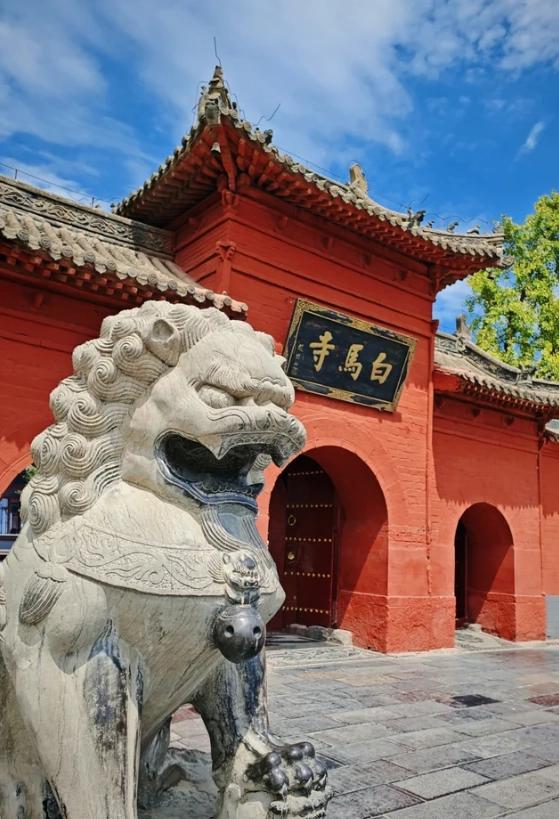
Where to Eat Like a Local
Luoyang food is hearty and heavy on beef, lamb, and noodles. Forget the tourist-trap ‘water banquets’ (they’re overpriced and bland). Here’s what I actually eat with my friends.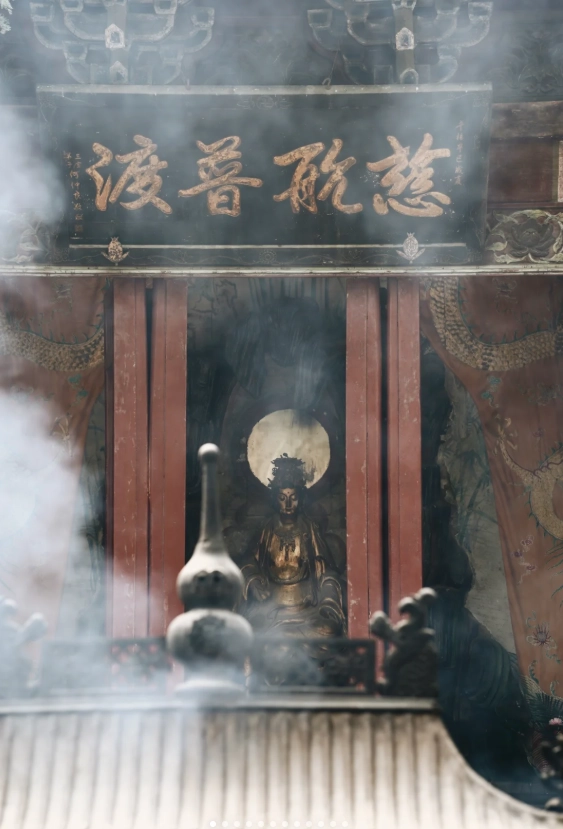
Beef Soup – The Breakfast of Champions
Locals line up before 7 a.m. for a bowl of clear beef broth with chunks of tendon and tripe. My go-to spot: Ma Jie Beef Soup, near Laoji. Address: 28 Zhongzhou East Road. A large bowl is 20 RMB, add a sesame pancake for 2 RMB. The broth simmers overnight — you can smell it from down the street. Pay in cash or WeChat, no English menu but just point at the photo. They open 5:30–12:00 (yes, morning only!).
Water Banquet – The Real One
Okay, I said avoid the tourist versions, but if you insist on trying the famous 24-course ‘water banquet,’ go to Zhen Butong near the Old City. It’s the original and still decent. A set menu for two starts at 150 RMB. The dishes come one after another like a parade — some are sour, some spicy, all soupy. My favorite: peony bird’s nest – not real bird’s nest, but a delicate turnip-based creation that looks like a flower.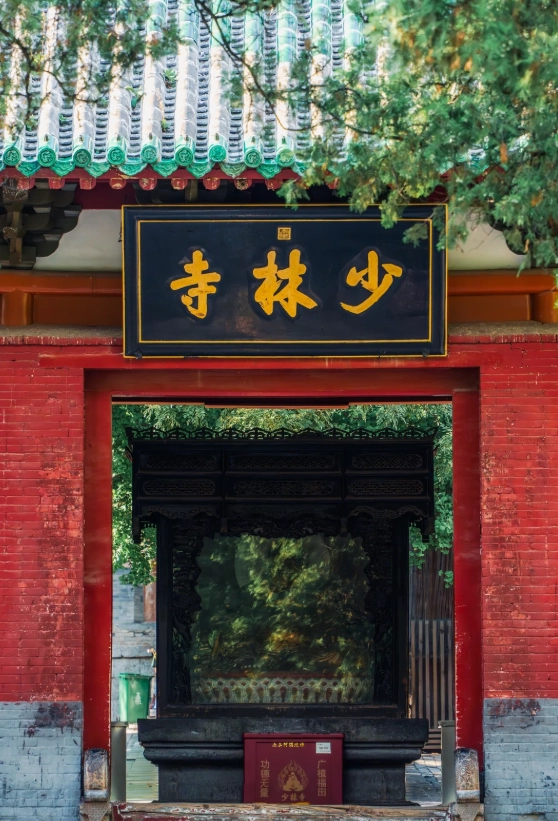
Night Market at Laoji
Every evening from 6 p.m., the street near Laoji turns into a food paradise. Try the fried dough twist, candied haw sticks, and lamb skewers (15 RMB for 10). Don’t eat the stinky tofu unless you’re brave — I’ve seen grown men run away. The stalls accept WeChat, but carry some cash just in case.
Best Time to Visit & Avoid Crowds
Spring (April–May) is glorious — peonies bloom everywhere (Luoyang is the peony capital). But also peak domestic tourism. Fall (Sep–Oct) offers mild weather and fewer crowds. Summer is brutally hot (35°C+) and humid; try to go out before 10 a.m. or after 4 p.m. Winter can be chilly (0–8°C) but the sites are empty — you’ll have Longmen almost to yourself.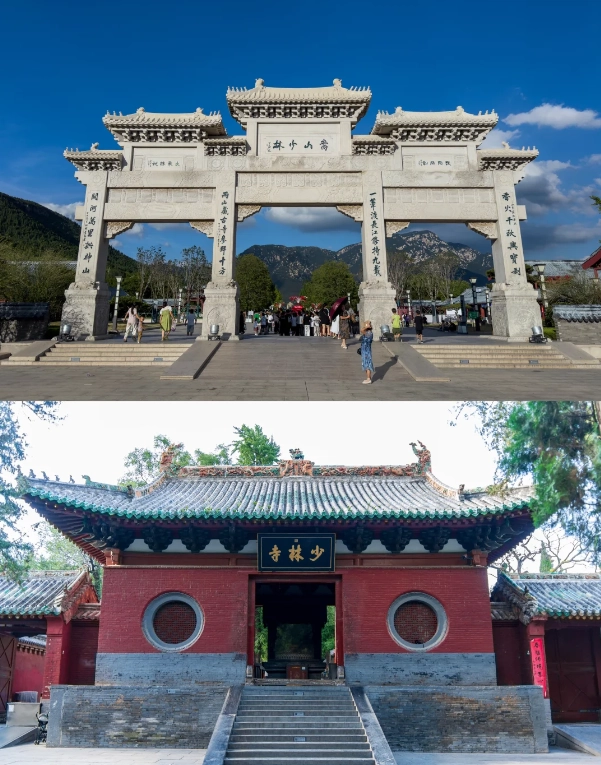
Time your visits: Longmen Grottoes opens at 8:00. I recommend arriving at 7:45 so you’re first in line for the west bank. The worst crowd time is 10:00–14:00. On weekends, avoid entirely if you can. For White Horse Temple, go early too — by late morning it’s packed with tour groups.
Recommended Itinerary for 1-2 Days
If You Have Only One Day
- 7:30 – 8:30: Breakfast at Ma Jie Beef Soup (go early to skip line).
- 9:00 – 12:00: Longmen Grottoes (east bank first, then west).
- 12:30 – 13:30: Quick noodle lunch near Longmen — try Luoyang Boss Noodles at a small shop across the street.
- 14:00 – 16:00: Luoyang Museum (avoid afternoon sun).
- 16:30 – 18:00: Walk around Old City (Laoji) and climb the city wall for sunset views.
- 18:30 onwards: Night market street food and a cold beer.
If you have a second day, add White Horse Temple in the morning and the Guanlin Temple (tomb of Guan Yu) in the afternoon. Or take a day trip to nearby Shaolin Temple (about 1.5 hours by bus).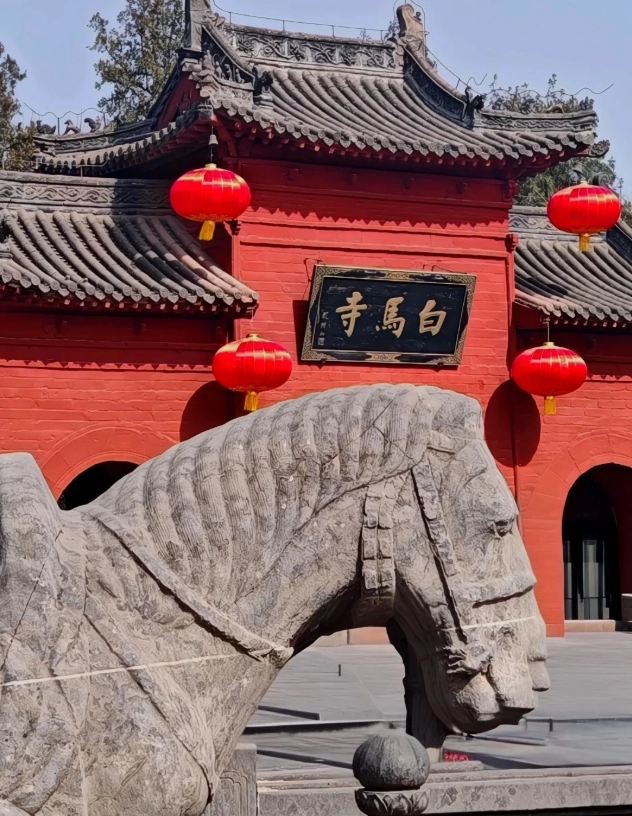





I'm so glad I stumbled upon this before my trip! The part about the real local breakfast spots made my whole Luoyang experience—I had the best huimin soup and sesame cake at a place that doesn't even have an English name, just a red sign. The author's description of how to find it was perfect. Also loved the tip to skip the cable car at the Longmen Grottoes and just walk the river path instead. Saved money and got better photos. Already forwarded this to three friends. 5/5 no question.
Great baseline, but a bit outdated in spots. I went in April 2025 and the stated bus routes for the Ancient Tombs Museum had changed—ended up taking a Didi because I couldn't find the stop. Also the recommended street food stall was closed for renovation. Still, the overall philosophy of avoiding the main tourist drag and exploring the narrow alleys north of the main street was spot on. Managed to have a really authentic day because of the general advice. Just double-check the specific details before you go.
Honestly, this is the best piece of travel writing I've read for any Chinese city. The author clearly spent real time wandering around, not just copying from Baidu. I particularly appreciated the honest take on the water banquet—yes, it's touristy, but they gave a recommendation for a more modest place where locals actually go. I followed their advice for the peony garden and it was everything I hoped for. If you only read one thing before going to Luoyang, make it this.
Finally, a travel article that tells you what NOT to do as much as what to do. I loved how specific it was—like exactly which bus to take to the White Horse Temple and the warning about the fake ticket sellers near the train station. My only tiny gripe is that it didn't mention the Luoyang Museum, which I thought was excellent. But overall this saved me a ton of time and frustration. Four stars because I still had to figure out one thing on my own.
This guide is a lifesaver! I was planning to just hit the big tourist spots, but after reading this I completely changed my itinerary. The section on the Old Town really helped me avoid those overpriced restaurants near the South Gate—I found a tiny family-run noodle place instead that was incredible. Also followed the tip to visit the Longmen Grottoes at opening time and had the place almost to myself. Best decision ever. Highly recommend to anyone wanting the real Luoyang.