 Qiang Huang
Quick Navigation (What You'll Find Below)
- Why Luoyang Deserves a Spot on Your China Bucket List
- Before You Go: Practical Prep
- Day 1 – Longmen Grottoes & Southern Scenery
- Day 2 – White Horse Temple & Museum Deep Dive
- Day 3 – Old Town Walls & Food Crawl
- Where to Stay: Neighborhoods That Fit Your Style
- Frequently Asked Questions (From My Tour Groups)
I've been leading tours through Luoyang for the better part of a decade, and I still get goosebumps every time I walk into the Longmen Grottoes. The first-timers I bring always ask: “How do we make the most of 3 days without getting exhausted?” This itinerary is my personal answer – it's the same route I use for friends and VIP visitors. No fluff, just the real deal.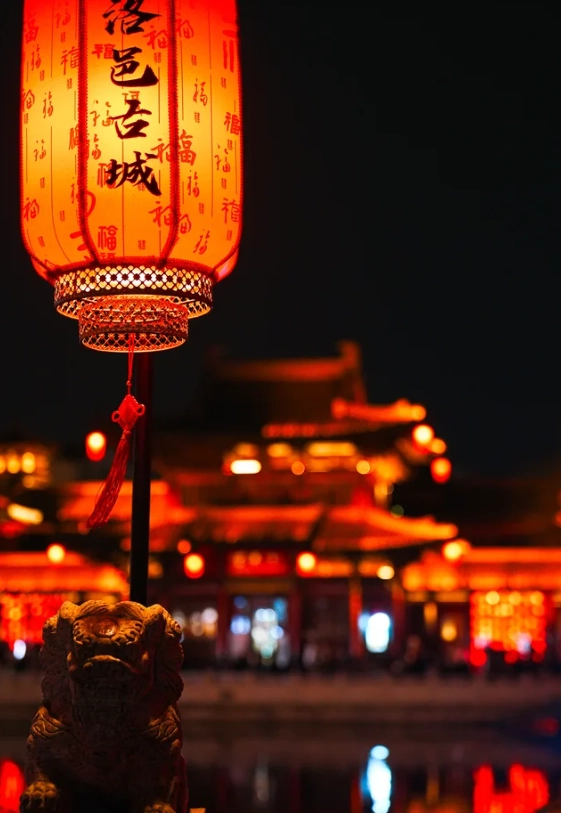
Why Luoyang Deserves a Spot on Your China Bucket List
Luoyang is one of the Four Great Ancient Capitals of China, with over 1500 years of history as a capital. It's the home of the Longmen Grottoes (a UNESCO World Heritage site), the start of the Silk Road, and the birthplace of peonies. Most tourists rush from Beijing to Xi'an and skip Luoyang – big mistake. The city is quieter, cheaper, and offers a more genuine slice of central China. And the food? Let's just say I've seen travelers cancel their next-day plans just to have another bowl of luoyang shuixi (water banquet).
Before You Go: Practical Prep
Best Time to Visit
April is peony season (the city goes crazy with flowers), but also crowded. October has crisp air and fewer tourists. I personally love November – cool, empty, and the grottoes look dramatic in the low winter sun. Avoid Chinese public holidays if you can; the grottoes become a human sea.
Getting to Luoyang
Luoyang's high-speed rail station (Luoyang Longmen Station – yes, named after the grottoes) connects directly from Beijing (3.5 hours), Xi'an (1.5 hours), and Zhengzhou (40 minutes). Inside the city, taxis are cheap (most rides under 30 RMB). The metro has two lines but doesn't reach all attractions yet – I still rely on Didi (the Chinese Uber). Download the Alipay app or WeChat Pay before you come; cash is rarely accepted in taxis or smaller shops.
Booking Tickets (Don't Skip This)
For Longmen Grottoes and White Horse Temple, you must reserve online. Use the WeChat mini-program called “龙门石窟” (Longmen Grottoes) or search on Trip.com. Prices fluctuate slightly depending on the season, so I recommend pulling up WeChat to scan their official mini-program right before you Uber over. To be safe, book at least 2 days ahead in peak season. The grottoes limit daily entries – once I saw a family turned away because they didn't reserve.
Day 1 – Longmen Grottoes & Southern Scenery
Morning (9–11 AM): Start later than you'd think. Most tours arrive at 8 AM sharp and fight the crowds. Instead, head to Guanlin Temple (the temple of Guan Yu) first. It's a 20-minute taxi from the city center (about 25 RMB). This temple is often overlooked but has beautiful Ming dynasty architecture and a peaceful garden. Spend 1 hour, then taxi over to Longmen.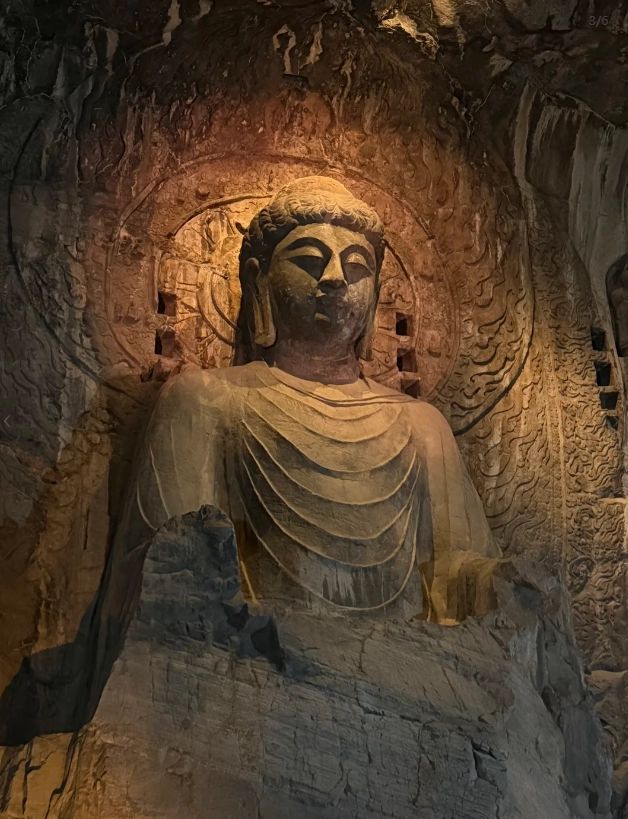
Noon–3 PM: Lunch & Longmen Approach
Grab a quick bite at a noodle shop near the south gate of Longmen (I like “Longmen La Mian” at the entrance – a bowl of hand-pulled noodles for 15 RMB). Then enter the grottoes from the south gate – this is my secret. Most people start at the north (west bank) and get bottlenecked. From the south, you walk along the east bank first, then cross the bridge to see the massive Vairochana Buddha around 2:30 PM – the light hits it perfectly.
Key spots: Binyang South Cave, the Ten Thousand Buddha Cave, and the giant statue. I always tell my group: “Look at the Buddha's left hand – it's been restored, but the right hand is original.” Spend about 3–4 hours total. A guide is worth hiring at the entrance (150 RMB for 2 hours); they'll share stories you won't read online.
Late afternoon (4–6 PM): Cross the bridge to the east bank and hike up to the Xiangshan Temple (part of the grotto complex). Most tourists skip this – but the view of the entire gorge from above is my favorite photo spot. Entrance included in the grotto ticket.
Evening: Take Didi back to the Old Town. Have dinner at Old City Water Banquet Restaurant (No. 12, Xinghua Street). The water banquet is a series of 24 cold and hot dishes, mostly soups and jellies. It's an acquired taste – I'm not a huge fan personally (too starchy), but it's a cultural must-try. Expect to pay 80–120 RMB per person.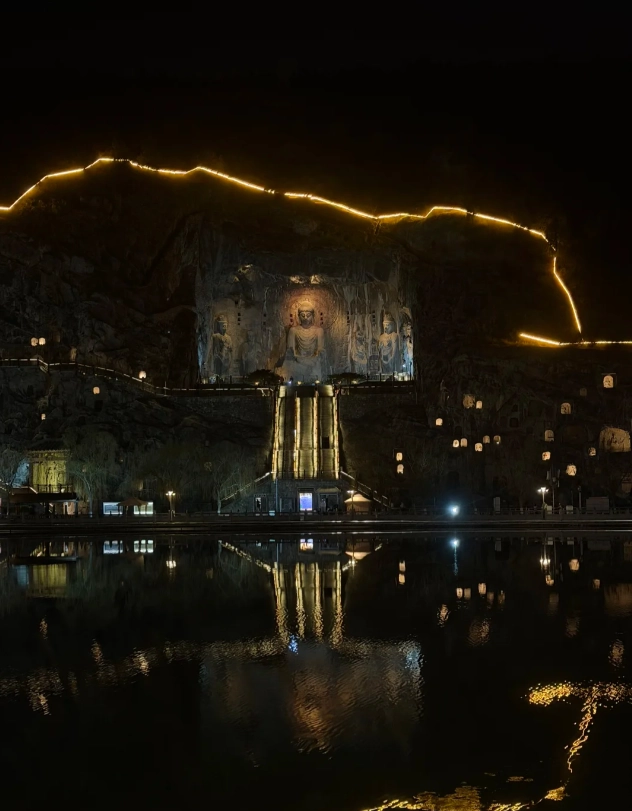
Day 2 – White Horse Temple & Museum Deep Dive
Morning (8:30–11 AM): White Horse Temple (Baima Si) is China's first Buddhist temple, built in 68 AD. It's about 12 km east of the city (taxi 35 RMB, 30 min). Go early before tour groups arrive. The temple complex is huge – don't miss the original Ming dynasty hall and the Indian-, Thai-, and Myanmar-style pagodas in the back. Those foreign-style halls were added recently, but they're photogenic.
I always point out the two stone horses at the gate – legend says they carried the scriptures from India. Touch their feet for good luck (locals do it).
Lunch: Eat at a Muslim noodle shop on the way back – try yangrou paomo (lamb stew with flatbread) at “Hui Min Shi Fu” near the temple. 25 RMB, generous portions.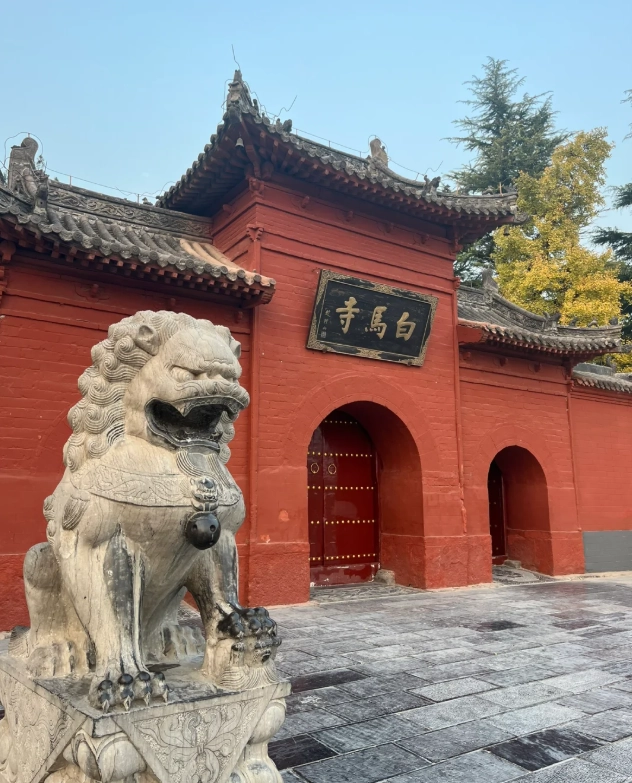
Afternoon (1–4 PM): Luoyang Museum. It's free but you need a reservation on WeChat (search “洛阳博物馆”). The permanent collection is incredible: ancient bronze vessels, a complete set of Tang dynasty tomb figures, and a musical bell exhibit. I spend 2 hours here every time. The museum is air-conditioned – a great Plan B for rainy or scorching days.
Evening: Head to Lijing Gate (the reconstructed south gate of the old city). Climb the gate for sunset – it's free after 5 PM. Then walk through the cross-street food stalls. I always grab jiangmian (noodles with pepper paste) from a street vendor – look for the old lady with the red cart near the gate.
Day 3 – Old Town Walls & Food Crawl
Morning (9–12 PM): Explore the Luoyang Old Town (Laocheng). Start at Wenfeng Tower (a Ming dynasty pagoda) and wander the narrow alleys. The “Baba Street” area is full of craftsmen making peony porcelain – watch them for free, but buying is pricey. I pick up a small peony teacup as a souvenir (30–50 RMB).
Lunch: Must-eat: luoyang shuixi again? No – try hulatang (pepper soup) at a local joint. My go-to is “Hu La Tang Lao Dian” on West Street – a spicy beef soup with tofu and vermicelli. 10 RMB a bowl, perfect hangover cure.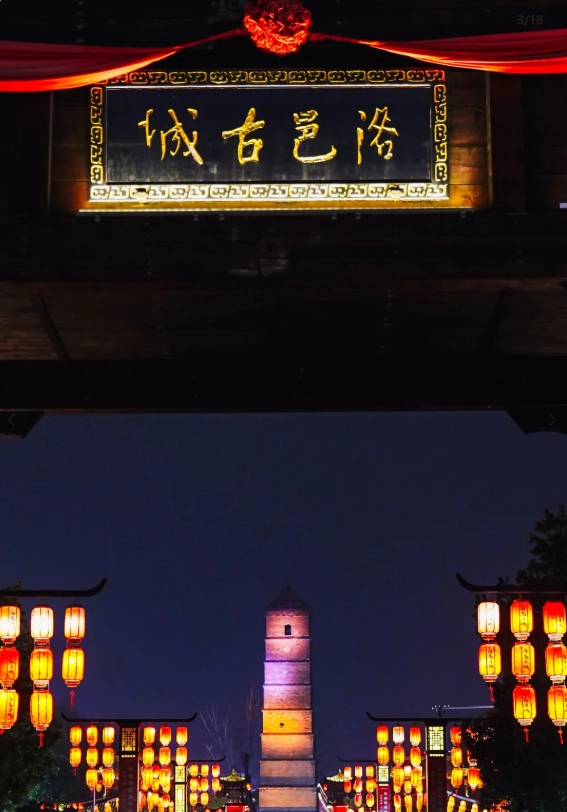
Afternoon (1–4 PM): Visit the Luoyang Ancient Tombs Museum (also free, reservation needed on WeChat). It's 20 minutes from old town by taxi (20 RMB). The museum is built over actual underground tombs from the Han and Tang dynasties; you walk down ramps into real burial chambers. Creepy but fascinating. Allow 1.5 hours.
Late afternoon: If you still have energy, the Peony Park (in season) or a cruise on the Yi River near the grottoes. Skip the river cruise if it's windy – I've had tourists get seasick on those small boats.
Dinner: Final night splurge at Zhen Bu Tong restaurant (near the new district). Their crispy duck and steamed fish are excellent. Around 80 RMB per person.
Where to Stay: Neighborhoods That Fit Your Style
| Neighborhood | Best for | Price range (mid-range hotel) | Pros | Cons |
|---|---|---|---|---|
| Old Town (Laocheng) | Foodies, history buffs | 200–400 RMB | Walking distance to night markets, ancient streets | Noisy at night, older buildings |
| New District (Xinqu) near Longmen Station | Business travelers, easy train access | 300–600 RMB | Modern hotels, near train station, quiet | 20–30 min taxi to historic sites |
| Near Longmen Grottoes | Early birds at the grottoes, luxury stays | 500–1000 RMB | Some hotels have view of the grottoes | Limited dining options, far from city |
My personal pick: Stay in Old Town at a renovated courtyard guesthouse like “Luoyang Wutong” – it's basic but charming. Make sure the hotel has a lift (elevator) – many traditional inns are walk-up only.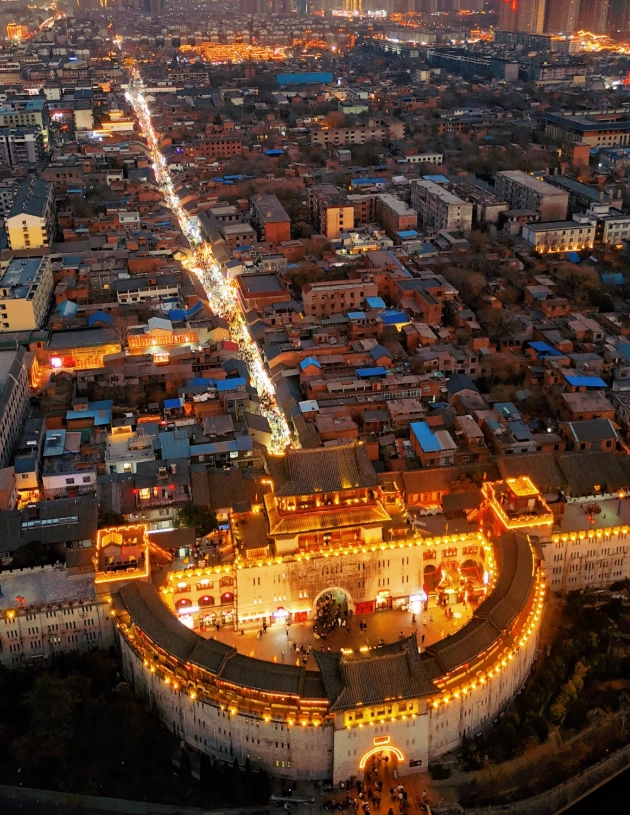





Decent guide, but I found it a bit overly optimistic. Day 1 looked great on paper, but in reality we were rushing between the Horse and Chariot Pits and the Old Town – barely had time to breathe. The restaurant recommendations were also crowded to the point of being unenjoyable; we waited over an hour. It's a fine starting point, but don't expect it to be perfect without adjustments. 3 stars from me.
Solid and well-structured itinerary – the three-day pacing is logical and covers all the must-sees. I appreciated the inclusion of quieter spots like the Luoyang Museum. My only critique: more practical transport details would be helpful (e.g., exact bus numbers between sites, taxi tips). Also, the section on local life could use a few more options for rainy-day backups. Still, a very useful guide overall. 4 stars.
Wow – I've read dozens of travel articles, but this one has a rare quality: it makes you feel the place. Descriptions like 'the cool stone breeze inside the grottoes' and 'the faint scent of history in the museum halls' actually gave me chills. Every suggestion felt curated by someone who truly loves Luoyang. Booked my flight right after finishing. If you're a first-timer, just go with this plan – you won't regret it.
I'm usually skeptical about online guides, but this one genuinely exceeded expectations. The balance between historical sights and 'local life' moments – like the morning market with fresh persimmons and the tiny noodle shop hidden in a hutong – felt so authentic. The writing style is warm and personal, almost like chatting with a friend who knows Luoyang inside out. Printed it out and carried it everywhere. Highly recommend!
This itinerary was a lifesaver for my first trip to Luoyang! I followed the Day 2 plan to the letter – the Longmen Grottoes timing was spot-on, and the evening walk through the old town felt like stepping into a living museum. The local food recommendations (especially the spicy beef soup) were absolute gems. Only wish I had found this earlier so I could have pre-booked a few things. Still, 5 stars for making my trip stress-free and memorable.