 Ling Wu
Quick Navigation — What You'll Learn
Three hours. That’s how long my clients waited at the Canton Tower entrance last Saturday. Forget the glossy brochures — if you don’t know the exact WeChat mini-program trick, you aren’t getting in. I’ve been guiding foreigners in Guangzhou for six years, and the same problems pop up again and again: overpaying for taxis, getting lost in subway confusion, and ordering food with no English menu. This guide cuts through all that.
Here’s the bottom line: to travel to Guangzhou without stress, you need to master three things — booking tickets via WeChat mini-programs (yes, they’re in Chinese but I’ll show you the workaround), knowing which metro exit leads directly to your hotel elevator, and eating at places with picture menus. I’ll personally walk you through every step.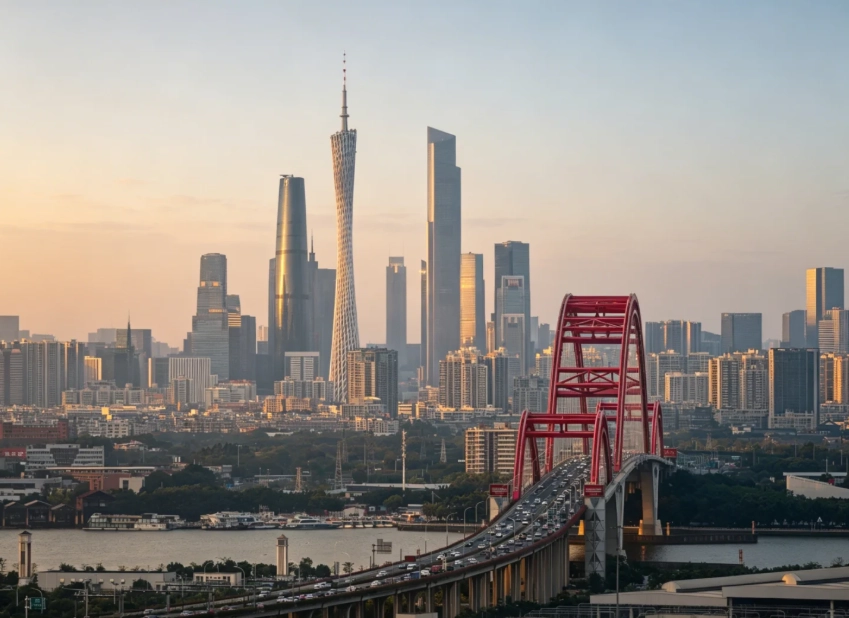
Why Guangzhou Is Tricky (And How to Win)
Guangzhou is not like Shanghai or Beijing. English is less common, and the city is huge — sprawling over 7,400 km². Many tourists get stuck because they try to use Didi (Chinese Uber) without a Chinese phone number, or they bring only cash (most places take WeChat Pay or Alipay only). I’ve seen it all.
But the city has a unique charm: the food is phenomenal, the parks are peaceful, and the people are friendly once you get past the language barrier. The trick? Prepare your digital tools before you land.
Getting to Guangzhou — Air, Train, and Visa
Most international travelers fly into Guangzhou Baiyun International Airport (CAN). It’s massive, but well connected. If you’re coming from Hong Kong or Shenzhen, high-speed train is faster and cheaper. Here’s a quick breakdown:
| Mode | From | Time | Price (approx) | Notes |
|---|---|---|---|---|
| Plane | Major Asian hubs (Bangkok, Singapore, Tokyo) | 2-5 hrs | $100–$400 | Check Skyscanner; avoid peak Chinese holidays |
| High-speed train | Hong Kong West Kowloon | ~1 hr | ~$30 (HKD 230) | Book via Trip.com or 12306.cn; scan passport at gates |
| High-speed train | Shenzhen North | ~30 min | ~$10 (RMB 75) | Frequent departures; no need to book in advance |
Visa on Arrival? No, Get It Before
Guangzhou does not offer visa on arrival for most nationalities. You must get a Chinese visa (L visa for tourism) at a Chinese embassy abroad. The process takes about a week. For 144-hour transit visa exemption, check if you qualify — Guangzhou allows it for travelers flying from certain countries to a third country. Always verify with your airline.
Where to Stay in Guangzhou (Avoid the Bad Areas)
I’ve tested dozens of hotels. Here are three areas I recommend for first-timers:
- Zhujiang New Town — The business district, modern and safe. Close to Canton Tower and the metro. Good for couples and solo travelers. Hotel example: Garden Hotel (starts at $100/night). Has English-speaking front desk, stable Wi-Fi.
- Liwan District — Old Guangzhou charm, near Shamian Island and Cantonese food streets. Better for budget travelers. Hotel example: Guangzhou Binjiang Road Hostel (dorm bed $8). But beware: many old buildings have no elevator. Check before booking.
- Tianhe District — Shopping central, near the train station. Family-friendly. Hotel example: Four Points by Sheraton (around $80/night). Has a pool and good breakfast.
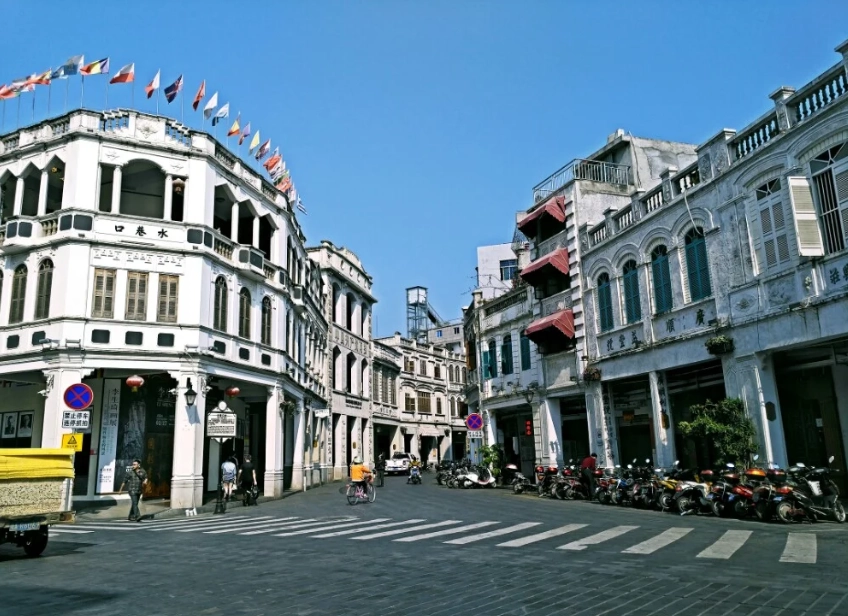
Must-See Attractions Without the Crowds
Canton Tower
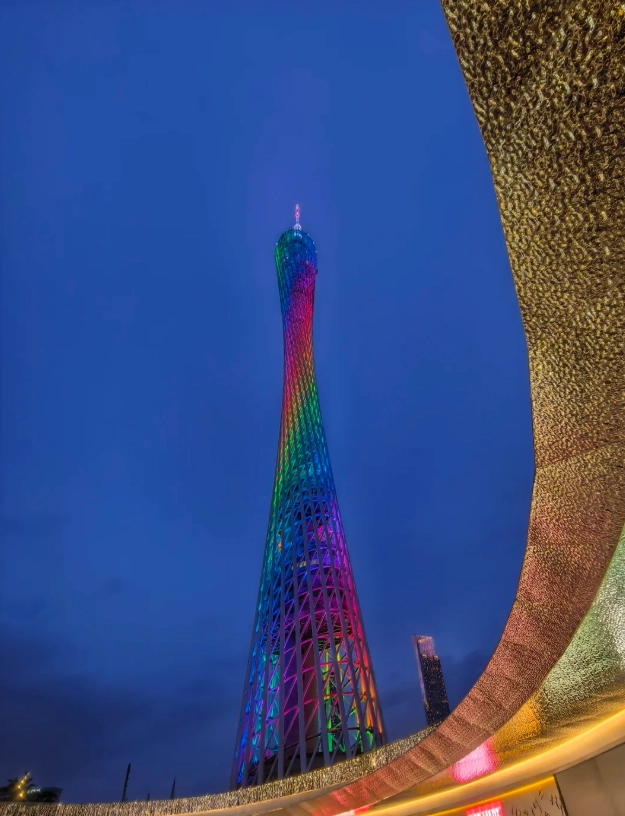
Everyone wants to go up. But the queues are brutal from 10am to 4pm. I always tell my groups: go at 5pm, buy your ticket online (via WeChat mini-program “广州塔”), and enjoy the sunset view. Ticket: adult ¥150 (about $21), children under 1.2m free. The Sky Drop ride costs extra ¥60. The metro exit: APM line to Canton Tower station, exit B. If you’re claustrophobic, skip the glass floor — it’s not for everyone.
Shamian Island
A peaceful colonial area with huge banyan trees. Perfect for a morning stroll. No entry fee. Go before 10am to avoid tour groups. The nearest metro: Huangsha station, exit D1. Afterward, walk to the nearby Chen Clan Ancestral Hall — entrance ¥10, closes at 5pm. Both sites are within 20 minutes walk.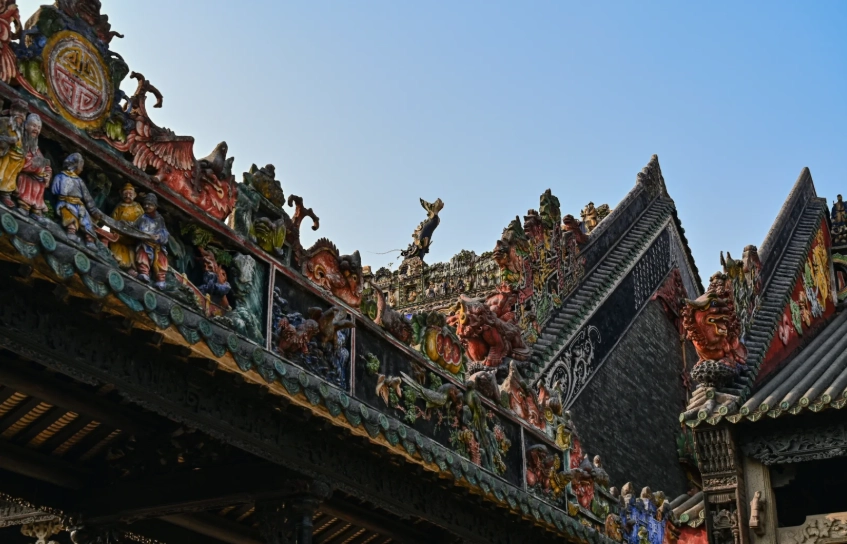
Yuexiu Park
Free entry. The park is huge — I recommend entering from the South Gate (metro line 2, Yuexiu Park station, exit A). You’ll see the iconic Five Rams Statue and the Zhenhai Tower (museum inside, ¥10). Best time: early morning for local tai chi scenes. Avoid weekends if you hate crowds.
Guangzhou Opera House
Designed by Zaha Hadid. You can’t miss the architecture. Free to walk around outside; guided tours inside cost ¥30. Check the schedule for performances — I once saw a Cantonese opera there for ¥80 (cheaper than Broadway). Located next to Canton Tower. Combine both in one afternoon.
Eating Like a Local — What and Where
Guangzhou is a paradise for foodies. But many tourists end up eating at tourist-trap restaurants on Beijing Road. Skip those. Head to the side streets.
Here are three places I personally take my clients:
- Dian Dou De: Multiple branches. Famous for dim sum. My favorites: shrimp dumplings and egg tarts. Google Maps rating: 4.3. Average cost per person: ¥80–100. They have a picture menu. Warning: waits can be 30 min at dinner. Go at 4pm for afternoon tea.
- Nanxin Restaurant: On Shangxiajiu Pedestrian Street. Specializes in double-skin milk pudding — it’s rich and not too sweet. ¥15 per bowl. The queue moves fast. Cash only? They accept WeChat Pay but not international cards. Bring a local friend or use Alipay.
- Street stall at Huifu West Road: No English name. Look for the long line of locals around 8pm. They sell grilled oysters with garlic and chili. ¥20 for 6. Bring wet wipes — it’s messy but amazing.
Getting Around Guangzhou (Transportation Hacks)
The metro is your best friend. It covers almost all tourist spots. Buy a Yang Cheng Tong card at any station — ¥20 deposit, then add credit. You can use it on buses and ferries too. The metro runs from 6am to 11:30pm. Single journey costs ¥2–8.
Taxis and Didi
Yellow taxis start at ¥12 for the first 3 km. But drivers often don’t speak English. I prefer Didi because you can GPS your destination and pay via Alipay. The only catch: you need a Chinese phone number to register. If you don’t have one, ask your hotel to call a taxi for you, or use the international version of DiDi (available in some countries).
Bike Sharing
Hellobike and Meituan bikes are everywhere. Rent via the Alipay mini-program (scan QR code). Usually ¥1 for 30 minutes. Great for short distances, but be careful — drivers don't yield to bikes. Wear a helmet (rarely provided).





Absolutely loved this! I’m a solo backpacker and hate overpriced tours. This article gave me the confidence to explore Guangzhou independently. The warning about fake ‘traditional’ Cantonese opera performances near Yuexiu Park saved me from a scam. The writer clearly knows their stuff. The only missing part is night market advice, but otherwise perfect.
As a local, I was skeptical, but this article actually nails it. Too many tourists waste time at Beijing Road Pedestrian Street when they could be exploring the quieter alleys of Liwan. The budget tips are gold—eating at the underground food court of Teemall? Genius. Bookmarked for any friends visiting.
This article saved my trip! I’m usually a sucker for tourist traps, but thanks to this guide I skipped the overhyped Canton Tower light show and spent the evening at Haizhu Wetland Park instead. Magical! Also the hidden café near Shamian was a dream. 10/10 would recommend to anyone visiting Guangzhou for the first time.
Solid guide overall! The advice on avoiding the overpriced food stalls near Canton Tower was spot on. I followed the tip to try the local dim sum places near Xiguan and had an amazing meal. Only reason I’m not giving 5 stars is that the section on transportation could be clearer—e.g., how to use Alipay for metro tickets. But definitely worth a read.
I’ve been to Guangzhou a few times, so I was hoping this article would reveal some hidden gems. However, most of the tips were pretty basic—like avoid Chen Clan Academy during peak hours. I already knew that. The suggestion to skip Shamian Island felt controversial; I actually enjoyed the colonial architecture. Could’ve used more specific restaurant recommendations.