 Chen Liu
What You'll Learn Here
Two weeks ago, a first-time traveler texted me at 10 PM: “I’m in a random alley near Beijing Road and my phone is almost dead. Should I panic?” I told her to stay calm and keep walking toward the bright main street. She made it back fine—but that moment sums up the real question: is Guangzhou safe for tourists? Let me kill the suspense upfront: yes, Guangzhou is generally very safe, even for solo travelers and families. But like any huge city (I’ve lived here 8 years), there are a few traps and annoyances you need to know. I’ve personally dealt with lost wallets, fake monks, and overpriced tea—so let me save you the trouble.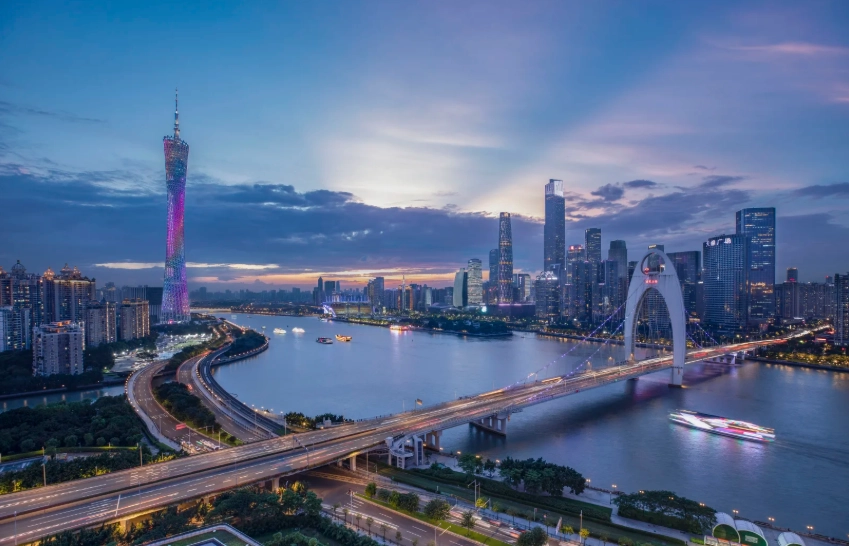
Why Most Tourists Feel Safe Right Away
Land at Baiyun Airport, and you’ll see uniformed police, clear signage, and a metro system that feels more orderly than New York’s. Guangzhou’s public security is tight—cameras everywhere, and you’ll rarely see aggressive behavior. In fact, compared to Paris or Barcelona, it’s a walk in the park. I’ve left my phone on a café table while I went to the bathroom, and it was still there. (Don’t try that in a crowded market, though.)
The 3 Scams That Actually Happen (and How to Dodge Them)
The “Tea Ceremony” Trap
This one’s classic. A friendly local invites you to a “traditional tea ceremony” near Shamian Island. They’ll pour you a few cups, then hit you with a bill for 500 RMB. My rule: If someone approaches you on the street and insists on taking you somewhere, just smile and say “no, thank you.” Real tea houses don’t recruit customers that way.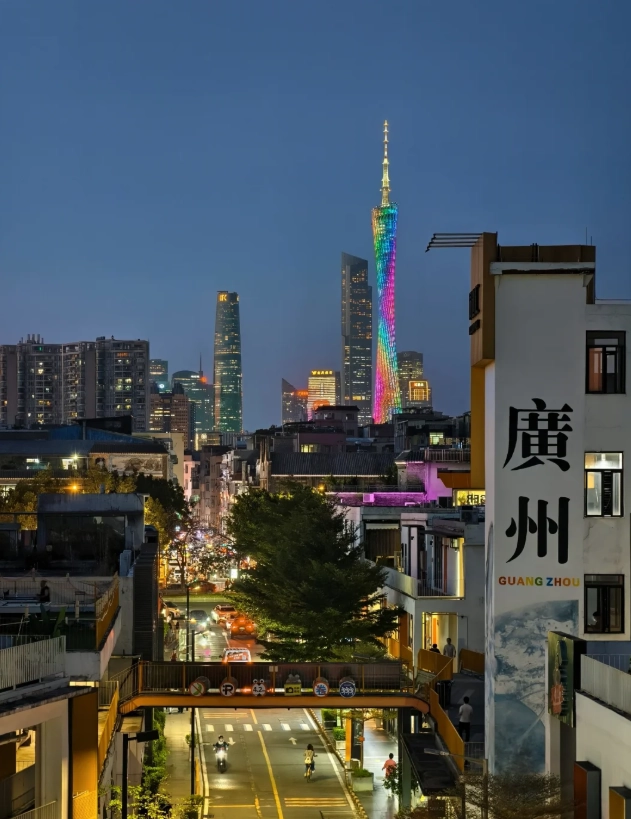
Fake Police or Officials
I’ve seen this twice near Tianhe: someone in a quasi-uniform stops you and claims you need to show your passport or pay a “fine” for jaywalking. Real police wear proper badges and never ask for money on the spot. What to do: Politely say “I’ll call the police station to verify” and walk toward a shop. They’ll disappear.
Taxi “Meter Magic”
At the airport or train station, touts may flag you to an unlicensed taxi that charges triple. I always use the official taxi queue (green cars) or DiDi (Chinese Uber). The DiDi app has an English version, and the fare is fixed upfront. No surprises.
Where Pickpockets Operate (It’s Not Where You Think)
Forget the romanticized warning about “crowded markets.” The real risk is in metro carriages during rush hour. Line 3 heading to Tiyu Xilu at 6 PM? That’s a prime spot. I’ve had three clients report phones stolen there. Also beware of:
- Shangxiajiu Pedestrian Street on weekends – keep your backpack in front.
- Guangzhou Tower escalator area – people bumping into you.
- Chen Clan Academy ticket line – bags on the ground are easy grabs.

| Location | Risk Level | My Tip |
|---|---|---|
| Metro Line 3 (peak) | High | Keep wallet in front pocket or wear a money belt |
| Shangxiajiu | Medium | Go on weekday mornings instead |
| Guangzhou Tower | Low-Med | Use the elevator, not the long escalator |
| Beijing Road night market | Medium | Leave your backpack at the hotel |
Is Guangzhou Safe at Night? (Real Talk)
I’ve walked alone in Yuexiu district at midnight countless times. The city is well-lit and people are still out eating. However, avoid the small lanes behind Liwan Park after 11 PM—they’re just dark and you might trip over a scooter. For women: I’d recommend taking a Didi if you’re out past 1 AM, but not because of danger—just because it’s more comfortable. Again, violent crime is rare. The biggest risk is a sprained ankle from uneven pavement. Seriously.
Street Food and Water: Will You Get Sick?
First, do not drink tap water. Even locals boil it or buy bottled. Second, street food is generally safe if you stick to busy stalls with high turnover. I always look for the vendor who’s cooking fresh batches—if a pile of dumplings has been sitting under a lamp for hours, skip it. My go-to safe bites:
- Chang fen (rice rolls) from a stall that’s steaming them continuously.
- Roast goose from a shop with a line of locals out the door.
- Fruit juice pressed right in front of you – watch them wash the fruit.
One more thing: spicy food is not a safety issue. If you have a weak stomach, carry Imodium. I always tell my groups: “You might get a little runs, but it’s almost never from bacteria—just your body adjusting.”
Getting Around Safely: Taxis, Metro, and Buses
Metro: Gold Standard
The Guangzhou Metro is safe, clean, and English-friendly. There are police patrols and security checkpoints at every entrance (they scan your bags – be ready). Pro tip: Avoid the last train (around 11:30 PM) because the stations empty out quickly and you might have trouble finding a taxi replacement.
Buses: Tricky but OK
Buses are fine but announcements are in Cantonese and Mandarin. I’d skip them unless you have mobile data and can use the map app. I once got lost on a 137 bus and ended up in a suburb—not dangerous, just time-consuming.
Taxis: Use DiDi Always
Official green taxis are metered, but some drivers may try a “fixed price” if they see your foreign face. The DiDi app shows the route and price. It’s a lifesaver. Also, never get into a motorbike taxi (the ones weaving through traffic) – those are illegal and risky.
What to Do If Something Goes Wrong
Program these into your phone now:
- 110 – Police (they have English-speaking operators, but you may need to wait)
- 120 – Ambulance
- 119 – Fire
- 12308 – China Global Consular Protection (for visa or passport issues)
Also, download the Safe Canton app (though it’s Chinese-only) but more importantly, save your hotel’s address in Chinese characters to show a taxi driver. I recommend everyone write it on a card or screenshot it.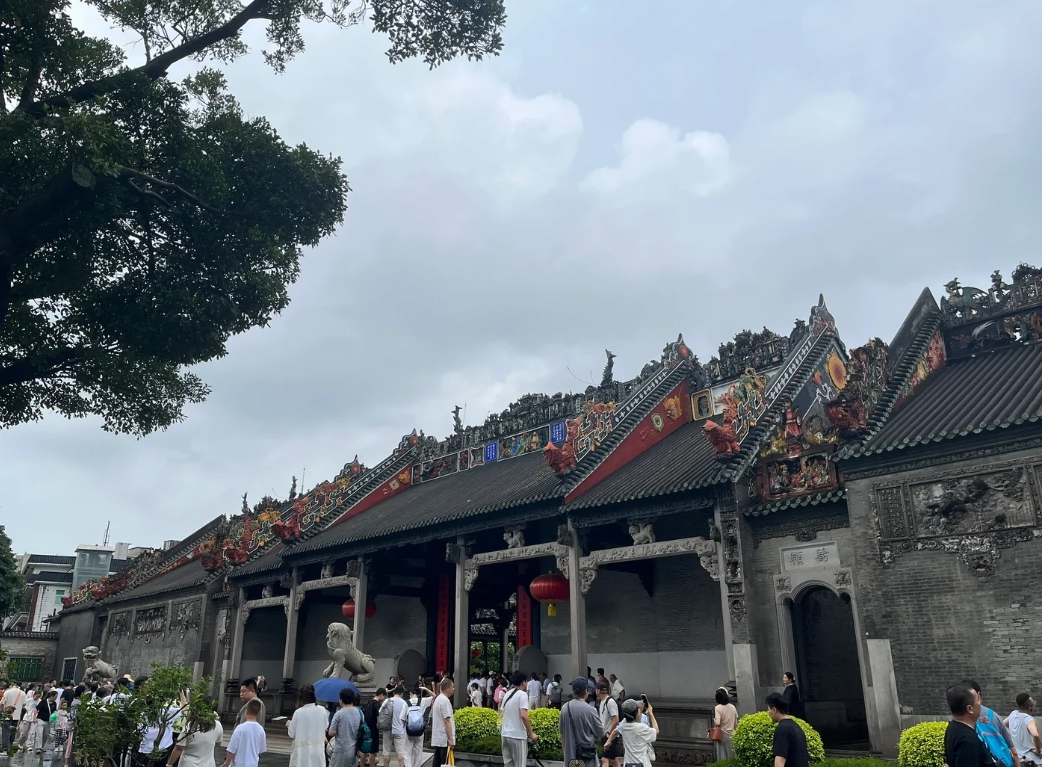
Quick FAQs From My Travelers
Verified and fact-checked by the editorial team.







Finally, a safety guide without fear‑mongering! The writer keeps it real – yes, watch your bag on the subway, but also enjoy the amazing night markets. The advice on scammers near Shamian Island was exactly what I needed before my trip. Printed it and took it with me. Five stars from a seasoned backpacker.
As someone who moved to Guangzhou last year, I can vouch for this guide. The part about using Alipay instead of cash and the WeChat taxi booking tip saved me so much stress. It’s one of the few articles that actually gets the local vibe right. I’ve sent it to three friends already!
I was expecting a bit more depth. The article mostly repeats common sense stuff you’d find on any travel forum, and the ‘local guide’ angle feels underwhelming – less than 10 actual street‑level examples. For a solo traveler who’s actually worried, I needed more reassurance. Decent effort but left me wanting.
Pretty solid read overall. I liked that the writer didn’t sugarcoat the pickpocket risks in crowded markets, but I wish they’d included more on nightlife safety and late‑night metro hours. Still, it’s better than most generic travel blogs. A good starting point.
Honestly, this article is a lifesaver for first‑timers like me. The local perspective on areas like Tianhe and Liwan felt genuine, and the safety tips about keeping your phone in a zipped pocket are spot‑on. I shared it with my travel group – we all agreed it’s the most honest guide out there. Highly recommend!