 Ling Wu
What's inside this guide
Three years. That's how long I've been dragging tourists through Guangzhou's public transport maze. And every single time, the same question pops up: "Which app do I need?"
Three hours. That's how long my clients waited at the South Gate of Canton Tower last week because they didn't know the subway pass shortcut. Forget the glossy brochures — if you don't have the right apps and the WeChat mini-program tricks, you're going to waste time and money. Here's exactly what works, what doesn't, and how to avoid rookie mistakes.
Why You Need the Right Apps in Guangzhou
Guangzhou is huge — 7,434 square kilometers. The subway alone has 16 lines. But the real challenge isn't distance — it's the digital wall. Most transport services require Chinese apps or WeChat mini-programs. International credit cards? Forget it. Apple Pay? Not accepted on metro gates.
I've seen tourists stranded because they couldn't buy a metro ticket without cash (and the machine only took coins). Or they hailed a taxi and ended up paying triple because the driver didn't speak English. The apps below solve these headaches. But there's a catch — you need to set them up before you arrive. Data roaming isn't enough; you'll need a local SIM or eSIM with data. Trust me, I've learned the hard way.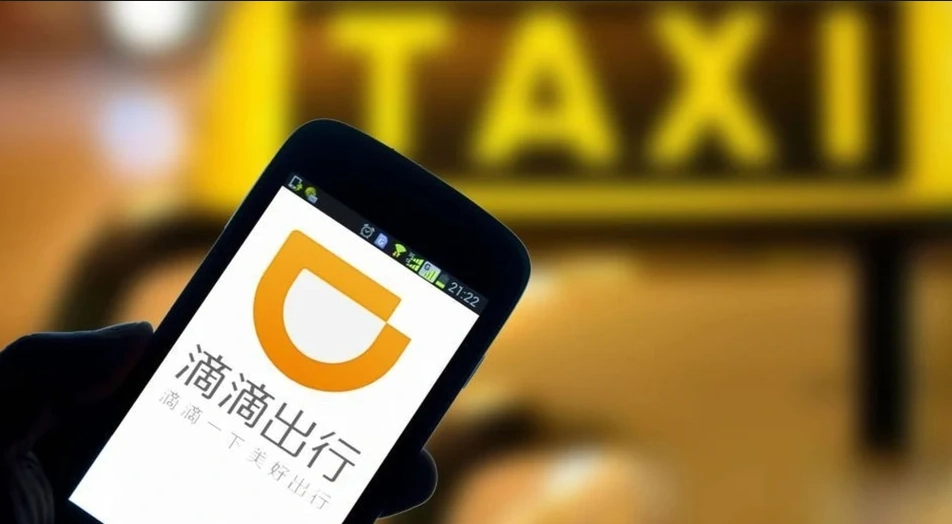
Top 5 Transport Apps You Must Download Before Arrival
Here's your pre-departure checklist. These apps are available on iOS App Store and Google Play (except where noted).
| App | Purpose | Payment Setup | English Support | My Pro Tip |
|---|---|---|---|---|
| Messaging, payments, mini-programs for metro and bike sharing | Add international Visa/MC via Wallet (may fail); alternative: ask a friend to send you red packets | Interface partially English; mini-programs are 100% Chinese | Enable “Quick Pay” before you travel. For mini-programs, search using Chinese characters copied from this guide. | |
| Alipay | Backup payment, transport card top-up, Didi ride hailing | Works with most international cards; activate “Tour Pass” feature | English app available; ride-hailing section has English version | Use Alipay for Didi — it's simpler than WeChat. The mini-program inside Alipay is called “Didi Chuxing”. |
| DiDi | Ride-hailing (similar to Uber) | Alipay or WeChat linked; no credit card direct option | Separate English app available: “DiDi Rider” | The English app limits some features. I always use the Chinese version with a saved template: 请派车到 [pickup] 去 [destination]. |
| Gaode Maps (Amap) | Navigation, real-time transit, taxi meter estimation | Not needed for basic use | Primarily Chinese; but search for landmarks in English often works | Download offline map of Guangzhou before arrival. Use it to get Chinese characters for places then paste into DiDi. |
| Guangzhou Metro Official | Metro map, line planner, QR code for gates | WeChat or Alipay within the app/mini-program | No English version | Skip the app — use the WeChat mini-program “广州地铁” instead. It's lighter and faster. |
How to Use WeChat Mini-Programs for Transit
Mini-programs are lightweight apps inside WeChat. They don't need separate installation. For Guangzhou transport, you need these three:
- 广州地铁乘车码 (Guangzhou Metro QR Code) – scan at subway gates
- 羊城通乘车码 (Yangchengtong Bus QR) – for buses and some ferries
- 滴滴出行 (DiDi) – if you didn't install the standalone app
To open a mini-program, tap the search icon in WeChat (bottom left), type the Chinese name, and tap the mini-program result. But here's the catch: the search is case-sensitive and Chinese-only. I always tell my clients to screenshot the characters above and search using the image text recognition feature of WeChat. Or just ask your hotel receptionist to open it for you once — then pin it to your WeChat home screen.
Once you have the metro mini-program open, tap the big button that says “开通” (activate). It will ask to link your WeChat wallet (you need balance or a card). If your international card fails, a workaround: ask a Chinese friend to send you 50 RMB via WeChat red packet, then use that balance. I've done this for many tourists — it works.
Navigating the Guangzhou Metro Like a Local
The metro is clean, fast, and covers most tourist spots. But the ticketing system is a pain for foreigners. Cash machines rarely accept notes larger than 10 RMB, and they're slow. The QR code method is the only way to go.
Step-by-step to use the metro QR code:
- Open WeChat → Mini-program “广州地铁乘车码” → tap the QR code icon.
- Hold the QR code under the scanner on the gate (black area, right side). Wait for the beep.
- When you exit, scan again at the turnstile. The fare is automatically deducted.
Pro tip: The QR code works for ALL lines, including the Airport Express (line 3). But if you're taking the high-speed rail from Guangzhou South, you'll need a separate ticket. Don't confuse metro with intercity rail.
When are the worst crowds?
Monday-Friday: 7:30-9:00 AM and 5:30-7:00 PM. The lines 1, 2, and 3 are packed. I always recommend avoiding the metro during these hours. Instead, take a DiDi for a few extra yuan — it's worth the comfort.
Booking a DiDi Without Speaking Chinese
DiDi is the only ride-hailing app that works reliably in Guangzhou. Uber doesn't operate here. Here's the exact process I use with my groups:
- Open Alipay → tap “Didi Chuxing” mini-program (or use the standalone DiDi app).
- Set your pickup location: either use GPS (it's accurate) or type the Chinese address. If you only have English, open Gaode Maps first, search for the place in English (e.g., “Canton Tower”), then copy the Chinese address from Gaode and paste into DiDi.
- Choose your car type: Express (快车) is cheapest. Avoid “Taxi” (出租车) because the fare estimation may not match the meter.
- Once the driver accepts, a message will appear with license plate and waiting spot. If you don't see your driver in 3 minutes, use the “Call Driver” button – the call is through an interpreter service, so you can speak English. I've used it many times.
Big warning: Don't use the English DiDi app for rides to the airport or train stations — it often fails to show the correct pricing. Use the Chinese version or the Alipay mini-program. And always confirm the destination with the driver by showing him the Chinese address on your phone.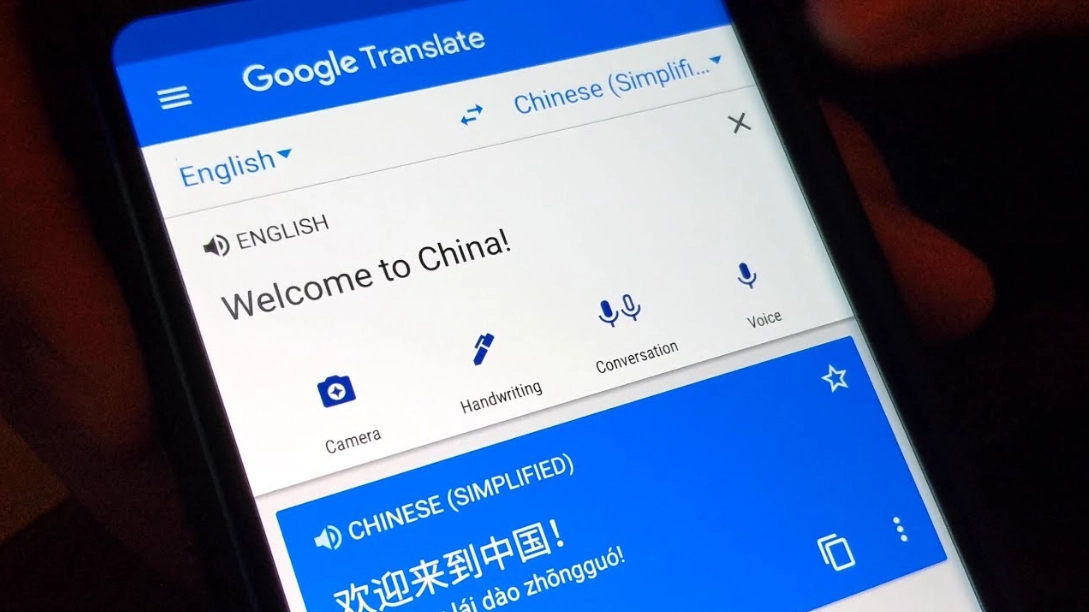
Buses, Bikes & Airport Express: More Options
Buses: Pay with the Yangchengtong bus QR mini-program (same as metro). But bus stops are only labeled in Chinese, and routes are hard to follow. I only use buses for one route: from Shamian Island to Chen Clan Academy (line 25). Otherwise, stick to metro or DiDi.
Bike sharing: You'll see blue and yellow bikes everywhere (Mobike and Hellobike). To unlock, you need their mini-programs in WeChat or Alipay. But there's a deposit of 299 RMB unless you have a Chinese credit score. Not worth it for short visits. The bikes are heavy and parking spots are limited. Walk or take a DiDi.
Airport Express: Line 3 of the metro connects the airport to the city center (Tiyu Xilu station, 45 mins). The QR code method works. A taxi costs around 120-150 RMB. I recommend the metro for solo travelers, taxi for groups of 3+ with luggage.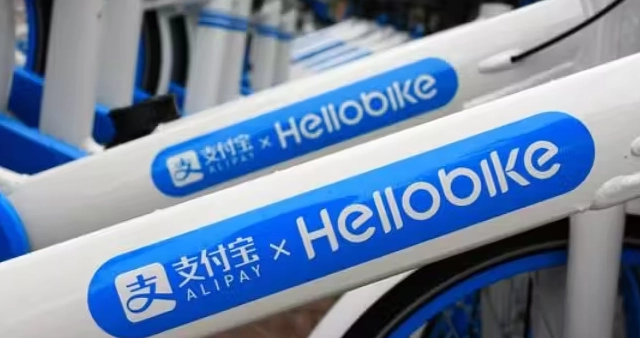
FAQ: Common Tourist Transport Problems Solved
Verified and fact-checked by the editorial team. This content has been fact-checked to ensure informational precision.








Disappointing experience. I downloaded 'Guangzhou Metro' app as recommended, but it kept crashing on my iPhone 12 when I tried to open the QR code. Ended up having to queue anyway because I couldn't get it to work. Also the app requires constant internet – underground in some tunnels it lost connection and the code wouldn't load. My friend used Alipay instead and that worked fine. Stick to WeChat or Alipay, skip this dedicated app.
Solid app overall, but not perfect. The QR code scanner at some older stations (like Ximenkou) took a couple of tries to read my screen. Also the app sometimes logs you out after a few days, which is annoying. That said, once you're in, it’s still faster than queuing for a physical ticket. If they fixed those bugs it’d be a 5. For now, a reliable 4.
Came from Shenzhen where we use WeChat Pay for everything. In Guangzhou I tried the official Metro app and it was just as smooth. Added my credit card in 2 minutes, topped up with a few taps, and the QR code worked even with spotty underground signal. Skipped a 10-minute queue at Guangzhou East station. 100% recommend for tourists – saves you from carrying coins or figuring out the ticket machine Chinese interface.
Used the 'Guangzhou Transport' unified app for a week straight. It covers subway, buses, and even the APM line. I loved that it shows real-time train arrivals on the home screen – helped me plan which car to stand on for quick exits. Only small gripe: the English translation in some menu screens is a bit rough, but the core function works flawlessly. Way better than buying tokens.
Absolutely life-saving during peak hours! I was at Tiyu Xilu station around 6pm and the ticket machine queue was insane. Opened the Guangzhou Metro app, generated a QR code, and walked straight to the gate. No fumbling for cash or cards. The code scanned instantly every time. For anyone visiting Guangzhou, this is non-negotiable – download it before you arrive!