Qiachuan Scenic Area
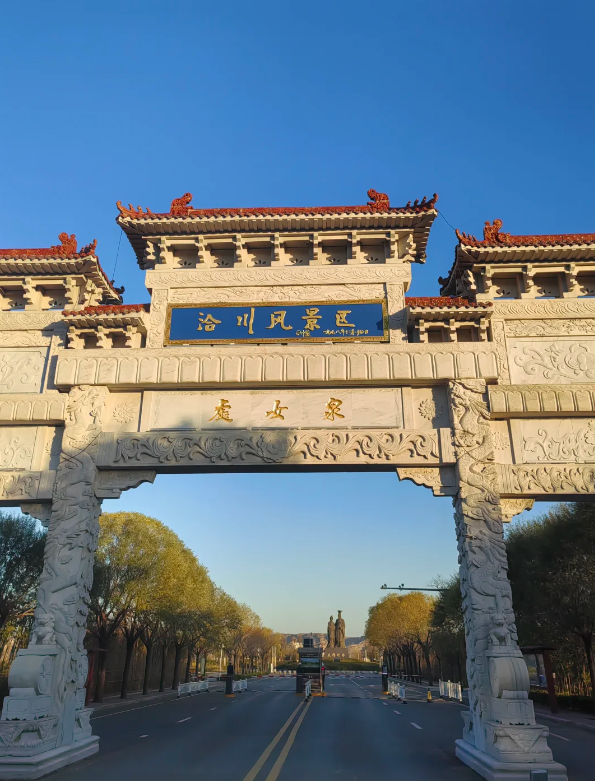
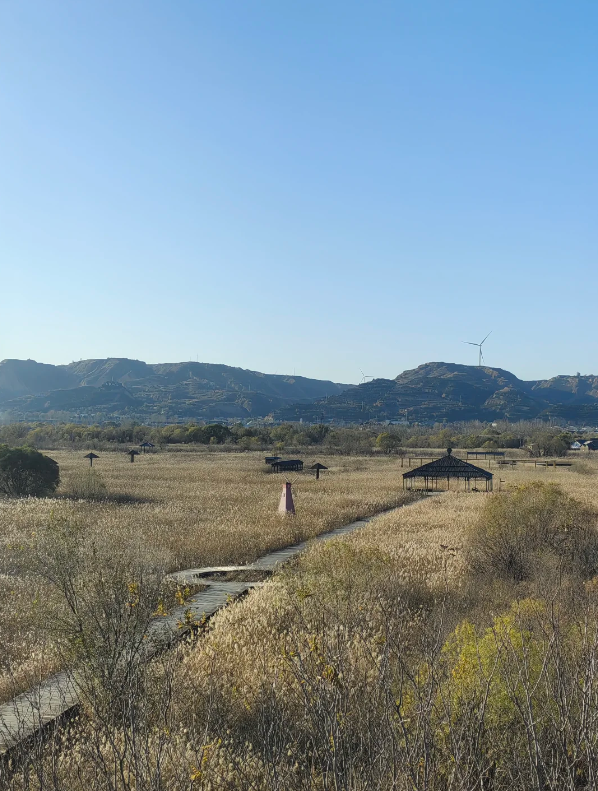
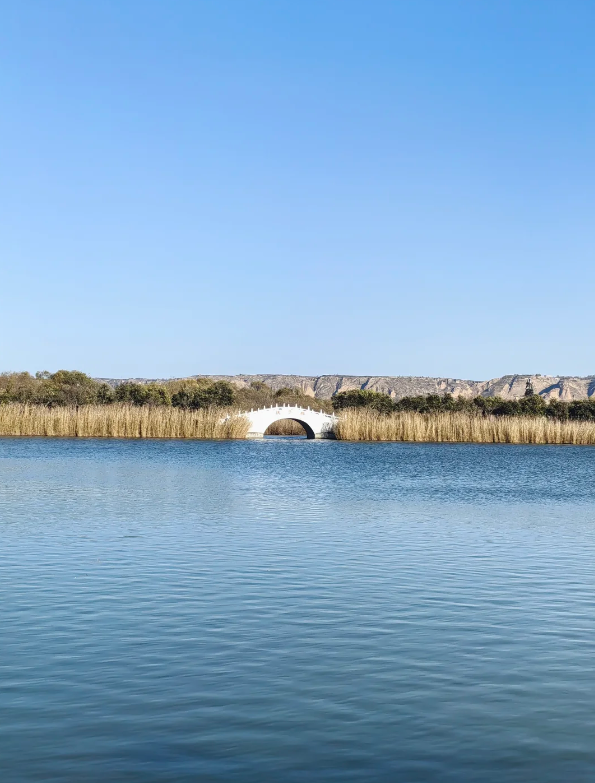
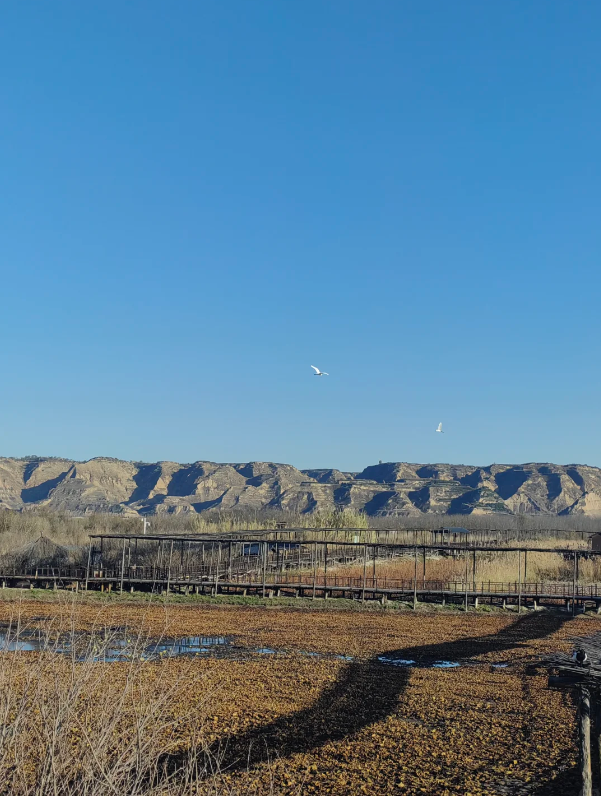
Qiachuan Scenic Area Overview
The largest hot spring lake wetland in the Yellow River basin, known as the 'Birthplace of the Book of Songs', featuring the Virgin Spring and reed marshes.
Qiachuan Scenic Area Opening Hours & Tickets
- 08:30–18:00 (summer) / 09:00–17:00 (winter)
- Best season: June–August for lotus; April–May mild and green.
- Ticket note: Scenic area combos available. Boat and hot spring extra. Booking suggested.
Essential Qiachuan Scenic Area Visitor Information
- Enquiries: +86 913 5620067
- Parking
- Restrooms
- Tourist center
- Boat docks
- Hot spring resort
- Farm-to-table restaurants
How to Get to Qiachuan Scenic Area
High-speed train to Weinan then bus to Heyang. Self-drive ~2.5 h from Xi’an.
Qiachuan Scenic Area Travel Safety & Advice
110; first-aid station near entrance.
Practical Info
- Heyang County, Weinan, Shaanxi
- 08:30–18:00 (summer) / 09:00–17:00 (winter)
- +86 913 5620067

We keep this guide current.
Ratings
★★★★☆
4.0
(5 reviews)
On-site notes & editorial review
Tickets
- Scenic area combos available. Boat and hot spring extra. Booking suggested.
Online booking may be required
Tips
Mosquito repellent required. No off-boardwalk wetland hiking.
Reality Check
- Boardwalk gets very congested in summer afternoons. Boat tours sell out early on weekends. Hot spring area packed.
Where to Stay Near Qiachuan Scenic Area View all
No related articles to display.
Top Attractions Near Qiachuan Scenic Area
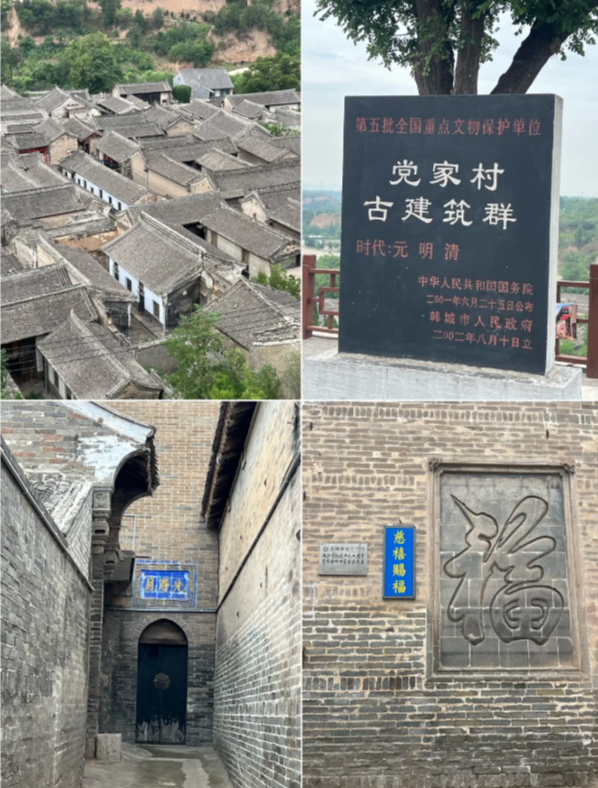 Architectural Museum
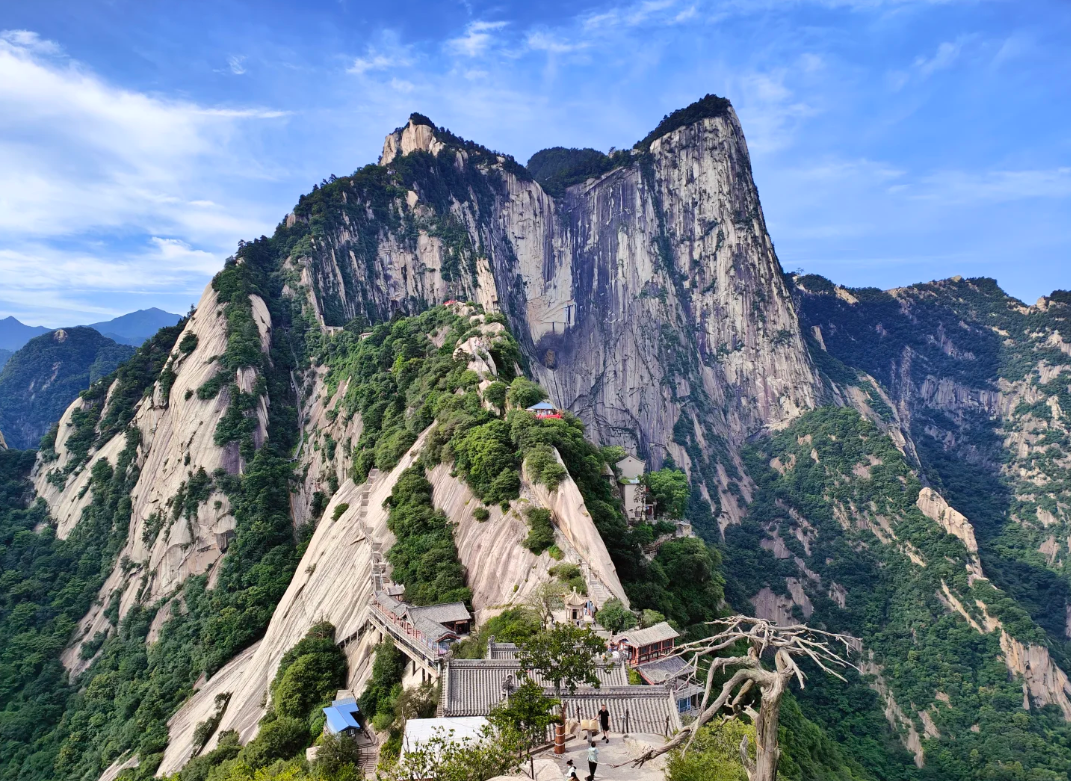 Five Great Mountains
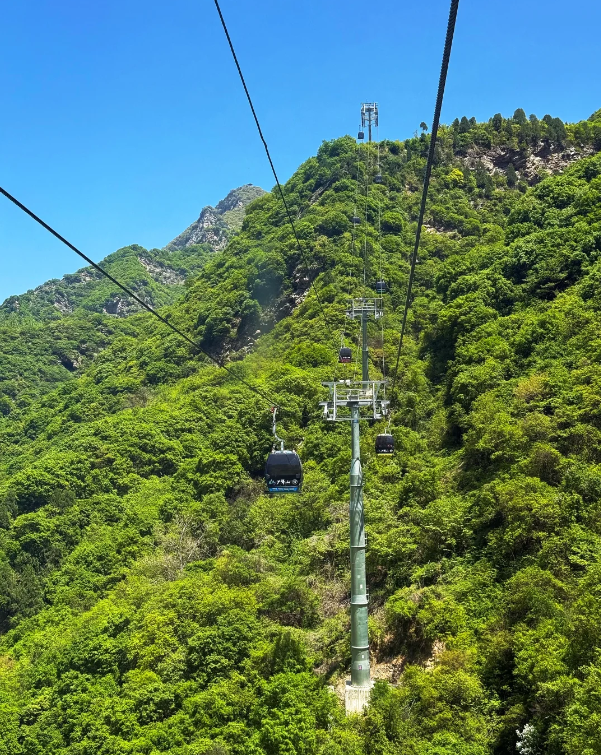 Scenic Forest Park
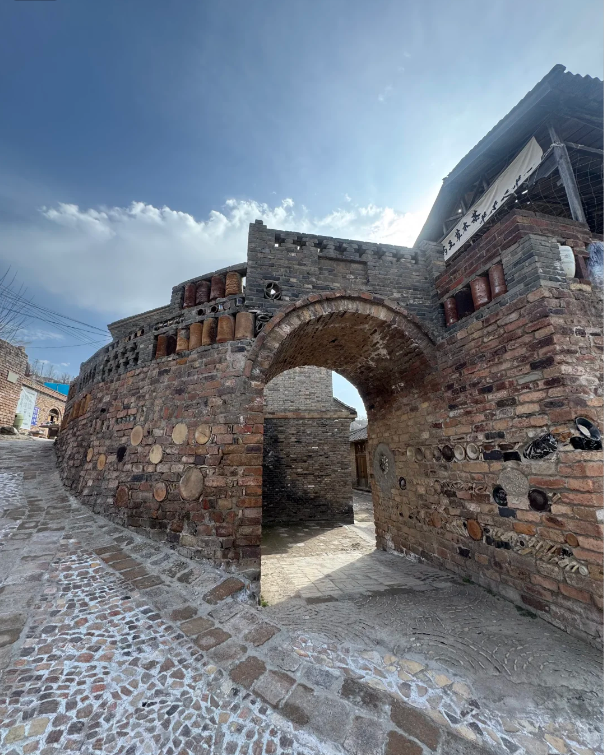 Pottery Capital of the East
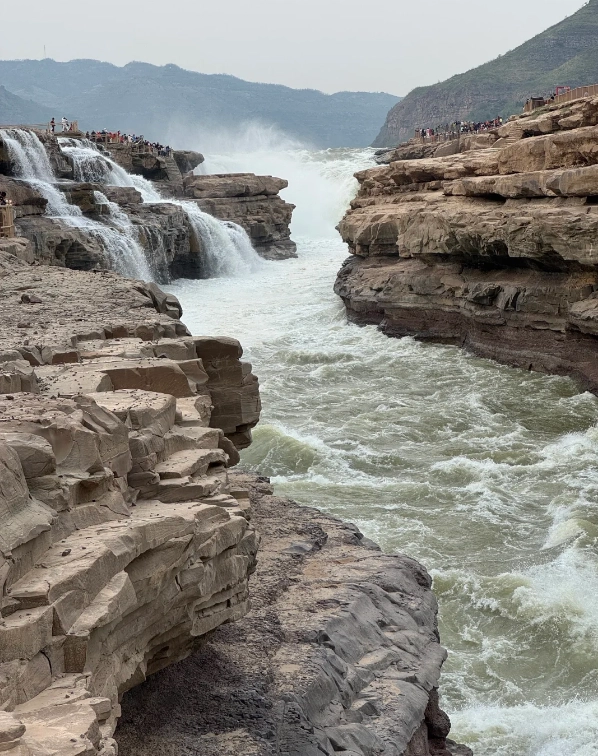 Wonder of the Yellow River
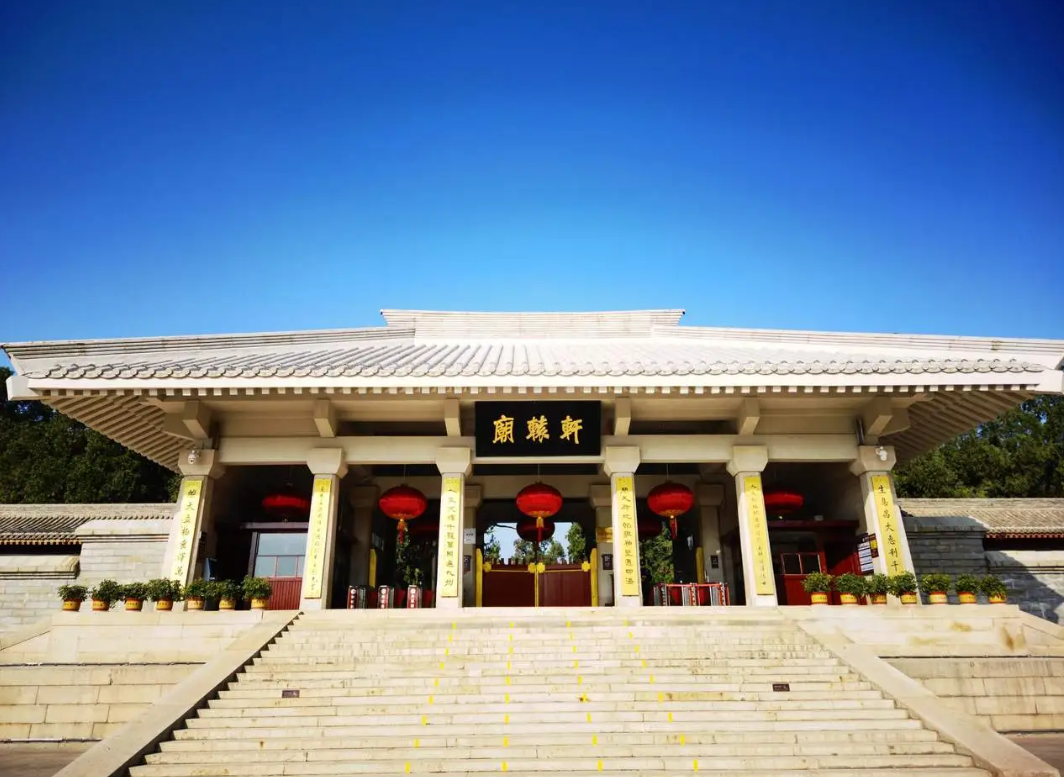 No. 1 Mausoleum under Heaven
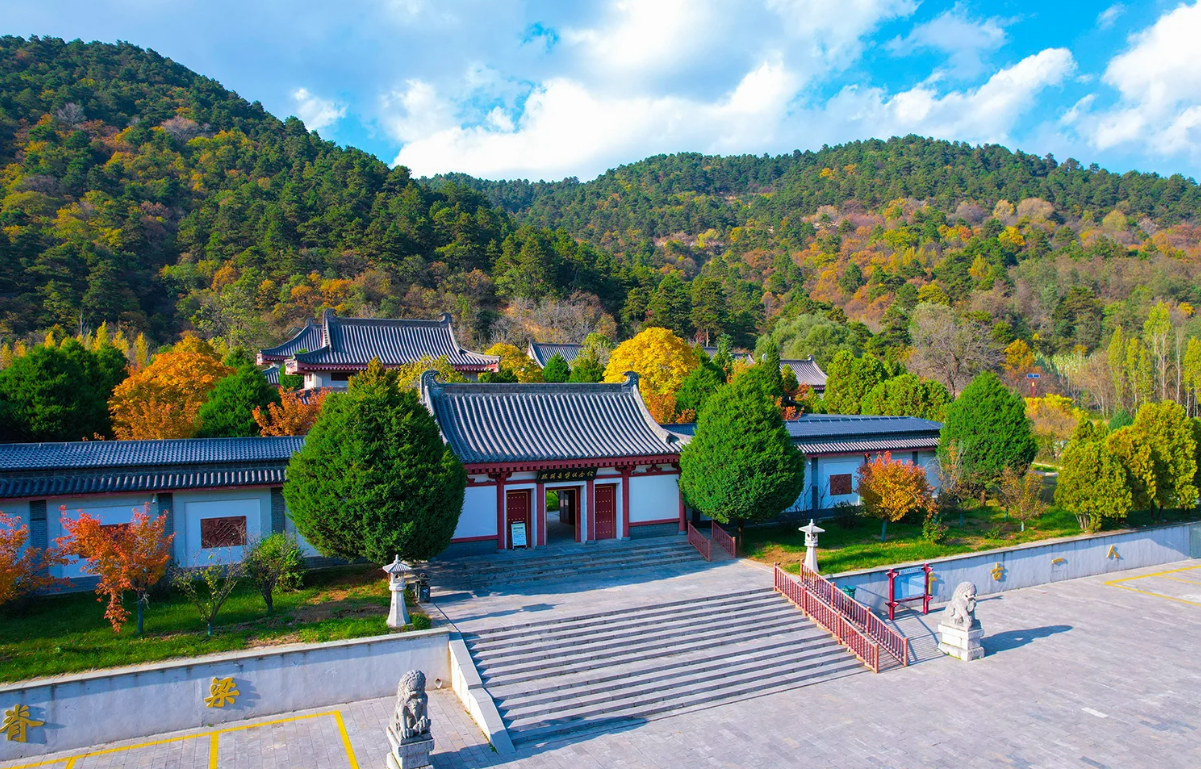 Historical, Cultural, Summer retreat
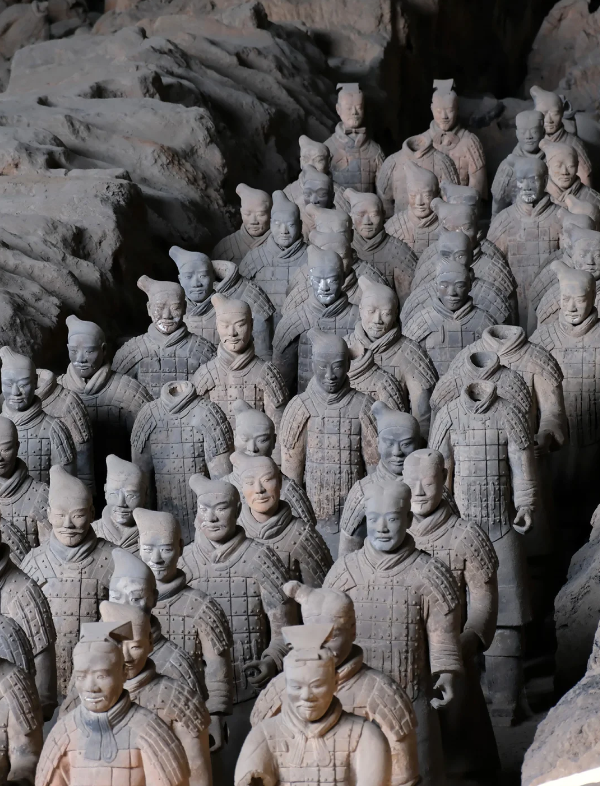 World Heritage Site
Qiachuan Scenic Area Travel FAQ
Is bargaining expected in Qiachuan markets?
Absolutely, in the market stalls and smaller shops. Fixed prices are more common in the few larger, air-conditioned souvenir stores near the entrance. In the bustling stalls, the initial price assumes you will negotiate. Not bargaining means you'll likely overpay.
Recent Reviews
Honestly one of the most underrated scenic areas I've visited. We went in early spring and the cherry blossoms along the lake were breathtaking—felt like a secret garden. The staff even let us borrow binoculars for free to watch the birds. Everything is clean, the restrooms are well-stocked, and the picnic benches have shade. An easy 5 stars—I can't believe more people don't talk about this place.
Went on a weekday hoping to avoid crowds, and it was mostly quiet except for a few school groups. The waterfall trail is short but gorgeous—lots of photo ops. However, the map on the official website is outdated: one of the paths was closed without any warning, and we ended up backtracking for 20 minutes. For a scenic area that charges admission, I'd expect better trail maintenance info. Decent, but not amazing.
Perfect getaway for a quick weekend escape. The sunrise from the eastern platform is something you have to see to believe—pure gold and orange lighting up the whole valley. We did the guided tour and our guide, Leo, was hilarious and super knowledgeable about local plants. The only downside was the coffee at the cafeteria tasted like dishwater. Still, a solid 4 stars from me.
Nice spot for a day trip, but honestly a bit overhyped. The entrance fee is reasonable, but the parking situation was a nightmare—took 40 minutes just to find a spot. The scenic area itself is pretty, but we saw trash left by other visitors near the stream, which killed the vibe. Not bad, but I wouldn't drive more than an hour for it.
Absolutely stunning views! The hike up to the main lookout was well worth it—felt like walking through a painting with all the mist rolling over the peaks. The trails are well marked and the visitor center staff were super friendly. Only wish I had packed more water because it gets warm in the afternoon. Will definitely come back in autumn for the foliage!
Leave a Review