Haikou Qilou Old Street Overview
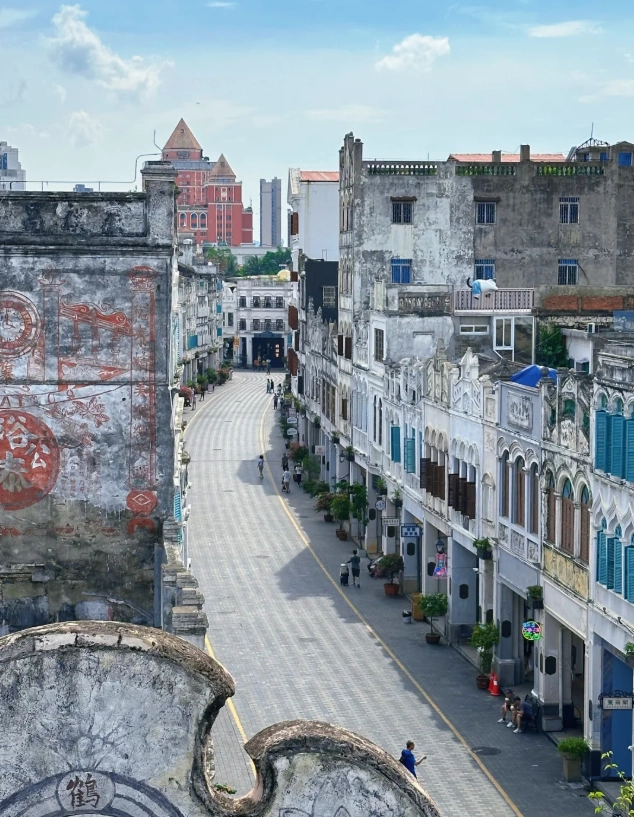
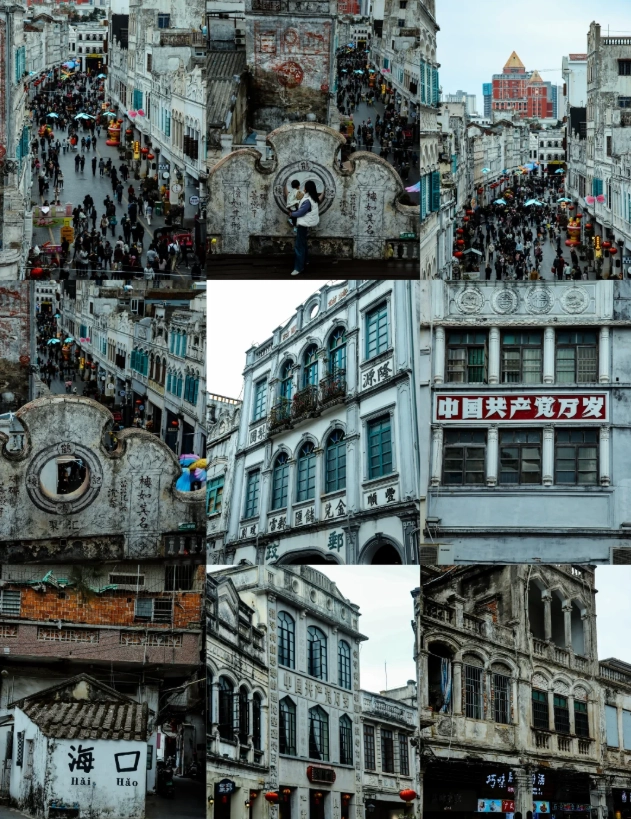
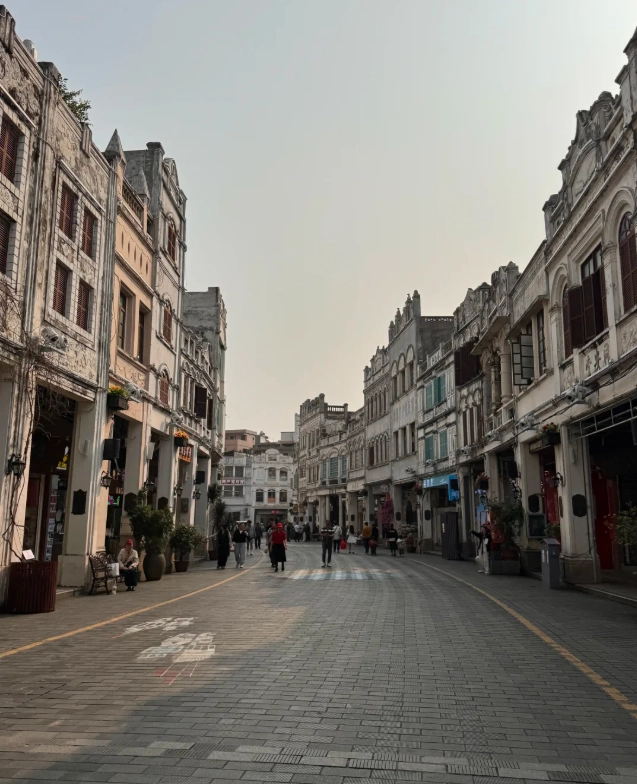
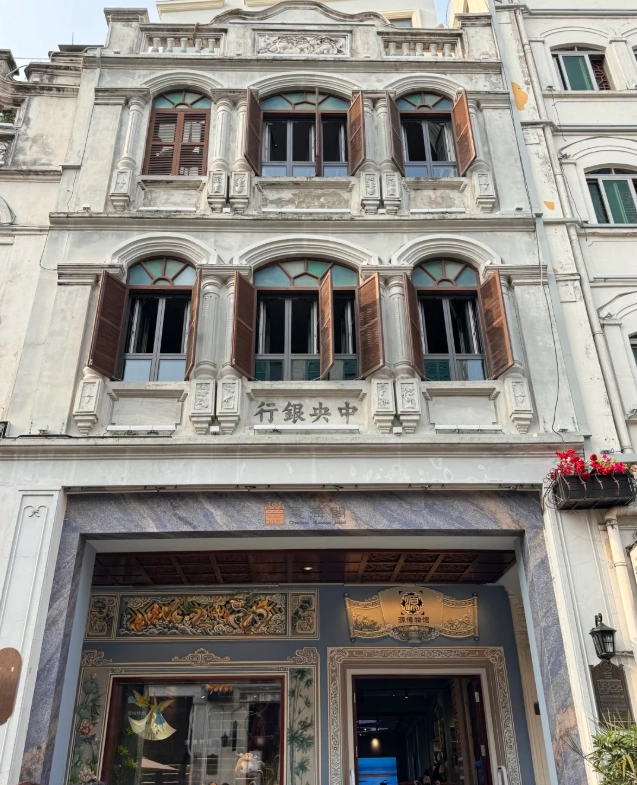
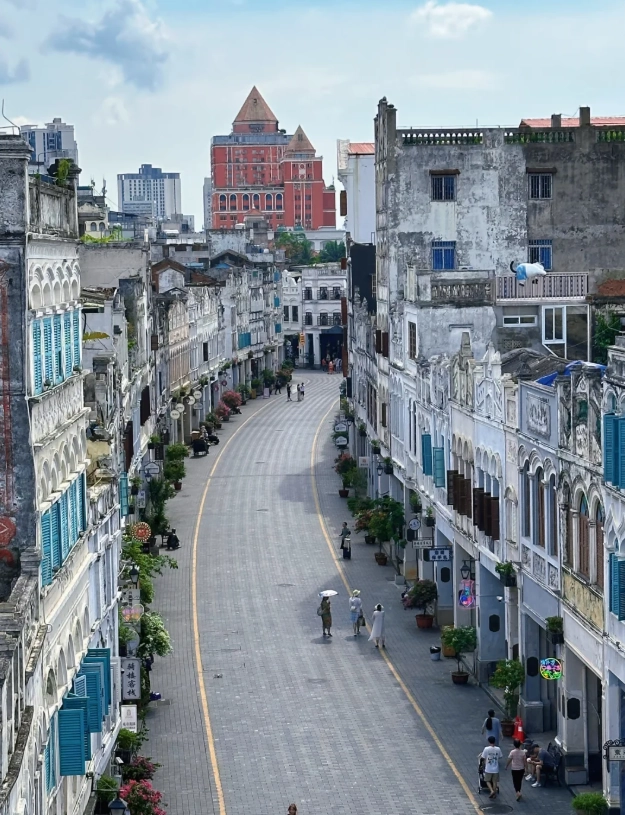
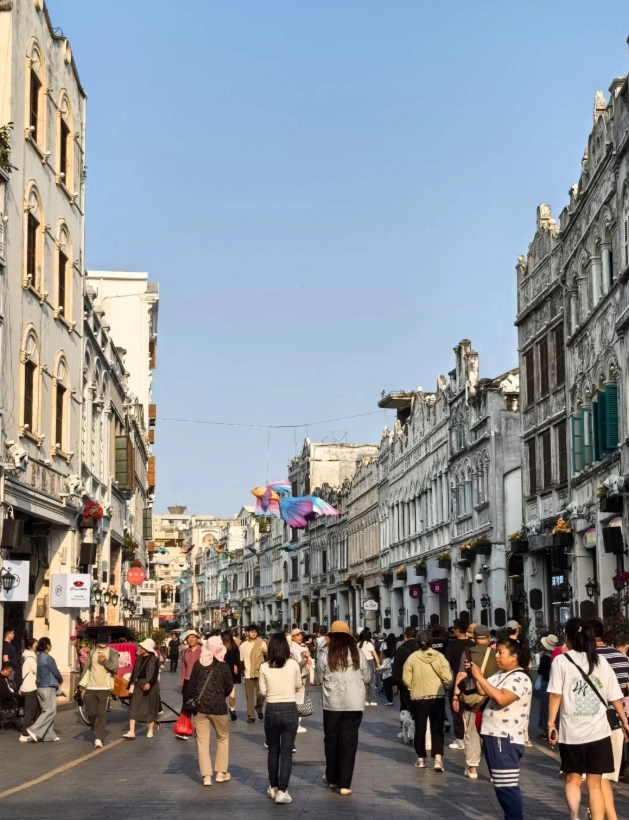
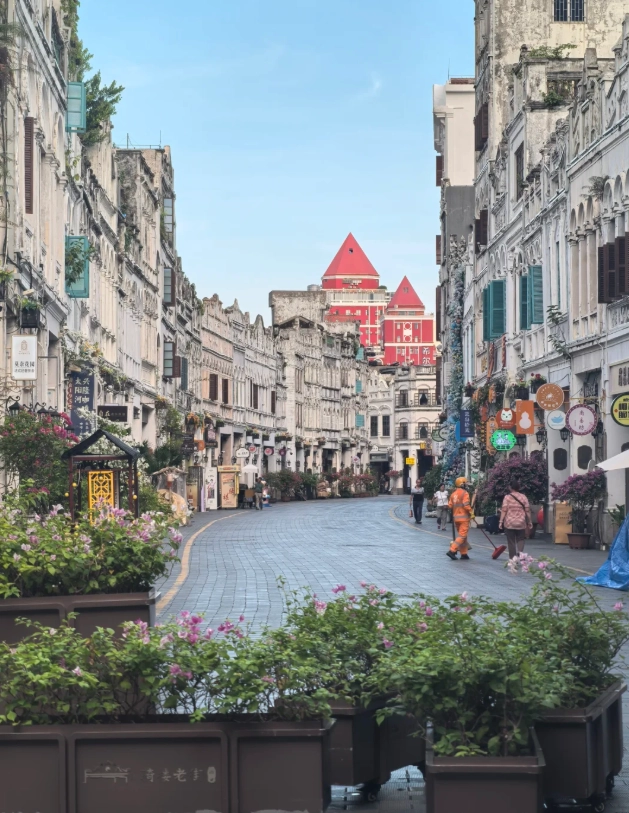
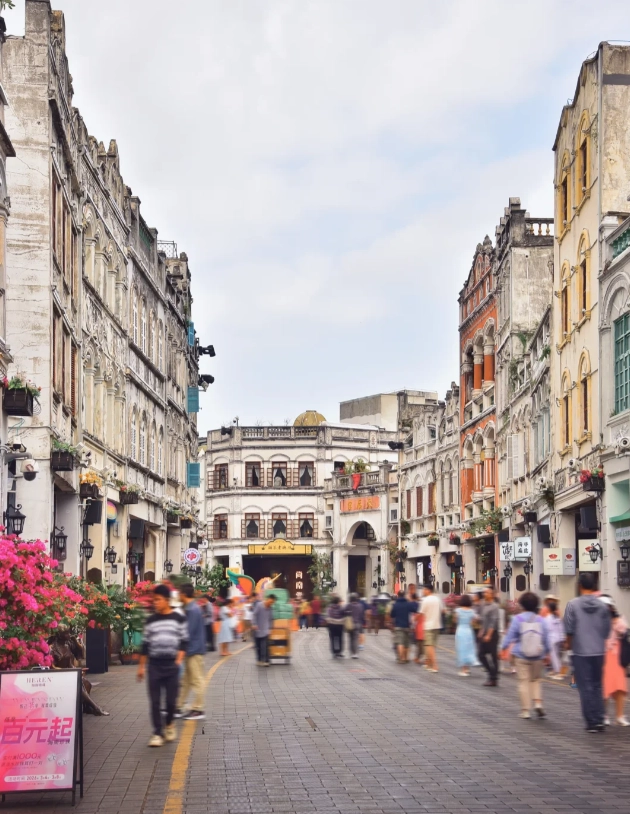
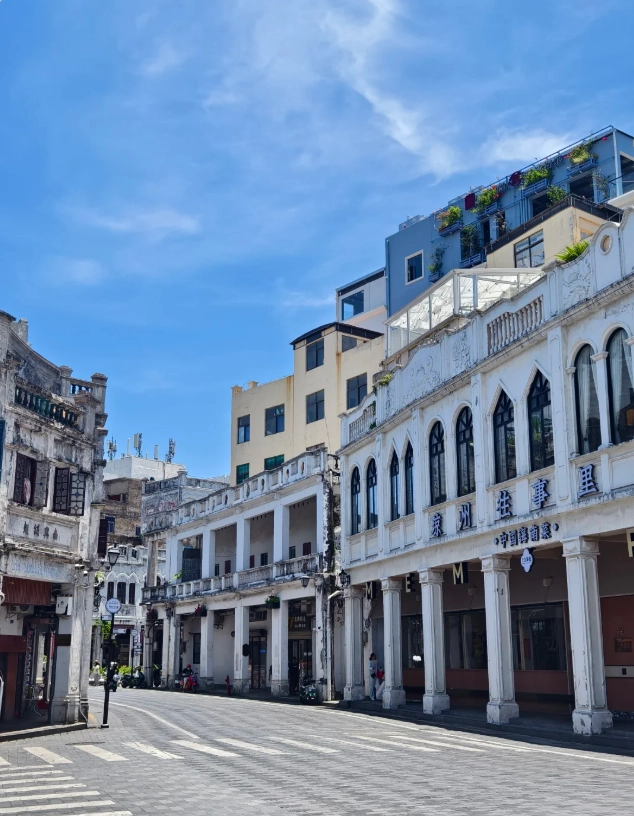
A historic neighborhood featuring architectural styles blending European arcade designs with traditional Asian elements, featuring vibrant local street food, coffee culture, and cultural exhibitions.
Haikou Qilou Old Street Opening Hours & Tickets
- Open all day (24/7); individual shops and exhibition halls open from 09:30 to 22:00
- Best season: November to April, ideally late afternoon or early evening to avoid the intense midday sun
- Ticket note:
Free public area; no entry ticket required for the streets.
Essential Haikou Qilou Old Street Visitor Information
- Enquiries: +86 898 66200609
- Public restrooms
- Visitor information centers
- Cafes and teahouses
- Boutique souvenir shops
- Local bus stops
How to Get to Haikou Qilou Old Street
Accessible via numerous city bus lines to Qilou Old Street Station, or a short taxi ride from central Haikou hotels.
Haikou Qilou Old Street Travel Safety & Advice
Dial 120 for medical emergency; tourist police kiosks are stationed at key intersections.
Haikou Qilou Old Street Travel FAQ
Is Haikou Qilou Old Street guided tour worth it if I have limited time?
If you only have half a day in Haikou, this is the place to spend it. The street packs architecture, food, and history in a walkable area. But skip the paid guided tour; my self-guided route above covers everything.
Can I use cash everywhere on Qilou Street?
No. Many small stalls only accept WeChat Pay or Alipay. I've seen tourists struggle to buy a bottle of water because they only had cash. Link your foreign card to Alipay before you go — it accepts Visa and Mastercard.
How do I book a guided tour without a Chinese phone number?
You don't need to pre-book. Just show up. If you want a human guide, look for freelance guides on Trip.com or Klook. They typically ask around 300 RMB for a 2-hour tour. But honestly, everything I've written here is what they'll tell you.
What's the biggest mistake foreigners make at Qilou Street?
Coming too early and leaving too late. The street's real charm emerges after 4 PM. Also, they buy expensive souvenirs at the first shop they see. Walk to the end of Bo'ai Road — prices drop by half.
Can I see Haikou Qilou Old Street in only 1 hour if I have a tight schedule?
Technically yes, but frankly it's a waste. You'll walk the main strip, snap a few photos, and leave thinking it's just a row of old buildings. The best parts—the hidden courtyards, the rooftop views, the small museums—all need extra time. If you're truly short on time, skip the side lanes and just do the main Bo'ai Road + one quick drink at a café. That'll run you about 1.5 hours.
How long to spend at Haikou Qilou Old Street for photography?
If you're serious about photos, allocate 3 to 4 hours. The light changes dramatically: morning (8-10am) gives soft, even lighting for architecture; afternoon (3:30-5pm) creates dramatic shadows under the arcades. I've seen photographers camp at one intersection for an hour waiting for the perfect moment. Worth it.
Is it better to visit Qilou Old Street on a weekend or weekday?
Weekday, absolutely. Weekends see a flood of domestic visitors, and the narrow lanes get congested. If you can only go on a weekend, arrive before 9am. By 10am it's bustling, and by 11am the queues at popular snack stalls can be 15-20 minutes.
What should I do if my Alipay doesn't work at the street stalls?
Don't panic. Most stalls have printed QR codes that accept foreign cards if you've set up Alipay correctly. But occasionally it fails—always carry about 100 RMB in small bills (10 and 20 notes) for these cases. Also, the ATMs at the Bank of China near Jiefang West Road accept foreign cards (look for the logo).
Are there English signs or guides at Haikou Qilou Old Street?
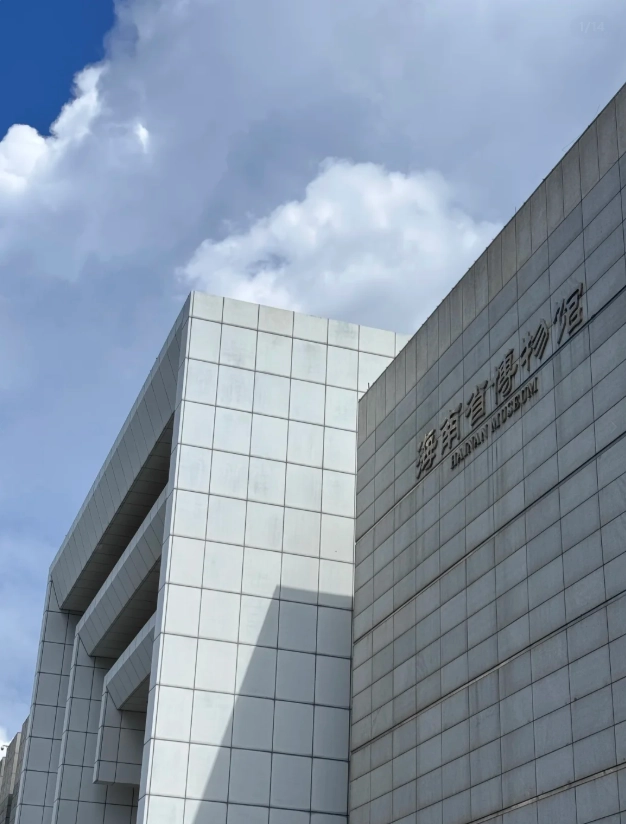
Very few. The main museum has small English labels, but most shops and info boards are in Chinese only. I strongly recommend having a translation app like Baidu Translate or Apple Translate on your phone (with offline pack downloaded—Wi-Fi can be spotty). And yes, you'll need a VPN to access Google, Instagram, or WhatsApp in China.
How much time should I spend at Qilou Old Street?
If you’re a casual walker, 2-3 hours will cover the main street and a few side alleys. If you want to visit museums and eat a proper meal, budget half a day. I usually tell my groups: arrive at 15:30, explore until 18:00, then have dinner at one of the local restaurants as the street lights come on.





Recent Reviews
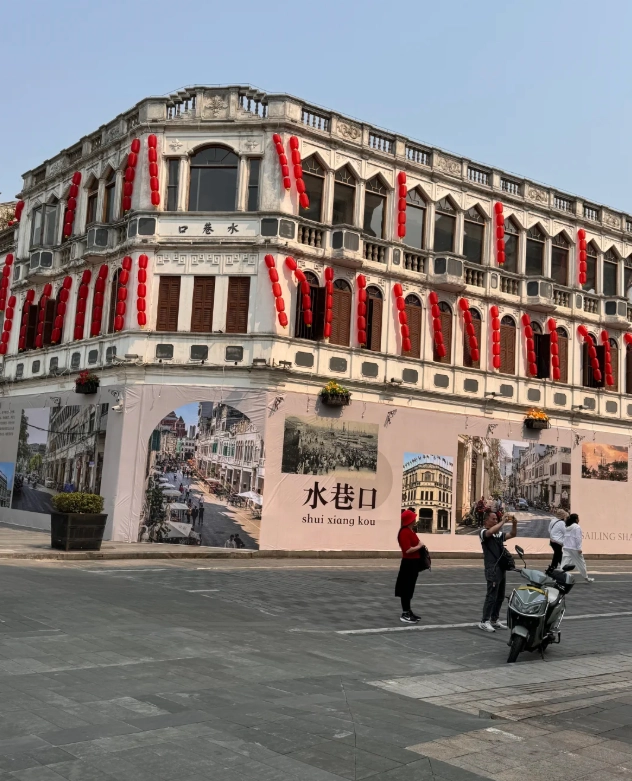
Okay, I'm a bit biased because I love exploring old Chinese streets, but this one really exceeded expectations! We went in the evening when the red lanterns lit up the arches – so atmospheric. There's a lovely little museum about the history of the qilou architecture that's free to enter, and the staff there were super friendly. We ended up at a rooftop bar overlooking the street, sipping fresh coconut water. The whole vibe is just relaxed and photogenic. Definitely one of my favorite spots in Hainan.
What a fascinating place! The Qilou buildings are a perfect mix of Chinese and Southeast Asian styles – those dusty coral-colored facades with wooden shutters are like nothing I've seen elsewhere. I loved just wandering under the colonnades, especially when a sudden rain shower hit; everyone tucked under the arcades and life just kept going. The warm coconut milk rice cakes sold by an old auntie were delicious. If you're into photography or history, you'll be in heaven. Five stars from me.
I absolutely loved Haikou Qilou Old Street! The architecture is stunning – those old arcades and lattice windows make you feel like you've stepped back in time. I went early morning when the light was soft and the street was still waking up, and it was pure magic. The local breakfast shops serve amazing rice noodles with a tangy broth. Don't miss the little side alleys either – that's where you'll find hidden temples and grandpas playing chess. Highly recommend spending at least half a day here!
Meh. Maybe I came with too high expectations after seeing photos online. The street is photogenic in patches, but it's super commercial now – every other shop sells the same dried seafood or cheap tourist trinkets. The noise from mopeds and vendors is constant, and the smell of frying fish balls gets overwhelming after ten minutes. I get the historical charm, but it felt more like a bazaar than an old street. Grab a quick look and move on.
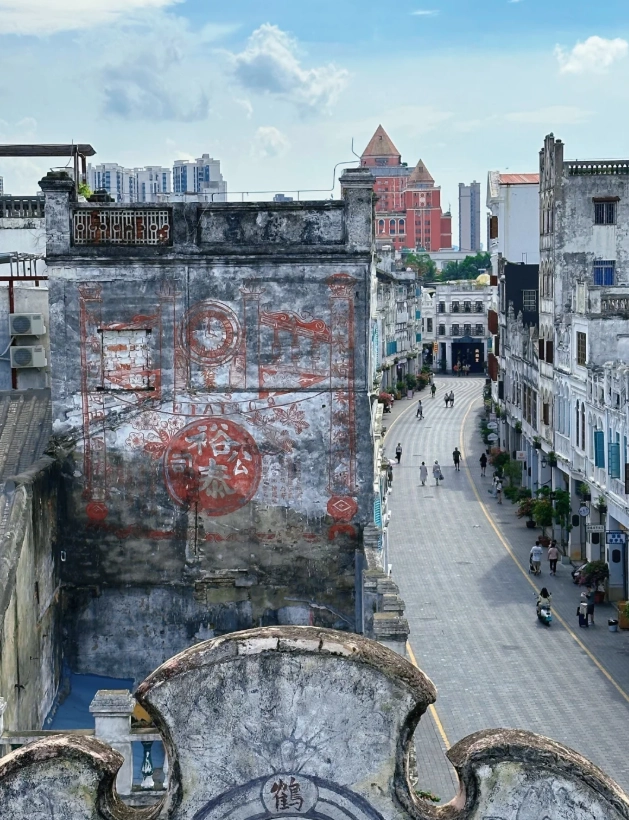
Strolling through Qilou Old Street felt like walking into a living postcard. The arcaded buildings have this beautiful faded pastel paint and intricate plasterwork, but honestly, some sections are quite worn and could use a bit of conservation love. I stopped at a tiny coffee shop on the corner and just watched the scooters zip by – the mix of old architecture and everyday chaos is kind of magical. Not everything is perfectly preserved, but the atmosphere is one of a kind.
Honestly, I was a bit underwhelmed. It feels very commercial now—plastic souvenirs and identical snack shops everywhere. A few of the old buildings are gorgeous, but they're crammed between tacky modern storefronts. Probably much better at night or if you catch it without the tour groups. Fine for a quick walk, but I wouldn't plan my day around it.
Nice heritage street with a lot of character, though it gets extremely busy on weekends. The architecture is impressive and there are plenty of food stalls to try. I just wish there were more plaques explaining the history—you're left to figure out what you're looking at. Still, a pleasant way to spend a couple of hours.
This place exceeded my expectations! Every corner has a photo opportunity, and the little alleys branching off the main street hide tiny coffee shops and antique stalls. I bought a hand-painted fan and some dried seafood as gifts. Even in the heat, the covered walkways give you shade. Really unique atmosphere.
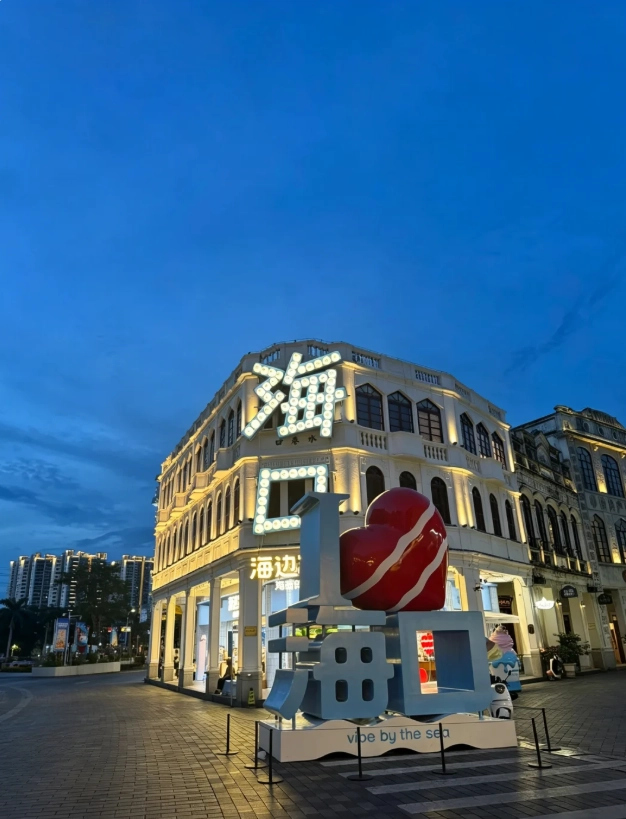
Stumbled in here expecting just another tourist street but stayed for hours. The architecture alone is worth it—those ornate balconies and shutters tell a story. Had some amazing local snacks: aged oyster omelette and a sweet noodle soup. Nighttime lighting makes the whole street glow. Would go back just to photograph the details.
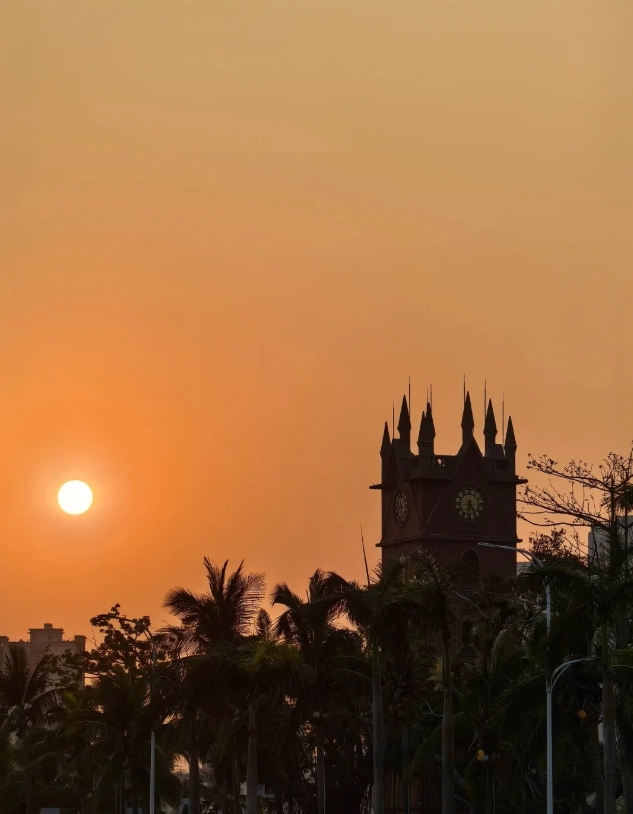
Loved wandering through the old arcades in the late afternoon! The mix of colonial-style buildings and buzzing shops is unlike anywhere else. We stopped for a coconut drink and just watched the street life go by. The preserved facades are beautiful, especially as the light turned golden. Definitely a must-do in Haikou.
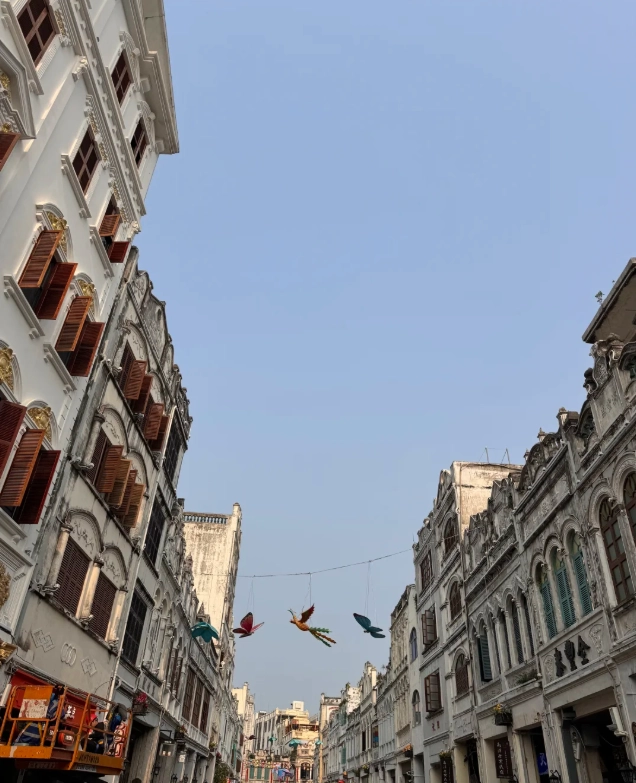
This place is an absolute photographer’s paradise! The intricate carvings, faded pastel colors, and vintage shop signs create such a cinematic atmosphere. I went during a drizzle and the wet cobblestones reflected the lights beautifully. Also tried some local snacks—the coconut cake was divine. One of the best heritage streets I’ve seen in China. 5 stars!
Haikou Qilou Old Street is a nice place to get a feel for local life, but I was a little underwhelmed. The streets are clean and the buildings are photogenic, but many shops sell the same mass-produced trinkets. The nearby food market was more interesting. Still worth a quick visit if you're in the area, just don’t expect a hidden gem. 4/5.
Went here on a whim and was blown away by the unique blend of history and modern café culture. Found a tiny coffee shop hidden in a side alley that served the best Hainan-style iced latte. The arcades offer great shade so it’s walkable even in hot weather. Perfect for a lazy afternoon walk. Highly recommend!
Pretty cool spot for a stroll, but honestly it felt a bit too touristy for my taste. The old buildings are well-preserved, but the constant stream of souvenir shops and loud music kills the historical vibe. Got some decent photos though. Would probably recommend going early morning before the crowds hit. 3/5.
Absolutely loved this place! The architecture is stunning, with a perfect blend of南洋风格 and Chinese elements. We visited in the late afternoon when the golden light hit the buildings—magical. The street food stalls were amazing, especially the spicy noodle soup. Could easily spend a whole day here exploring every nook. A must-see in Haikou!
Honestly, I was a bit underwhelmed. The street looks picturesque in photos, but in reality it’s extremely commercialized with chain stores and souvenir shops that all sell the same things. The food was okay – nothing special. It felt more like a shopping mall with a façade than an authentic historical area. Maybe I came on a bad day, but I wouldn’t go out of my way for it.
Nice street with character, but it can get overly crowded during weekends. I appreciated the colonial-style buildings and the variety of shops. However, some areas felt a bit too touristy with aggressive vendors. Still worth a visit – try the local iced coffee and just stroll around early in the morning to avoid the crowds.
As a history enthusiast, I found Qilou Old Street fascinating. The architecture tells the story of Haikou’s trade past. I joined a free walking tour and learned so much about the Overseas Chinese heritage. The buildings are well-preserved, and the mix of old and new is charming. This is the soul of Haikou.
If you're a food lover, this place is heaven! From the famous old-style tea houses to street stalls selling Wenchang chicken and sweet potato soup, every bite was incredible. The historical vibe adds to the experience. I spent an entire afternoon just eating and exploring. Highly recommend coming hungry!
I absolutely loved wandering through the Qilou Old Street! The architecture is stunning – those ornate facades with European and Southeast Asian influences are a photographer's dream. I tried some amazing coconut-based desserts and bought a few handcrafted souvenirs. The evening lights made everything even more magical. Definitely a must-visit in Haikou!
I came here mainly for photography and was not let down. The contrast between the weathered facades and the bustling street life is incredible. Spent a whole morning just walking from end to end, shooting details of the window grilles and old shop signs. The souvenir prices are a bit inflated compared to other parts of the city, but the experience is priceless. Bring a wide-angle lens!
Hands down one of the best old streets I've ever walked. The renovation work here is top-notch – it feels authentic but clean and walkable. I loved the little museums and galleries tucked away. Special shout out to the lady selling coconut rice cakes near the east gate; her family has been doing it for 40 years. If you love food, culture, or just beautiful architecture, this place is a must-do in Haikou.
Absolutely magical! I visited at dusk when the lanterns were lighting up, and the whole street had a golden glow. The architecture is unlike anything I've seen – a perfect blend of Chinese and European styles. I spent hours exploring the side alleys and found a tiny café with the best iced coffee. Every corner is a photo opportunity. Highly recommend hiring a local guide to learn the history behind each building.
Loved the vibe here! The mix of old buildings and local life is really charming. I grabbed a bowl of spicy noodles from a tiny hole-in-the-wall and sat watching people go by. Prices were reasonable, and the area felt safe even in the evening. Only gave 4 stars because some streets were a bit dirty and crowded with scooters. Still, a great place to spend a couple of hours.
Strolling through Qilou Old Street felt like stepping back in time. The colonial architecture is stunning and well-preserved, but I was a bit disappointed by how commercial it's become. So many shops selling the same tourist souvenirs, and the food stalls were okay but nothing mind-blowing. Worth a quick walk for photos, but don't expect a quiet cultural experience.
I came here specifically for the food and was not disappointed! The fried oyster omelet from a street vendor was crispy and fresh, and the coconut water ice cream in a real coconut shell was a dream. Even the roasted chestnut cart smelled amazing. The architecture is a bonus – those arcades and carved wooden windows are gorgeous. If you're a foodie like me, this is paradise. Bring cash, some stalls don't take cards!
Solid place for a relaxed afternoon walk, but don't expect mind-blowing food. I grabbed a bowl of Wenchang chicken rice from a small stall – it was okay, a bit dry. The street itself is photogenic and has a nice old-fashioned charm. I appreciated that there were fewer chain stores than I feared. Give it a couple of hours; you'll see everything. Good for a quick cultural fix without going deep into the city.
Hands down one of the best photo spots in Haikou! Every corner has a different angle – arched arcades, old wooden shutters, and colorful street art. I spent hours just wandering and capturing details. Tried a local iced coffee at a tiny café tucked under an arcade and it was perfect for people-watching. Even the souvenir shops had some unique handcrafted items, not just cheap plastic stuff. Highly recommend for photographers and culture lovers.
I really wanted to love this place, but honestly it felt a bit too commercialized for my taste. Most of the shops now sell the same touristy souvenirs or generic snacks. The architecture is cool, but the constant honking from scooters and loud advertising speakers killed the vibe. Maybe come early morning before the crowds and noise hit? Still, worth a quick walk-through if you're in the area.
Strolling through Haikou Qilou Old Street felt like stepping into a living postcard. The blend of colonial and Chinese architecture is stunning, with ornate balconies and faded pastel facades. I loved the little hole-in-the-wall shops selling local snacks like fried oyster omelets and coconut milk desserts. The energy is lively but not overwhelming. Definitely a must-see in Haikou if you appreciate history and street food!
One of the most atmospheric streets I've ever walked in China. Every corner offers a new photo opportunity—loved the blend of art deco and traditional elements. The night market vibe is electric without being too chaotic. Clean, safe, and full of character. If you love architecture and street life, don't skip this.
This place exceeded my expectations! I visited on a weekday morning and had the whole street almost to myself. The intricate woodwork and faded tiles tell stories of a bygone era. Bought some local snacks from a tiny shop run by a sweet elderly couple. A truly immersive cultural gem. Highly recommend!
Absolutely magical! Walking through Qilou Old Street at dusk felt like stepping back in time. The decorative facades, the warm lights, the scent of street food—everything came together perfectly. I spent hours just exploring every alley. This is a must-see in Haikou, hands down. 5 stars!
A pleasant afternoon stroll! The old arcades are photogenic, and I loved the mix of colonial and local styles. A few cafes here offer great people-watching spots. However, the food stalls seemed overpriced for the portion sizes. Worth a visit if you're in Haikou, but manage expectations on value.
The architecture is stunning and you can tell it's been preserved with care. But honestly, the crowds during peak hours were overwhelming, and many shops sell the same generic souvenirs. I had a decent time but left feeling a bit disappointed by the lack of authenticity in the shopping experience.
Came here after reading about it online and it exceeded expectations. The arcaded walkways are perfect for escaping the sun, and the smell of brewing tea and frying snacks is everywhere. I tried the fried taro cake from a tiny stall near the east end — incredibly crispy and flavorful. The whole street has a buzzing yet relaxed atmosphere, and I loved watching old men play Chinese chess under the arches. This is the real Haikou. Don't miss it.
I visited on a weekday morning and it was pleasantly quiet. The old buildings are well-preserved and each row has its own character. I appreciated that it wasn't overly commercialized — there are still residents living above the shops, which adds authenticity. The only downside is that some shopkeepers are a bit pushy, especially if you linger near their stalls. Still, it's a solid 4-star experience if you enjoy history and street photography without huge crowds.
Absolutely loved the vibe here! The mix of colonial and Chinese elements in the architecture is gorgeous, and the street is so lively with locals selling everything from betel nuts to traditional pastries. I highly recommend the coconut rice cake — warm and slightly sweet, it's a game changer. I spent nearly three hours just wandering and taking photos. The evening lights make the place even more charming. A proper highlight of my Hainan trip!
Nice place for a quick walk, but honestly I was expecting more. The street itself is photogenic, but many of the shops feel repetitive — the same kind of dried seafood, the same pearl jewelry. A few restaurants looked promising, but the ones we tried were overpriced for the portion size. Also, the heat in the afternoon is brutal with almost no shade. Give it an hour max, then head somewhere air-conditioned. Not bad, but not amazing either.
Strolling through Haikou Qilou Old Street feels like stepping back in time — the blend of南洋 architecture and local life is absolutely stunning. We went right before sunset, and the golden light on those pastel facades was magical. Tons of little shops selling dried seafood, local snacks, and handmade jewelry. I grabbed some 老盐柠檬水 from a street stall and it was the perfect refreshment. Definitely a must-see if you're in Haikou, even if it's a bit touristy.
Leave a Review