 Peng Gao
Quick Navigation
I've been leading tours in Dunhuang for eight years. First time I brought a group here, I made every mistake—booked tickets wrong, got stuck in a camel jam, and watched my clients melt under the desert sun. So let me save you that headache.
This 3-day itinerary cuts straight to the point: you'll see the iconic Mogao Caves, ride camels at the singing sand dunes, explore ancient frontier passes, and still have energy for a sunset beer. No fluff. Just what works.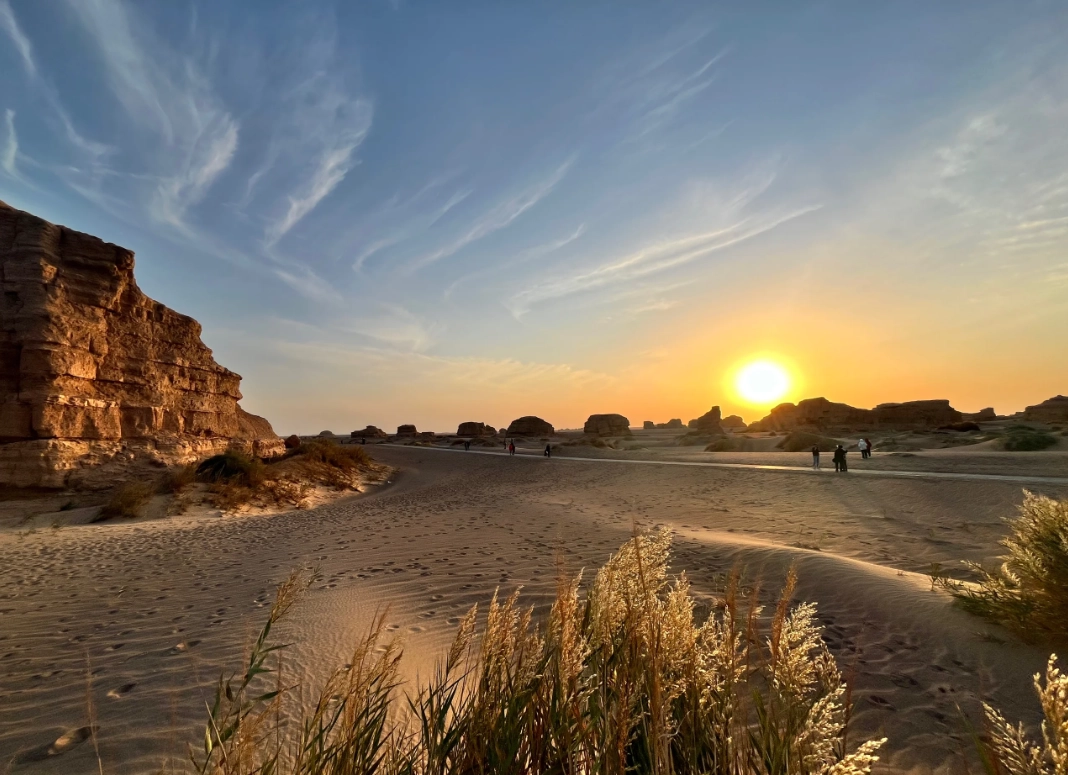
Day 1: Mogao Caves & Crescent Lake
Morning: Mogao Caves
Get tickets NOW. Seriously. You must book Mogao Caves tickets at least 2 weeks in advance during peak season (May–October) via their official site mogaoku.org or the WeChat mini-program. Ticket prices: Peak season (May–Oct) ¥238 for adult, ¥148 for student (with ID). Off-season (Nov–Apr) ¥140. The ticket includes a guided tour of 8–12 caves (random selection).
Pro tip: Arrive at 8:00 AM when gates open. The 9:30 AM slot is already chaotic. I always tell my groups to take the first shuttle bus from the Digital Exhibition Center—it's a 15-minute ride and you skip the worst queues. Also, no photography inside caves. Trust me, the guides are strict, and I've seen people get escorted out.
Lunch: Local Noodles Near Shazhou Market
Head to Shazhou Night Market area (actually open all day). Try Dunhuang Lanzhou Beef Noodles at a tiny shop called “Lanzhou Laomazi” (Google Maps pin: Link). A bowl costs ¥25–30, and the broth is lighter than Lanzhou style—more suitable for foreigners. Order “clearbroth noodles with chili on the side” if you don't like heat.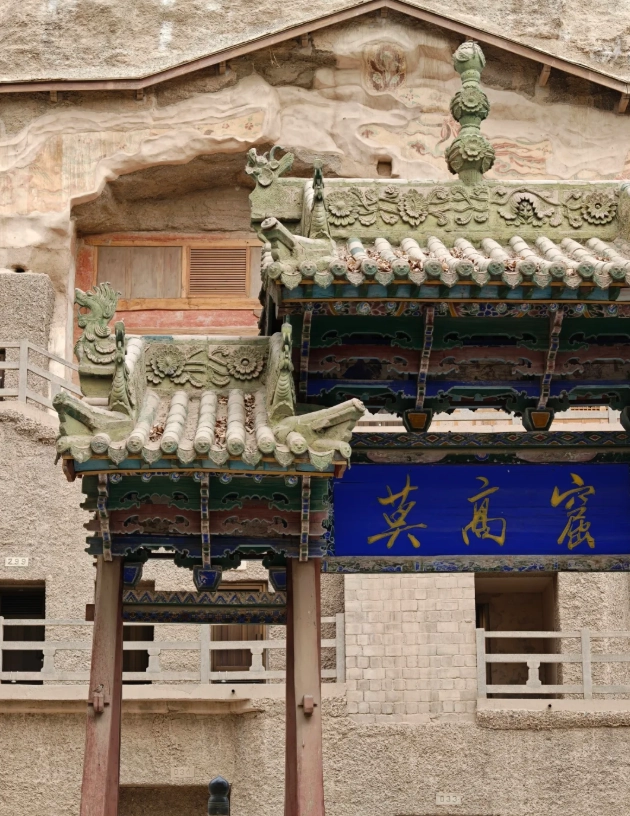
Afternoon: Singing Sand Dunes & Crescent Lake (Mingshashan)
Distance from caves: 15 minutes by taxi (¥20). Entry fee: ¥110 (valid for 3 days). The park is open 6:00–19:30 (summer), 7:00–18:30 (winter). I recommend going at 4:30 PM—the heat drops, light turns golden, and you can catch sunset from the dunes.
Camel ride: ¥100 per person (30 min). Here's the catch: they don't let you ride alone—you join a caravan. It's fun but bumpy. If you have back issues, skip it. Sandboarding costs ¥30, but the slope is short. For sunset, hike the sand ladder near the crescent lake side—it's easier than the main dune.
Avoid the scam: Some locals offer “private camel trails” for ¥500—it's exactly the same route. Just buy at the official counter.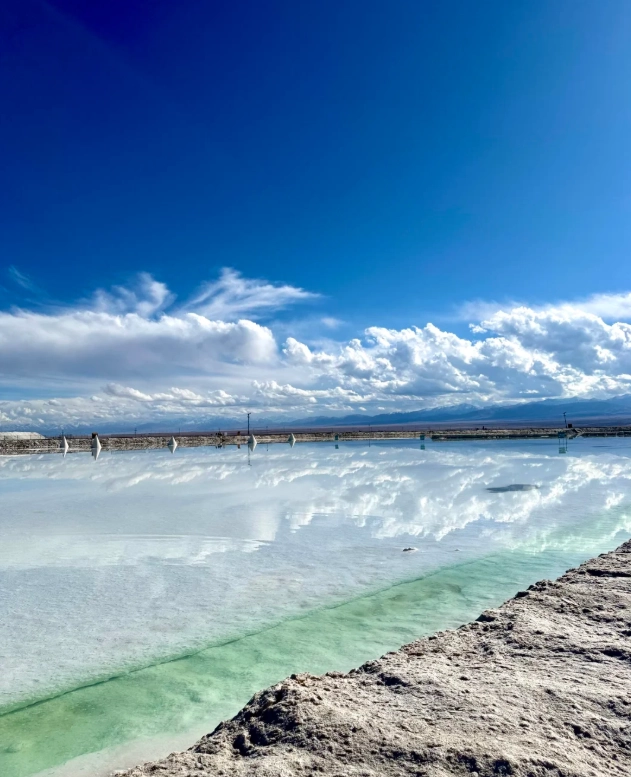
Day 2: Western Line – Ruins & Desert
This day is long—expect 10 hours. Hire a private car (around ¥400–500 for the day) or join a group tour (¥150 per person from local travel agencies near the night market). I prefer private car for flexibility.
Stop 1: Dunhuang Ancient City (optional)
A film set replica. Skip it if you're short on time—it's a tourist trap with ¥40 entry and nothing special.
Stop 2: Yangguan Pass
Entry ¥50. A restored Han dynasty gate. Honestly, the museum inside is more interesting than the gate itself. Give it 45 minutes. The real highlight is the view of the Gobi stretching to infinity.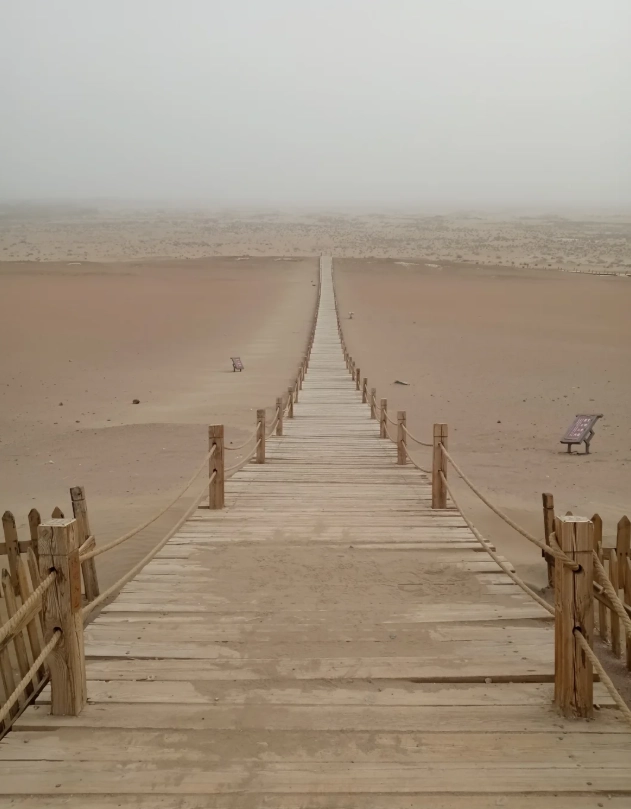
Stop 3: Yumen Pass
Entry ¥40. Only a crumbling square fort. Worth a quick 20-minute photo stop. The drive between these passes is gorgeous—you'll see the Great Wall ruins on the horizon.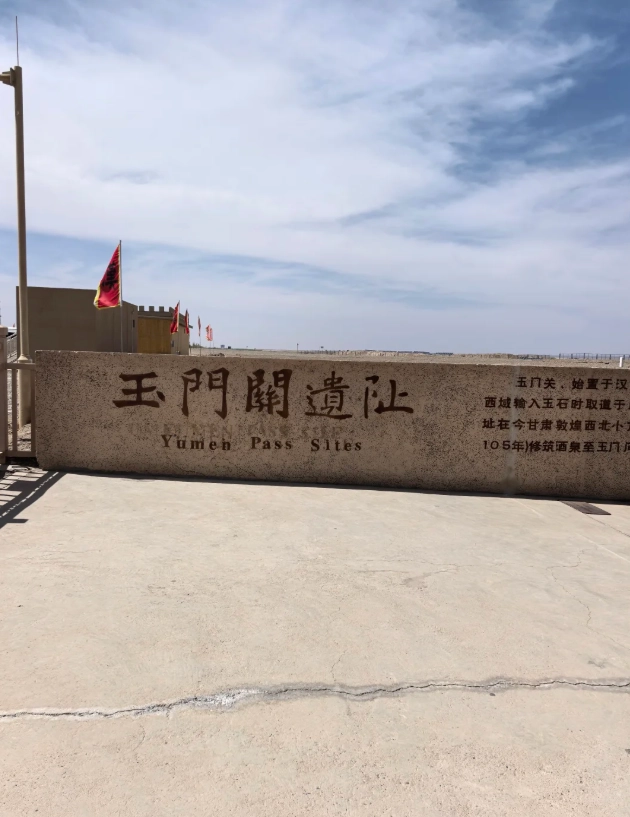
Stop 4: Yadan National Geopark (Dunhuang Yardang)
This is the main event. Entry ¥50 + shuttle ¥70 (mandatory). The park is a “desert ghost city”—weird wind-eroded rock formations. The shuttle stops at 4 points. The last stop at sunset is incredible. Bring a jacket—wind is brutal. Also, NO cell signal. Download offline maps. I once had a client wander off—don't be that person.
Return to Dunhuang city around 8:00 PM. Exhausted? Grab dinner at Shazhou Night Market—try the grilled lamb skewers (3 RMB each) and apricot peel water (free refill at most stalls).
Day 3: Flexible Exploration
You have three options depending on your energy level:
Option A: Mogao Caves deepened + Dunhuang Museum
If you want more arts, book a special ticket (¥200 extra) to see the “Special Caves” (No. 3, 45, 217, etc.)—available at the ticket office only, limited to 50 people daily. Then afternoon at Dunhuang Museum (free, closed Mondays). It's small but explains the Silk Road history well. Skip the “Dunhuang Painting” performance—overpriced at ¥200.
Option B: Yulin Caves (far but worth it)
Drive 2 hours east to Yulin Caves (not to be confused with Mogao). Off the beaten path—only handful of tourists. Ticket ¥40, no reservation needed. The murals are similar to Mogao but less crowded. You need your own transport (private car ~¥500 round trip).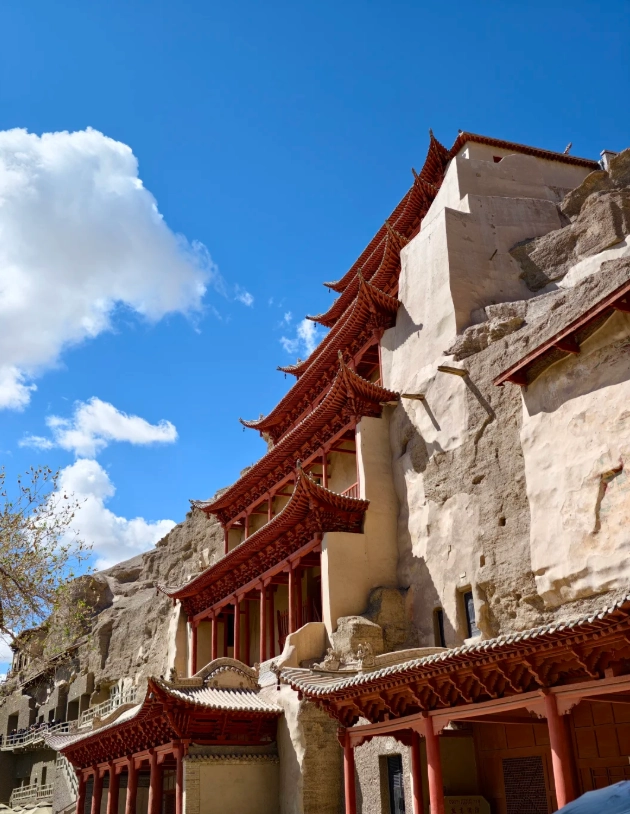
Option C: Desert Camping Experience
Book an overnight desert camp (¥280–400 per person, includes dinner, bonfire, tent, and sunrise). Companies like “Dunhuang Desert Camp” (on Trip.com) pick you up from your hotel at 6 PM. You ride ATVs, watch stars, then sleep in a tent. Warning: toilets are basic, and the tent gets cold after midnight—bring a sleeping bag liner. I've done it twice, and it's memorable if you're okay with roughing it.
Where to Stay
| Hotel | Price (RMB/night) | Pros | Cons | Best For |
|---|---|---|---|---|
| Dunhuang Silk Road Hotel | 400–800 | Good WiFi, English-speaking staff | Slightly west of city center | Business, families |
| Dunhuang Mountain Villa | 250–500 | Close to Mingshashan, quiet | Old building, few amenities | Couples, budget |
| Hostel International Dunhuang | 80–150 (dorm) | Social atmosphere, organizes tours | Shared bathroom, noisy at night | Backpackers |
What to Eat
Don't miss Laba porridge at breakfast (sweet, with nuts). For lunch, Liangpi (cold noodles) at “Zhen Lao San” near the night market—¥15, refreshing. Dinner: Dunhuang lamb chops at “Lanzhou Laomazi” (same place, they have a grill outside)—¥80 for a plate. Pay in cash—many small shops don't take international cards.





No comments yet.