 Hong Ma
Quick Navigation
Three years ago, I watched a French couple break down at the Mogao Caves ticket booth. They’d flown 10,000 miles, queued an hour, and were told “sold out for two weeks.” The wife cried. I felt terrible. That moment I decided to write this guide.
Dunhuang is magical—camel rides under a crescent moon, caves painted a millennium ago. But planning a Dunhuang trip? It’s a maze of WeChat mini-programs, digital payment walls, and hidden time traps. Most online guides tell you “book in advance,” but never how to actually do it. Let me fix that.
Here’s the cold truth: a stress-free Dunhuang trip comes down to two things—nailing the Mogao Caves ticket system and choosing the right season. Get those right, and everything else falls into place.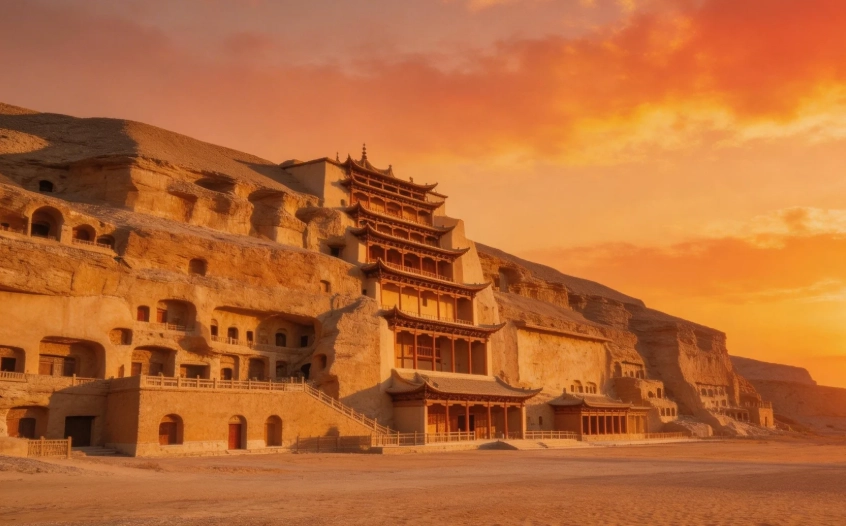
Why Dunhuang Is Tricky (and Why I Love It)
First time I brought a group here, I made every rookie mistake. I booked hotels near the night market (noisy), arrived at Mogao at 10am (longest queue), and tried to pay for dinner with cash (laughed at). You don’t have to repeat that.
The main pain points for foreign tourists:
- Payment hell: Most places only accept WeChat Pay or Alipay. International credit cards? Forget it. Even at the Mogao ticket office, they prefer mobile payments.
- Booking black hole: Mogao Caves’ official booking is through a WeChat mini-program that’s entirely in Chinese. No English option. If you don’t have WeChat, you’re stuck.
- Crowd tsunami: Summer (July-August) sees up to 20,000 visitors daily. The caves are hot, packed, and you get rushed through.
- Distance deception: Dunhuang look small on the map, but getting from Mogao to the Singing Sand Dunes takes 20 minutes by taxi, and attractions are spread out.
Best Time to Visit Dunhuang (Don’t Come in August)
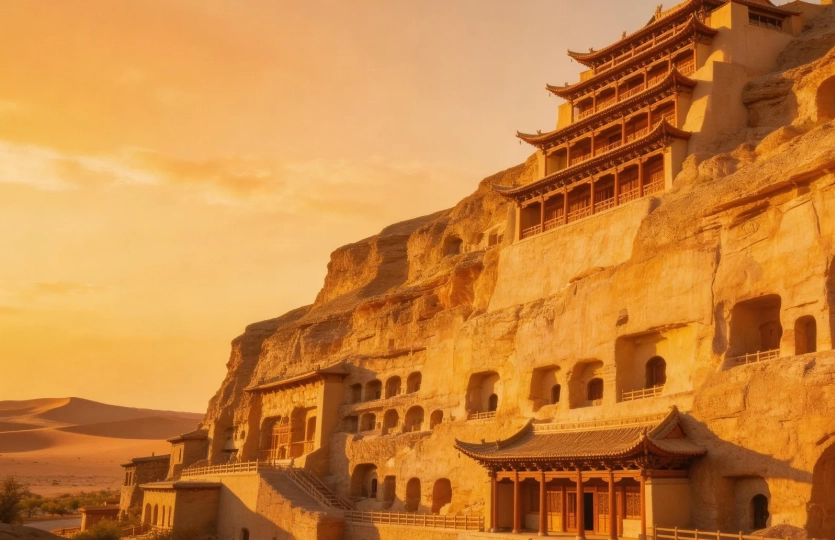
I’ve been here every month. May, September, and October are glorious: 20-25°C, clear skies, and thin crowds. July and August? The desert bakes at 40°C, and the Mogao Caves are a zoo.
Winter (November-February) is cold (sometimes below -10°C) but magical with snow on the dunes. Plus, ticket prices drop by 50%. Just avoid Chinese New Year when domestic tourists flood in.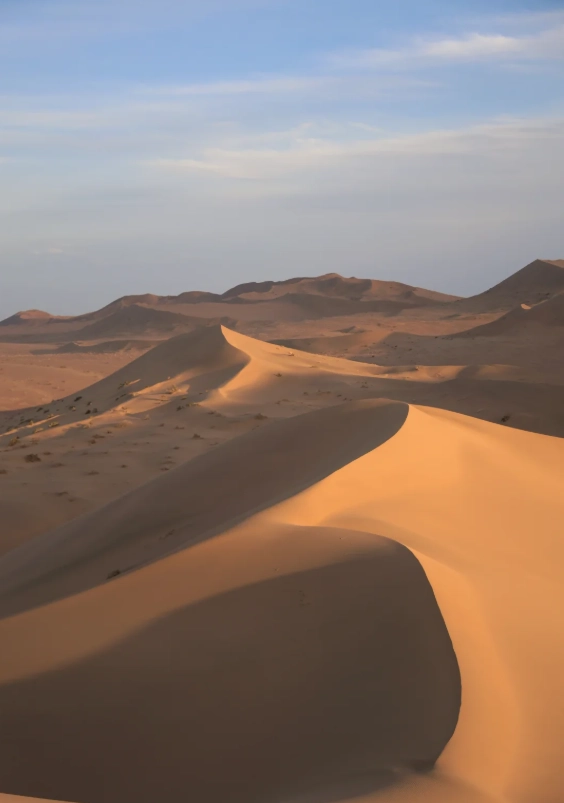
Spring (March-April) brings dust storms. I once got sand in my ears for three days straight. Not recommended.
| Season | Weather | Crowds | Recommendation |
|---|---|---|---|
| May, Sep-Oct | 15-25°C, sunny | Low | Best choice |
| June | 25-30°C, warm | Moderate | Good, but book early |
| July-Aug | 30-40°C, scorching | Insane | Avoid if possible |
| Nov-Feb | -10 to 10°C, chilly | Low (except CNYN) | Good for budget; pack warm |
| Mar-Apr | 10-20°C, dusty | Low | Risk of sandstorms |
Booking Mogao Caves: The Real Deal (Step-by-Step)
This is the single most important part of planning a Dunhuang trip. Mess this up, and you’ll be like that French couple. Here’s what works.
Step 1: Get WeChat (Yes, You Need It)
I know, I know. But trust me, WeChat is the key to China. Download it and register before you leave. Then ask your hotel concierge or a Chinese friend to help you link a credit card (Visa/Mastercard work now). Without WeChat Pay, you’ll struggle.
Step 2: Book Via the Mini-Program (Official, Cheapest)
Open WeChat, search for “ 莫高窟官方预约平台 ” (Mogao Caves Official Booking Platform). The interface is Chinese, but use the built-in translate function or ask for help. Tickets cost 238 RMB (peak) or 148 RMB (off-peak).
Important: You can book up to 30 days ahead. For summer visits, book at least 2 weeks in advance. For May/September, 1 week is enough.
Step 3: Alternative Booking Methods
If WeChat mini-program fails, try these:
- Travel agencies: Companies like Trip.com and Klook sell Mogao tickets at a slight markup. They handle the Chinese part for you.
- Hotel concierge: Most decent hotels in Dunhuang will book tickets for you. I always ask the hotel to do it — saves headaches.
- Walk-in? Technically possible in off-season, but risky. In summer, the daily cap is 6,000 visitors, and they sell out by 8am.
3-Day Dunhuang Itinerary (With Escape Plans)
This is the itinerary I use for my own groups. It balances highlights, avoids the worst heat, and includes backup options for bad weather or sold-out sights.
Day 1: Mogao Caves + Dunhuang Museum (Ease In)
Morning: Book the earliest Mogao timeslot (8:00-8:30). The caves are cool, lighting is good, and crowds are thin. From the main entrance, you’ll take a shuttle bus (20 RMB) to the caves. You’ll visit 8 caves in a group of 25. Don’t expect huge caves like the ones in Luoyang; Mogao caves are small but incredibly detailed. Listen to the guide — they point out details you’d miss.
Afternoon: Skip the expensive special caves (200-500 RMB extra) unless you’re a serious art enthusiast. Instead, head to the Dunhuang Museum (free, closed Mondays). It has replicas and detailed explanations of the caves you can’t enter. Much easier on the wallet.
Evening: Stroll along the Danghe River. The night market (“Shazhou Market”) opens around 6pm. Great for snacks but touristy. I prefer the quieter streets near the drum tower for dinner.
Day 2: Singing Sand Dunes & Crescent Moon Spring + Desert Camp
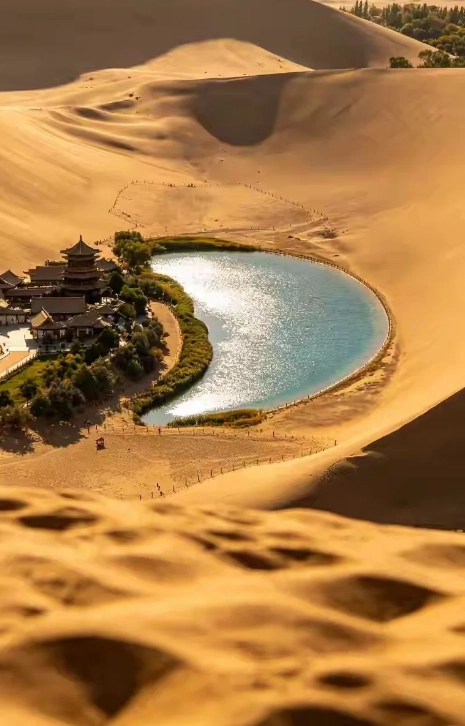
Morning: Arrive at the Mingsha Mountain (Echoing Sand Dunes) right when it opens (6am in summer, 7:30am in winter). Why so early? Because the air is still, the sand is cool, and you can get a photo of the crescent moon without a thousand people in the background. Entrance: 110 RMB (includes the spring). Cable car to the top: 50 RMB. Honestly, hiking the dunes is more fun.
Afternoon: If you’re tired, rest at your hotel. If not, rent a bike and cycle to the White Horse Pagoda (free, small but historic).
Evening: Join a desert camping experience (around 250-400 RMB). They pick you up, take you dune boarding, give you BBQ, and you sleep in a tent under the stars. I’ve done it a dozen times. Warning: bring wet wipes. Sand gets everywhere.
Day 3: Yumen Pass & Hecang City (or Alternate)
Full day trip: Half-day tours to Yumen Pass and the ruins of Yangguan and Hecang cost about 200 RMB per person (shared van). The sites are remote, about 90 minutes drive, with little shade. Bring a liter of water and a hat. The Great Wall here is a crumbling earth wall, but the vastness of the Gobi is humbling.
Plan B (if you’re worn out): Visit the Dunhuang Impression City — a fake old town with performances. Cheesy but fun. Or just relax in a local tea house.
| Day | Morning | Afternoon | Evening |
|---|---|---|---|
| 1 | Mogao Caves (8:00-12:00) | Dunhuang Museum (1:00-4:00) | Shazhou Night Market |
| 2 | Singing Sand Dunes (6:30-10:00) | Rest / White Horse Pagoda | Desert Camping BBQ |
| 3 | Yumen Pass tour (8:00-13:00) | Return & lunch | Free time |
Where to Stay: Hotels I Actually Recommend
I’ve stayed in too many Dunhuang hotels. Here are three that won’t disappoint.
1. Silk Road Dunhuang Hotel (★★★★★)
Address: No. 1 Dunhuang East Road. Price: 600-1200 RMB (peak varies). Best for: Tour groups, luxury seekers. Has a huge lobby, decent buffet, and English-speaking front desk. Wifi is stable. About 15 minutes from Mogao by taxi (30 RMB).
2. Dunhuang Shazhou Hotel (★★★★)
Address: 1 Shazhou North Road. Price: 300-600 RMB. Best for: Location (right beside the night market). Rooms are clean but a bit dated. My clients often prefer this for the convenience. Wifi OK. Can help book tours.
3. Banlu Youth Hostel (Budget)
Address: Near the Drum Tower. Price: 80-150 RMB dorm, 200-350 private. Best for: Solo travelers, backpackers. Friendly staff, some English. Has a rooftop terrace. They organize group desert trips. The only downside: rooms can be noisy at night from the street.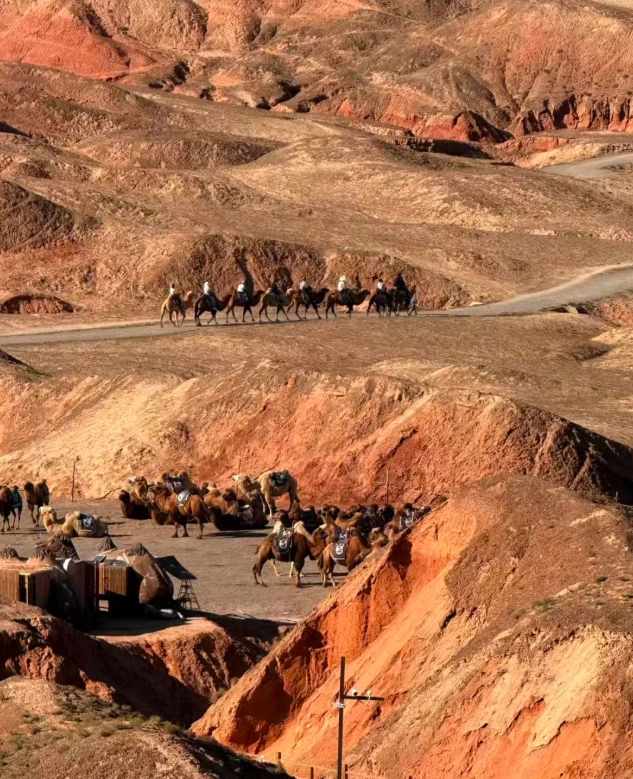
What to Eat (Without Getting Sick)
Dunhuang food leans heavy on lamb and noodles. My personal go-to dish is “Lanzhou pulled noodles” (拉面) with a clear broth and three slices of beef. Find it at any hole-in-the-wall for 15-25 RMB.
Must-try dishes:
- Lamb skewers (烤羊肉): 2-5 RMB per stick. Spicy, smoky, delicious.
- Apricot peel water (杏皮水): Local sweet drink. Perfect for desert heat.
- Silk Road pie (丝路烧饼): Flatbread stuffed with lamb or vegetables.
Restaurant recommendation: “Shazhou Night Market” itself is overpriced. Walk one street back to “Xiaofan’s Noodles” at 101 Minghui Road. Google Maps rating 4.5. The boss doesn’t speak English, but pointing works. Cash is not accepted; prepare WeChat Pay or ask a local to help.





No comments yet.