Yang Pass Overview
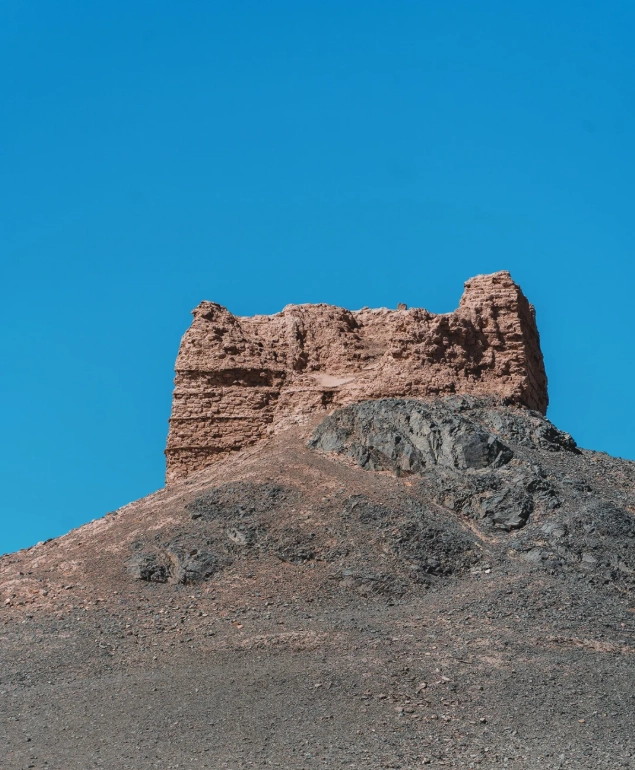
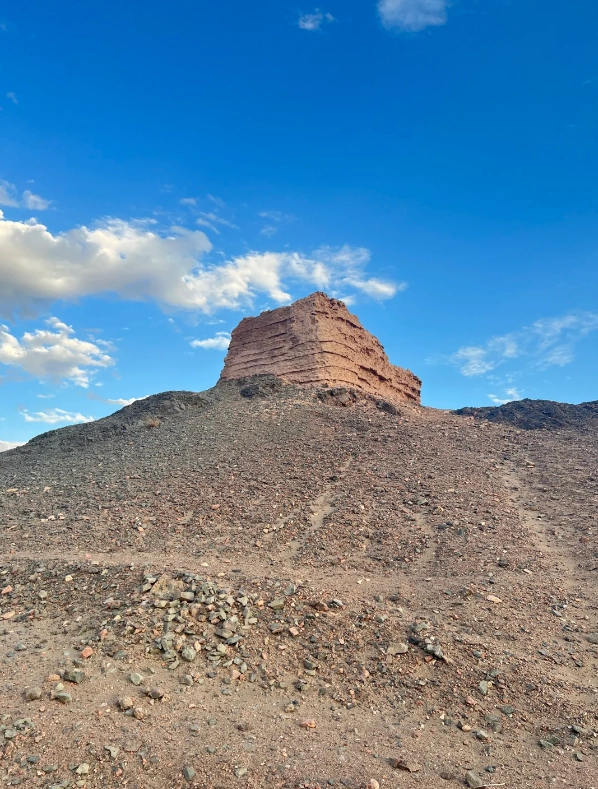
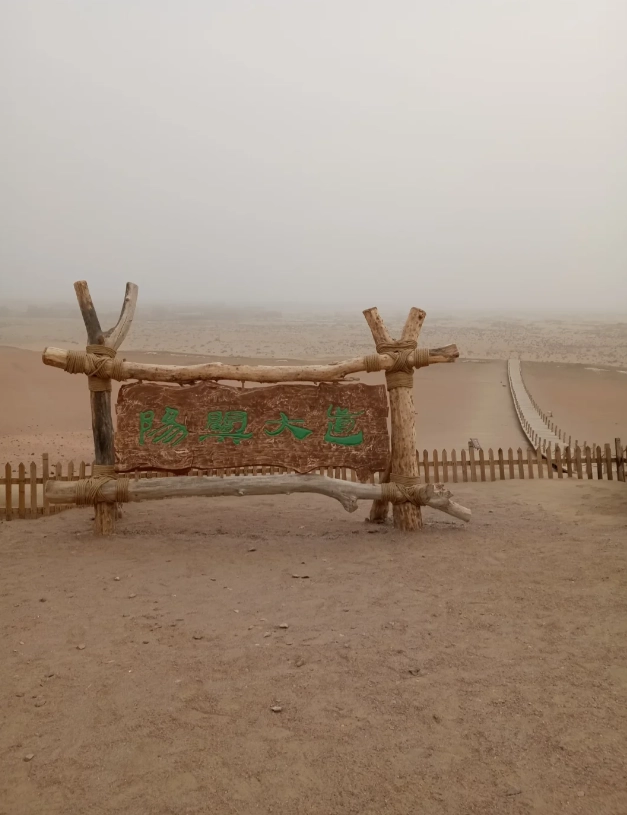
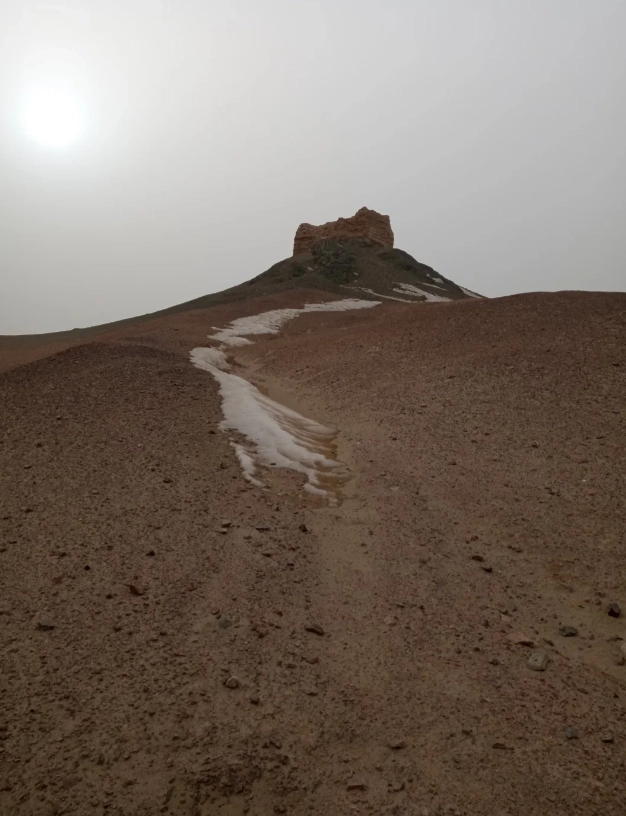
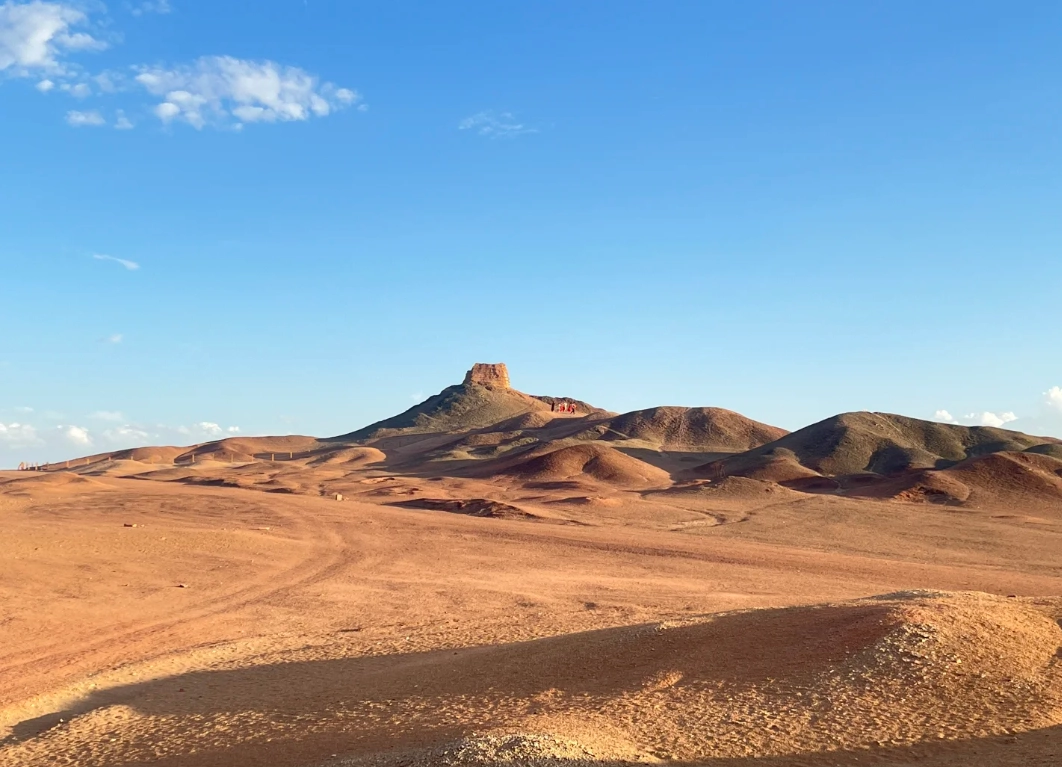
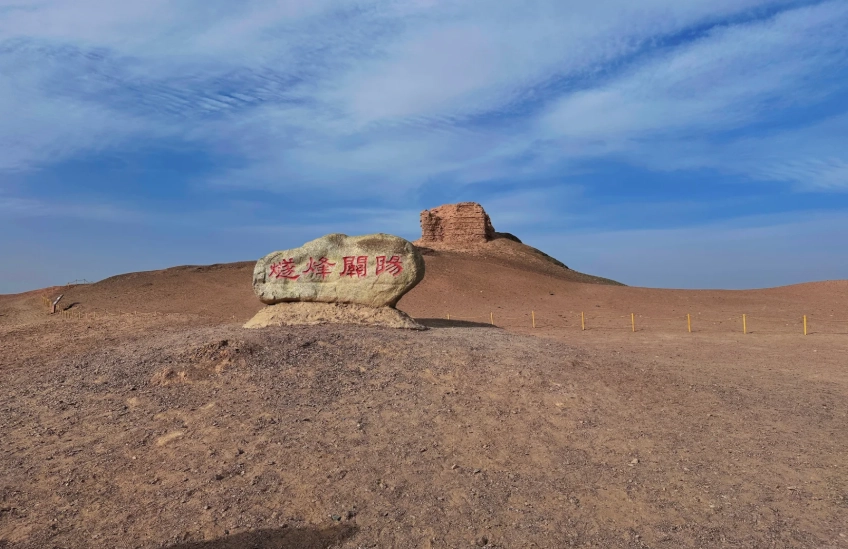
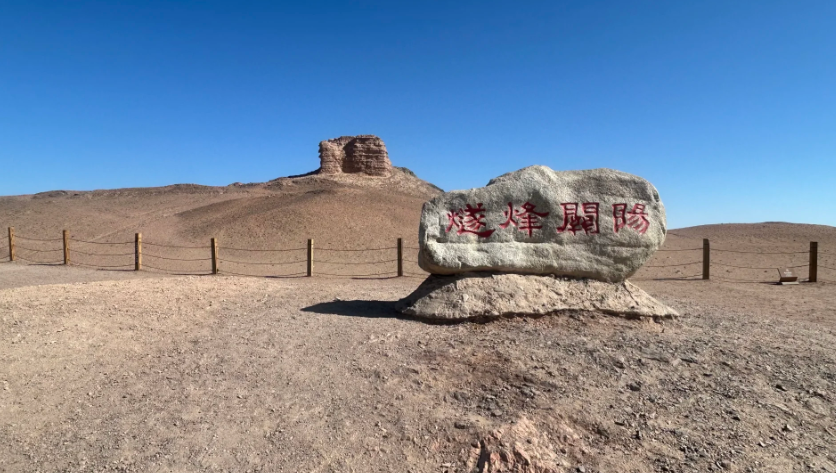
The southern counterpart to the Jade Gate Pass, Yangguan was the essential gateway on the southern route of the ancient Silk Road. Today, it serves as an interactive historical site featuring an excellent museum and the iconic ruins of a Han Dynasty beacon tower overlooking the desert.
Yang Pass Opening Hours & Tickets
- 08:00–18:00
- Best season: April to May and September to October for milder weather.
- Ticket note:
The entry ticket covers the museum and the site. Transport to the beacon tower (...
Essential Yang Pass Visitor Information
- Enquiries: +86 937 8833186
- Yangguan Museum
- Internal transport (donkey carts
- electric shuttles)
- Archery range
- Customs passport stamping experience
- Restrooms
How to Get to Yang Pass
Charter a car from Dunhuang. It is often combined into a 'Western Route' day trip alongside the Dunhuang Ancient City film set.
Yang Pass Travel Safety & Advice
Dial 120. Standard first aid is available at the museum visitor center.
Yang Pass Travel FAQ
Can I bring a drone to Yang Pass for aerial shots?
Officially, no. The site is near a military restricted zone (you'll see signs). I've seen tourists get their drones confiscated by security. If you absolutely must, fly early morning when staff are fewer, keep it under 50 meters, and avoid the main tower area. But I don't recommend risking it.
Is there a best photography spot for avoiding tour groups?
Absolutely—the area behind the museum, near the ancient well, sees almost no tour groups. Most groups do: enter, walk to the beacon tower, take a selfie, and leave in 30 minutes. If you walk 100 meters south from the tower towards the well, you'll be alone. Also, the far western wall section I mentioned is usually empty after 5 p.m.
What's the most common mistake photographers make at Yang Pass?
Staying too close to the main structures. The ruins are relatively small, so to capture the vastness, you need to back up and use a wide lens to include foreground sand. Another mistake: not checking the weather. Dust storms can appear suddenly in spring. I use the 'Windy' app to check wind speed before heading out. If gusts are above 30 km/h, I reschedule—you'll get sand in your lens and zero clarity.
Can I get a taxi back to Dunhuang after sunset?
Yes, but you must arrange a wait-and-return with your driver. Most taxi drivers in Dunhuang are happy to wait if you pay an extra 50–80 RMB per hour. I always book through the hotel concierge and confirm the driver will stay until 8 p.m. in summer. Then you can shoot the full sunset and twilight. Without a pre-arranged taxi, you'll be stranded—there's no ride-hailing app coverage out there.
What is the best camera setting for Yang Pass's harsh contrast?
I shoot in aperture priority, usually f/8 to f/11 for landscape sharpness, and I underexpose by 0.7 stops to preserve highlights in the sky. Then I recover shadows in Lightroom. If you shoot in JPEG, you'll lose detail. Raw is mandatory here. Also, set your white balance to 'Daylight' (5500K) to keep the warm sand tones—auto WB often makes it too cool.
I only have one day in Dunhuang. How should I squeeze in Yang Pass without rushing?
Skip the Mogao Caves if you’re short on time—they need at least 3 hours. Instead, book a taxi for 8 AM, visit Yang Pass from 9–11 AM, then drive 40 minutes to Yumen Pass (lunch at the small restaurant near the entrance). Head back to Dunhuang by 4 PM and catch the evening flight. You’ll hit two iconic sites without sacrificing sleep.
Can I use international credit cards at Yang Pass?
Nope. The ticket office accepts WeChat Pay and Alipay only. Cash works too (Chinese yuan). I always carry 200 RMB in small bills for snacks or tips. No ATM on site.
Is Yang Pass worth it compared to Yumen Pass?
Both are historic, but Yang Pass has a better museum and a more preserved beacon tower. The views of the desert are similar. If you only do one, pick Yang Pass. But honestly? The drive between them is beautiful—I’d do both.
What if I visit during Chinese National Day (Oct 1-7)?
You’ll face crowds and higher prices. My advice: book everything—tickets, taxi, hotel—a month in advance. Arrive at 7:45 AM to beat the rush. The line at 9 AM can be 30 minutes long. I avoid this week like the plague.
Can I visit Yang Pass on the same day as the Mogao Caves without rushing?
Technically yes, but you'd need to start at Mogao Caves at 8 AM, finish by 11 AM, grab a quick lunch, then taxi to Yang Pass (1 hour drive). You'll arrive around 1 PM — the worst time heat-wise. I'd suggest dedicating a separate half-day for Yang Pass, preferably in the morning.

Recent Reviews
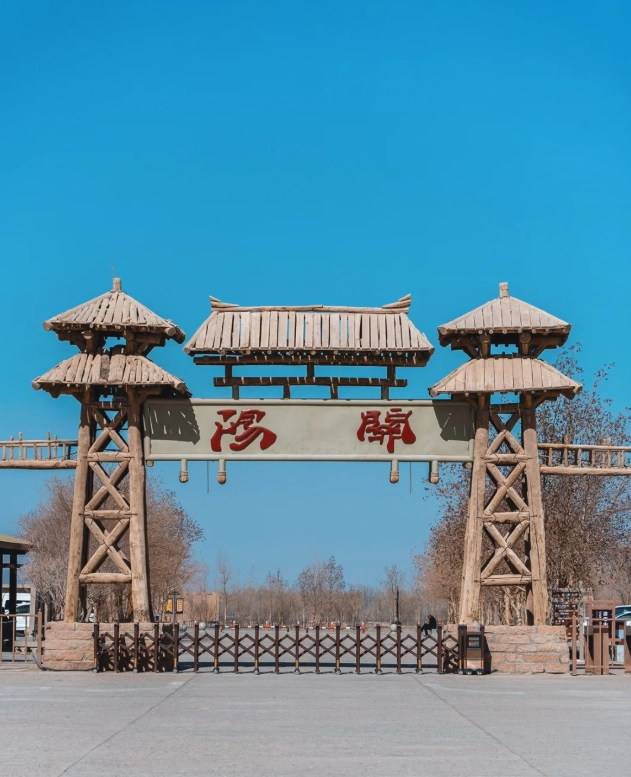
Honestly, I wanted to love this more than I did. The history is interesting and the setting is remote, but after a while it felt a bit empty. The museum is small and many signs are in Chinese, and the 'ancient pass' area is mainly a reconstructed gate with souvenir stalls nearby. The tower on the hill is the best part, but you can't go up to it, only to a nearby viewpoint. I'm glad I came for the poem's sake, but I wouldn't call it must-see. If you're short on time, maybe give it a pass.
Yang Pass was the surprise highlight of my Gansu trip. The museum section gave a clear overview of trade routes and military life, and the short film was actually helpful. Then you step outside and the desert just opens up. I loved the reconstructed rammed-earth walls and walking to the beacon tower to see the desert below. There was hardly anyone around in October, just silence and wind. If you enjoy history without crowds, this is the place.
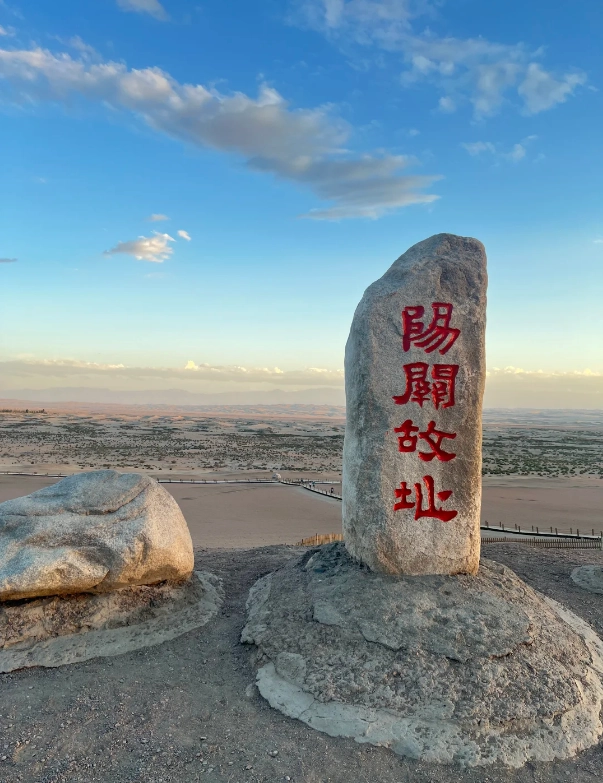
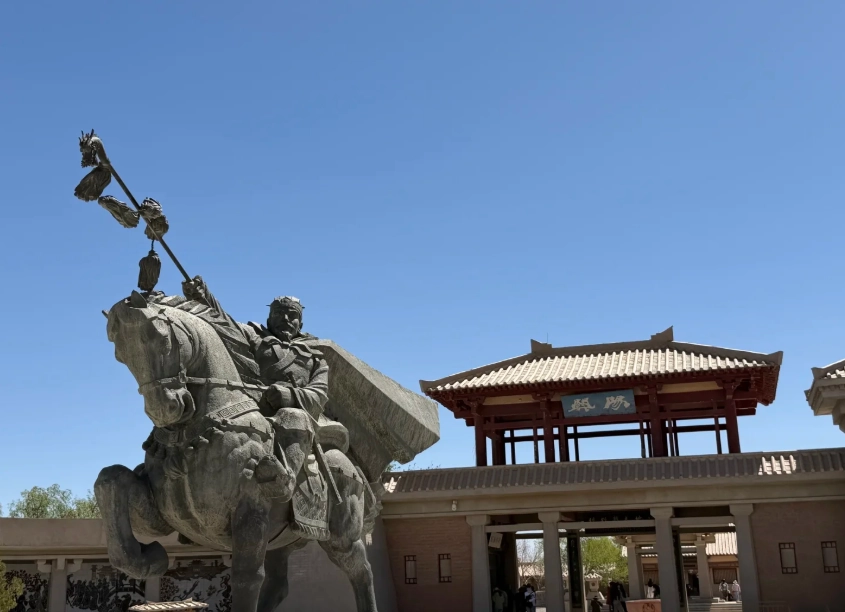
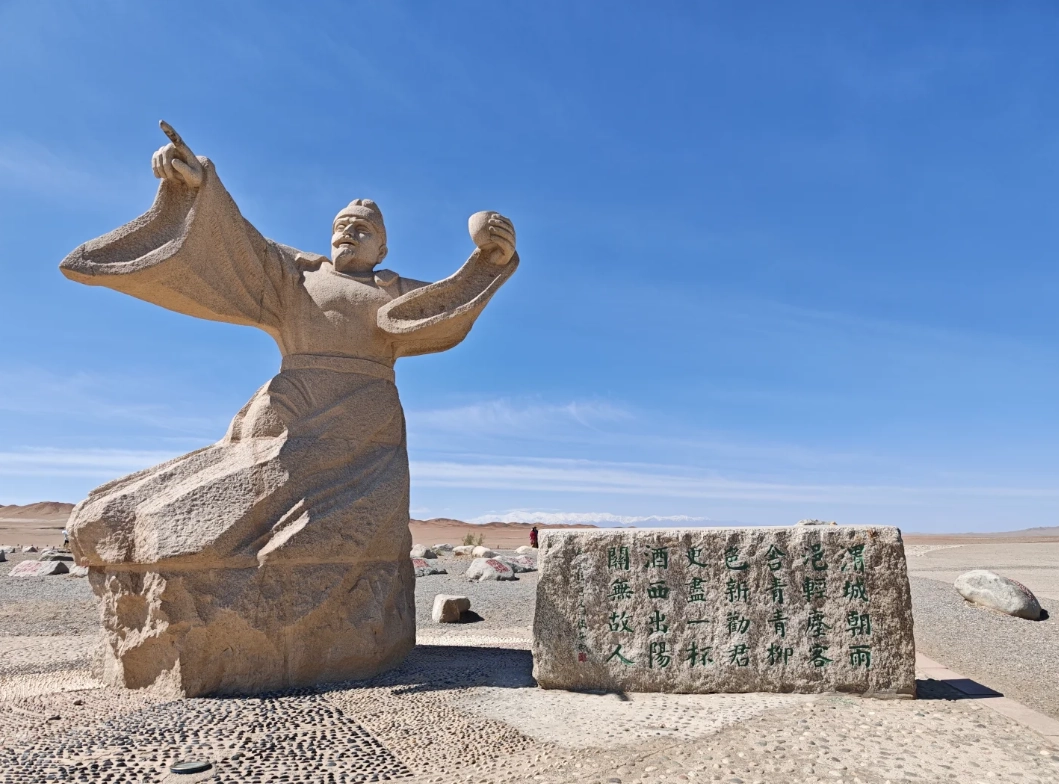
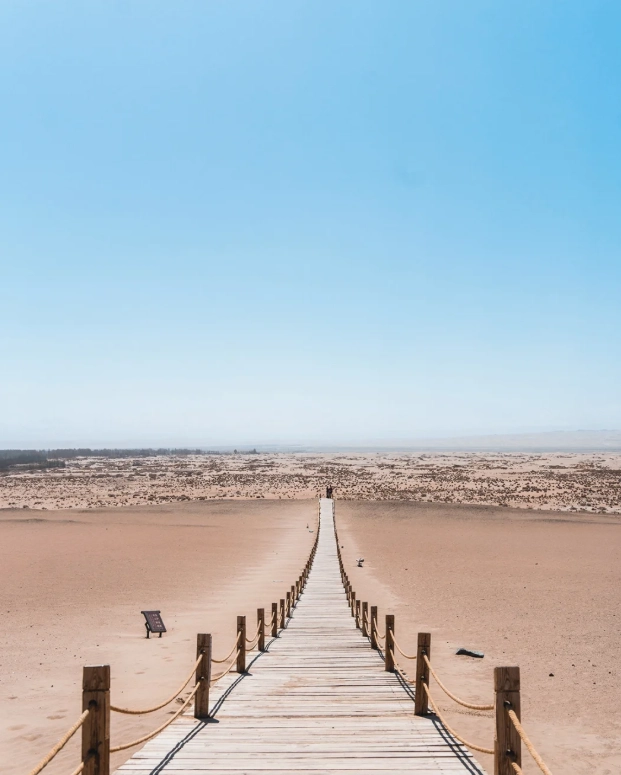
Go late in the day. The sun turns the desert gold, and the wind sound at Yang Pass is something I still think about. There's a memorial statue and the famous 'no friends beyond Yang Pass' stone, which hit me harder than expected. You don't need a guide; just walk along the path and watch the Gobi stretch forever. Bring a scarf, glasses, and water. This place may not have grand structures, but it has a soul. Definitely worth the drive from Dunhuang.
Nice day trip from Dunhuang. Yang Pass is more about symbolism than actual ruins — the original structure is mostly gone, but the landscape is powerful. We had a taxi wait for us, which was easy, and spent about two hours wandering around the museum and the desert viewpoint. I'd give it a 4 because the entrance fee is a bit steep for what's actually there, and some parts felt overly rebuilt for tourists. Still, I got some gorgeous photos and felt a bit poetic at the tower.
I almost skipped Yang Pass to save time for the Mogao Caves, but I'm so glad I didn't. Standing by the lonely beacon tower in the late afternoon made the whole Silk Road history feel real. The wind was constant, the horizon was endless, and you could just imagine riders disappearing into the Gobi. The museum is decent, but the real magic is walking out toward the old pass and just being quiet for a few minutes. Easily one of the most atmospheric places I visited in China.
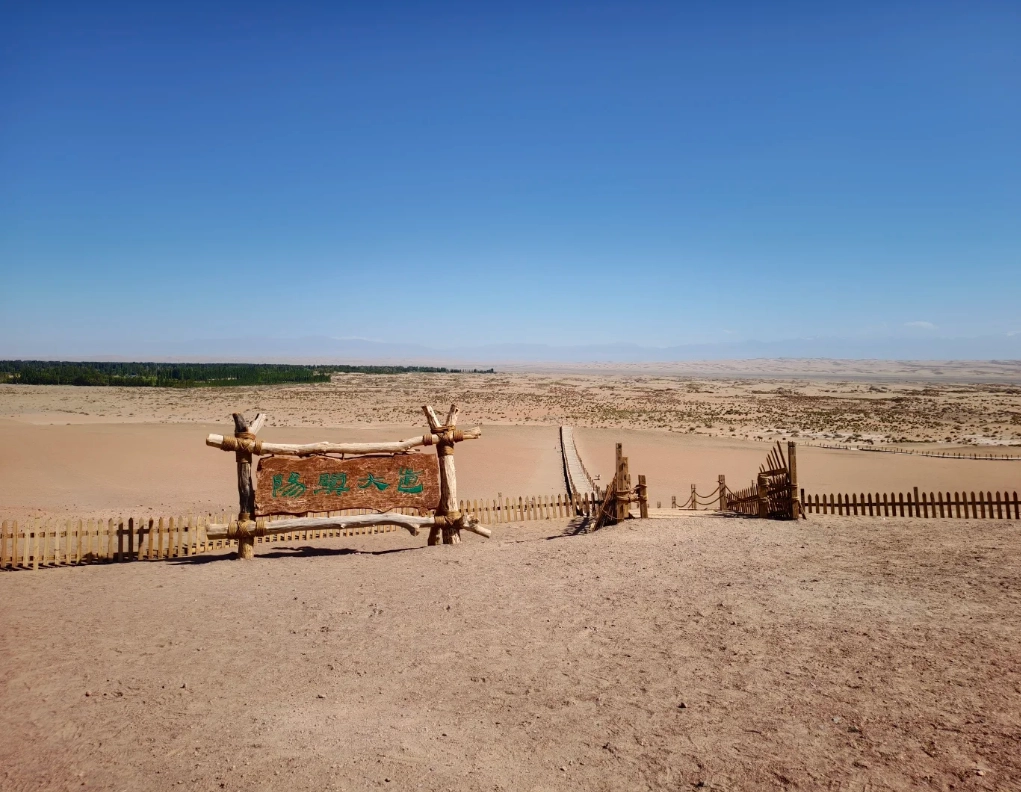
Golden hour is magical here. The sand dunes ripple in every direction, the weathered rammed-earth walls turn honey-colored, and your shadow stretches across the desert. I took about a hundred photos and every one looks like a film still. Arrive in late afternoon and stay for the light—it's unforgettable.
If you can, hire one of the docents for a mini tour—ours was a retired teacher who told stories about the caravans, the courier mail, and the soldiers stationed here. Seeing the Han dynasty clay tablets and weapons up close made history tangible. The whole place feels small, but that's the point. It's not about spectacle; it's about a threshold. I almost cried.
I stayed until closing and watched the sunset from the ancient beacon tower. Standing there looking west over the empty Gobi, with the wind and the silent desert, I finally understood 'no friends beyond Yang Pass.' It hit me hard. Not a big theme park—it's quiet, bare, and genuinely moving. Easily the best memory from my trip to Dunhuang.
We came on an October weekday and had the place mostly to ourselves. The museum does a good job explaining the Silk Road and the signal-fire system, though the English labels are a bit thin. You can climb the tower for a wide view over the Gobi—it made the poem feel real. Just wish there was more to see beyond the reconstructed gate; half a day is enough.
Maybe my expectations were too high. The site is basically a modern reconstruction with a small museum; the only original thing is the crumbling beacon tower out in the desert. Shuttle bus costs extra and the walk isn't very interesting. It's atmospheric if you already know the poem, but for the ticket price I left a bit flat.
What an experience! Yang Pass might look modest at first, but it’s one of those places where the silence and the space really hit you. I stood on the original ancient road and tried to imagine the merchants and soldiers who passed through here centuries ago. The staff let me take my time, and the small shop sells decent souvenirs. If you're in Dunhuang, don’t skip this — it’s a peaceful, soulful spot that’s totally different from the crowded Mogao Caves.
This place is a goldmine for photographers! The contrast between the weathered earth tower and the endless blue sky is surreal. I went early morning and had the whole site almost to myself. The light was perfect, and I got some incredible shots of the desert dunes and the old beacon tower. Even the drive out here through the Gobi was scenic. Bring water and a hat — it’s very exposed. I’d rate it 5 stars just for the views.
Absolutely breathtaking! Standing at Yang Pass, you can almost feel the ghosts of Silk Road caravans passing by. The vast emptiness of the desert stretching to the horizon is humbling. The rebuilt gate and tower are simple but elegant, and the little museum explains the history beautifully. I spent nearly two hours just soaking in the atmosphere. A must-visit for anyone interested in ancient Chinese history. Highly recommended!
Yang Pass is a decent stop if you're doing the Hexi Corridor tour. The main attraction is the solitary tower and the endless Gobi desert behind it — very photogenic, especially at sunset. The admission felt a bit steep for the size, but the staff were friendly and the small exhibition hall gives some context. It’s more about the vibe than the actual artifacts. Worth a quick hour if you’re in Dunhuang.
Honestly, Yang Pass was a bit of a letdown for me. The historical significance is undeniable, but the site itself feels very bare and overpriced for what you get. You basically walk to a small tower and a few plaques, and then you're done in 20 minutes. The museum was closed when I visited, so I just paid 60 yuan to stand in the wind and take a picture. Not much to see or do unless you’re really into imagining ancient trade routes.
This place exceeded all my expectations! The sense of stepping back in time is incredible. You can walk along the ancient rammed earth walls and imagine caravans arriving from the west. The small exhibition has some cool artifacts. Also the staff let me fly my drone for a few minutes (asked permission first). A perfect half-day trip from Dunhuang. Absolutely 5 stars!
Yang Pass is a hidden gem if you appreciate raw landscapes and history. I went late afternoon and caught the sunset—the golden light hitting the desert and the old fort was stunning. Very few tourists, so it felt peaceful and authentic. The only reason I’m giving 4 instead of 5 is that the access road is a bit bumpy and there’s almost no signage. Still, a memorable experience.
Honestly, Yang Pass was a bit underwhelming for us. Maybe we built it up too much? The site is mostly just a restored tower with a lot of empty land around it. The museum is small and the information boards are not very detailed in English. It’s interesting for a quick stop if you're already in the area, but I wouldn’t go out of my way. Okay for a 3—nothing special.
Visited Yang Pass on a clear morning and it was magical. The silence of the desert, the wind whispering through the ruins... I even saw a camel caravan in the distance! The ticket price is reasonable and the walk to the main tower is easy. Only minor issue: not much shade, so bring water and a hat. Still, an unforgettable place—highly recommend!
Yang Pass is an absolutely breathtaking historical site. Standing there, you can almost hear the echoes of ancient travelers on the Silk Road. The vast Gobi Desert stretching to the horizon, the weathered beacon tower—everything feels so raw and powerful. The staff were friendly and the small museum gave great context. Definitely worth the drive from Dunhuang, a 5/5 experience for history lovers!
If you're a history buff, this place will blow your mind. Standing at the very pass where ancient traders and soldiers left China for the unknown West... wow. The reconstruction is tastefully done, and you can walk along the old wall line. I went early in the morning when it was empty and the wind was howling. Felt like a time traveler. Don't skip the small museum – the artifacts are well preserved. Absolutely top experience.
Yang Pass is a solid half-day trip from Dunhuang. The road out is long and straight through the desert, which is an experience in itself. Once there, the site feels authentic and not overly touristy. I appreciated the audio guide (available in English) – it added context to the ruined walls. Only downside: the restroom facilities were a bit rough. Still, a good historical stop with fantastic views.
Second time visiting Yang Pass and it still gives me chills. The silence out there is incredible—just wind and history. I brought a book about the Silk Road and sat near the old beacon tower for an hour. The staff at the ticket booth were friendly and the small souvenir shop has some unique handmade items. The afternoon light makes for amazing photos. A true gem off the beaten path.
Honestly, I was a bit underwhelmed. The site itself is mostly ruins and a reconstructed tower, and the entrance fee felt steep for what you get. There’s a lot of walking on gravel in the sun with very little shade. The museum is decent but not exceptional. If you're short on time, skip it and just enjoy the desert views from the road. It's fine, but nothing spectacular.
Yang Pass is a must-see if you're into ancient Silk Road history. The restored gate and the vast Gobi landscape are breathtaking. I stood on the promenade just before sunset and could almost imagine the caravans passing through. The museum explains everything clearly. Highly recommend hiring a guide to get the full story, though the signage is good too. Definitely worth the drive from Dunhuang.
Honestly, I was a bit underwhelmed. Maybe I built it up too much in my head. The site is mostly reconstructed, and there isn’t much original left except the beacon tower foundation. The souvenir shops and “ancient” costumes for hire feel too commercial. Plus, it was scorching hot with zero shade. I’d skip it if you’re short on time.
Solid 4 stars. The historical significance is undeniable, and the renovation work is well done. I appreciated the free audio guide in English. However, the wind was brutal – sand got into everything, including my camera lens. Also, the entrance fee felt a bit steep for what’s essentially an open field with a few structures. Still, glad I went.
Came here with a group of friends and we loved it! We rented the e-bikes to get around the site – super fun and easy. The staff let us take photos with a camel for free, which was a nice surprise. The landscape is otherworldly, like being in a movie set. Perfect spot for a picnic if you pack snacks.
If you're into Silk Road history, this is a must-see. The guided tour (I had Mr. Wang) was incredibly detailed – he explained how the pass functioned as a border checkpoint and even showed us old trade route maps. The reconstructed gate gives you a real sense of what travelers felt centuries ago. Only downside: a bit crowded in the morning, so go late afternoon.
Stunning sunset over the ancient pass! The silence of the Gobi Desert mixed with the historical vibe really hit me. The museum has some cool artifacts, but the real magic is walking up to the beacon tower and just staring at the endless dunes. Definitely worth the drive from Dunhuang. Bring water – the wind dries you out fast.
Leave a Review