 Peng Gao
What's Inside This Guide
- Why Yungang Grottoes Should Be on Your China Bucket List
- How to Get to Yungang Grottoes from Datong
- Best Time to Visit Yungang Grottoes (and When to Avoid)
- Yungang Grottoes Ticket Prices and Booking Tips
- What to See Inside: Must-Visit Caves
- Sample Itinerary: One Day at Yungang Grottoes
- FAQs about Yungang Grottoes
I still remember the first time I walked into Cave 20 at Yungang Grottoes. The sheer scale of the seated Buddha – 13.7 meters of calm, weathered sandstone – left me speechless. After leading dozens of tours here over the past eight years, I've learned the tricks to make your visit smooth and memorable. Most English-language guides gloss over the practical details that can make or break your day. Let me fix that.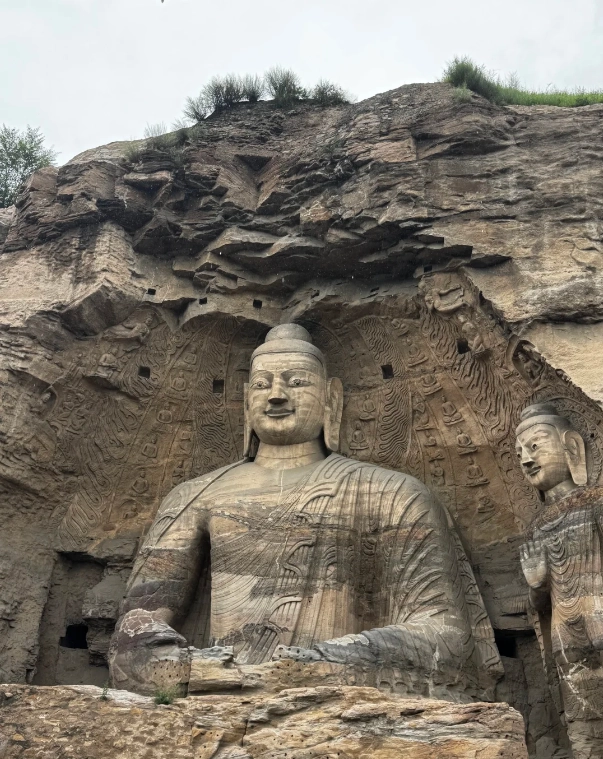
Why Yungang Grottoes Should Be on Your China Bucket List
Dating back to the 5th century, Yungang Grottoes is a UNESCO World Heritage site that rivals the Longmen Grottoes in Luoyang but feels far less crowded. It's one of the three great Buddhist cave complexes in China, and arguably the most impressive for its sheer number of early statues – over 51,000 carved into the cliffs. What sets Yungang apart? The caves here were commissioned by the Northern Wei dynasty, and many retain vibrant traces of original paint (though faded). If you're into raw, ancient artistry without the theme-park vibe, this is it.
How to Get to Yungang Grottoes from Datong
The grottoes sit about 16 kilometers west of Datong city center. Here's how to get there:
| Method | Details | Cost (approx.) |
|---|---|---|
| Bus | Take bus route 3 from Datong Railway Station or bus 603 from the new Datong South High-Speed Rail Station. Get off at Yungang Grottoes stop. The ride is about 40–50 minutes. | 2–3 RMB |
| Taxi / DiDi | From city center, about 30–40 minutes. I recommend using Didi (China's Uber) – type “Yungang Grottoes” in the app. Drivers know it. | 40–60 RMB |
| Private car | If you're in a group, many hotels can arrange a car for around 150–200 RMB round trip. | 150–200 RMB |
Best Time to Visit Yungang Grottoes (and When to Avoid)
Golden hours: Go early – like, aim to arrive at 8:30 AM when the gates open. The morning light hits the main Buddha statues perfectly, and you'll have the caves nearly to yourself for the first hour. Alternatively, 3:30 PM onwards is also great – the late afternoon sunlight creates dramatic shadows. But watch out: the park closes at 5:30 PM (or 4:30 in winter), so you'll have about 2 hours.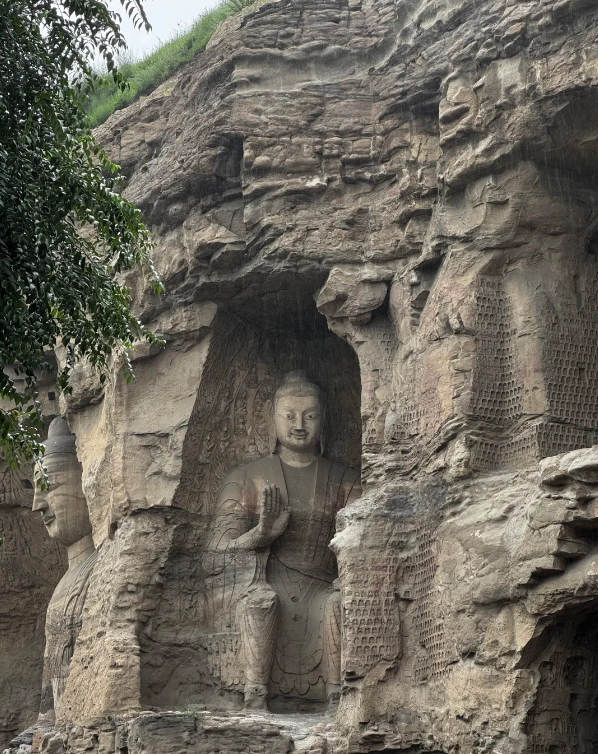
When to avoid: Chinese national holidays (Golden Week in October, Spring Festival, May Day) and summer weekends. The site can get uncomfortably packed. Also, midday in July and August – the sun is brutal, and the caves become stuffy. I've seen tourists faint from heat inside Cave 5.
Yungang Grottoes Ticket Prices and Booking Tips
Prices fluctuate slightly depending on the season, so I recommend pulling up WeChat to scan their official mini-program right before you Uber over. As of my last check (spring 2024):
| Category | Price (RMB) | Notes |
|---|---|---|
| Adult (peak season Apr–Oct) | 120 | Includes entrance to all open caves |
| Adult (low season Nov–Mar) | 100 | Some caves may be closed for preservation |
| Student (with valid ID) | 60 | Must have international student card or Chinese student ID |
| Child (under 1.2m) | Free | No ticket needed |
| Senior (over 60 with passport) | Free | Present your passport at the ticket counter |
You can buy tickets on-site or via the official WeChat mini-program (search “云冈石窟” – the English version might be limited). I recommend pre-booking during peak season to skip the line.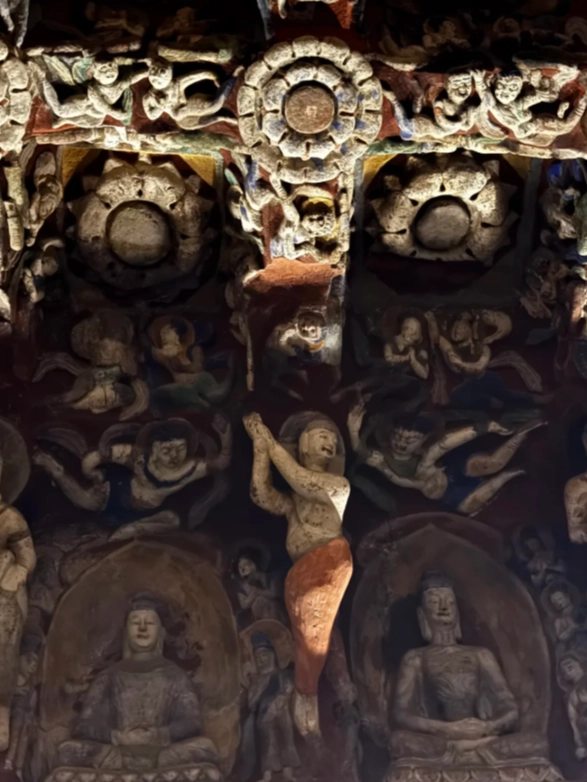
What to See Inside: Must-Visit Caves
There are 45 main caves, but you don't need to see all. Here's my curated list based on years of guiding:
Cave 20 – The Iconic Seated Buddha
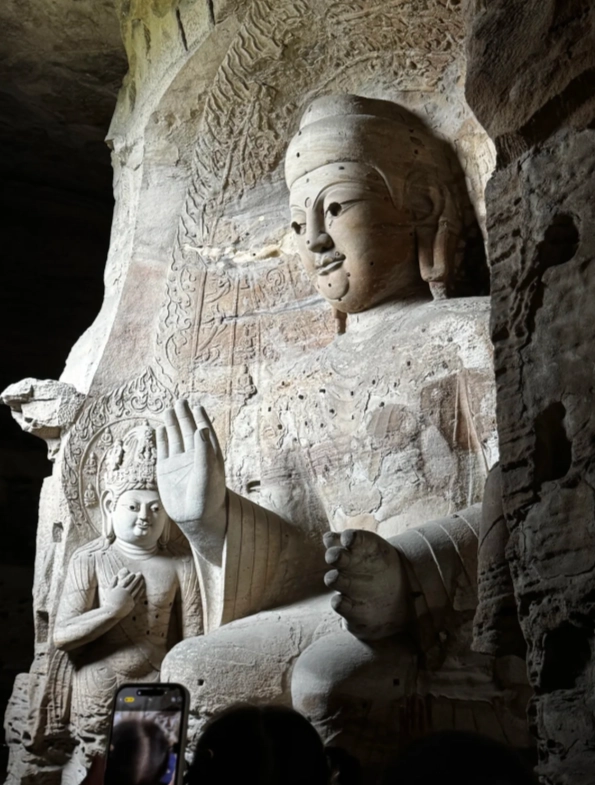
This is the poster child: a colossal Buddha with a broken left leg, exposed to the open air. Best photo spot: stand directly in front, or from the wooden platform to the left. Morning light is ideal.
Cave 5 and Cave 6 – The Double Cave
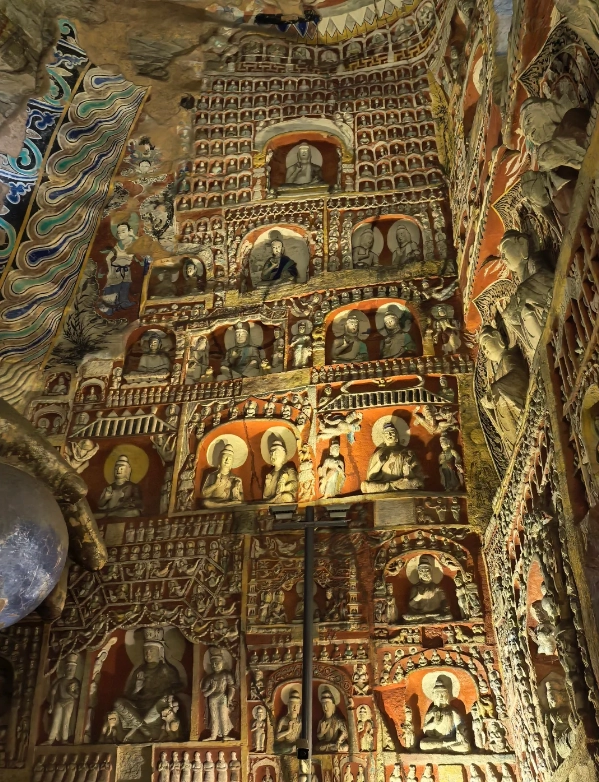
Cave 5 houses a massive 17-meter seated Buddha – the largest indoors. Cave 6 is a masterpiece of narrative carvings depicting the life of Buddha. Carved pillars and delicate reliefs. Watch your step – the floor can be uneven.
Cave 9 and Cave 10 – The Front-Ting Caves
These have wooden front structures (rebuilt) and beautifully carved doorways. Less crowded, great for atmosphere.
Cave 16 to Cave 20 – The “Five Caves of Tanyao”
These are the earliest caves, each with a giant Buddha representing an emperor. Cave 16 has a standing Buddha whose hand gesture is remarkably well-preserved.
Off the beaten path: Most tourists miss the Small Caves on the far west end (Cave 35 onward). They're smaller but have intimate, well-preserved Buddhas. I always take my photography-loving guests there.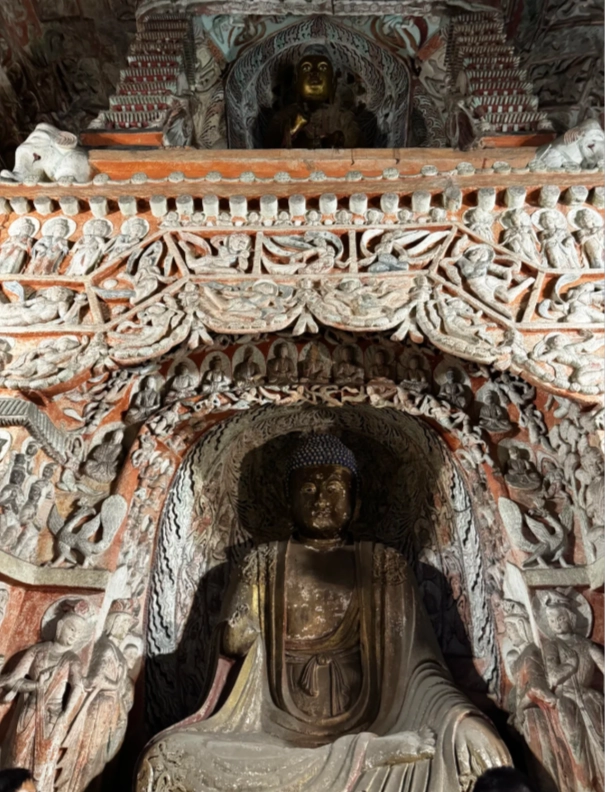
Sample Itinerary: One Day at Yungang Grottoes
Assume you're staying in Datong city center. Here's how I'd plan a relaxed but thorough visit:
- 8:00 AM – Leave hotel. Grab a quick breakfast (steamed buns and soy milk from a street vendor).
- 8:30 AM – Arrive at grottoes. Show passport, enter. Head straight to Cave 20 for empty-sky photos.
- 9:00–10:30 AM – Explore Caves 5–13 (the central cluster). Take your time; these are the most ornate.
- 10:30–11:30 AM – Visit the museum (free with ticket) to see artifacts and a 3D replica of a cave.
- 11:30–12:30 PM – Lunch at the on-site restaurant (noodles and dumplings, about 30–50 RMB per person). Not amazing, but convenient.
- 12:30–1:30 PM – Rest or wander the small souvenir street.
- 1:30–2:30 PM – Explore Caves 16–20 (the oldest) and the western caves.
- 2:30–3:00 PM – Walk to the northern part of the park where there's a nice pagoda and garden. Less busy.
- 3:00–3:30 PM – Final photos at the entrance lake reflecting the cliffs.
- 3:30 PM – Depart. Take taxi back to Datong for dinner.
FAQs about Yungang Grottoes
 What should I wear when visiting Yungang Grottoes?





No comments yet.